
Free Reading Games for Kids — Fleet Captain 7+
 New from Dad4Kids
Clean YouTube for kids
For families with traditional values, hand-picked by parents.
Open →
Most free reading games for kids stop at recognising words. Fleet Captain starts where that ends: your child reads a short written order — where to sail, which target to pick, when to fire — and the fleet does exactly what the child understood. Read it right and the plan works. Skim it and the shot goes wide.
Reading with a reason to understand
Children can usually sound out words long before they can follow a sentence. Every order here is a small comprehension task: find the key detail, follow the instruction, work out what it implies. Because a careless reading loses the round, children slow down and read for meaning — the skill that carries reading past the early grades.
What it builds
Following written instructions, locating the exact detail, cause and effect, and simple inference — the core of reading comprehension, inside a sea battle instead of a worksheet. Every order is also spoken aloud, so a child who is still decoding can play from day one.
Genuinely free
No ads, no account, no download — it runs in the browser on a tablet, phone or computer, and the progress stays on the device.
More free reading games for kids
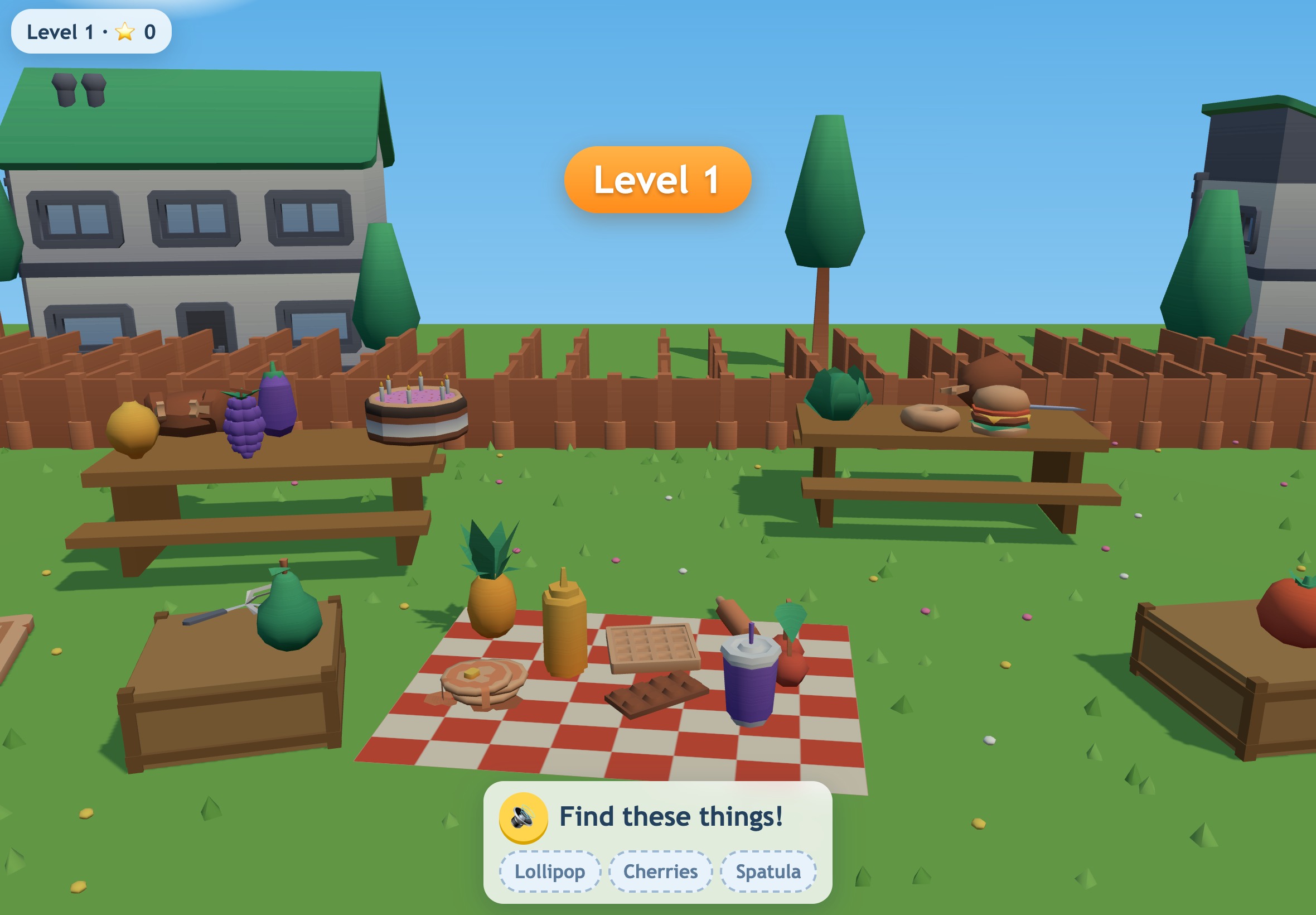
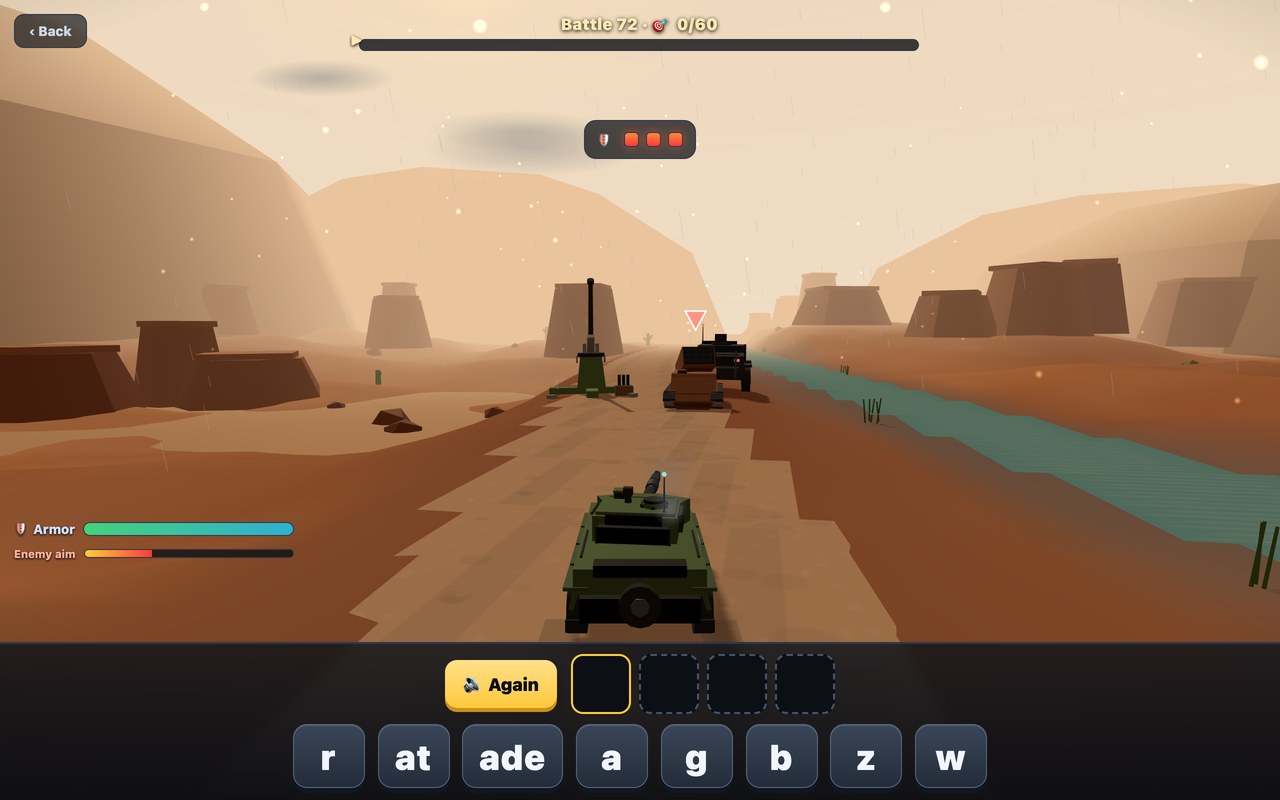
- reading games — read whole words and phrases to drive a tank campaign
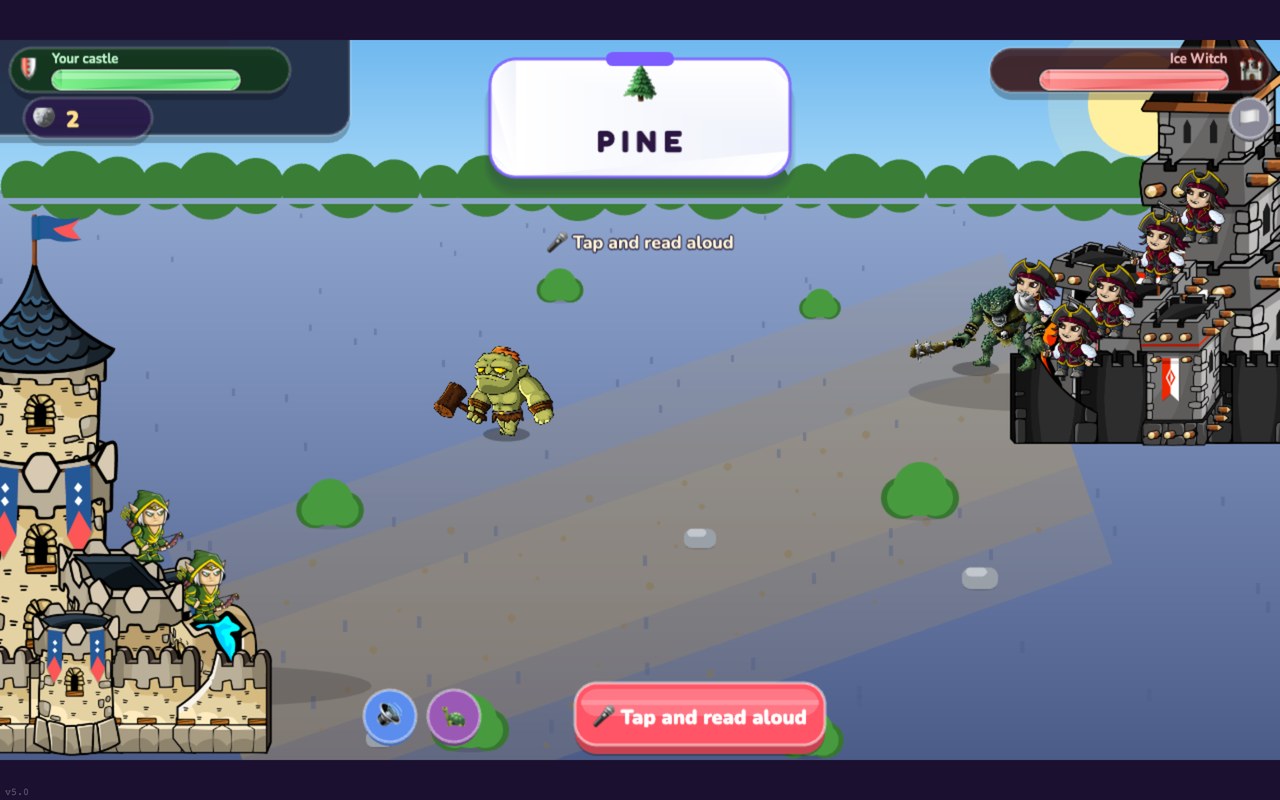
- reading games for kids — build words from syllable tiles and fire the catapult
- letter sounds games — tap letter tiles in sound order to charge the towers
- phonics games online free — blend the sounds and the spell fires
- phonics games for kids — systematic phonics with Reading Buddy
How to play
A short written order appears (tap 🔊 to hear it) — read it, understand it and act on it: where to sail, which target to pick, when to fire. Follow the text correctly and you win the battle; skim it and you miss.
What your child learns
Builds English reading comprehension: following written instructions, finding the exact detail, cause and effect, and inference from a text.
The science behind the games
Every Dad4Kids game is built on one simple truth: children want to play, not study — so we turn learning into a game worth replaying. The method draws on peer-reviewed research in game-based learning, motivation, and how memory works.
- Tokac et al. (2019). Effects of game-based learning on students' mathematics achievement: A meta-analysis. Journal of Computer Assisted Learning.
- Alotaibi (2024). Game-based learning in early childhood education: a systematic review and meta-analysis. Frontiers in Psychology.
- Lampropoulos & Sidiropoulos (2024). Impact of gamification on students' learning outcomes and academic performance: a meta-analysis. Education Sciences.
- Taylor & Boyer (2019). Play-based learning: evidence-based research to improve children's learning experiences. Early Childhood Education Journal.
- Gottfried (1990). Academic intrinsic motivation in young elementary school children. Journal of Educational Psychology.
- Yang et al. (2018). Enhancing learning and retrieval of new information: a review of the forward testing effect. npj Science of Learning.
FAQ
How can I improve my child’s reading comprehension?
Comprehension grows when a child reads for a purpose and then does something with the text. Ask what happened and why, connect it to what they know, and keep the passages short at first. This game builds that habit automatically — each order has to be understood correctly to win the round, so your child practises finding the key detail and following it.
What reading comprehension skills does this game build?
Four of the big ones: following written instructions, locating a specific detail, understanding cause and effect, and making simple inferences. Each naval order is a bite-size comprehension task that trains one of these, and the difficulty rises gently as your child improves.
How do you teach reading comprehension in a fun way?
Give the reading a real payoff. Here, understanding a written order lets your child command the fleet, so reading carefully is the way to win — not a chore that comes after the fun. Short texts, instant feedback and a game they want to beat keep them reading again and again.
What age is this reading game for?
It works best from about age 7, once a child can decode simple sentences and is ready to read for meaning. Younger readers can still play with the spoken audio, and the passages start short and get longer as they grow.
Is it free to play?
Yes — completely free, no ads, right in the browser on a tablet, phone or computer. Nothing to download.
More free games for kids
By Evgeny Arsentiev, PhD · Last updated: September 2026