
Learn to Read Spanish — Free Fleet Captain 7+
 New from Dad4Kids
Clean YouTube for kids
For families with traditional values, hand-picked by parents.
Open →
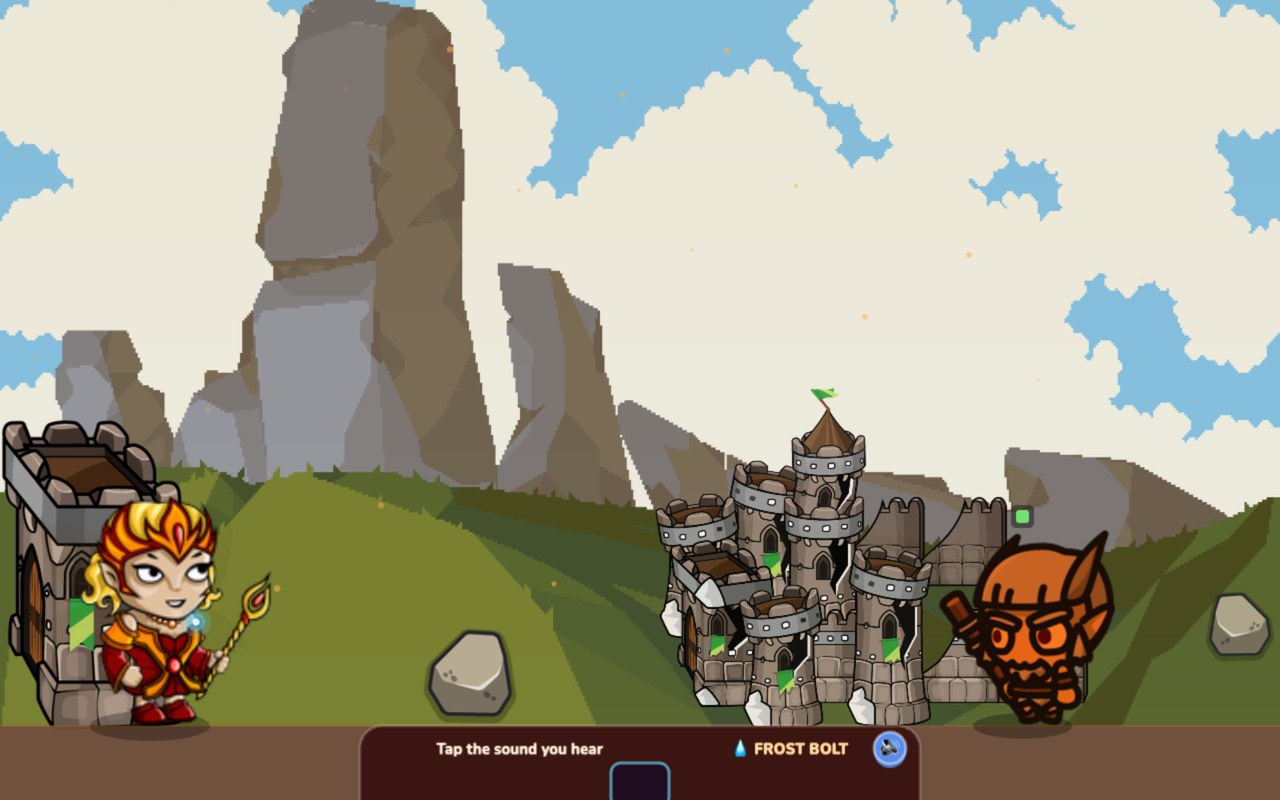
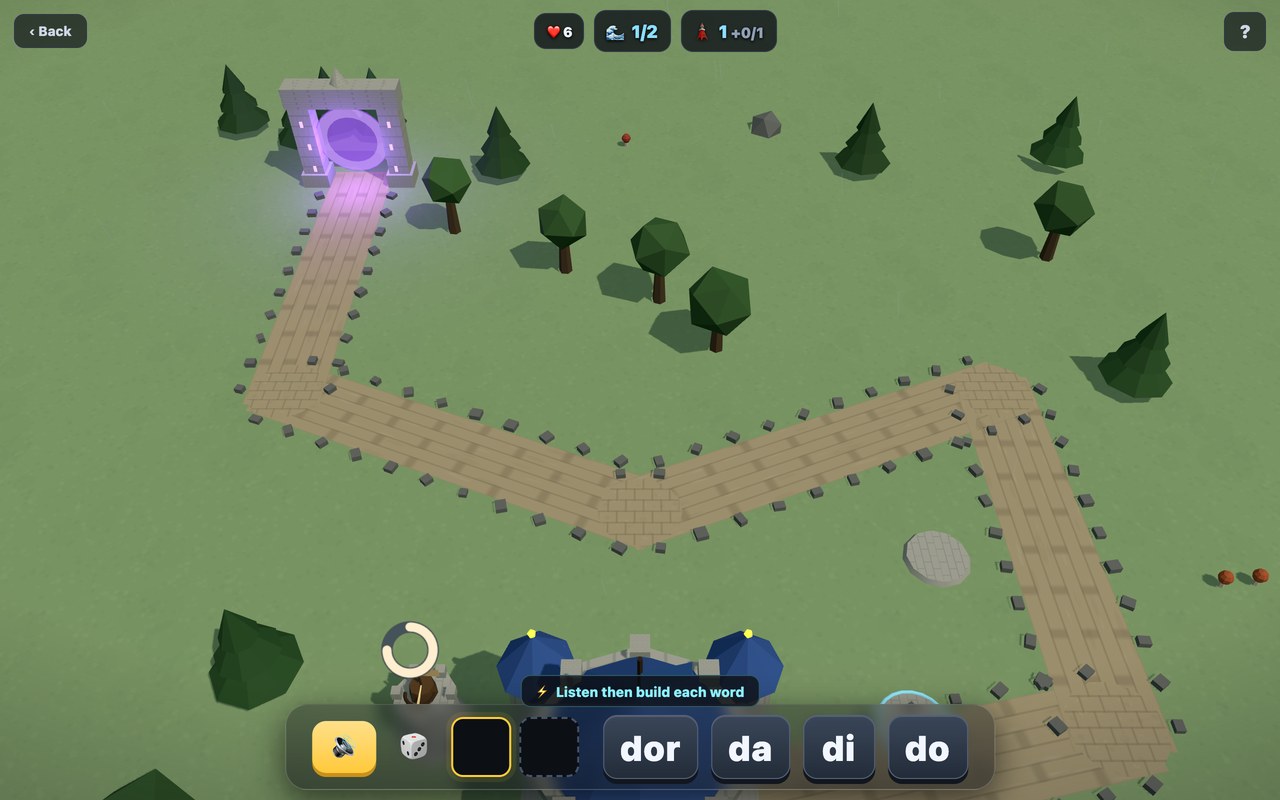
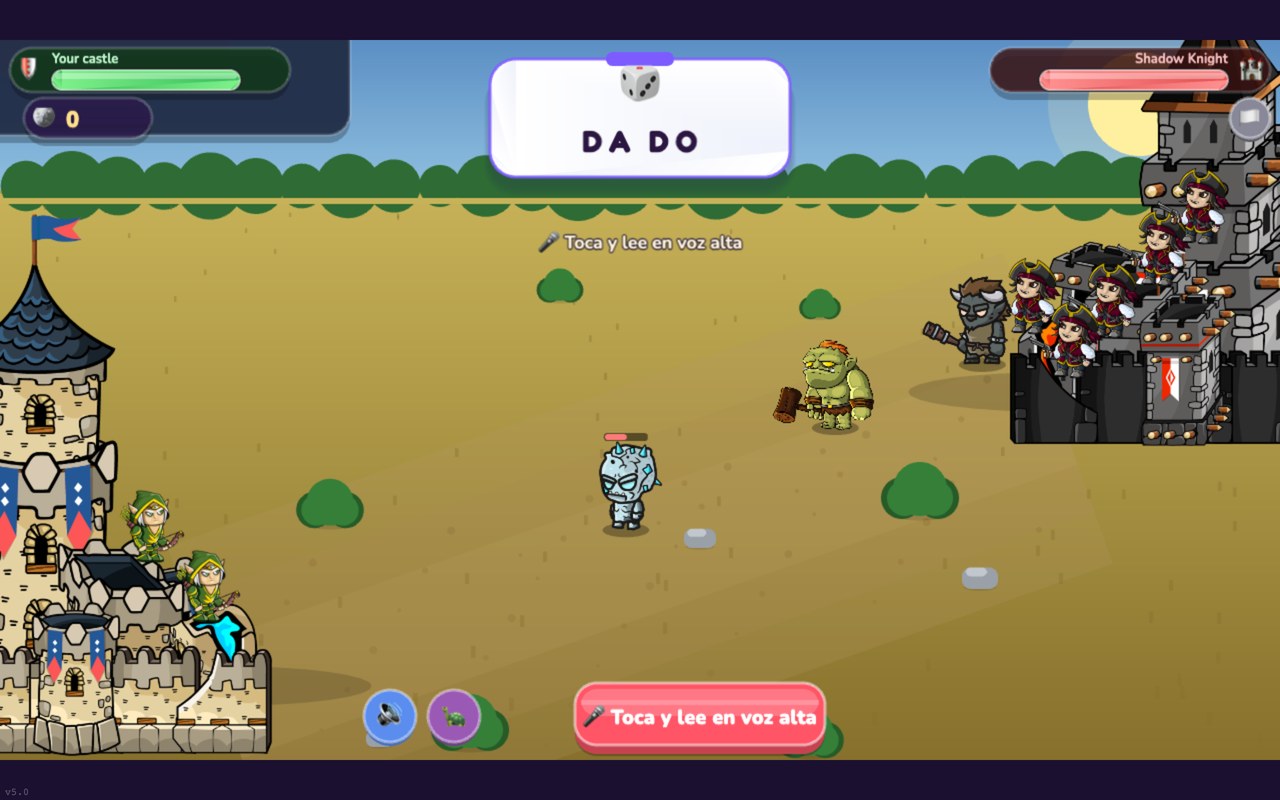
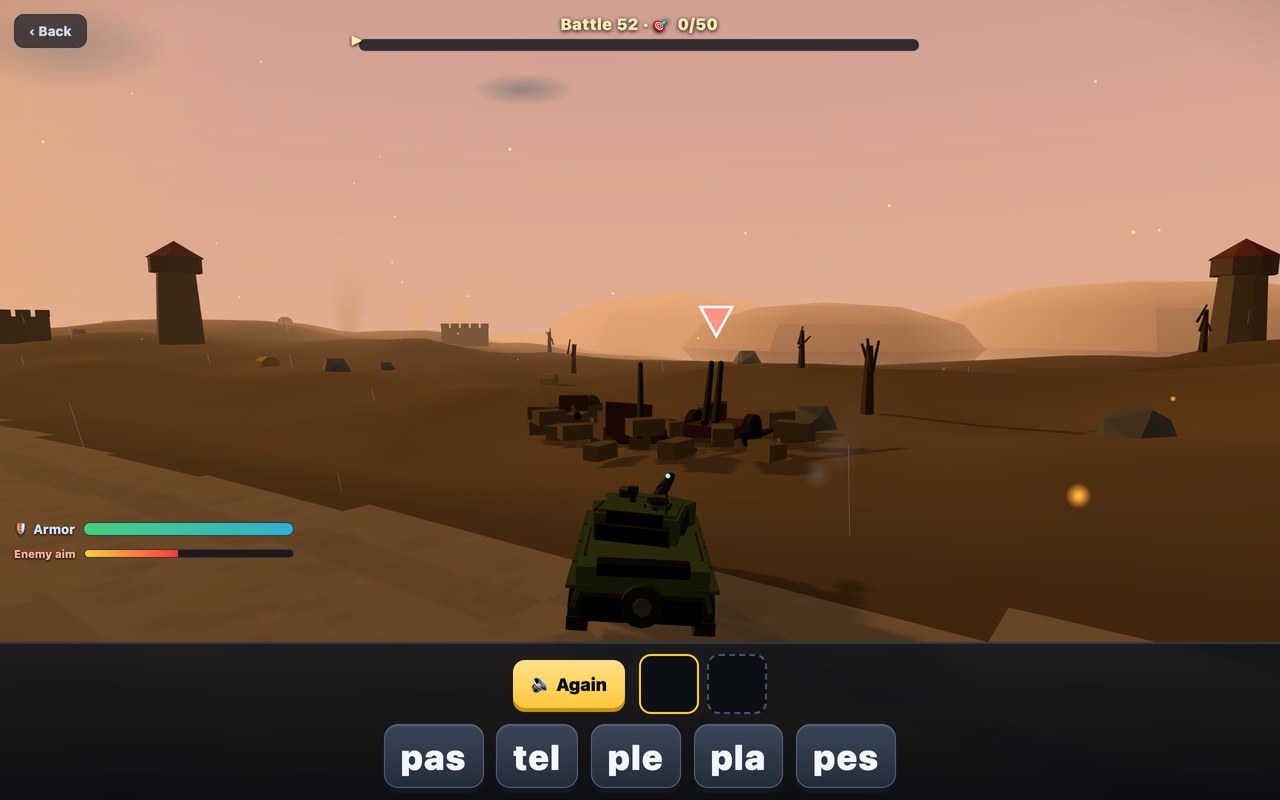
Spanish reading comprehension the real way — by understanding what you read, and then commanding a fleet with it. Fleet Captain is a naval action game where you must read and understand a short written order to command the battle correctly — real reading comprehension, not just recognising words, with every order written in Spanish. Your child reads a short Spanish instruction and acts on it, so reading carefully is how you win the battle.
Comprehension, not just decoding
Spanish is almost perfectly phonetic, so children often decode it quickly — the harder step is understanding a whole sentence. Each naval order is a small comprehension task: find the key word, follow the instruction, infer the next move. Spoken audio backs up every text, so a newer reader can still play.
How to play
A short written order appears (tap 🔊 to hear it) — read it, understand it and act on it: where to sail, which target to pick, when to fire. Follow the text correctly and you win the battle; skim it and you miss.
What your child learns
Builds Spanish reading comprehension: following written instructions, finding the exact detail, and inferring from a text.
The science behind the games
Every Dad4Kids game is built on one simple truth: children want to play, not study — so we turn learning into a game worth replaying. The method draws on peer-reviewed research in game-based learning, motivation, and how memory works.
- Tokac et al. (2019). Effects of game-based learning on students' mathematics achievement: A meta-analysis. Journal of Computer Assisted Learning.
- Alotaibi (2024). Game-based learning in early childhood education: a systematic review and meta-analysis. Frontiers in Psychology.
- Lampropoulos & Sidiropoulos (2024). Impact of gamification on students' learning outcomes and academic performance: a meta-analysis. Education Sciences.
- Taylor & Boyer (2019). Play-based learning: evidence-based research to improve children's learning experiences. Early Childhood Education Journal.
- Gottfried (1990). Academic intrinsic motivation in young elementary school children. Journal of Educational Psychology.
- Yang et al. (2018). Enhancing learning and retrieval of new information: a review of the forward testing effect. npj Science of Learning.
FAQ
What is the best way for a child to learn to read Spanish?
Lots of listening and reading with an immediate purpose beats memorising rules. Because Spanish spelling is so regular, kids decode fast; the win is getting them to read whole sentences for meaning — which is exactly what commanding each battle here requires.
What is the best age to teach a child to read Spanish?
Anywhere from about 7 works well for reading for meaning, though younger children can start with the spoken audio. Spanish’s regular sound-to-letter rules make early reading unusually approachable.
Can my 4 year old learn Spanish this way?
Yes — a younger child can play using the spoken audio and simple orders, picking up words and sounds even before reading fluently. The game gets more text-heavy as they grow.
Does my child need to know Spanish already?
No. Every order is spoken aloud and the game starts simple, so a beginner can follow along and learn as they play.
Is it free to play?
Yes — completely free, no ads, right in the browser on a tablet, phone or computer.
More free games for kids
By Evgeny Arsentiev, PhD · Last updated: September 2026