
STEM & Physics Games for Kids — Free Online
Games
-
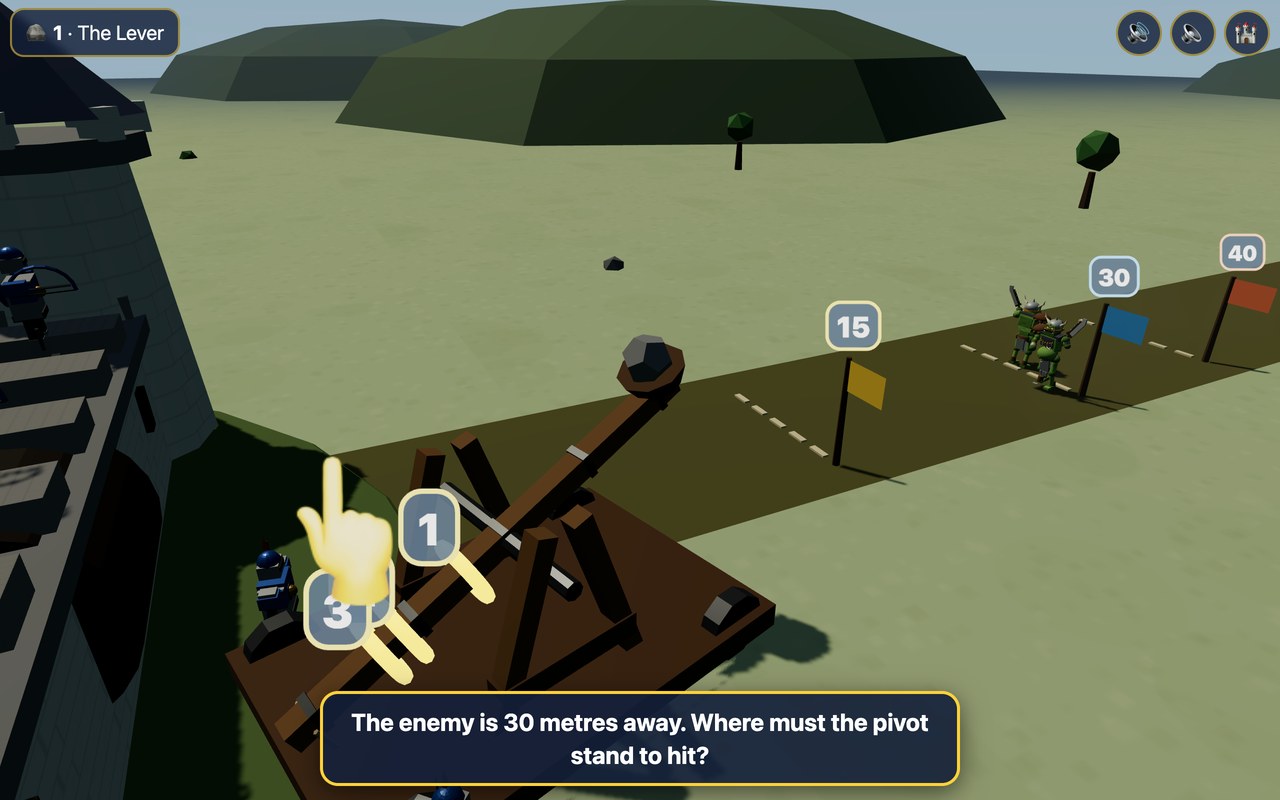 Physics Games for Kids — Free Force Forge 8+
Physics games for kids where real forces decide: use levers, pulleys, gears and center …
-
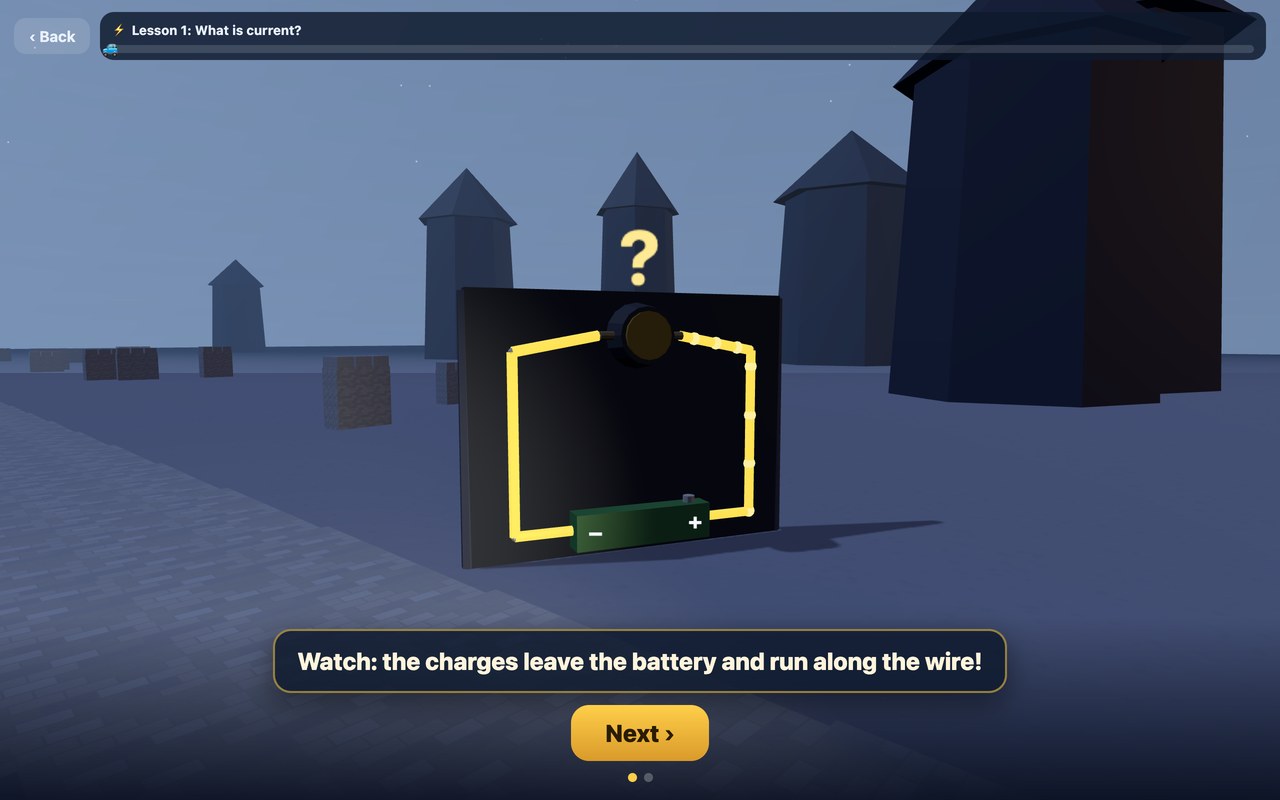 Electric Circuit Games for Kids — Free Circuit Bastion 8+
Electric circuit games for kids: wire real circuits with batteries, switches and resistors to …
-
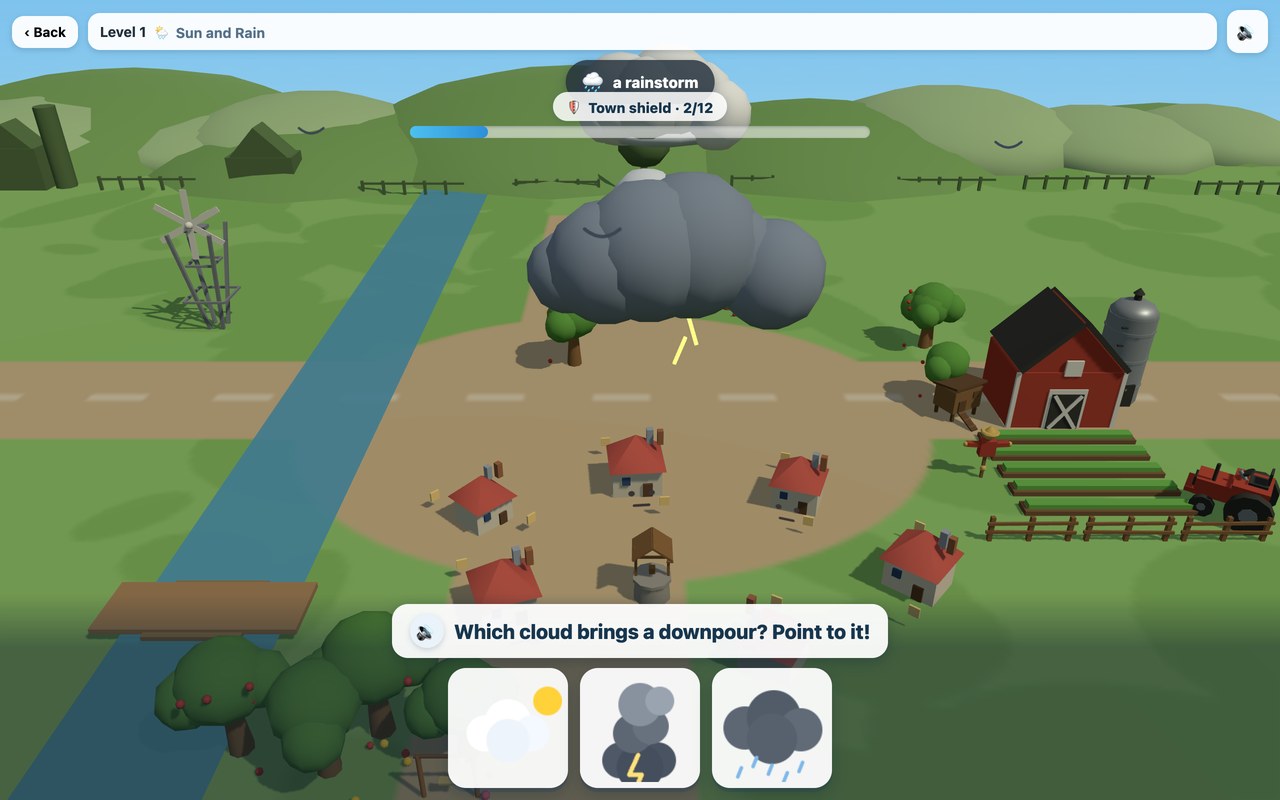 Weather & Water Cycle Game for Kids — Free Storm Command 7+
A water cycle game for kids where science is the shield: forecast the storm, …
-
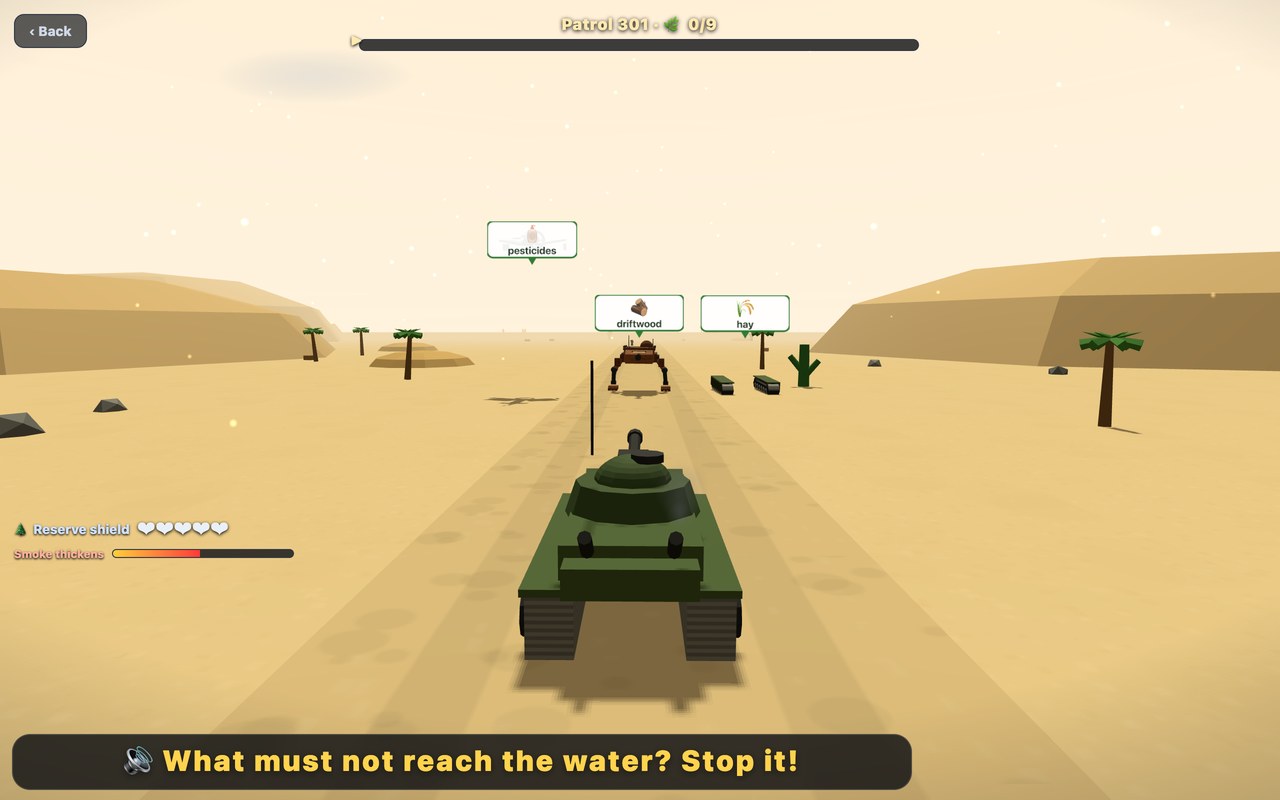 Food Web & Food Chain Game for Kids — Free Eco Defense 7+
A food web game for kids: build the web from producers, consumers and decomposers, …
-
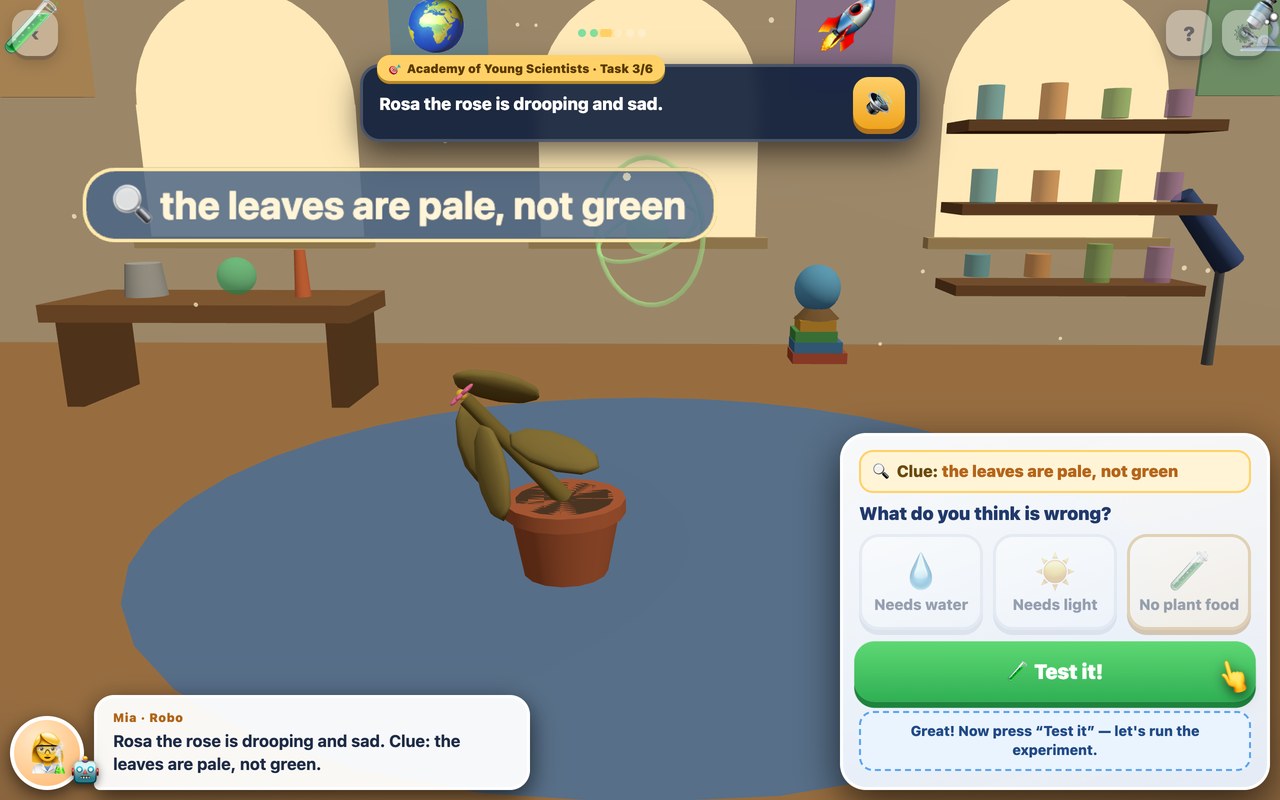 Science Games for Kids — Free Hypothesis Lab 7+
Hypothesis Lab: gentle science games for kids. Make a guess, test it with a …
-
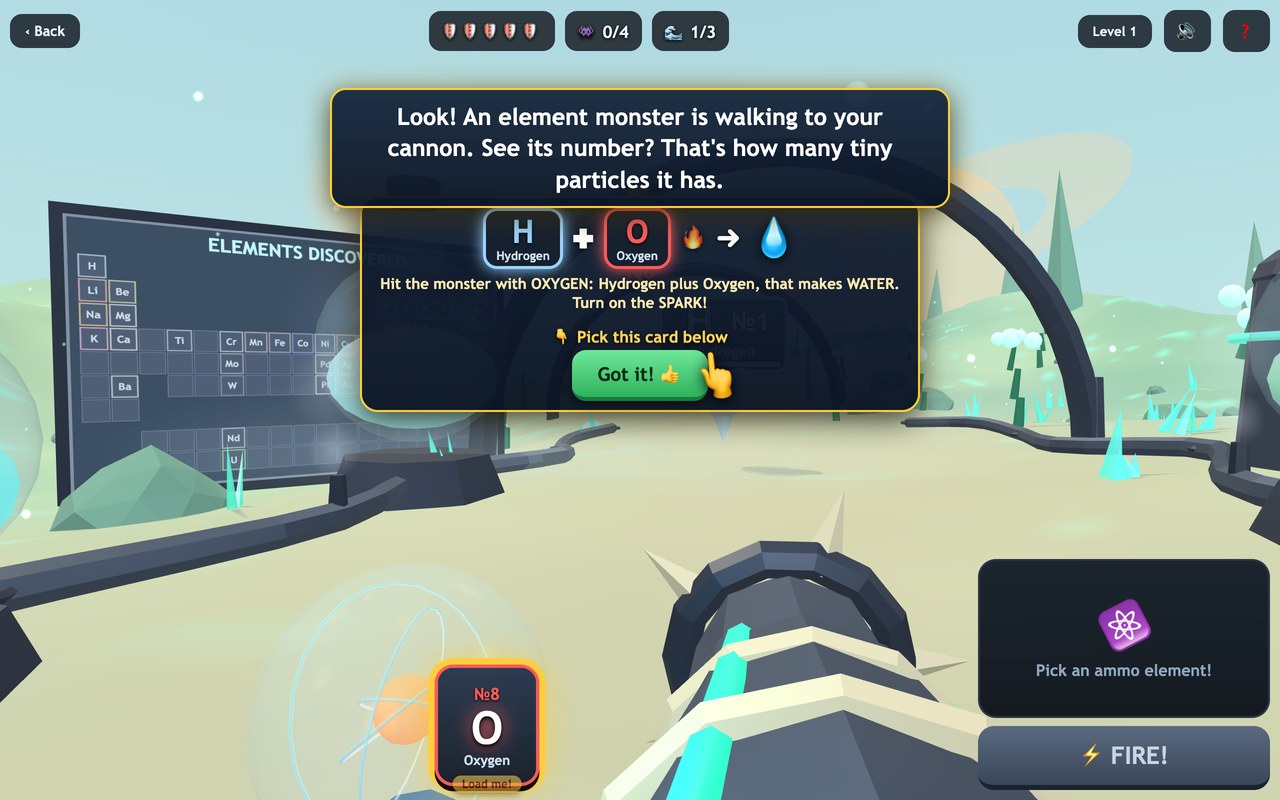 Periodic Table Game for Kids — Free Atom Cannon 8+
A free periodic table game for kids: build real atoms, name elements, and blast …
-
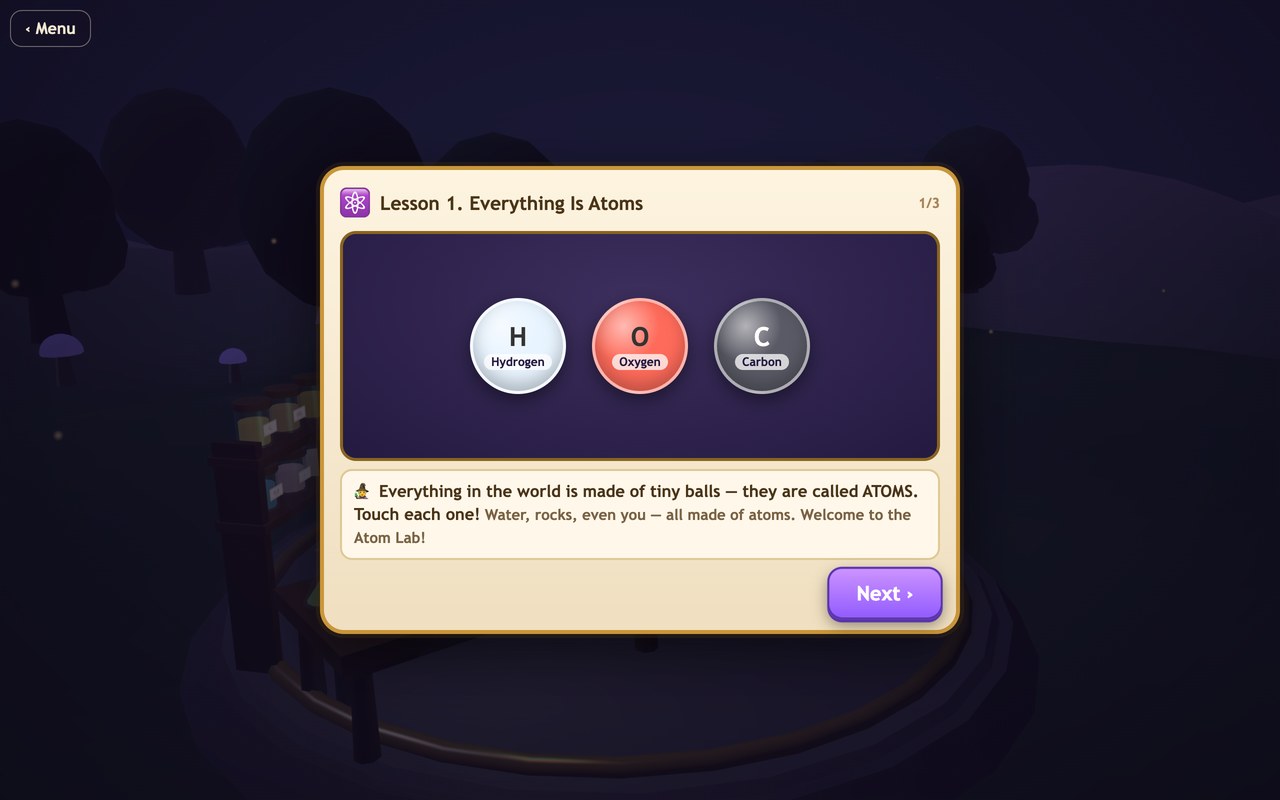 Chemistry for Kids: Atom Lab — Free Online 8+
Chemistry for kids aged 6-10: baking soda and vinegar foam, dissolving salt, rust, melting …
-
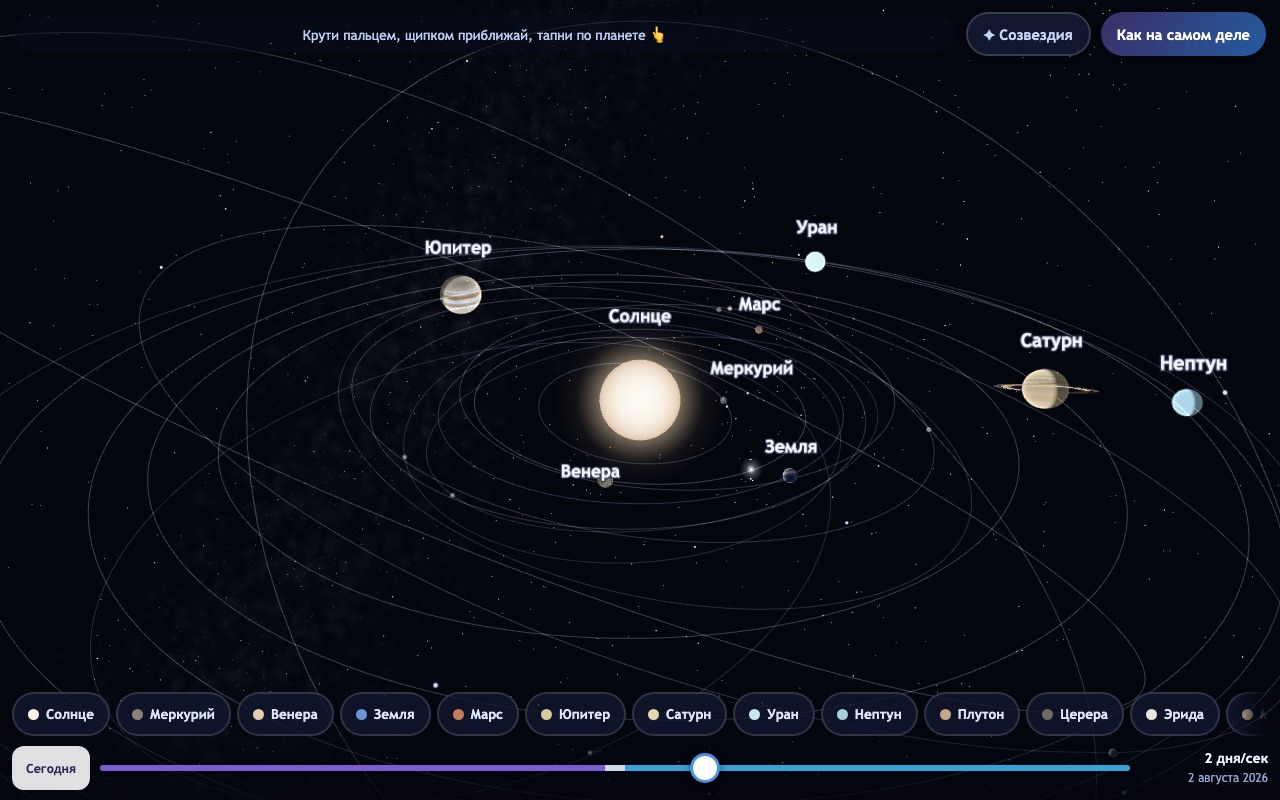 The Planets in Order — Free Interactive 3D Solar System 5+
The eight planets in order from the Sun, their names, moons and sizes — …
-
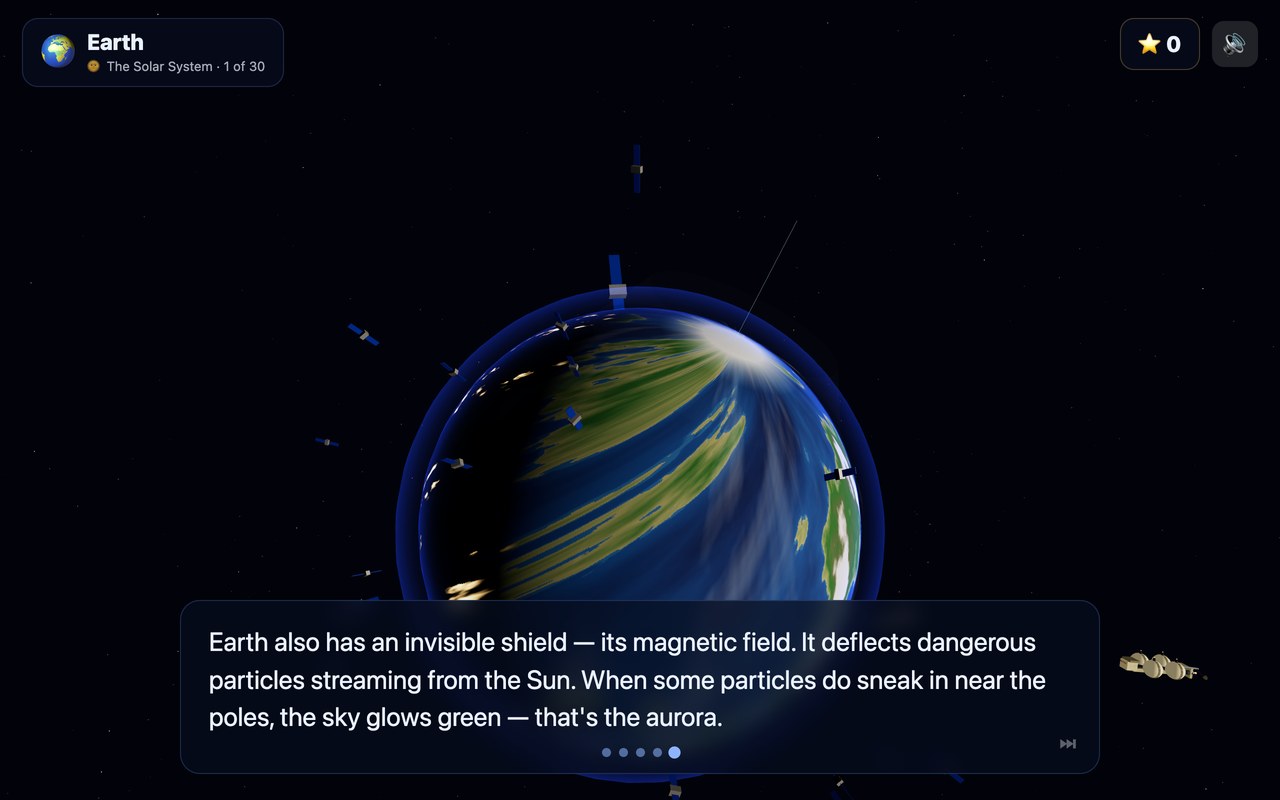 Space Explorer — Free Astronomy Game for Kids 6+
Space games for kids with real astronomy: fly from Earth to the Moon, Mars, …
-
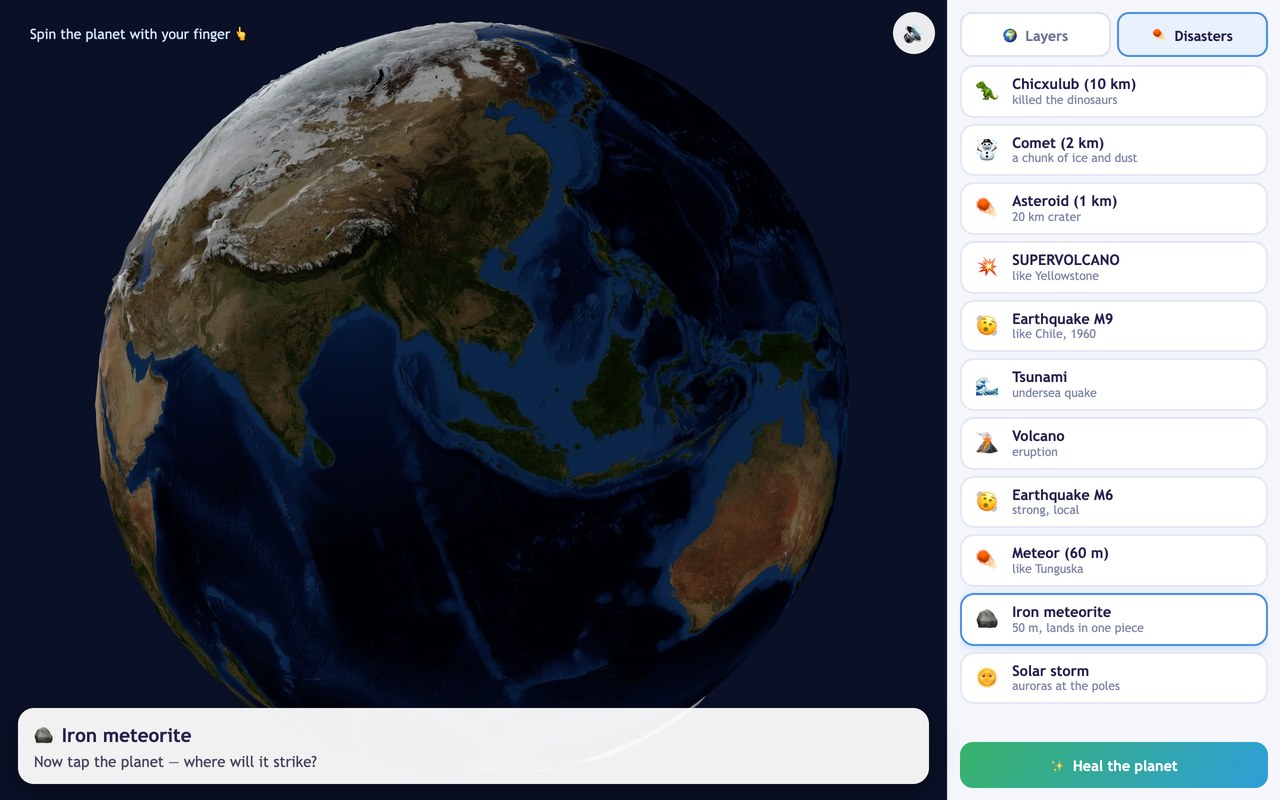 Layers of the Earth — Free Interactive 3D Model 6+
Layers of the earth peeled apart: satellites, atmosphere, clouds, oceans, crust, mantle, outer and …
-
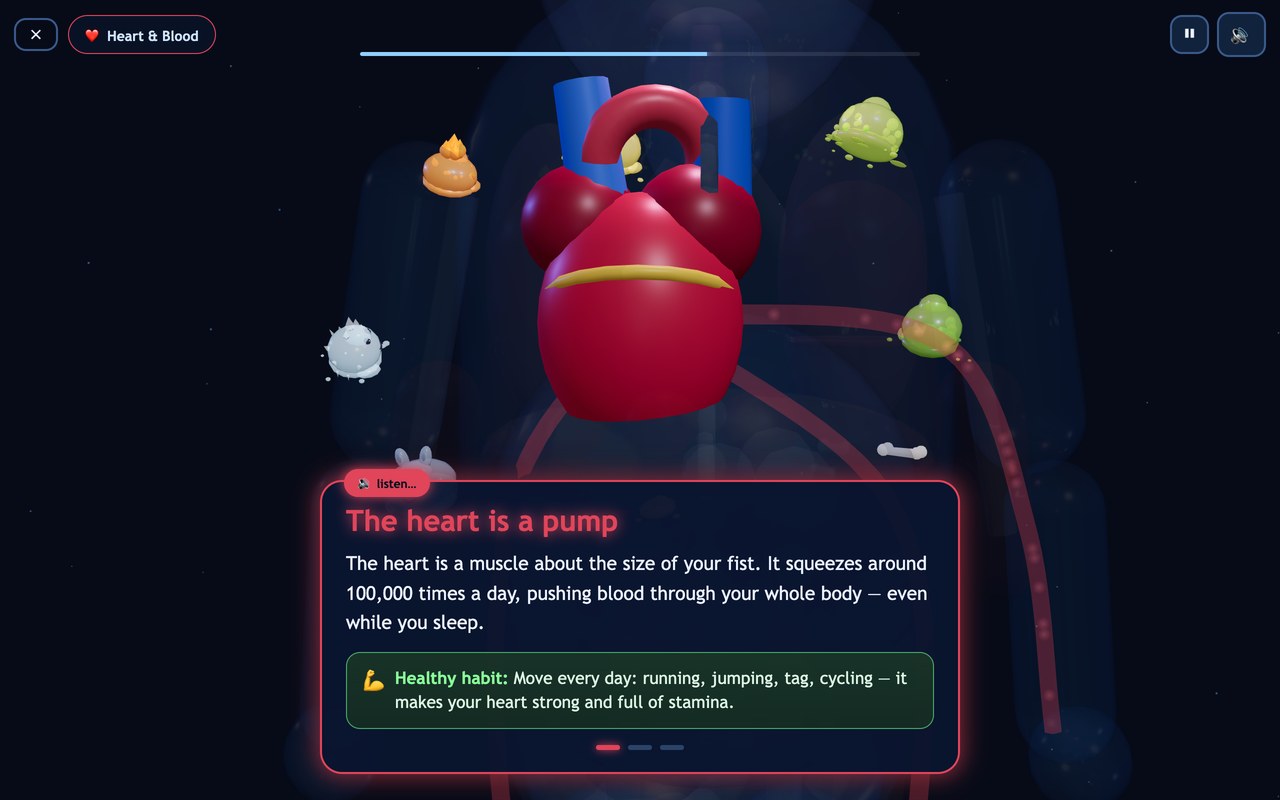 Human Body Systems — Free 3D Tour With Questions 6+
Human body systems in 3D: heart and blood, lungs, digestion, muscles and bones — …
-
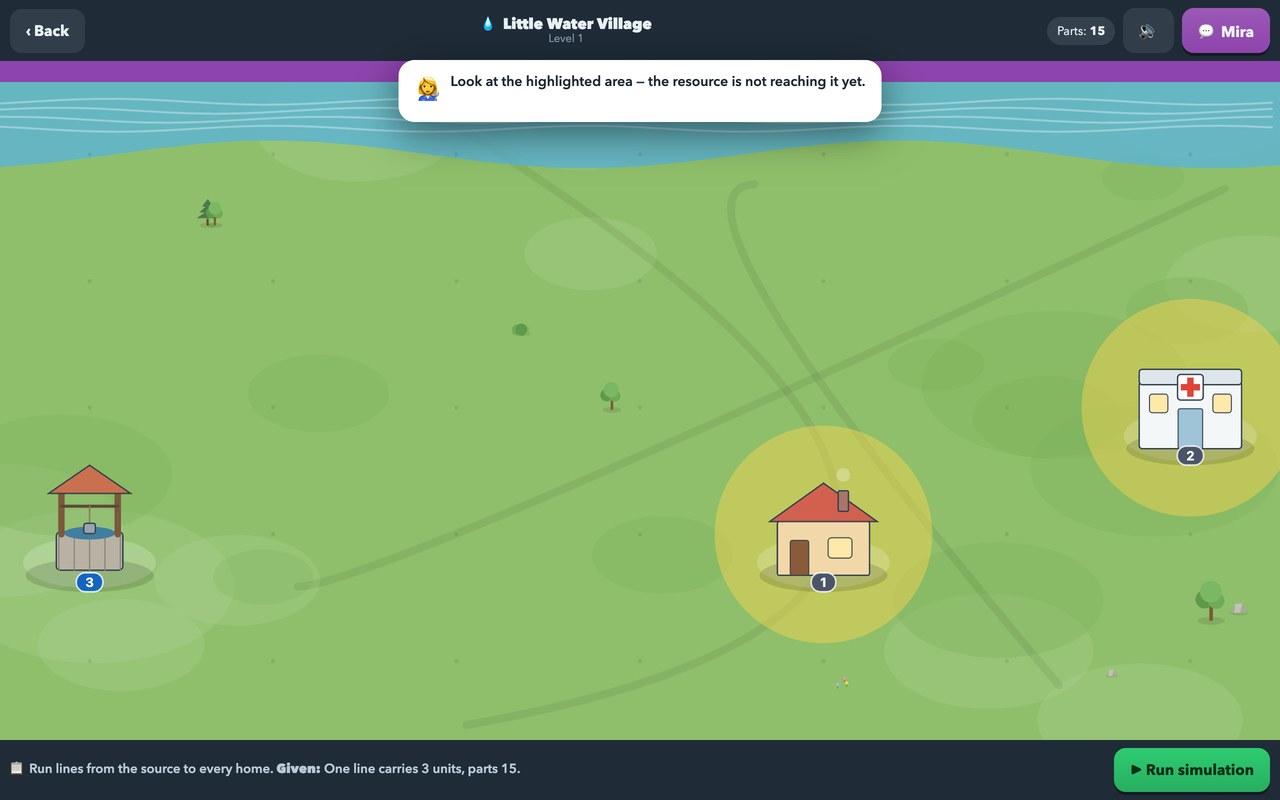 Engineering Games — Free Systems Engineer: Fix the World 7+
Engineering games for kids about real infrastructure — pipes, cables, roads and rail. 100 …
-
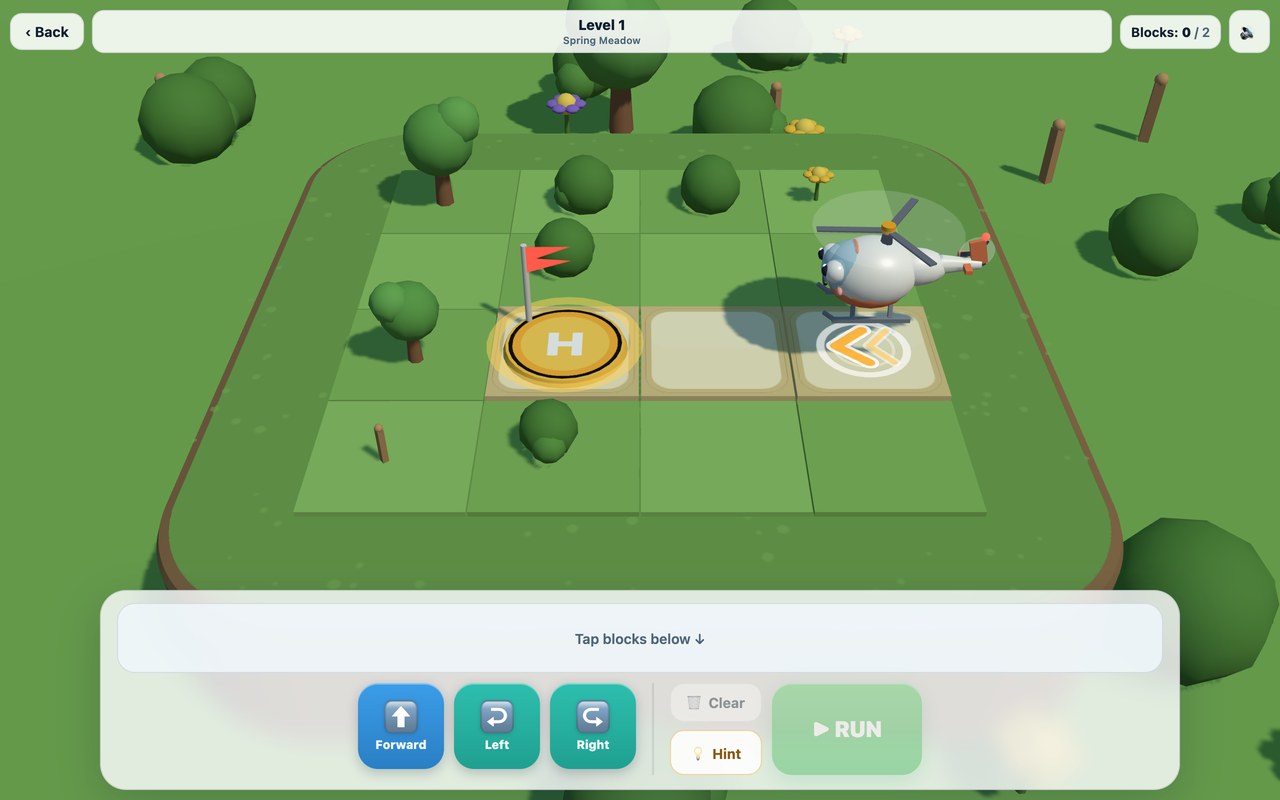 Coding for Kids — Free Block Programming Game 4+
Coding for kids with real block programming: build a sequence, run it, watch it …
-
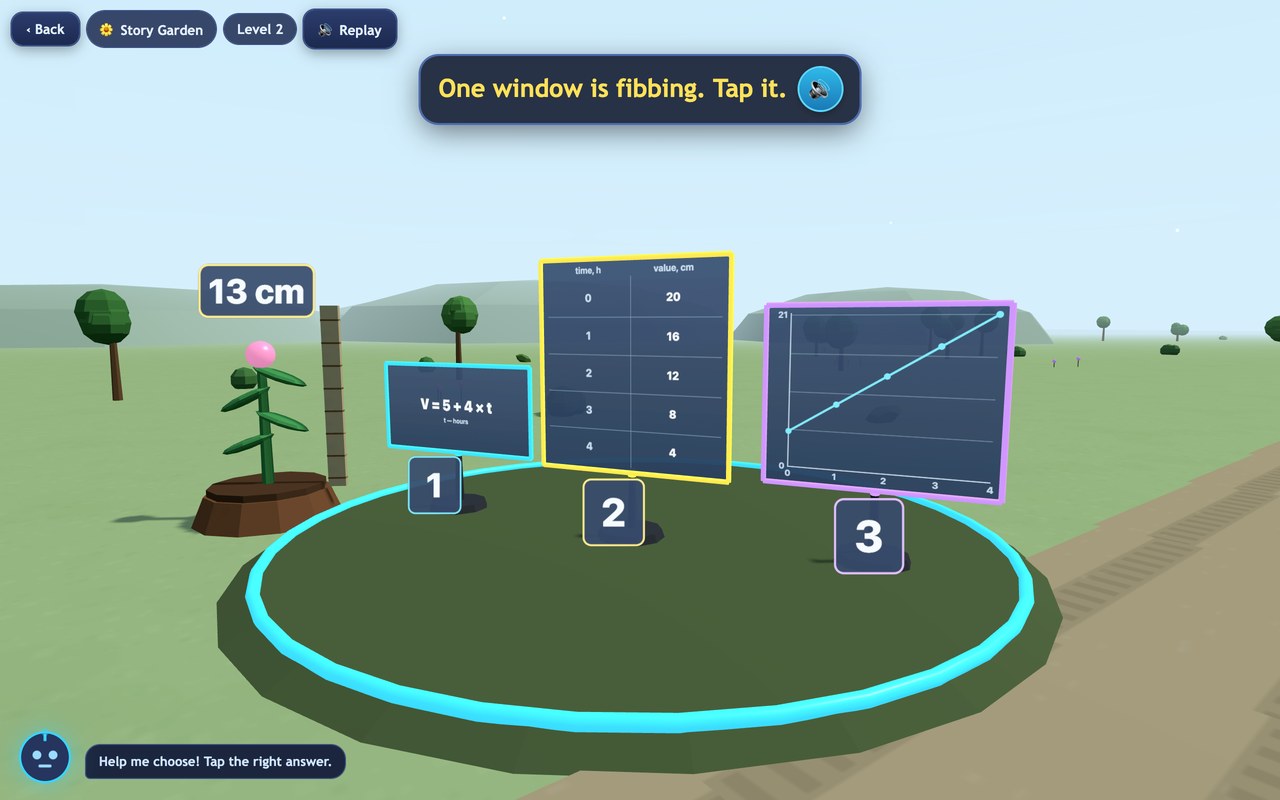 Story, Table & Graph Games — Free Modelverse Lab 8+
Math games for 7th graders that tie one story to a table, a graph …
-
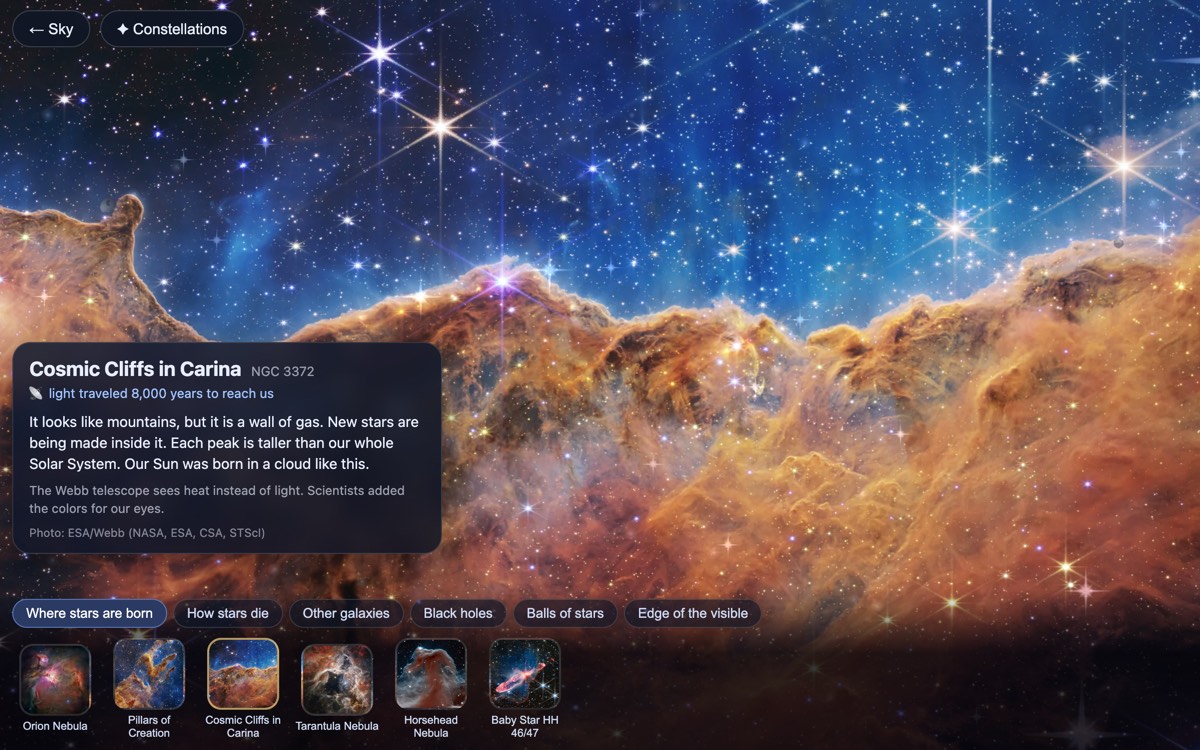 Space Pictures: Fly Into 46 Real Telescope Photos in “Planetarium: Deep Space” 6+
Real space pictures for kids: 46 photos from Hubble, Webb and ESO — nebulas, …
-
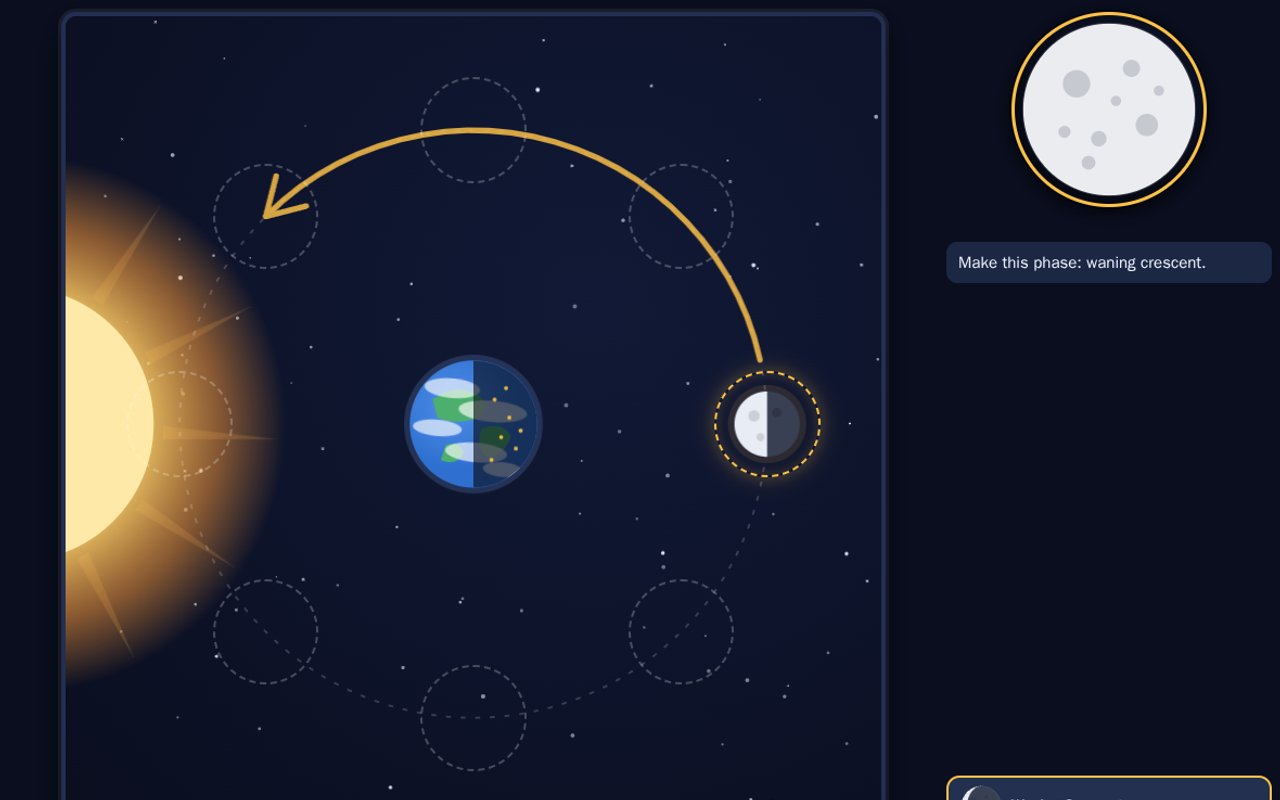 Phases of the Moon — Drag the Moon and See Why It Changes 6+
The phases of the moon game, free online: drag the Moon around its orbit …
Explore
STEM games work because physics is easier to feel than to read about. In the US, physics as a subject waits until high school — but a 7-year-old aiming a catapult is already reasoning about angles, force and trajectories. That head start is exactly what our physics games are built for.
Real physics, no formulas
In The Siege Line, every shot is a physics experiment: set the angle, pick the power, watch the arc. Miss short? More power or a higher arc. Overshoot? The child just discovered projectile motion — years before a textbook names it.
Why start STEM games at 7
Elementary-age kids form intuitions fast. Games that let them predict, test and correct build the exact habit science class rewards later: hypothesis → experiment → revision. Ten minutes of physics play beats an hour of watching.
What kids practice
Angles and trajectories, force and distance, prediction and estimation — the core of early engineering thinking.
Two topic guides to start from: What is matter? — solid, liquid and gas explained and the planets in order. Both answer the question first and then let a child explore it in 3D.
STEM is a habit, not a list of facts
Knowing that water evaporates is general knowledge. Predicting what will happen if you change one thing, trying it, and being willing to be wrong — that is the habit worth building, and it is the one these games are designed around. Almost every game on this page gives the child a control to change and a result to watch, rather than a fact to remember.
Change one thing at a time
The single most useful idea in experimental science is also the easiest to teach at seven: if you change two things and the result changes, you have learned nothing. Several of the games enforce it quietly — the simulation only runs once each variable is set, so the child has to commit to a guess before seeing the outcome, which is the whole of hypothesis testing in miniature.
Where physics stops being abstract
Force, weight, angle and speed are hard to talk about and easy to feel. Firing something over a wall teaches trajectory faster than a diagram; wiring a circuit that refuses to light teaches series and parallel faster than a definition. The games here lean on that: the physics is in the child's hands before it is in their vocabulary.
Chemistry, biology, weather and space
The same approach carries across subjects. A food web that collapses when one species is removed makes dependency obvious; a water cycle you have to keep running makes evaporation and condensation into a loop rather than two words; the solar system at true relative distance is a genuine surprise even to adults.
Which age, and what to expect
Most of this section suits seven and up, with the astronomy and body-tour games working from about five because they are exploratory rather than goal-driven. Expect questions afterwards you cannot answer — that is the intended output, and "let's look it up" is a complete response. Nearby: catapult physics, logic games, all educational games.
The science behind the games
Every Dad4Kids game is built on one simple truth: children want to play, not study — so we turn learning into a game worth replaying. The method draws on peer-reviewed research in game-based learning, motivation, and how memory works.
- Tokac et al. (2019). Effects of game-based learning on students' mathematics achievement: A meta-analysis. Journal of Computer Assisted Learning.
- Alotaibi (2024). Game-based learning in early childhood education: a systematic review and meta-analysis. Frontiers in Psychology.
- Lampropoulos & Sidiropoulos (2024). Impact of gamification on students' learning outcomes and academic performance: a meta-analysis. Education Sciences.
- Taylor & Boyer (2019). Play-based learning: evidence-based research to improve children's learning experiences. Early Childhood Education Journal.
- Gottfried (1990). Academic intrinsic motivation in young elementary school children. Journal of Educational Psychology.
- Yang et al. (2018). Enhancing learning and retrieval of new information: a review of the forward testing effect. npj Science of Learning.
FAQ
What age are physics games for?
From about 7. No formulas or reading-heavy rules — the physics lives in the gameplay itself.
Do kids really learn physics from games?
They build intuitions — how angle and force change a trajectory — which is the foundation school physics formalizes years later.
Is this a STEM activity?
Yes: prediction, experiment and correction are the core loop of STEM learning, and every catapult shot runs that loop once.
Is it free?
Yes — free in the browser, no ads, no downloads.
By Evgeny Arsentiev, PhD · Last updated: September 2026