
Customary Units: Inches, Feet, Cups and Pounds That Finally Make Sense
Games
-
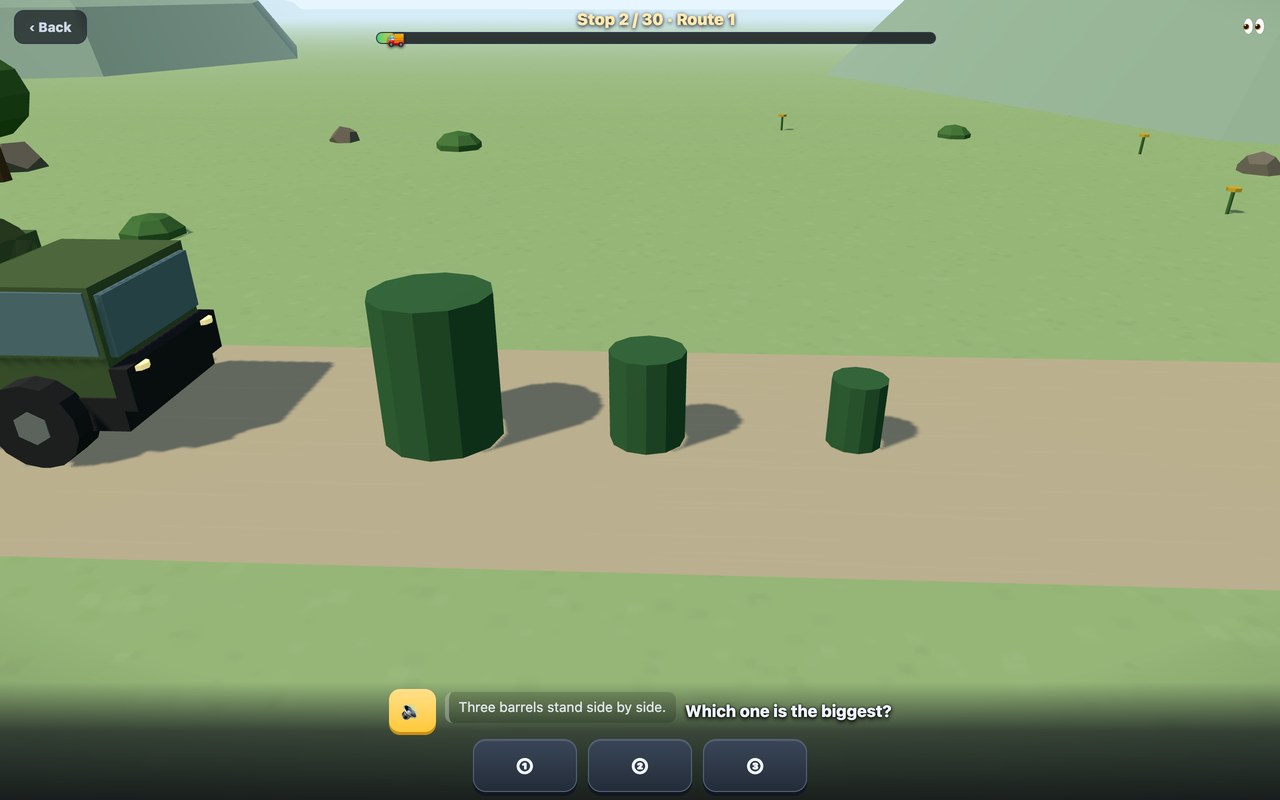 Measuring Length — Free Supply Command Game for Kids 6+
Measuring length on a ruler and a tape measure, then converting cm to m, …
-
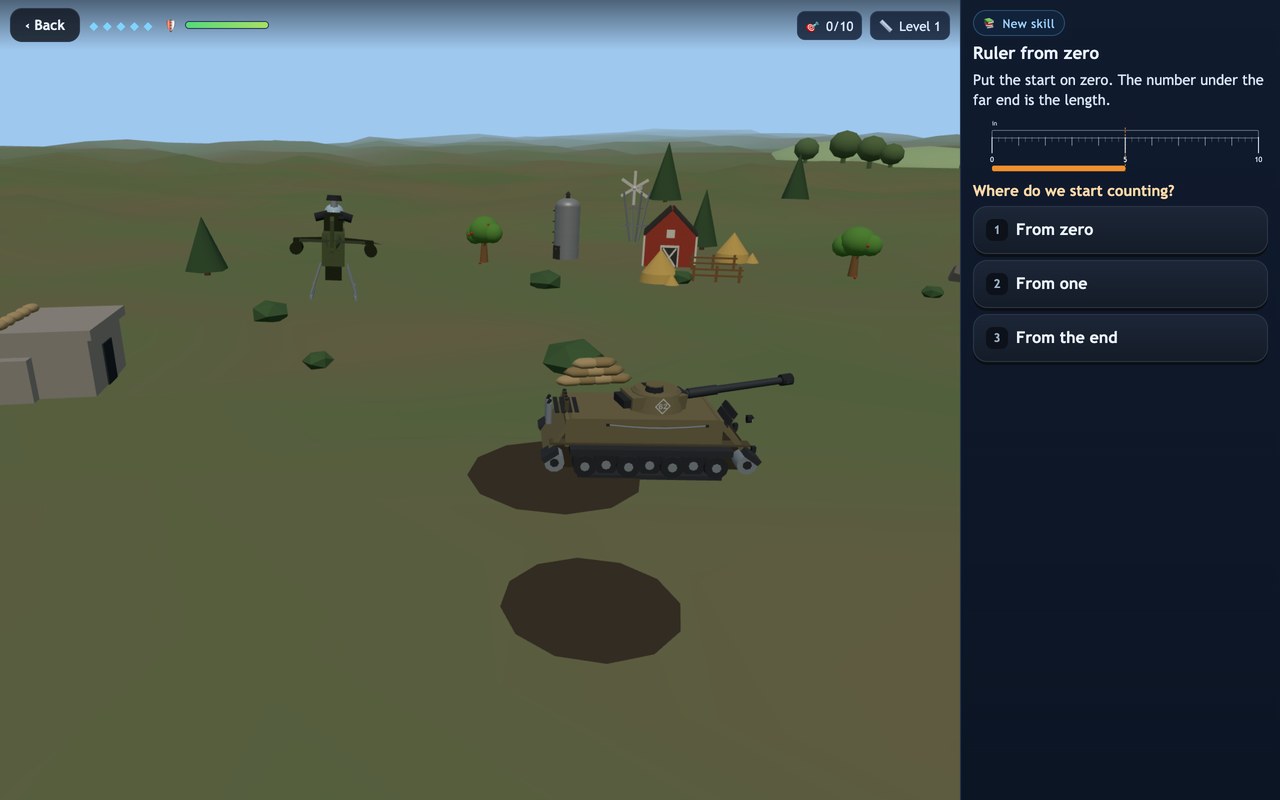 Measurement Games for Kids — Free Rescue Drone 7+
Measurement games for kids: read rulers, scales and thermometers and convert units to fly …
-
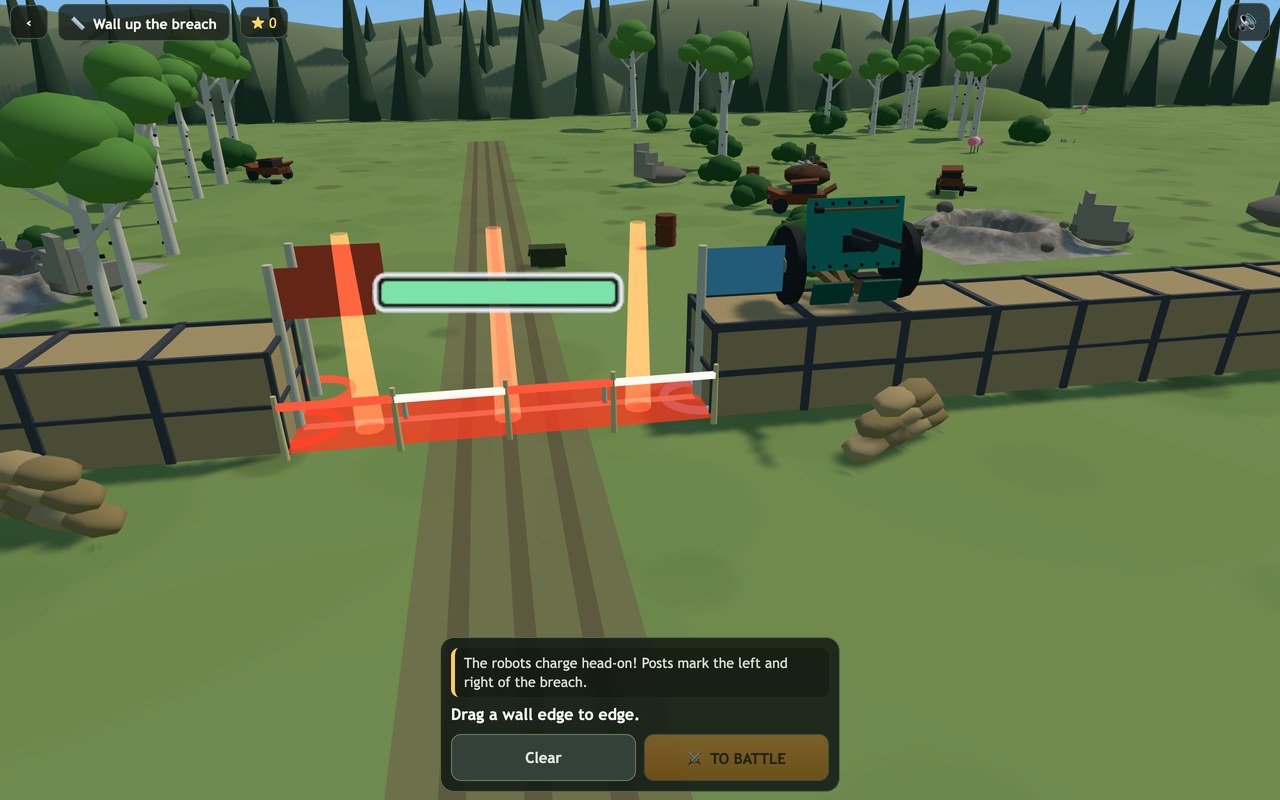 Area and Perimeter — Free Geometry Game for Kids 6+
Area and perimeter on a building grid: fence the yard, floor the warehouse, then …
-
 Speed, Time and Distance Game — Free Base Commander 7+
Speed distance time word problems as a defense mission: track a moving target, predict …
-
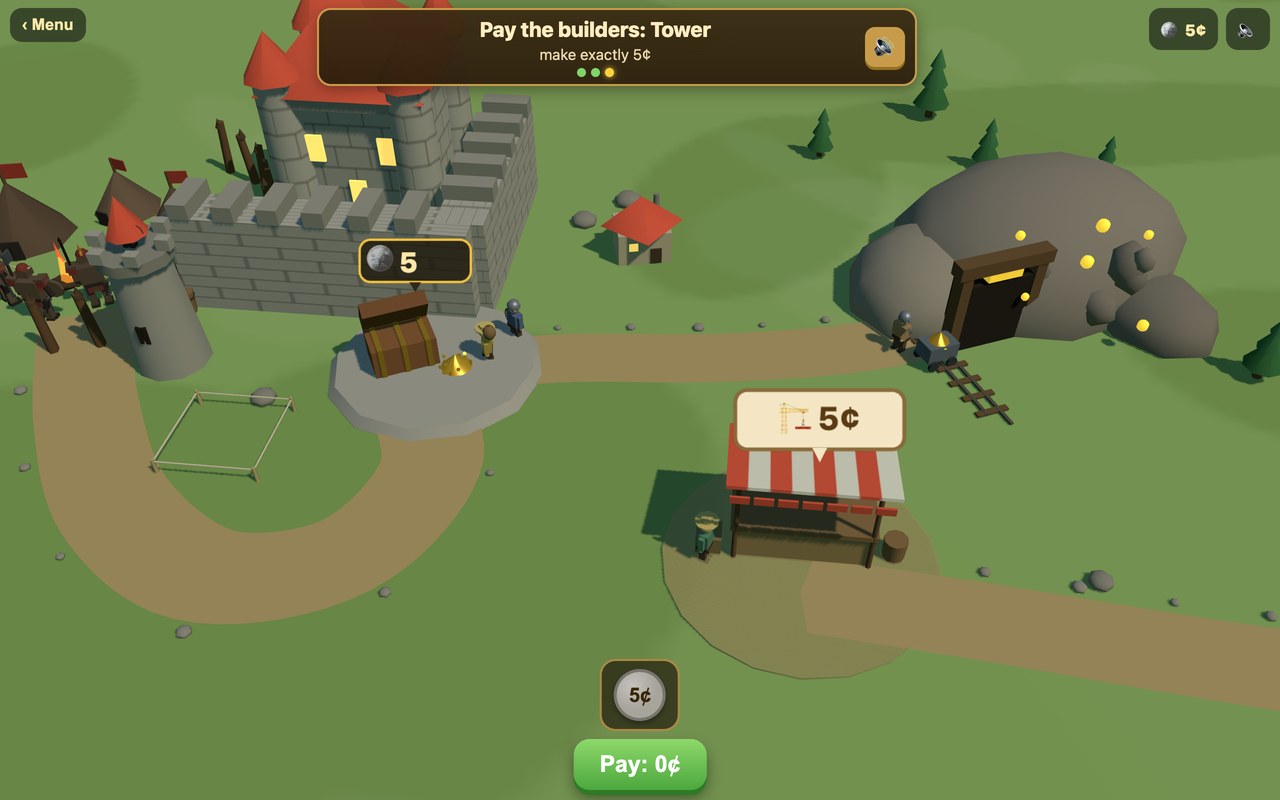 Counting Money — Free Treasury Keep Game for Kids 7+
Counting money in a treasury: add up the coins, compare two prices, make an …
-
 Circumference of a Circle: Formula, Pi and Worked Examples 8+
The circumference of a circle is C = 2πr (or πd). See where pi …
Metric units are easy — everything is a power of ten. US customary units are not, and pretending otherwise is why children guess. Twelve inches in a foot, three feet in a yard, sixteen ounces in a pound, eight ounces in a cup, two cups in a pint, two pints in a quart, four quarts in a gallon. These have to be known, and there is no pattern to lean on.
So attach them to the child's body and kitchen. An inch is the top joint of a thumb. A foot is roughly a school ruler. A yard is one big stride. A pound is a block of butter. A gallon is the big milk jug. Estimation before measurement is not a warm-up, it is the thing that makes a wrong answer visible: a child who thinks the table is 3 inches long has not been careless, they have no mental picture of an inch.
The one rule for converting. Going to a smaller unit, the number gets bigger — 2 feet is 24 inches. Going to a bigger unit, the number gets smaller. Children who check the direction first stop dividing when they should multiply.
Reading a ruler is a fractions lesson hiding in plain sight. The marks between the inches are halves, quarters, eighths, sixteenths — and a child who can read 2 3/8 on a ruler understands fractions better than one who has only shaded circles.
Do the metric side too. Millimetres, centimetres, metres, grams, kilograms, millilitres, litres — all powers of ten, all a matter of moving the decimal point. Meeting both systems side by side makes each one clearer.
Related: types of angles, reading a clock, ratios and proportions and learning games for 4th graders.
The science behind the games
Every Dad4Kids game is built on one simple truth: children want to play, not study — so we turn learning into a game worth replaying. The method draws on peer-reviewed research in game-based learning, motivation, and how memory works.
- Tokac et al. (2019). Effects of game-based learning on students' mathematics achievement: A meta-analysis. Journal of Computer Assisted Learning.
- Alotaibi (2024). Game-based learning in early childhood education: a systematic review and meta-analysis. Frontiers in Psychology.
- Lampropoulos & Sidiropoulos (2024). Impact of gamification on students' learning outcomes and academic performance: a meta-analysis. Education Sciences.
- Taylor & Boyer (2019). Play-based learning: evidence-based research to improve children's learning experiences. Early Childhood Education Journal.
- Gottfried (1990). Academic intrinsic motivation in young elementary school children. Journal of Educational Psychology.
- Yang et al. (2018). Enhancing learning and retrieval of new information: a review of the forward testing effect. npj Science of Learning.
By Evgeny Arsentiev, PhD · Last updated: August 2026