
Games for 3rd Graders: The Times Tables Year
Games
-
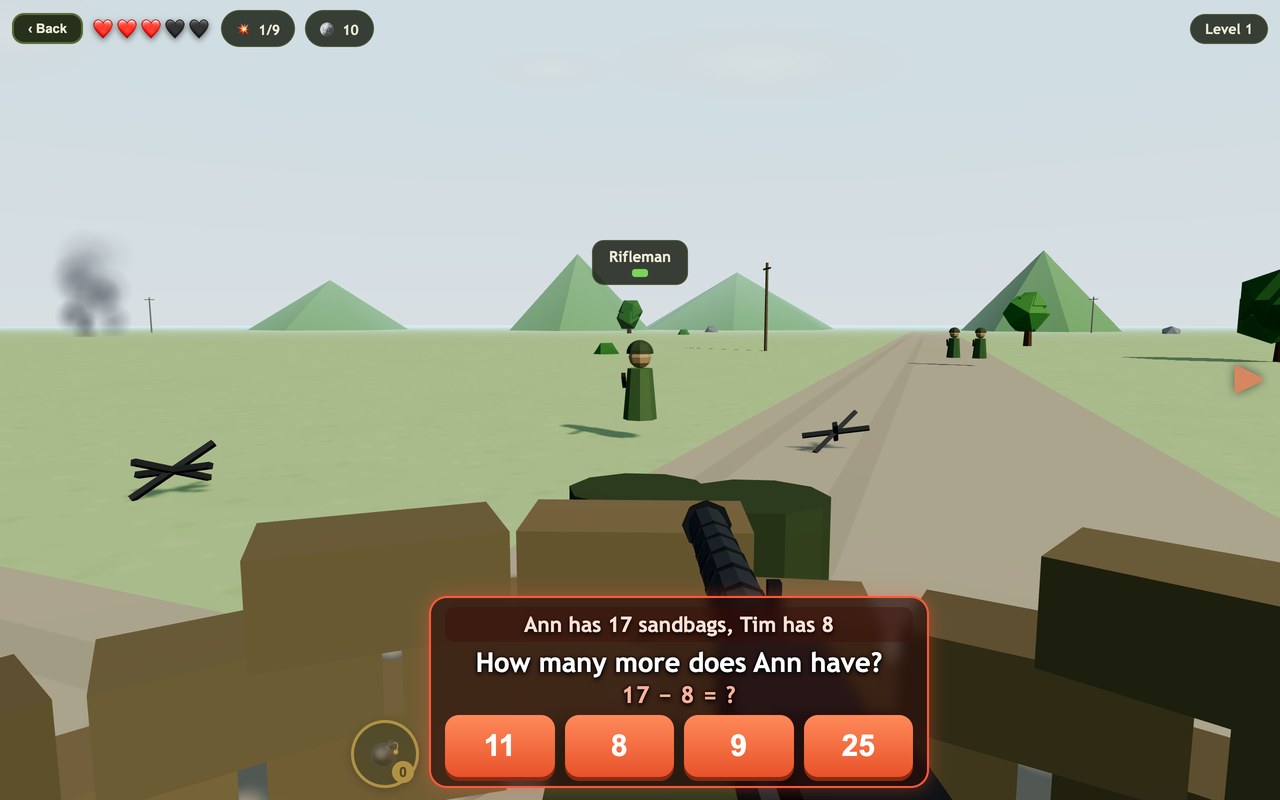 Math Games for 3rd Graders — Free Firing Line 6+
Math games for 3rd graders: short word problems, adding and subtracting past 100, times …
-
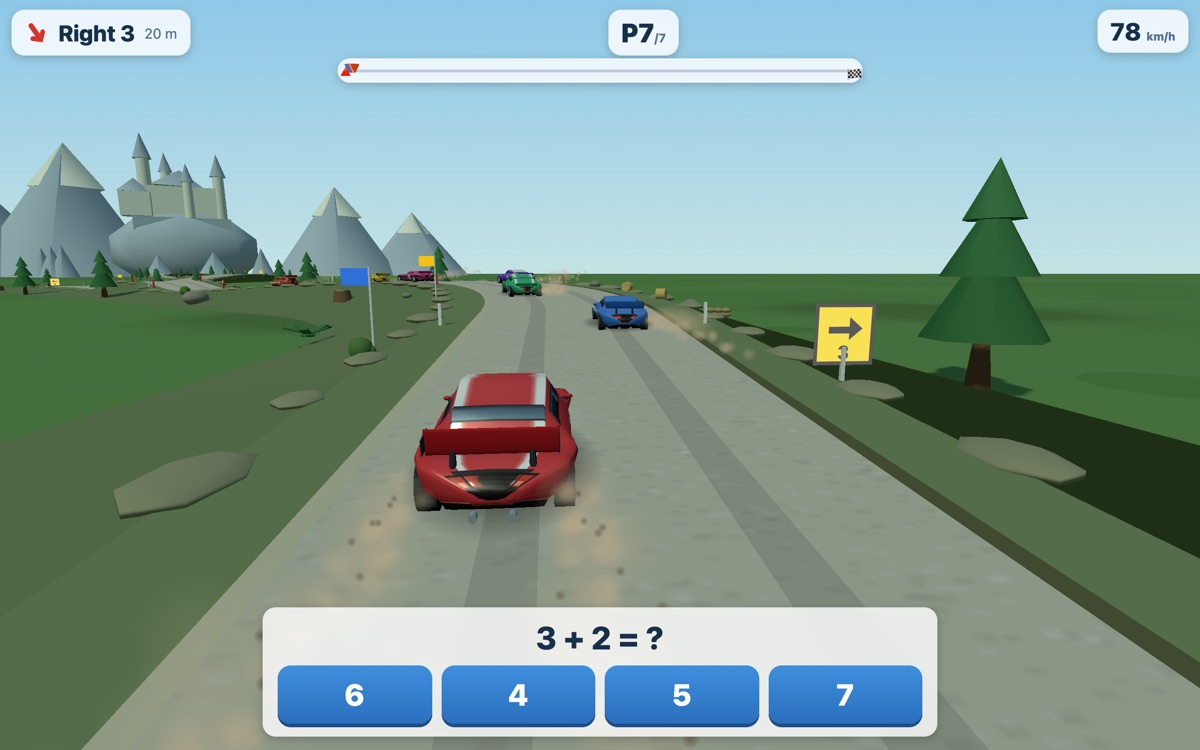 Number Games for Kids: Answer Right and the Car Pulls Away 7+
Number games for kids where solving is the accelerator: answer and your rally car …
-
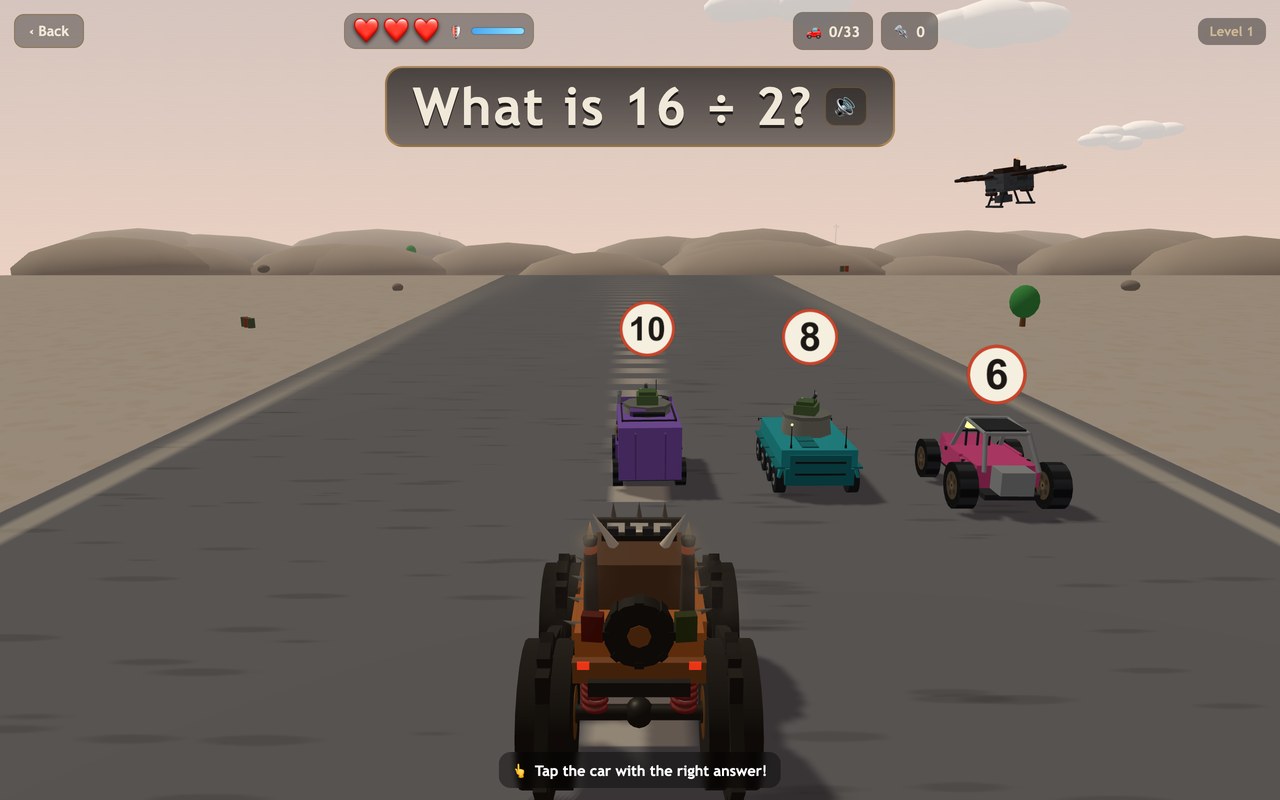 Times Tables Game for Kids — Free Bigfoot Arena 7+
Times tables practice in a demolition derby: crush the car carrying the right answer …
-
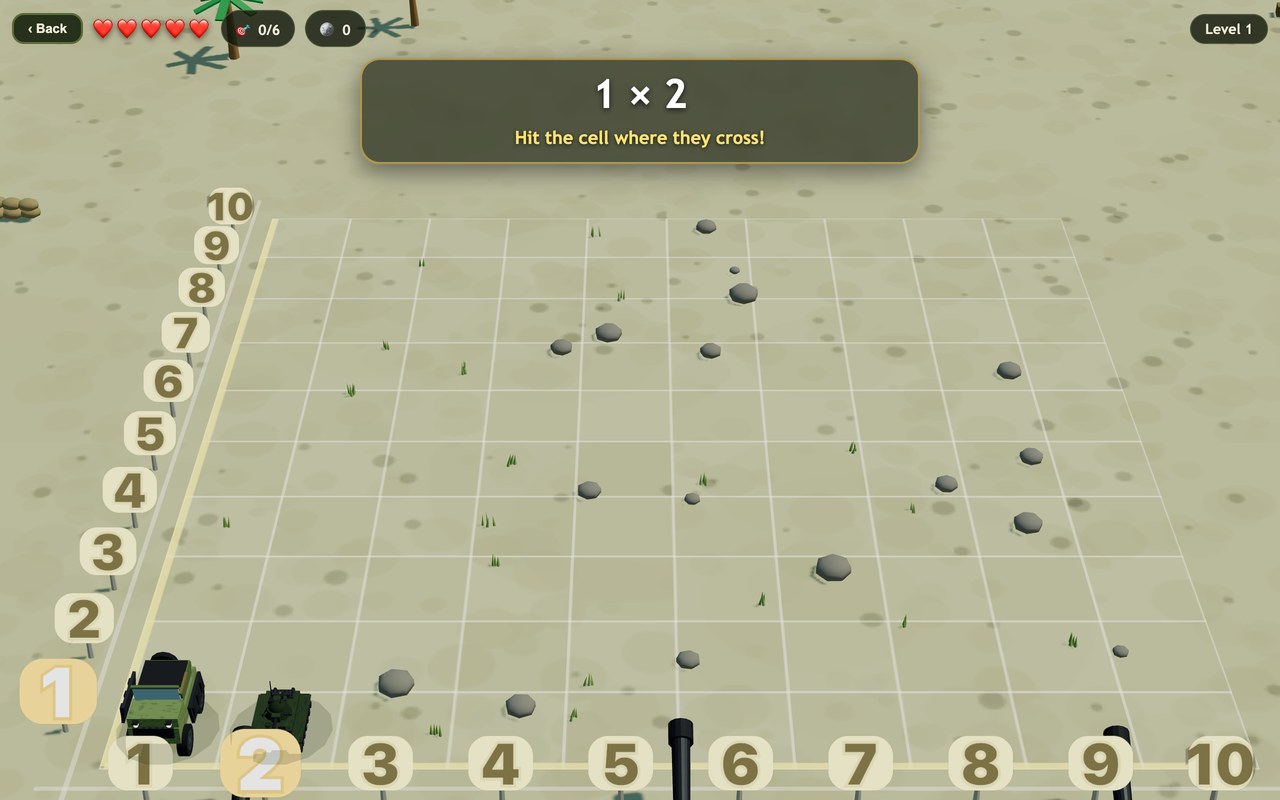 Multiplication Facts — Free True Aim Artillery Game 7+
Practise multiplication facts one row at a time: 2s, 5s and 10s first, then …
-
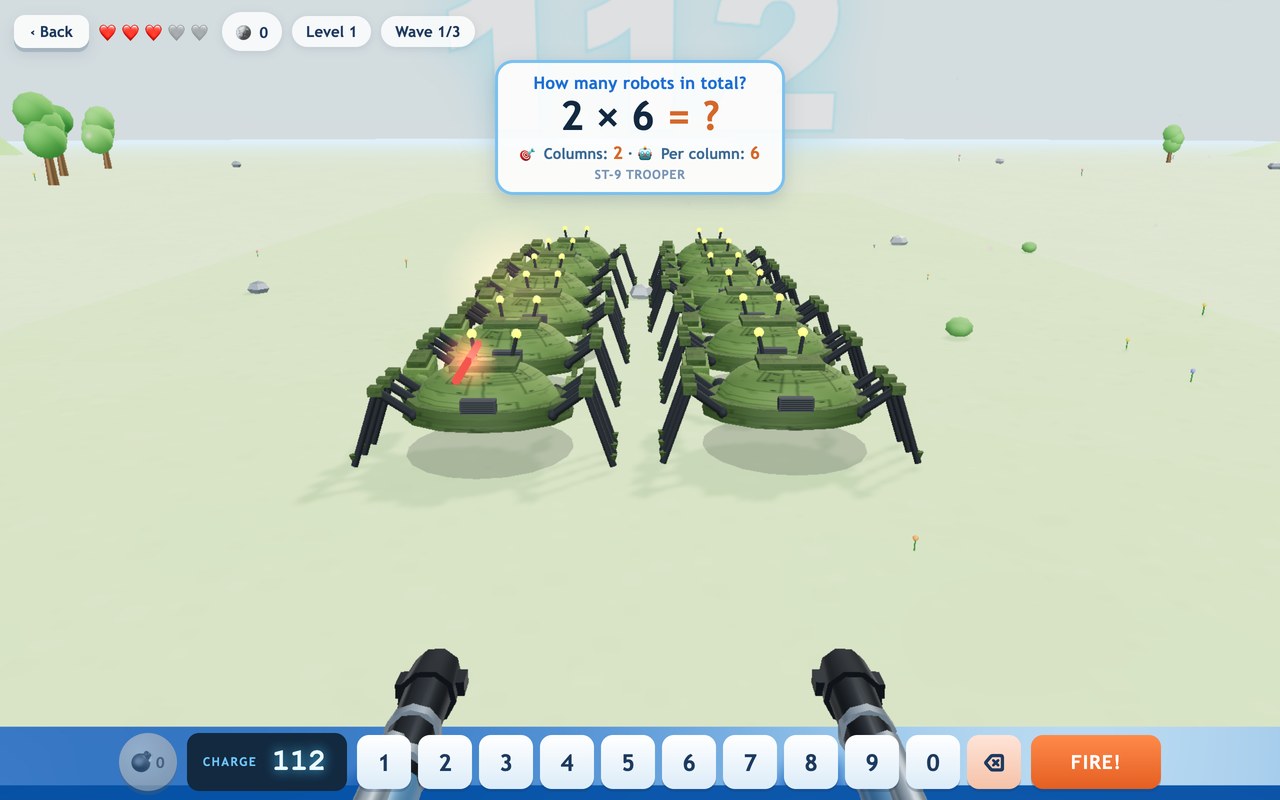 Multiplication Table Game — Free Divide & Conquer 7+
A multiplication table game where the answer is on screen: count the robot formation, …
-
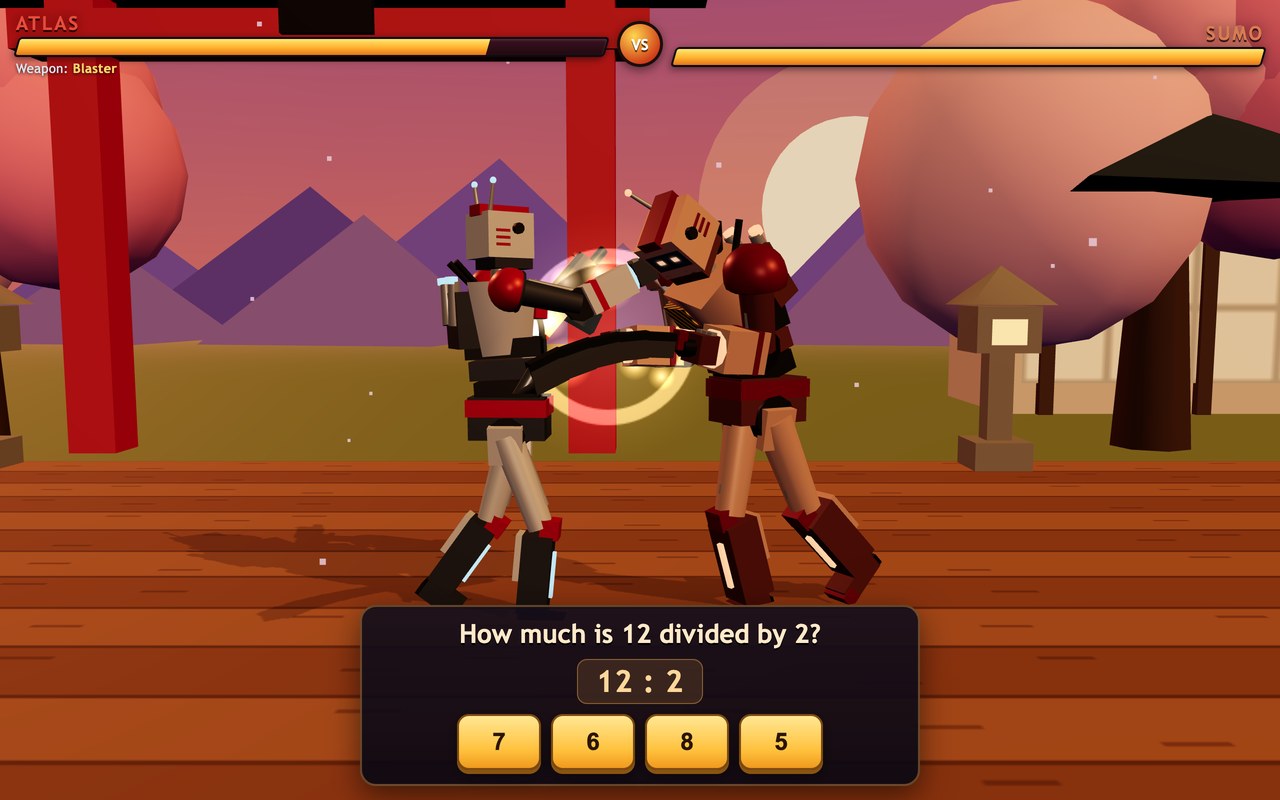 Multiplication and Division Games — Free Robot Brawl 6+
Multiplication and division games as a full-contact brawl: every correct answer lands your robot's …
-
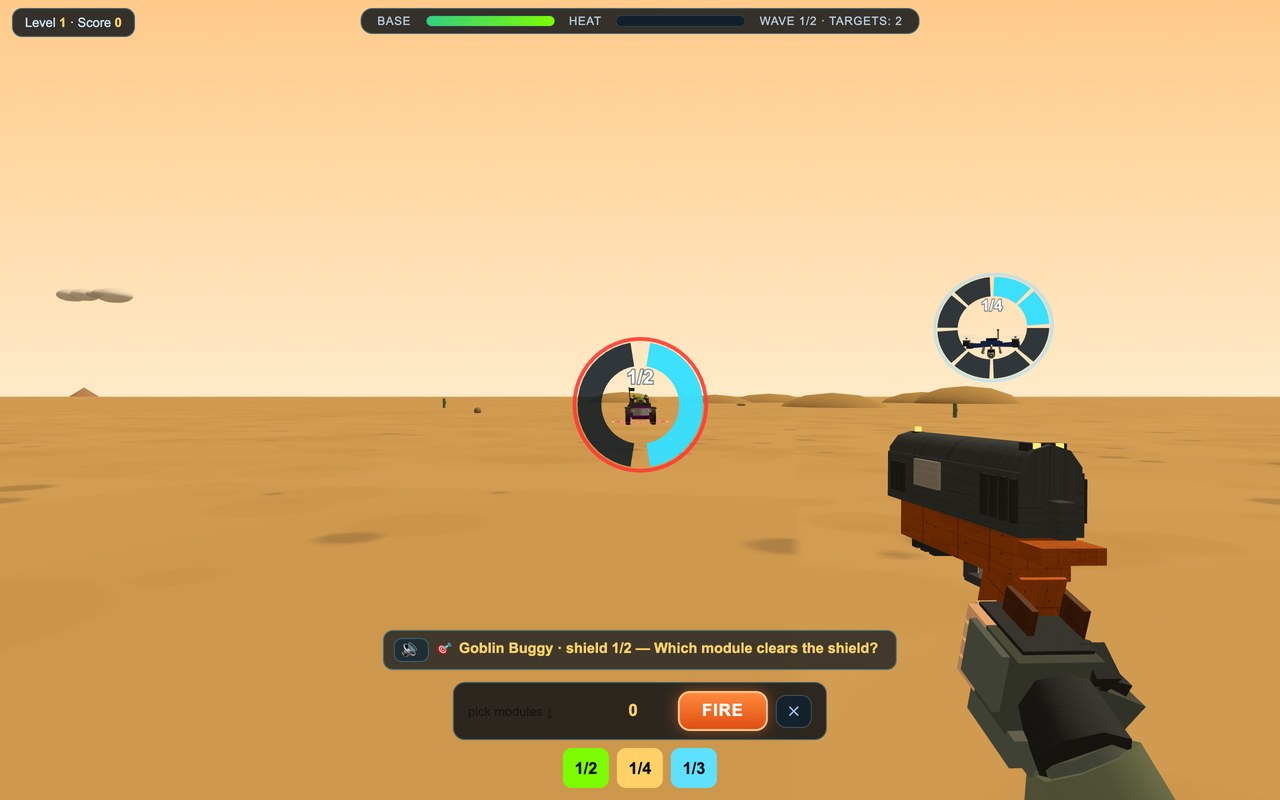 Equivalent Fractions — Free Game With 500 Levels 7+
Equivalent fractions practice: pick the round that matches the shield and fire. 1/2 = …
-
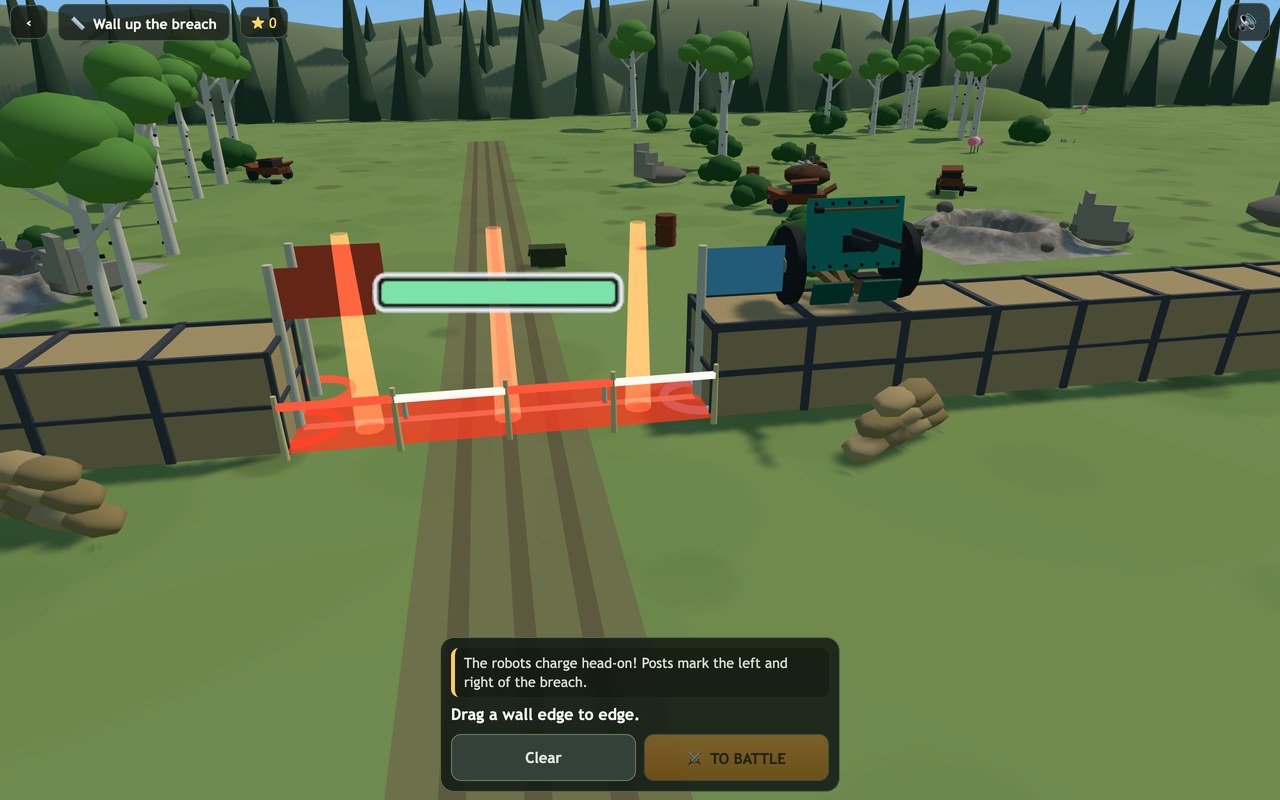 Area and Perimeter — Free Geometry Game for Kids 6+
Area and perimeter on a building grid: fence the yard, floor the warehouse, then …
-
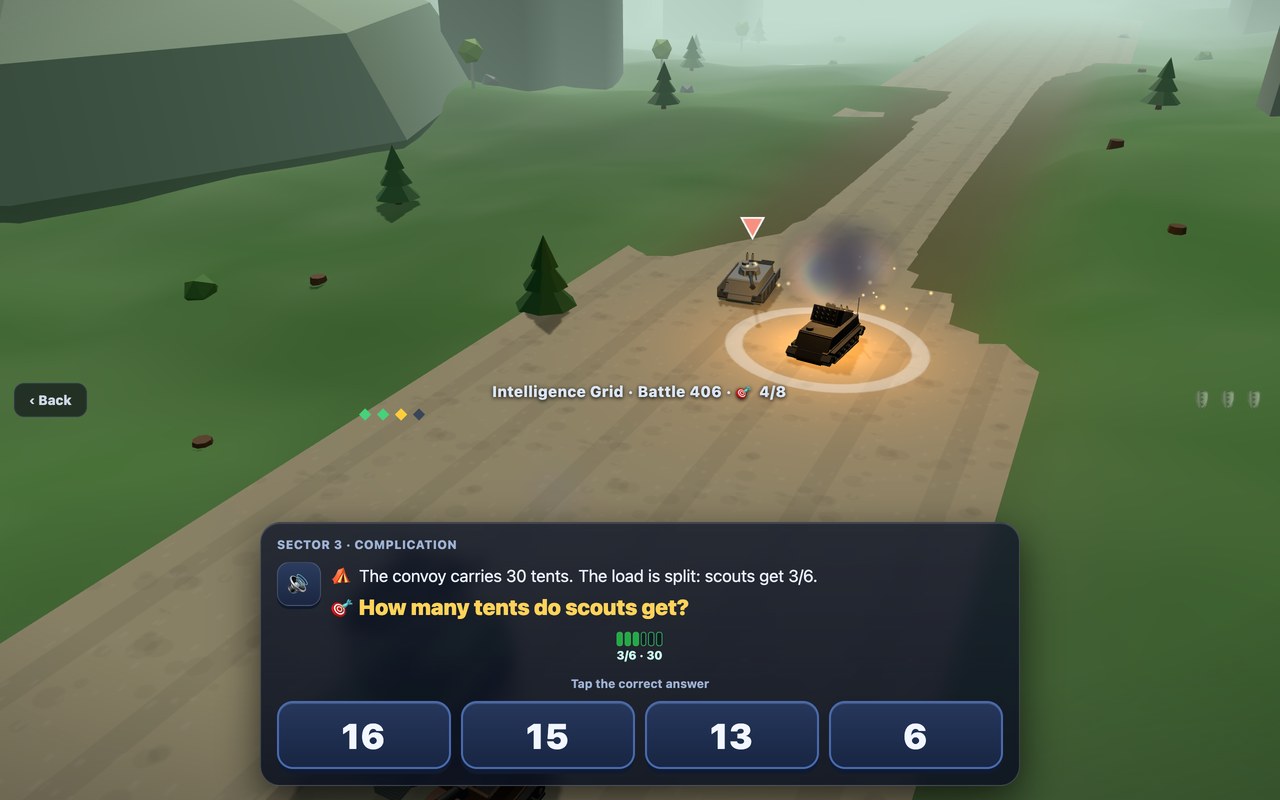 Math Word Problems for Kids — Convoy Frontline 7+
Math word problems for kids turned into a convoy fight: read the story, build …
-
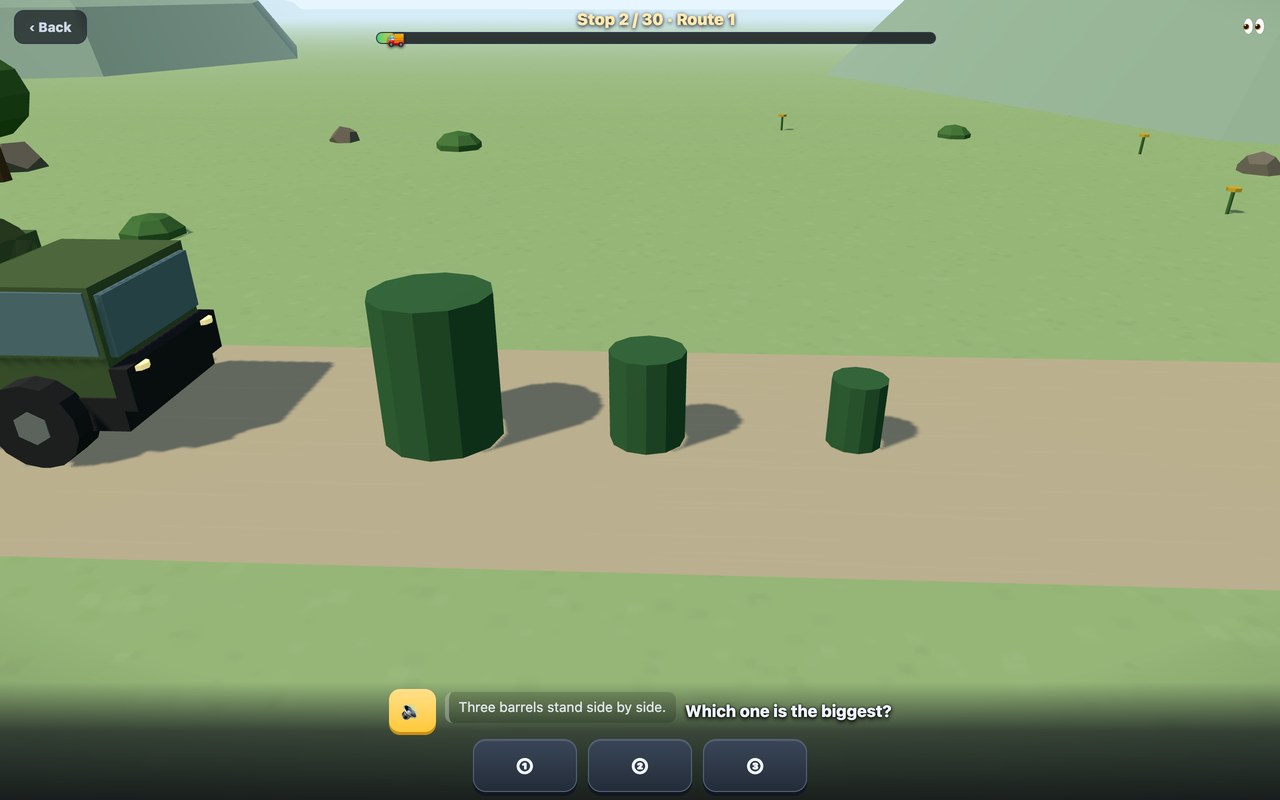 Measuring Length — Free Supply Command Game for Kids 6+
Measuring length on a ruler and a tape measure, then converting cm to m, …
-
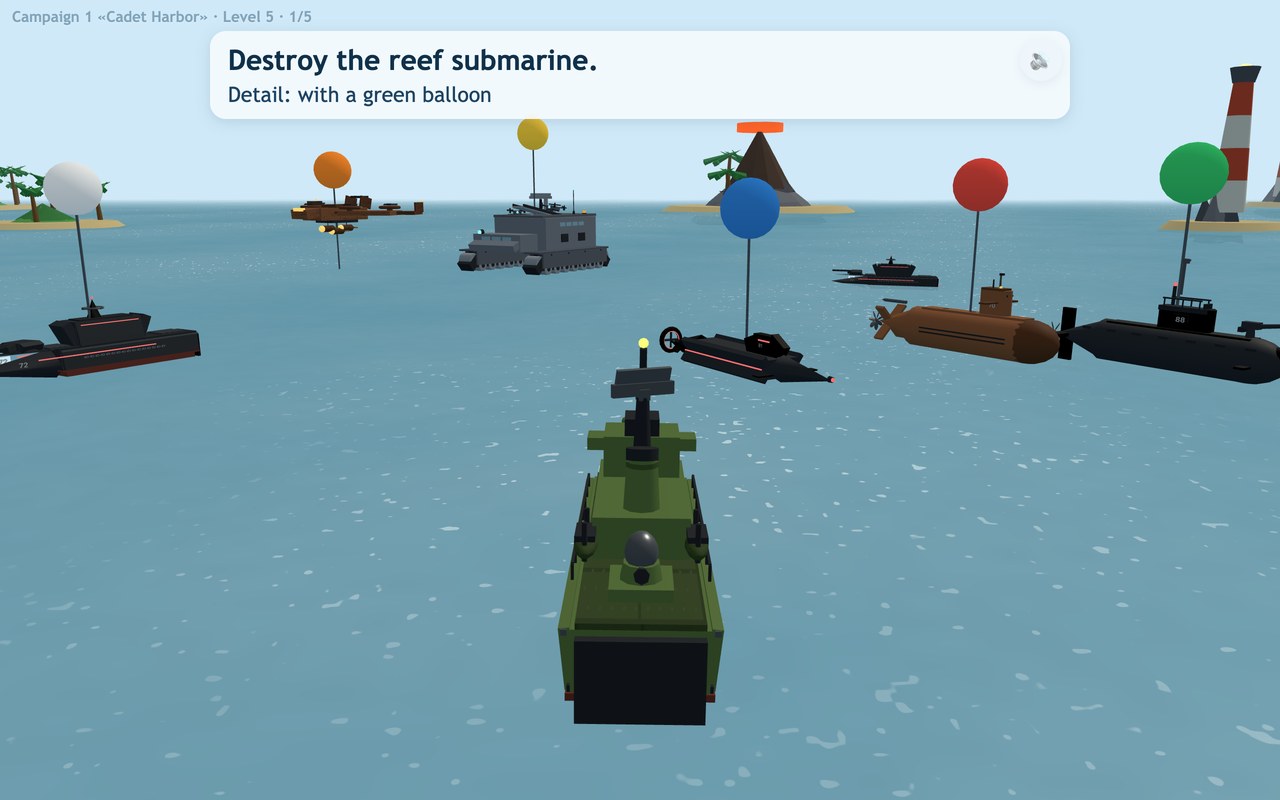 Reading Comprehension Games for Kids — Free Online 8+
Reading comprehension games for kids: read the report, find the evidence and follow written …
-
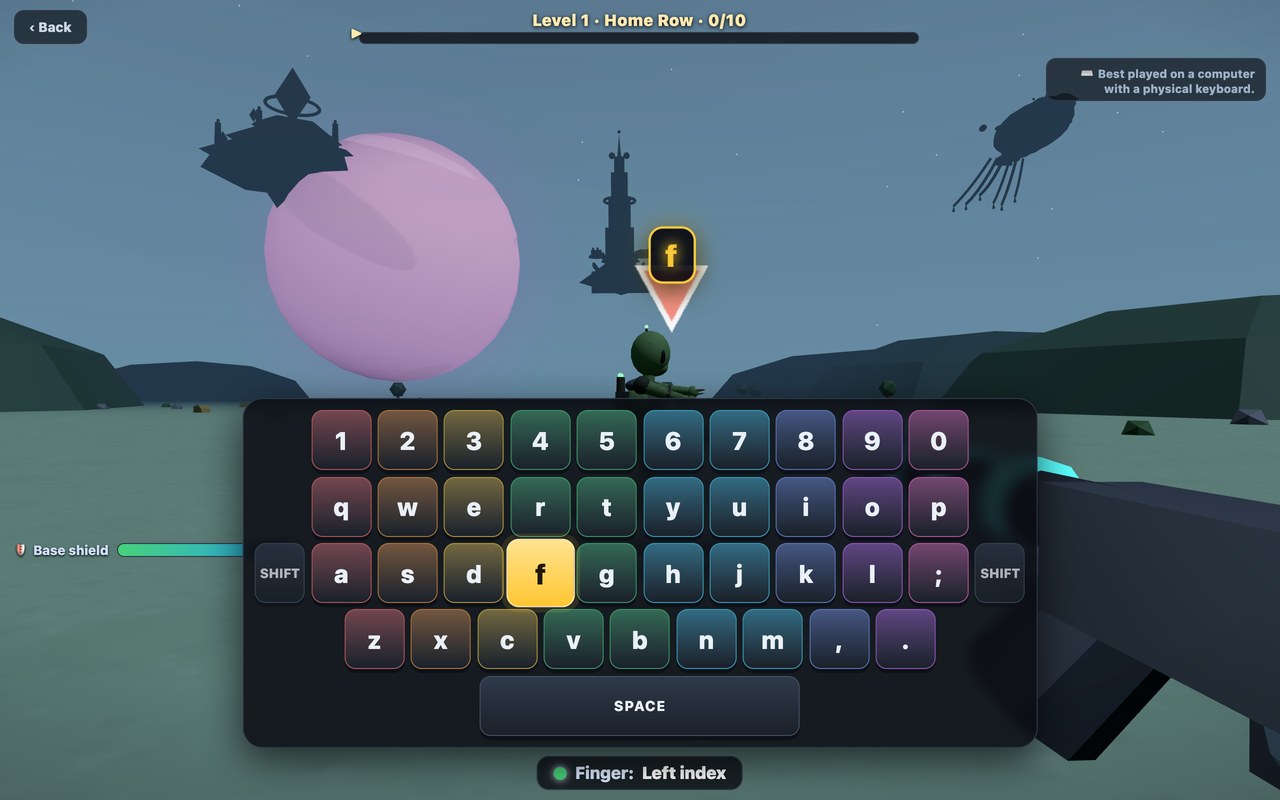 Learn to Type — Free Typing Game for Kids 7+
Learn to type the proper way: home row first, one finger pair at a …
-
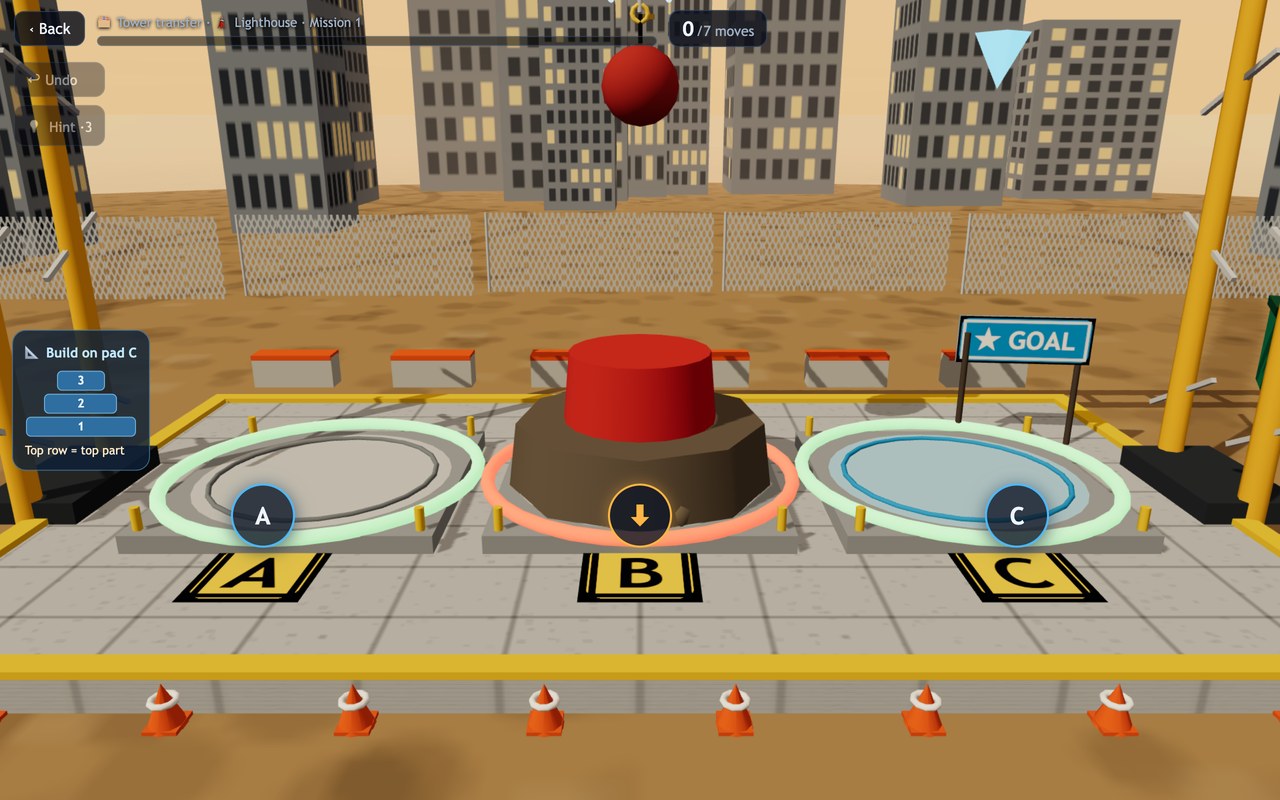 Tower of Hanoi Game for Kids — Free Sky Engineer Puzzle 7+
Tower of Hanoi game in 3D: move skyscraper modules with sky-cranes, one at a …
-
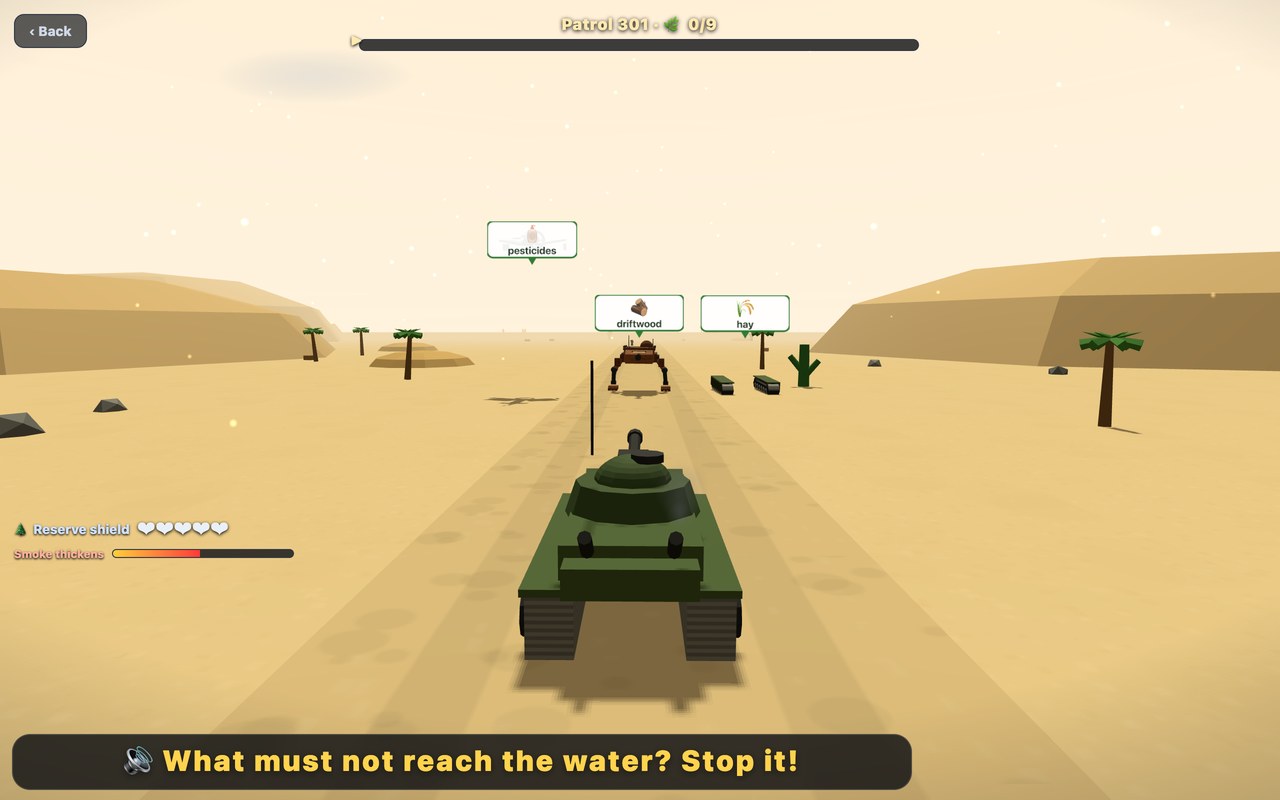 Food Web & Food Chain Game for Kids — Free Eco Defense 7+
A food web game for kids: build the web from producers, consumers and decomposers, …
If you only fix one thing in third grade, fix the times tables. Everything from fourth grade onwards — long division, equivalent fractions, area, ratio, factoring — assumes the child can produce 7×8 in under a second. Children who cannot are not "bad at maths later"; they are spending their working memory on lookup instead of on the actual problem.
A workable order. 2, 5, 10 (patterns). Then 3 and 4 (doubling: 4× is double-double). Then squares — 6×6, 7×7, 8×8 — which stick well and let you rebuild neighbours: 7×8 = 49+7. Then 9 (one less than a ten times), leaving only 6×7, 6×8 and 7×8 as genuinely hard facts. Three hard facts is a solvable problem; forty-five is not.
Division arrives immediately after, and should be taught as the same fact backwards, never as a new table.
Fractions start this year and go wrong when they are taught as pizza only. A fraction needs to land on a number line too — 3/4 is a place between 0 and 1, not just three slices.
Area and perimeter both take the same rectangle and ask different questions. Keep them side by side rather than in separate weeks; the confusion comes from meeting them apart.
Multi-step word problems appear now: two operations, and a middle answer the child must hold on to. That is a memory problem as much as a maths one — writing the middle number down solves half of it.
See also: 3rd grade math games, times tables games, learning games for 4th graders, types of angles and math word problems.