
Learning Games for 4th Graders: Long Division and Fractions That Match
Games
-
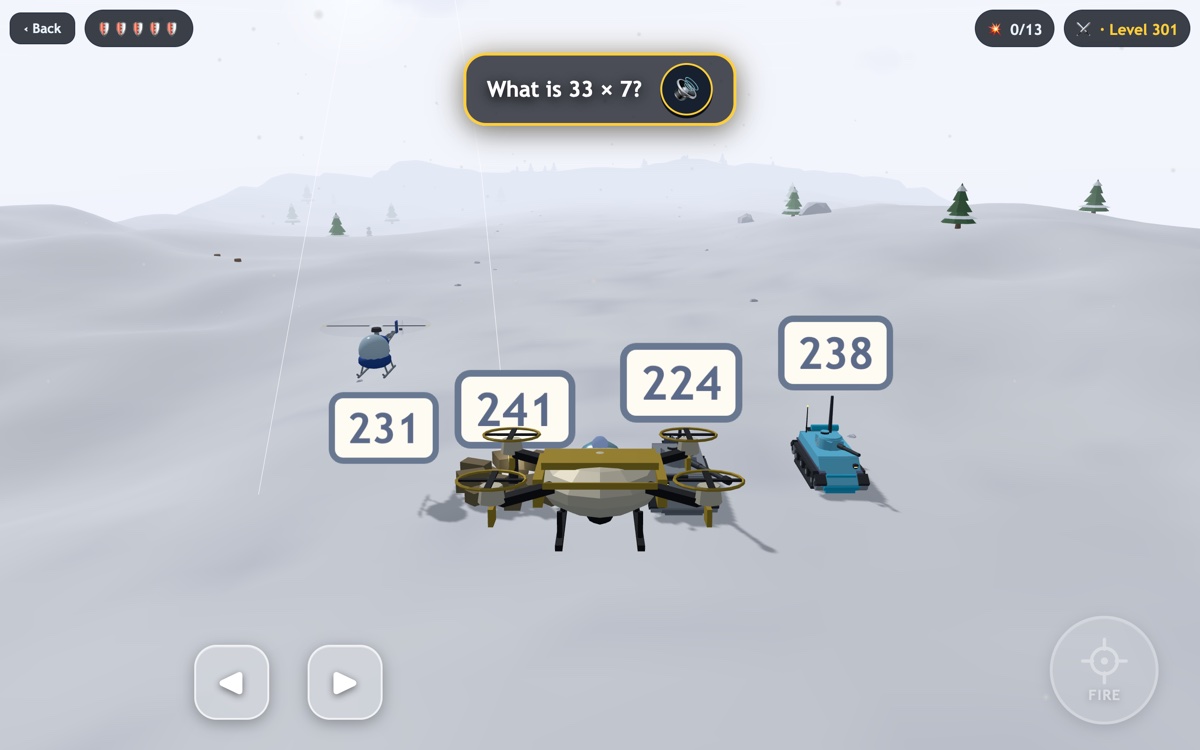 Math Games for 4th Graders — Free Drone Patrol 9+
Math games for 4th graders: multi-digit multiplication, division with remainder, factors, equivalent fractions and …
-
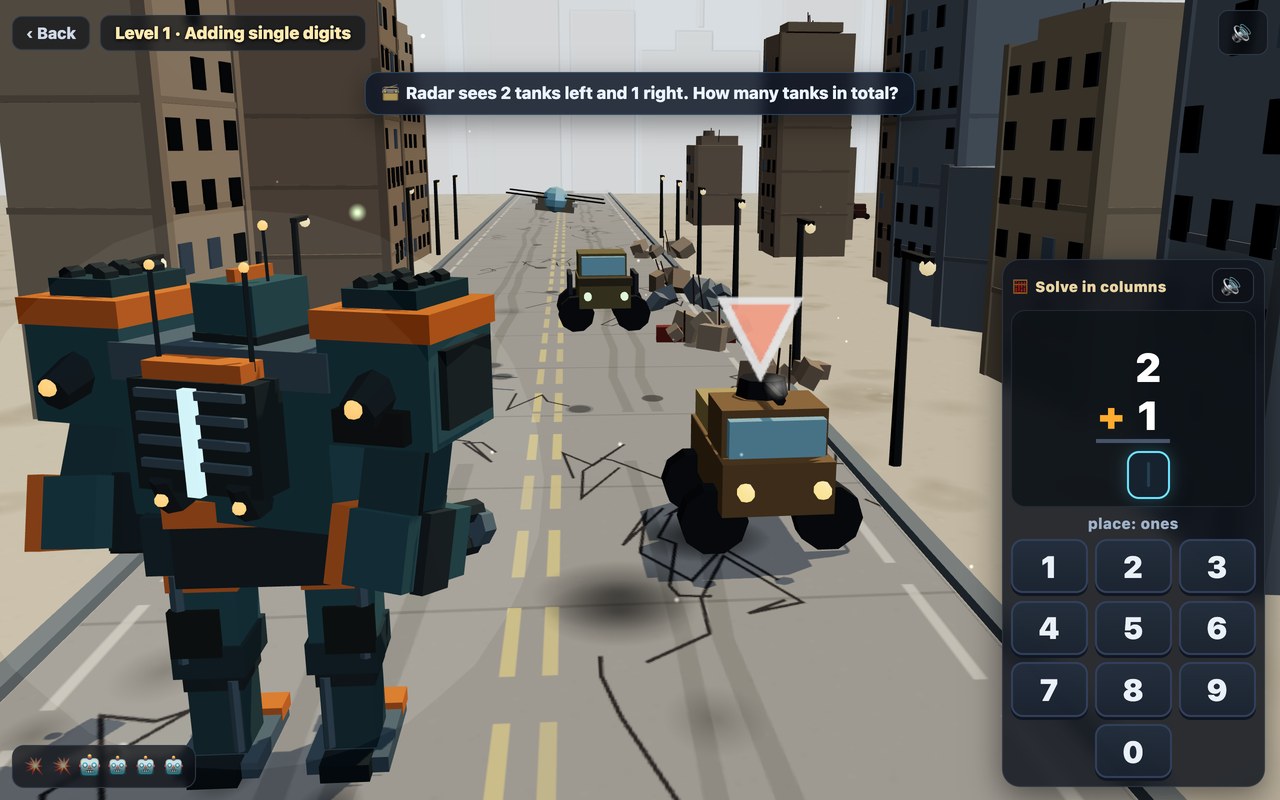 Long Division & Column Math Game for Kids — Free 7+
A long division game for kids that also drills column addition, borrowing and long …
-
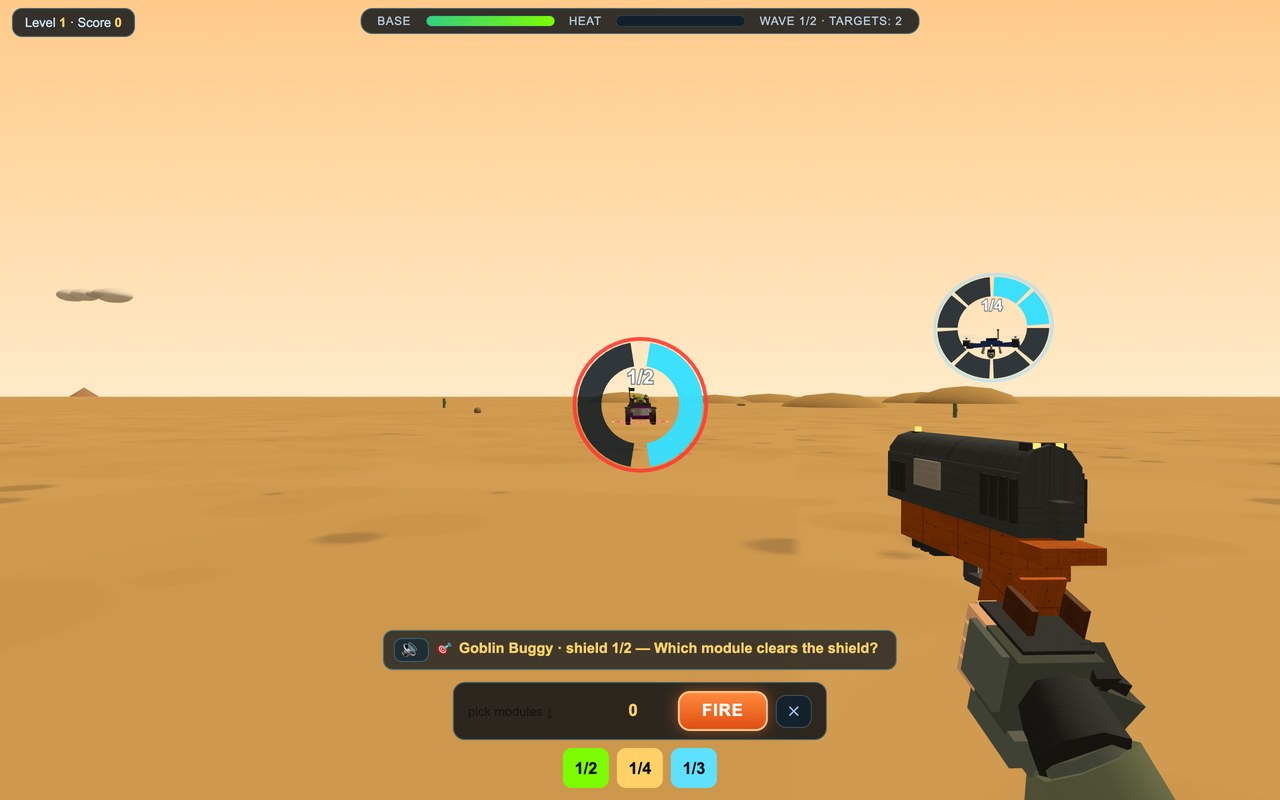 Equivalent Fractions — Free Game With 500 Levels 7+
Equivalent fractions practice: pick the round that matches the shield and fire. 1/2 = …
-
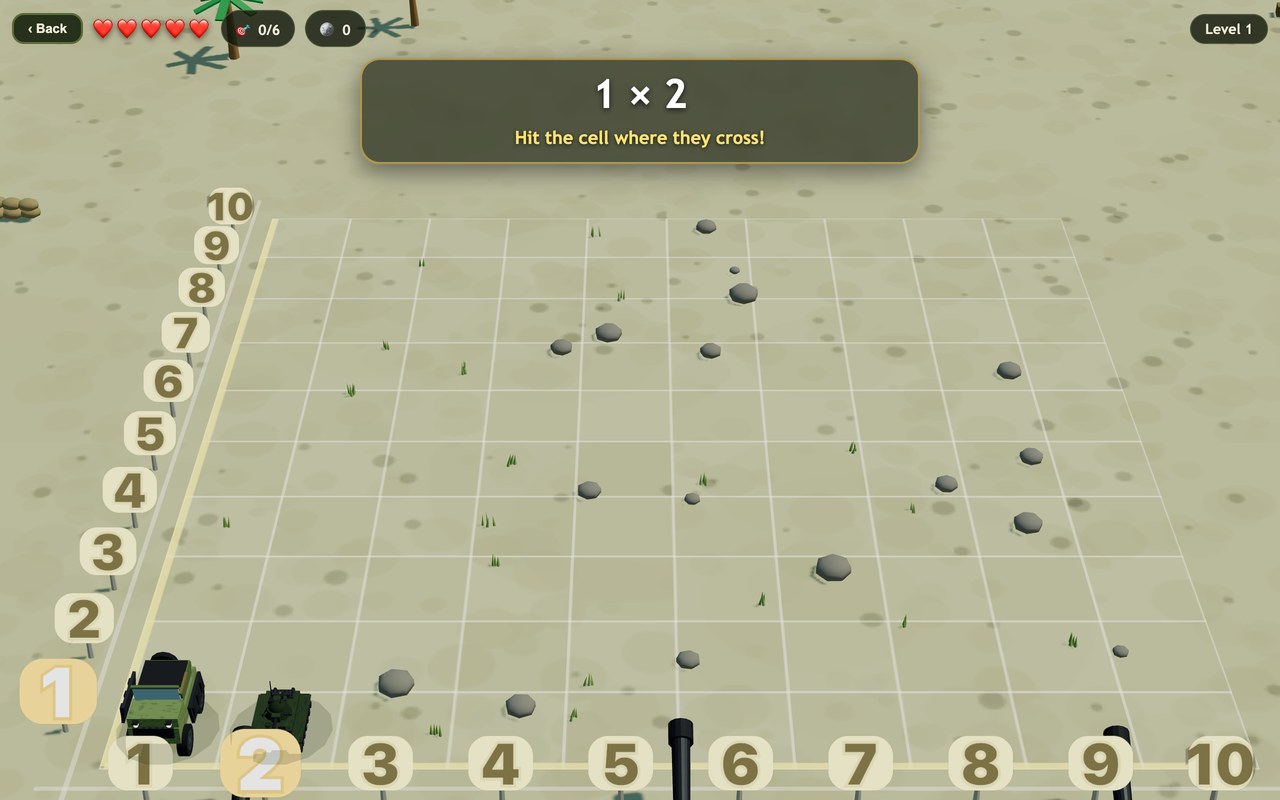 Multiplication Facts — Free True Aim Artillery Game 7+
Practise multiplication facts one row at a time: 2s, 5s and 10s first, then …
-
 Geometry Games for Kids — Free Angle Assault 8+
Geometry games for kids where the answer is the attack: measure angles, name shapes, …
-
 Area and Perimeter — Free Geometry Game for Kids 6+
Area and perimeter on a building grid: fence the yard, floor the warehouse, then …
-
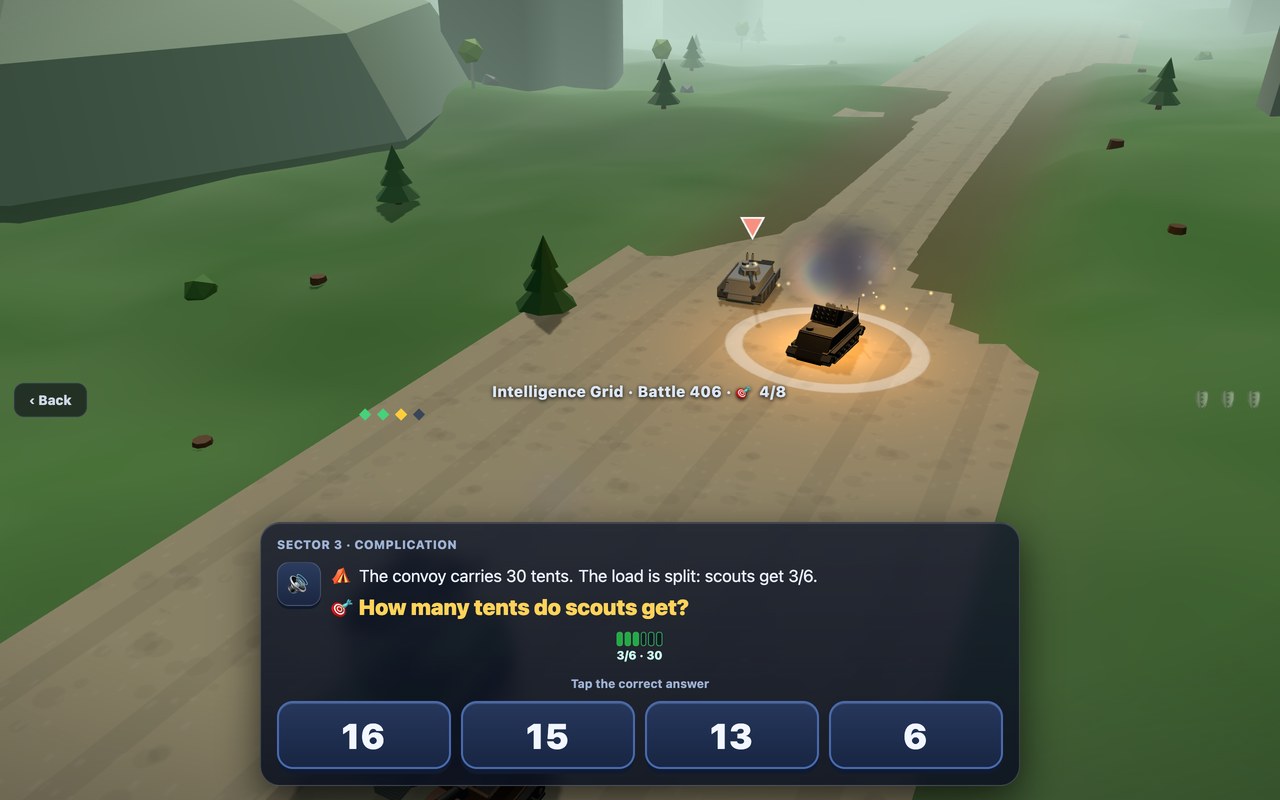 Math Word Problems for Kids — Convoy Frontline 7+
Math word problems for kids turned into a convoy fight: read the story, build …
-
 Measurement Games for Kids — Free Rescue Drone 7+
Measurement games for kids: read rulers, scales and thermometers and convert units to fly …
-
 Reading Comprehension Games for Kids — Free Online 8+
Reading comprehension games for kids: read the report, find the evidence and follow written …
-
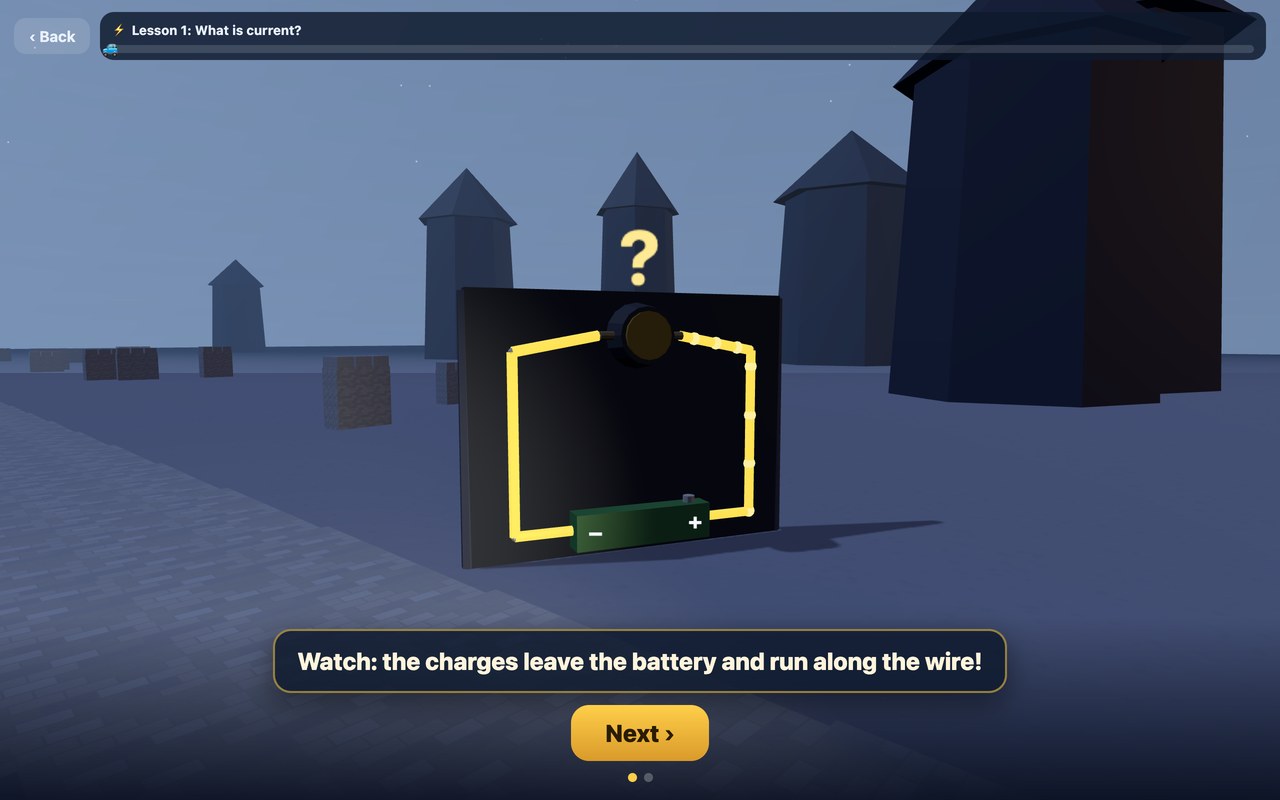 Electric Circuit Games for Kids — Free Circuit Bastion 8+
Electric circuit games for kids: wire real circuits with batteries, switches and resistors to …
-
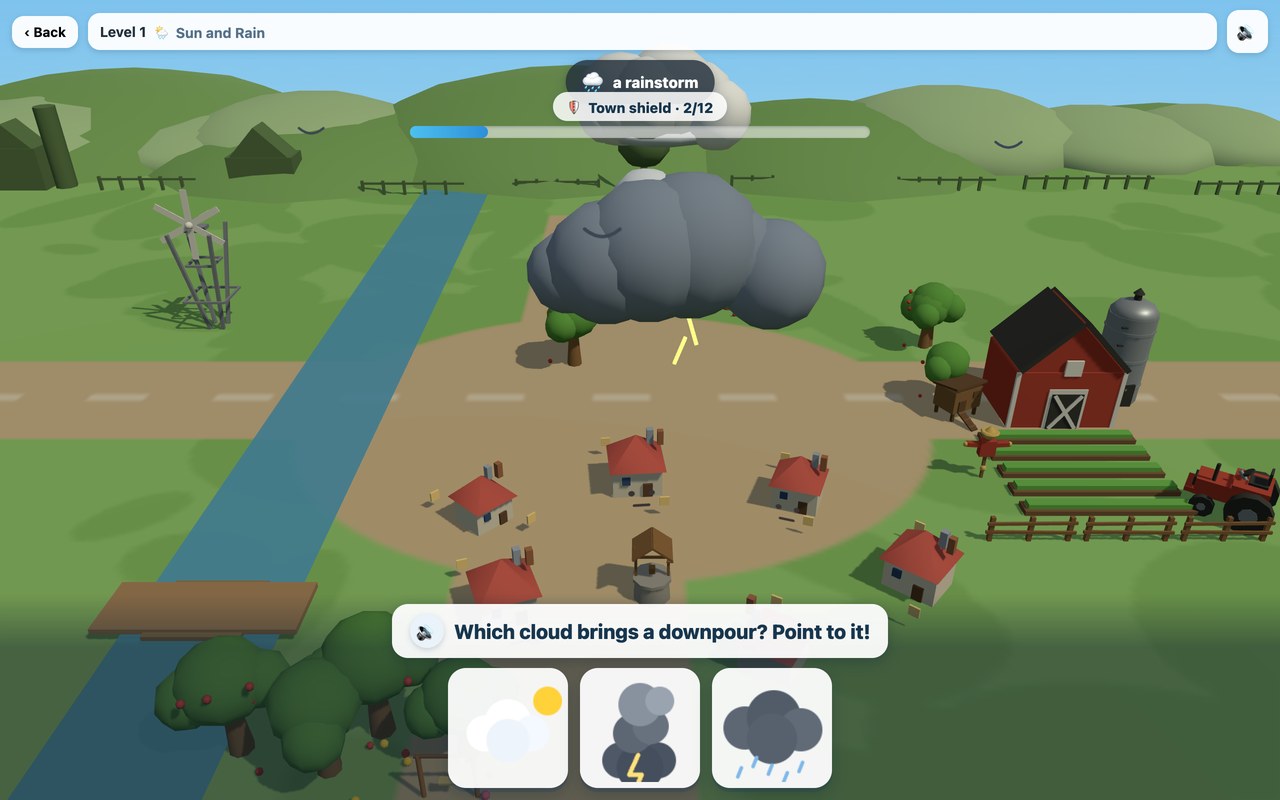 Weather & Water Cycle Game for Kids — Free Storm Command 7+
A water cycle game for kids where science is the shield: forecast the storm, …
-
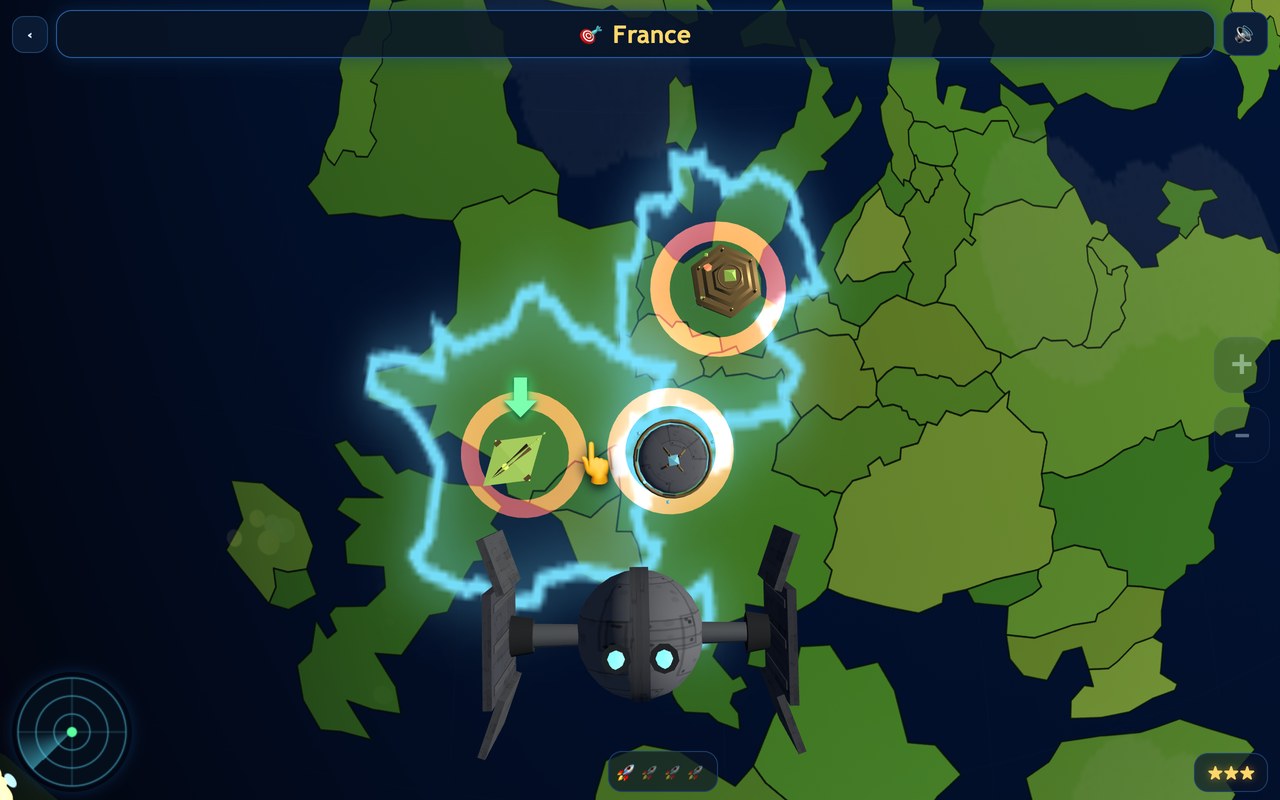 Capitals of the World — Free Globe Game for Kids 7+
Capitals of the world on a real 3D globe: it turns to the region, …
-
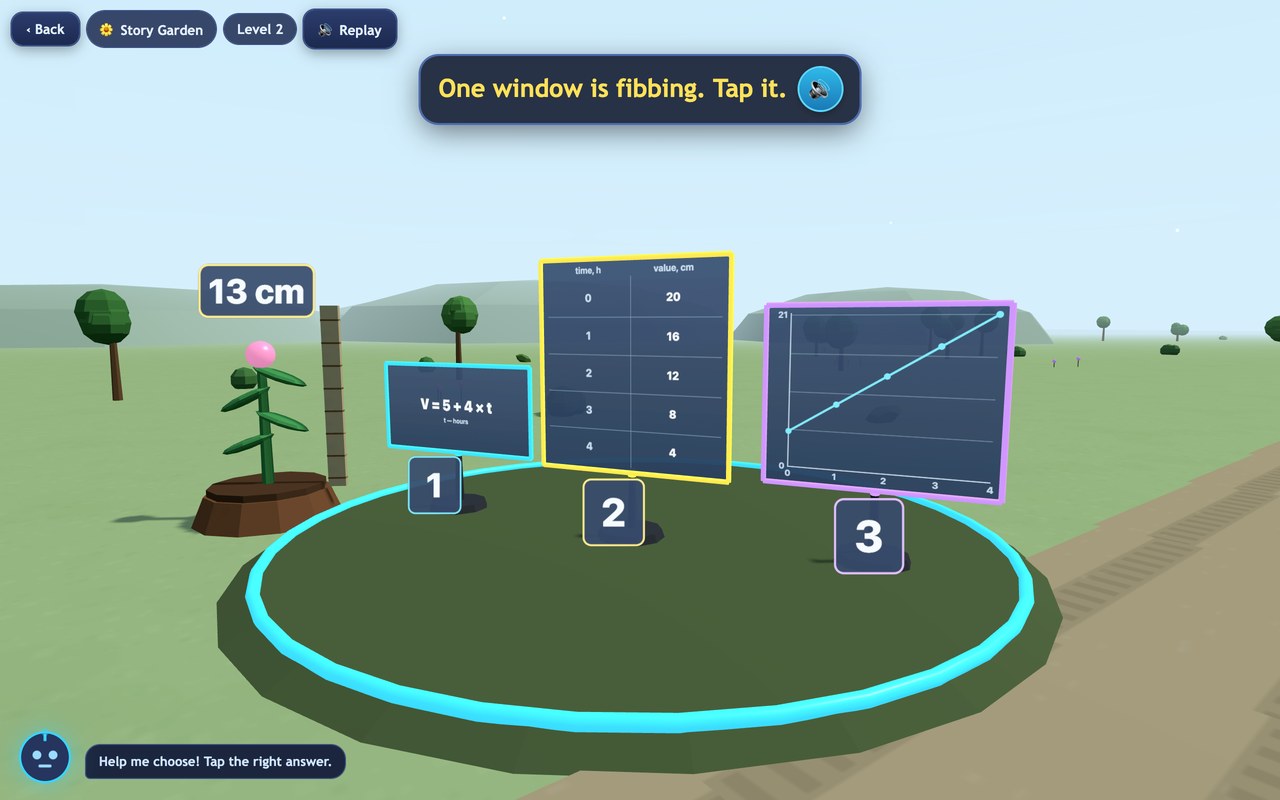 Story, Table & Graph Games — Free Modelverse Lab 8+
Math games for 7th graders that tie one story to a table, a graph …
Fourth grade is the first year where a maths topic can fail for a reason that started two years earlier. Long division needs multiplication facts, subtraction with regrouping and place value, all at once, in a loop. When a fourth grader "can't do long division", the broken part is almost never the division.
Long division, diagnosed. Watch one problem. If they hesitate at "how many 7s in 45", it is the tables. If they get the digit right but subtract wrongly, it is regrouping. If they lose track of which column they are in, it is place value or simply handwriting. Fix the layer that is actually broken.
Equivalent fractions. The rule "multiply top and bottom by the same number" is easy to say and easy to apply mechanically without understanding it. The check that matters: can the child say why 3/4 and 9/12 are the same amount? If not, comparing and adding fractions will collapse next year.
Angles get measured now, not just named. A protractor has two scales and children read the wrong one constantly. The fix is to estimate first — "is this bigger or smaller than a right angle?" — and only then read the number.
Multi-digit multiplication is really the distributive law in disguise: 23 × 4 is 20×4 plus 3×4. Children who see that can check their own answers; children who only follow the algorithm cannot.
Beyond maths. Fourth graders can handle genuine science content — circuits, forces, food webs, the water cycle — and genuine reading comprehension, where the answer is in the text but not in the words of the question.
Related: 4th grade math games, division facts, games for 5th graders, games for 3rd graders and STEM games.