
Games for Kindergarteners: The Five Skills That Decide 1st Grade
Games
-
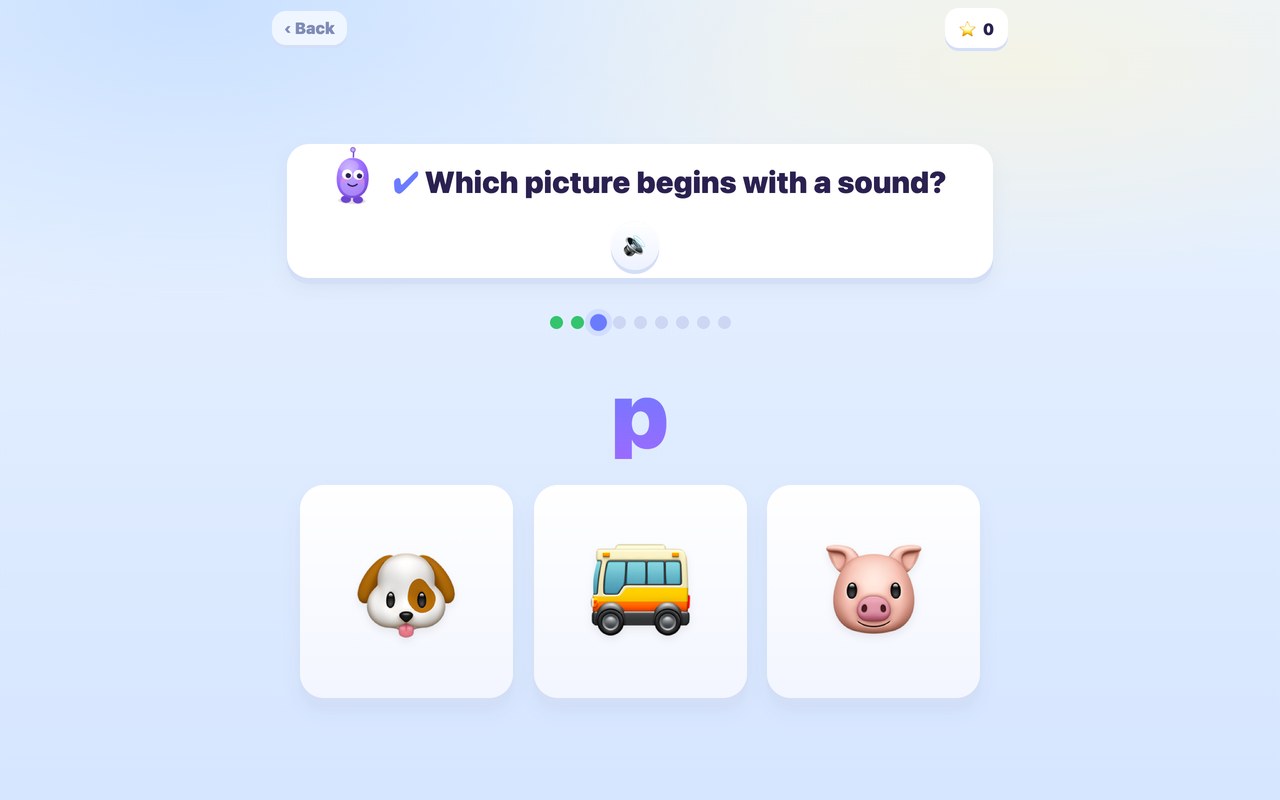 CVC Words — Free Phonics Game for Beginning Readers 4+
Free practice with CVC words — sun, ant, tap, mad, dog: letter sounds in …
-
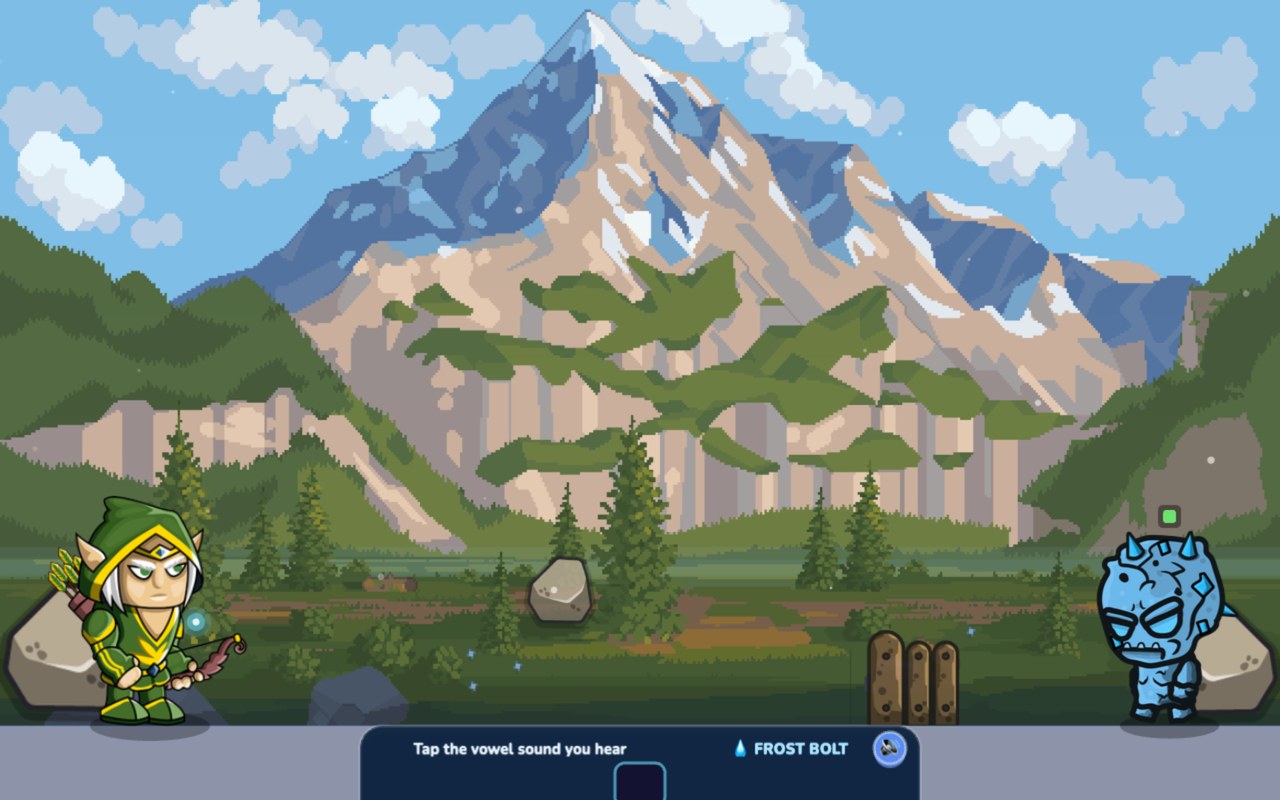 Phonics Games Online Free — Word Wizard 5+
Phonics games online free where blending is the only attack: letter sounds, onset and …
-
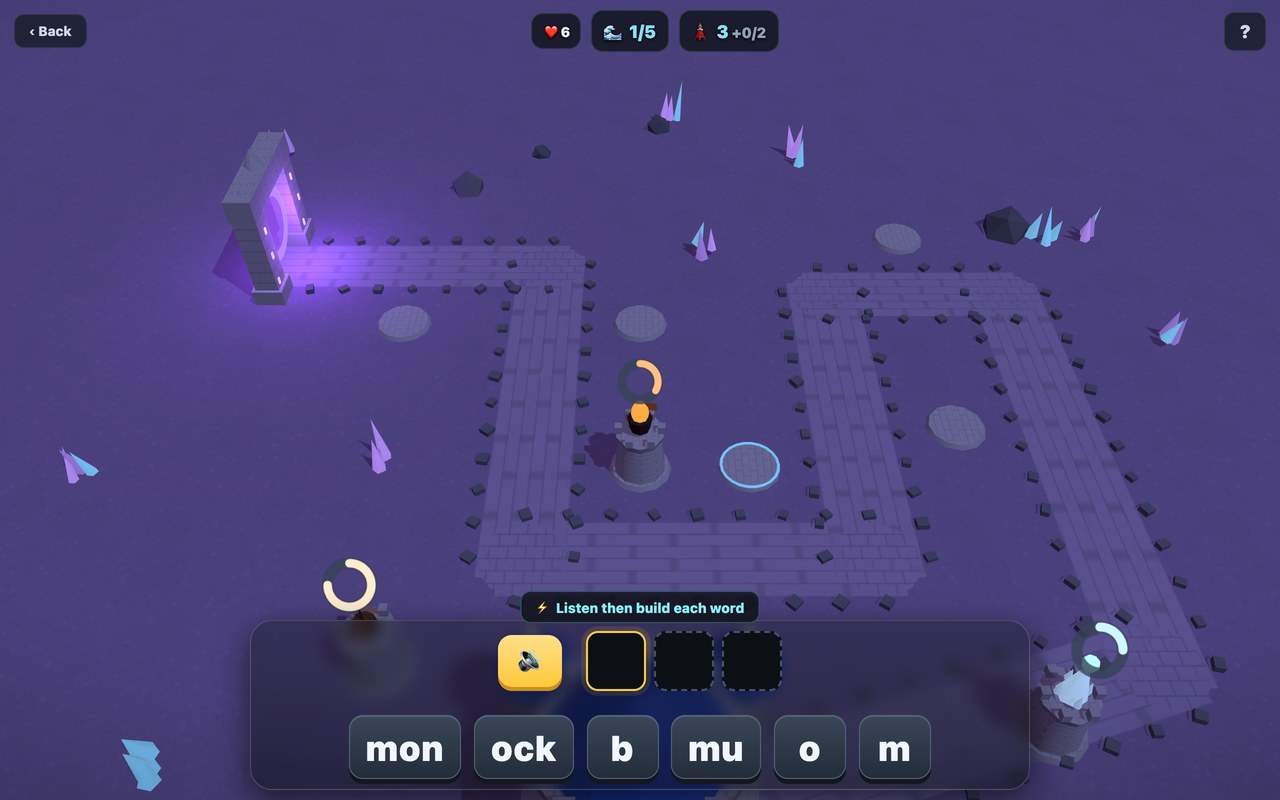 Letter Sounds Games — Free Word-Building Tower Defense 5+
Letter sounds games in the right order: hear a word, tap the letter tiles …
-
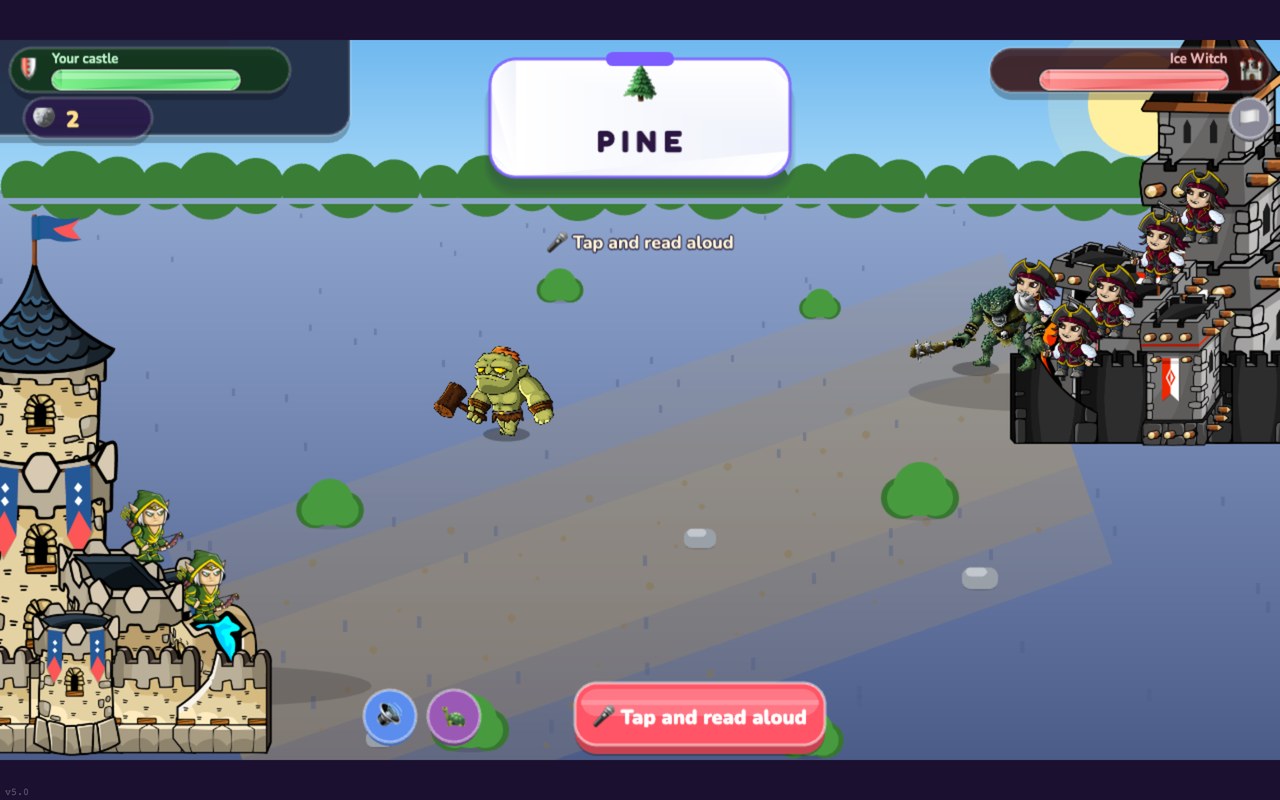 Reading Games for Kids — Free Syllable Castle 5+
Reading games online in the order schools teach: build the word from letter and …
-
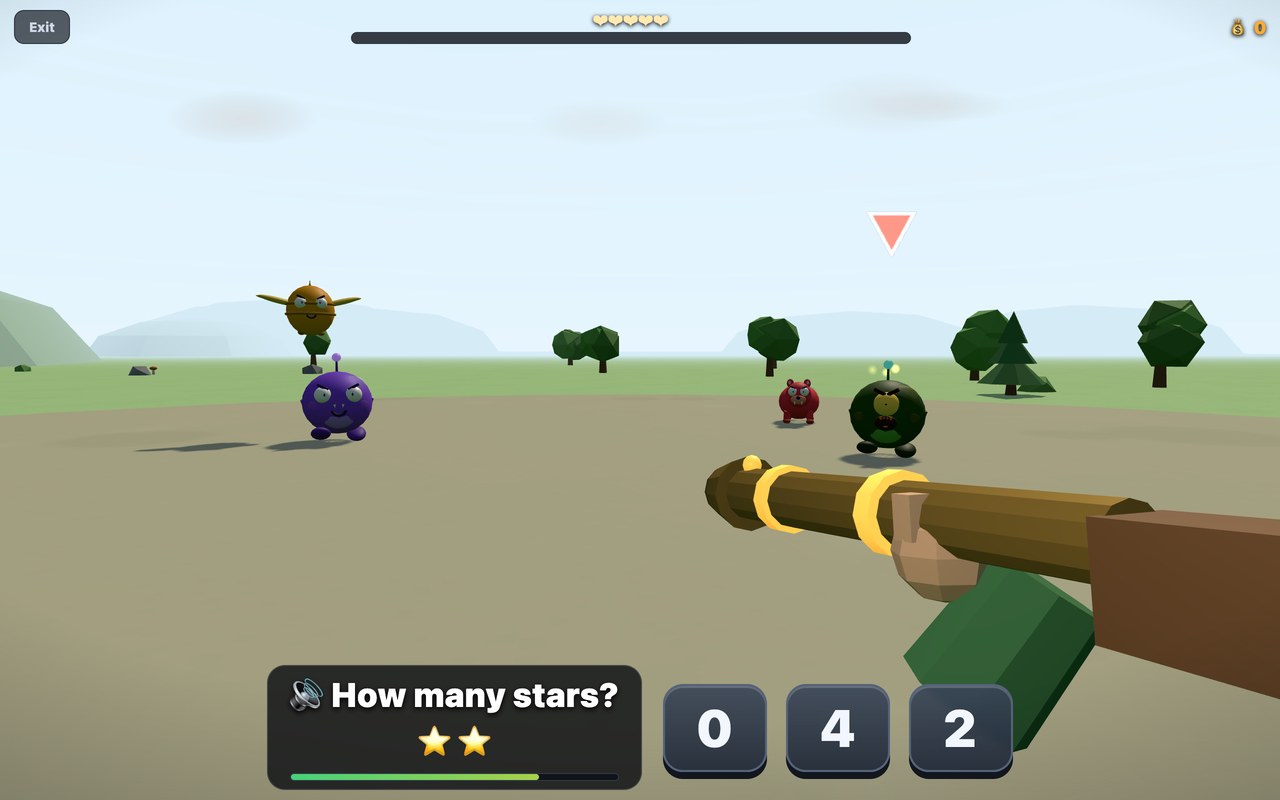 Math Games for Kindergarten — Free Math Archer 3D 4+
Math games for 5 year olds that start at counting to 5: an elf …
-
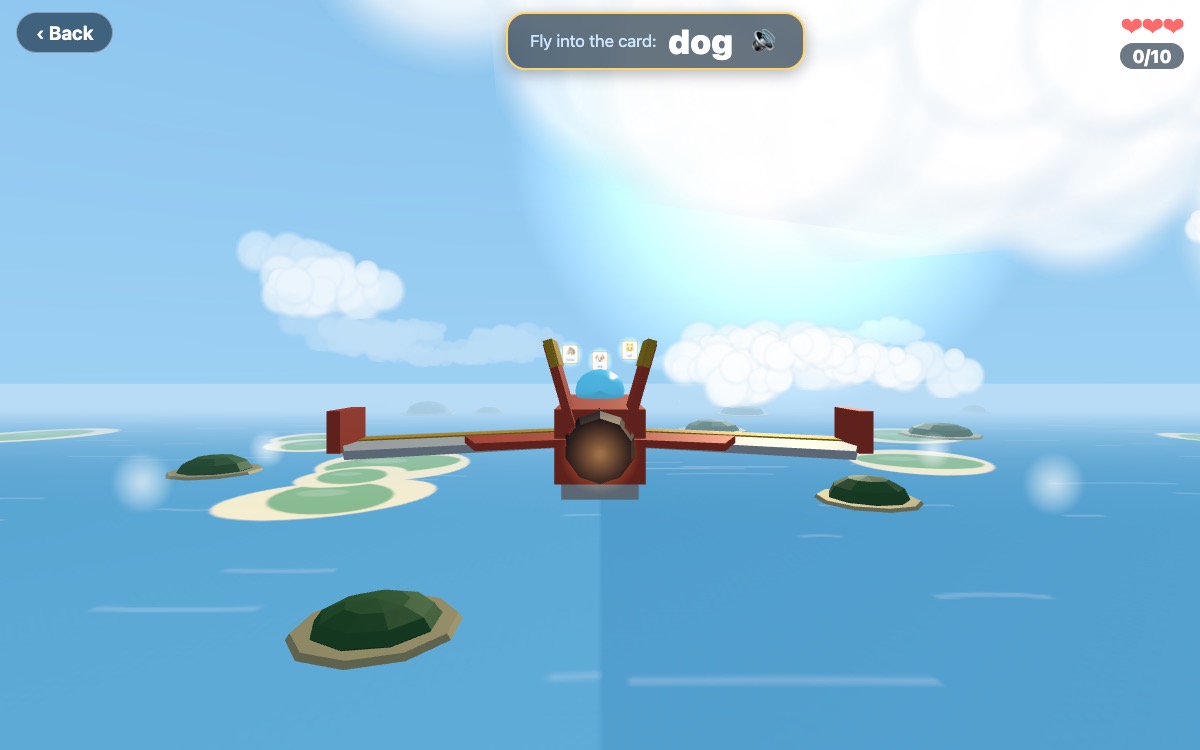 Spelling Games for Kids — Free Word Wings 4+
Spelling games for young children: hear the word, then build it letter by letter …
-
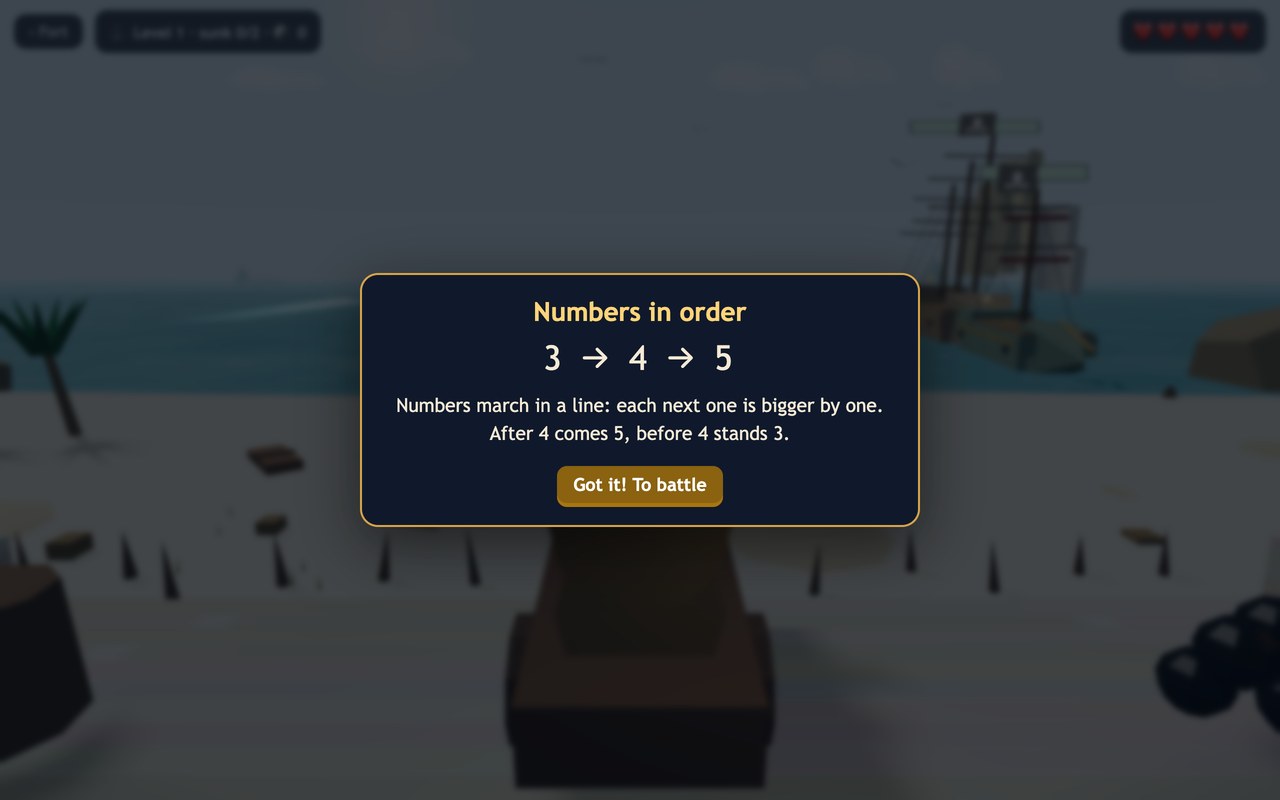 Math Games for Kids — Free Online 6+
Math games for kids on a pirate wall: solve addition, subtraction and more to …
-
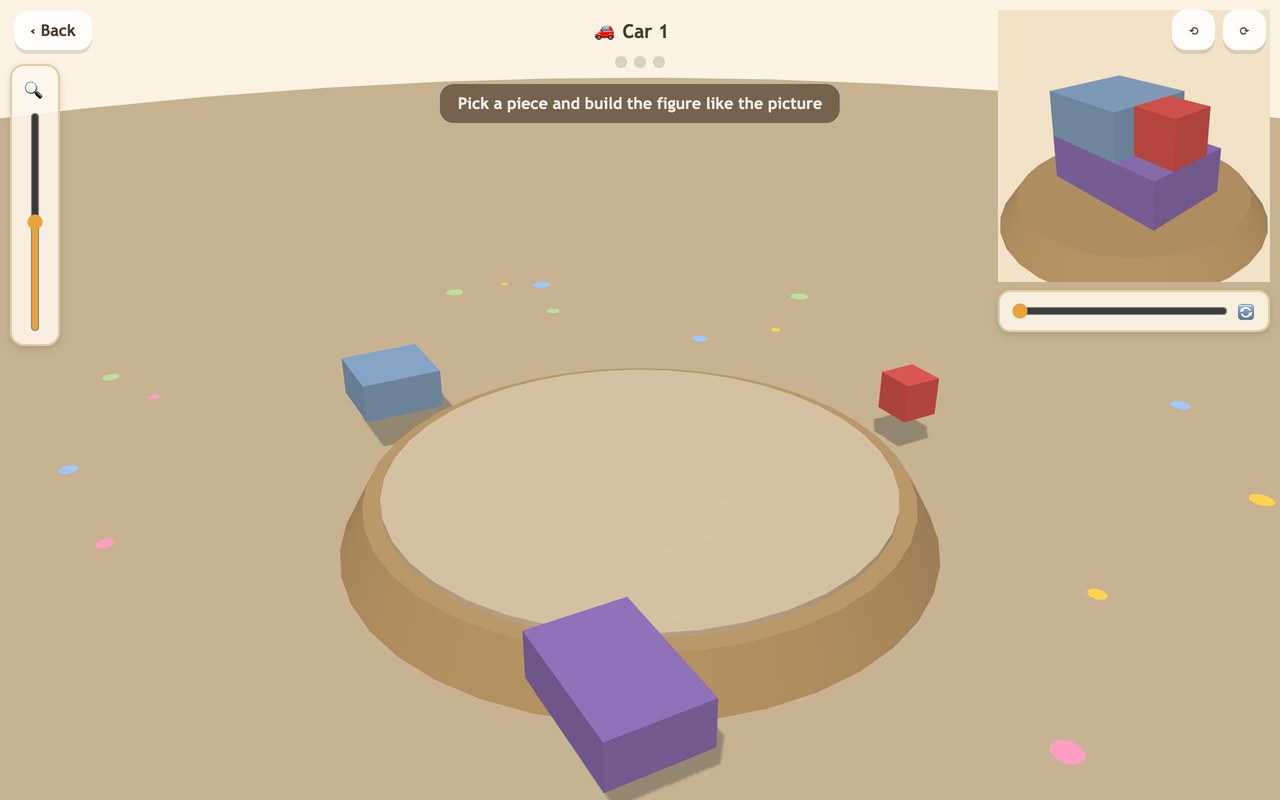 Tangram Online — Free 3D Tangram Puzzles 5+
Free tangram game online: 500+ 3D tangram puzzles for kids. Build rockets, castles and …
-
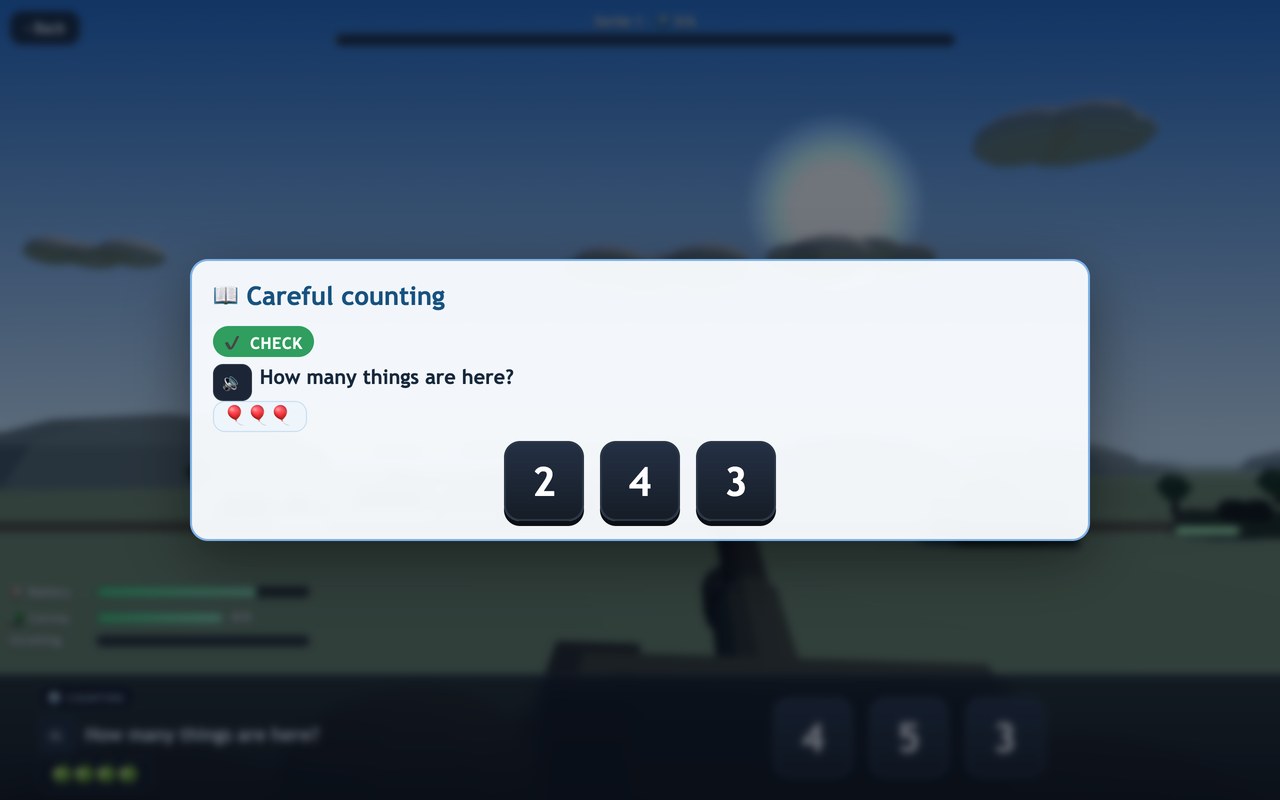 Logic Games for Kids — Free Sky Guard 5+
Logic games at a first-person flak gun: down the planes by solving 300 puzzles …
-
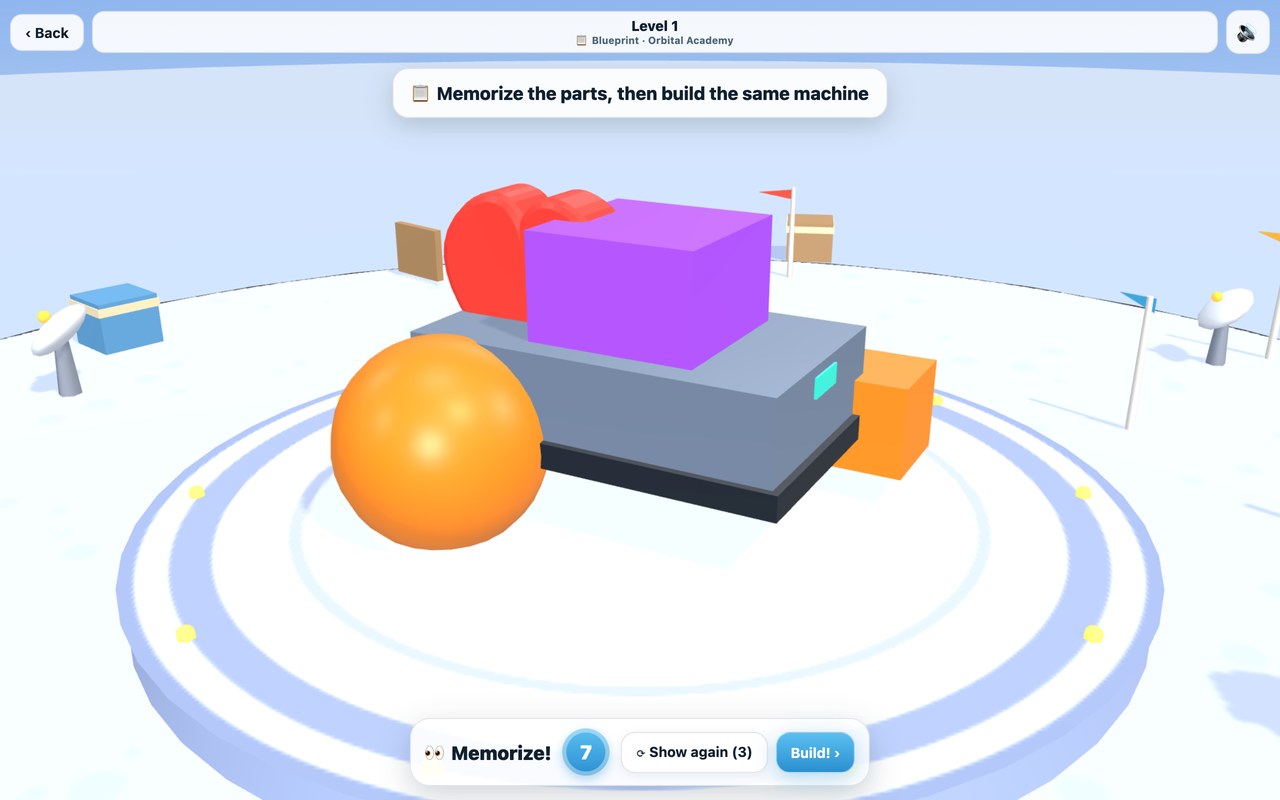 Memory Games for Kids — Build It From Memory 5+
Memory games that go past matching pairs: study the blueprint, watch it vanish, then …
-
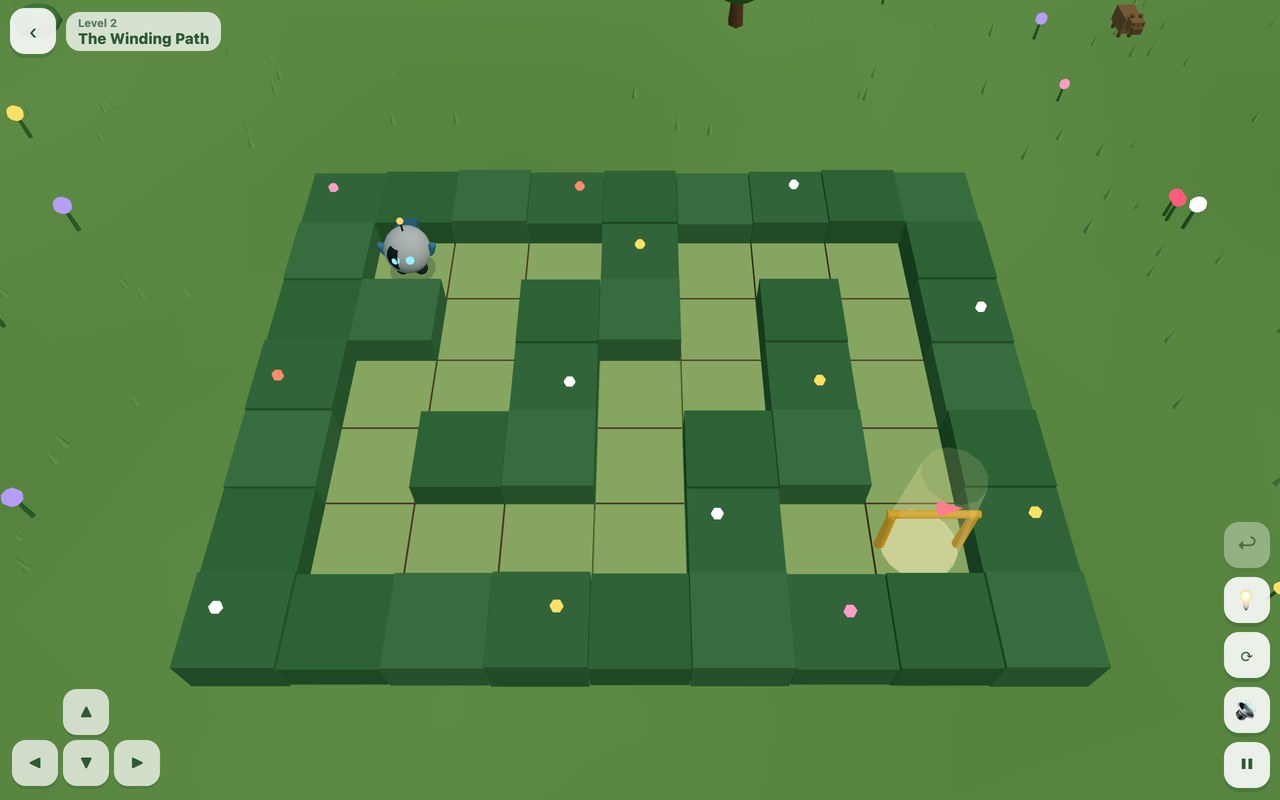 Maze Games for Kids — Levers, Gates and One Way Through 4+
Maze games where the walls are not the whole puzzle: pull the lever, open …
-
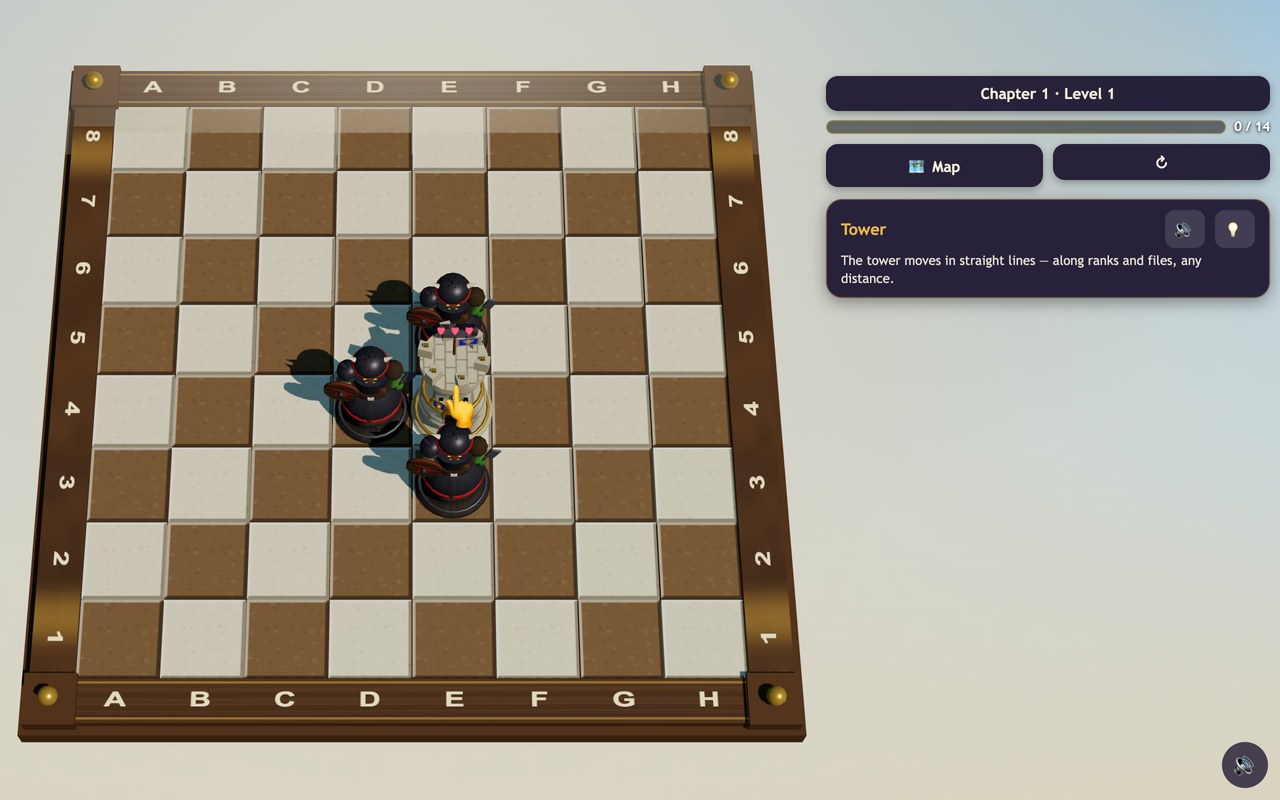 Chess for Kids — Free Kingdom Chess 5+
Learn chess for kids from absolute zero: pick a piece and capture orcs using …
-
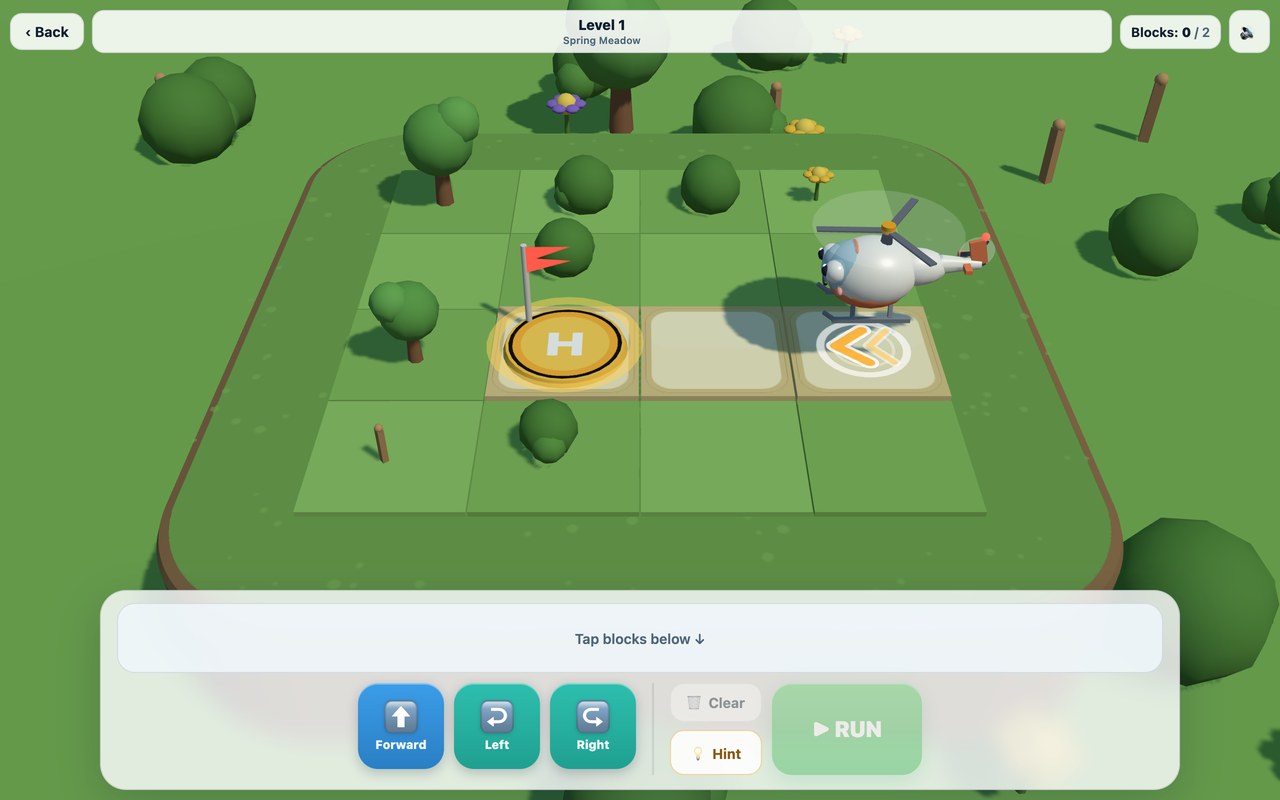 Coding for Kids — Free Block Programming Game 4+
Coding for kids with real block programming: build a sequence, run it, watch it …
-
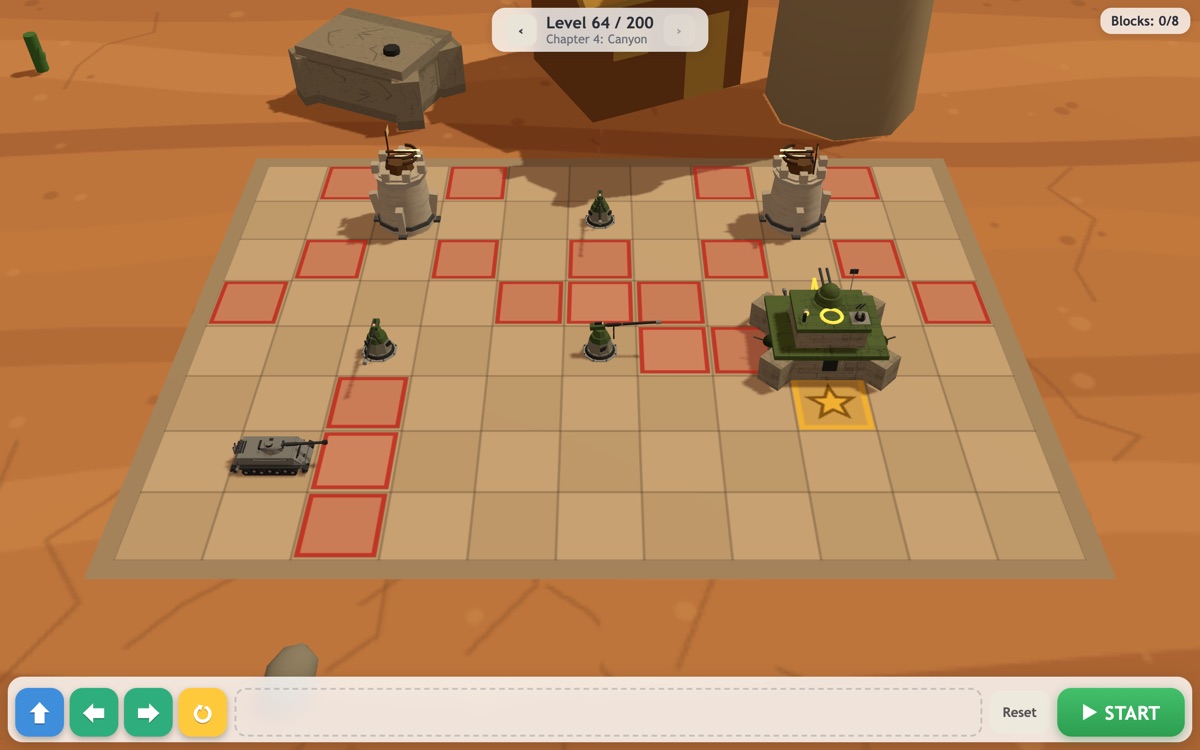 Coding Game “Tank Raid” — Free in Your Browser 5+
Coding games for kids in the browser: work out a safe route past the …
Kindergarten has a narrow job. By the end of it, a child should be able to do five things — and a child who can do all five walks into first grade able to learn, while a child missing two of them spends the whole year catching up.
1. Every letter, by sound. All 26, plus sh, ch, th. Instantly, not after thinking.
2. Blending. Hearing m-a-p and saying map. This is the actual moment reading begins and it is trainable in a few weeks of five-minute sessions.
3. A first set of sight words. the, was, said, of, one — the words that break phonics rules and make up a quarter of every page a child will ever read. They have to be recognised whole.
4. Numbers to twenty, both ways. Counting up is easy; counting back from 15, and saying which of 13 and 9 is larger without counting, is the part that predicts arithmetic later.
5. Sitting with a task. Three to five minutes on one thing without being redirected.
How this page is ordered. Reading first, because it is the bottleneck; numbers second; shape and logic last, as the reward that keeps the session going. All tasks are spoken aloud, wrong answers are corrected gently and never scored against the child, and no game asks a kindergartener to read an instruction.
Tip for the grown-up. Fifteen minutes a day beats an hour on Saturday, and mixing two subjects in one session beats drilling one. If the child stalls on blending, drop back to two-sound words (at, in, up) for a week — do not push through.
Next: games for 1st graders, and by subject math games for kindergarten, phonics games and sight words games.