
Learn to Read English: The Order That Works, Step by Step
Games
-
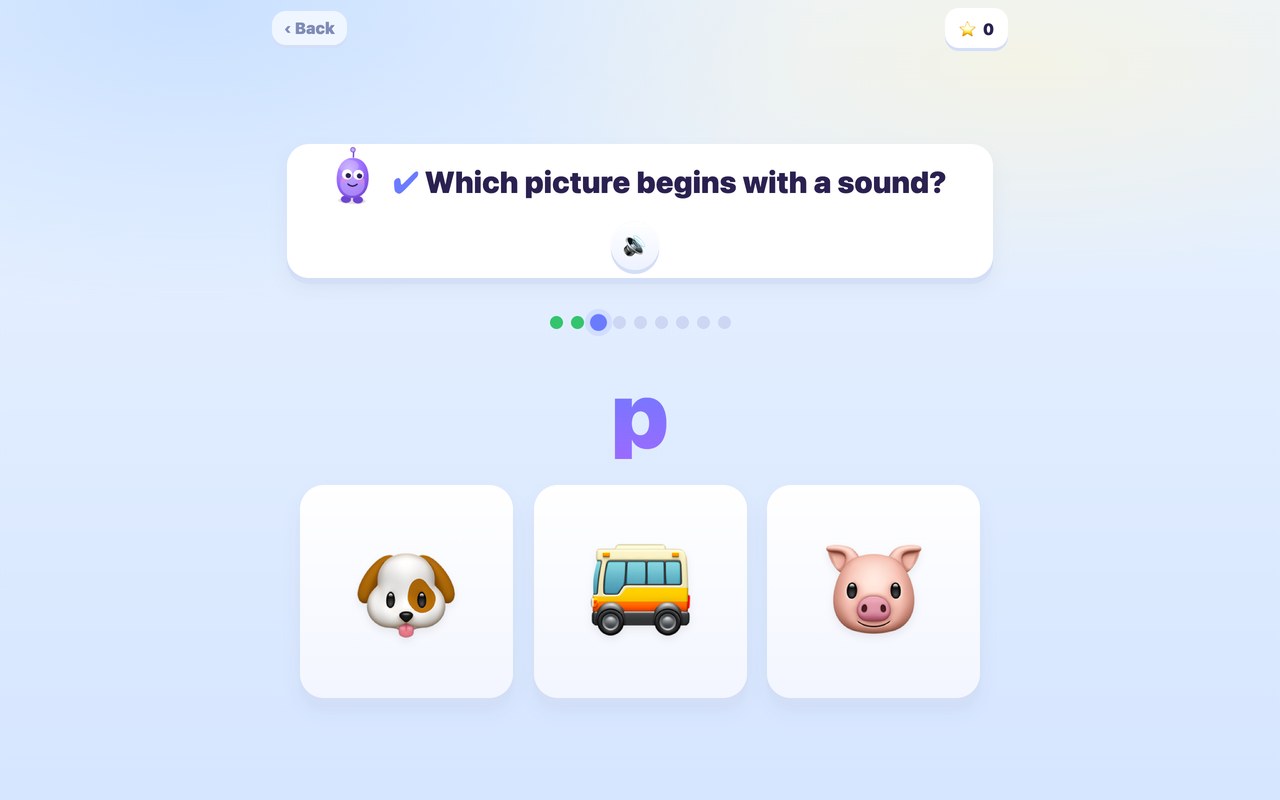 CVC Words — Free Phonics Game for Beginning Readers 4+
Free practice with CVC words — sun, ant, tap, mad, dog: letter sounds in …
-
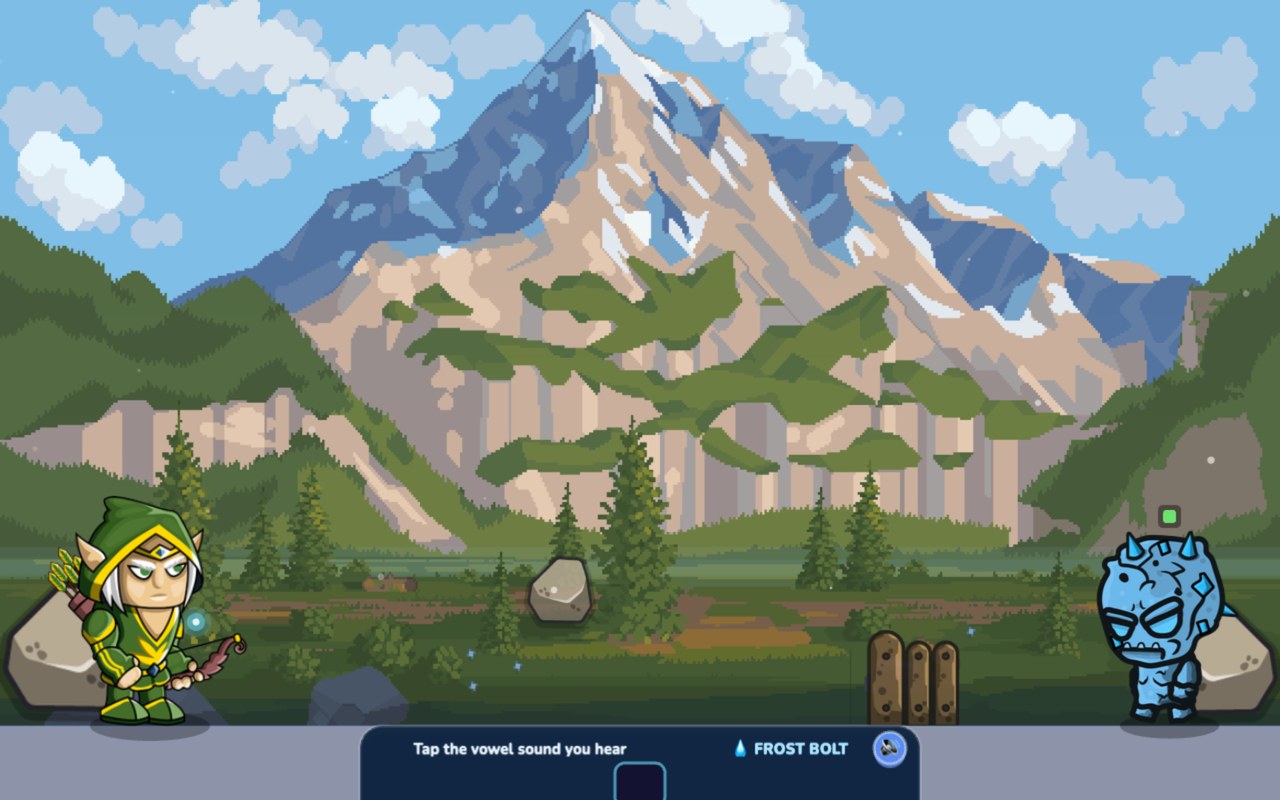 Phonics Games Online Free — Word Wizard 5+
Phonics games online free where blending is the only attack: letter sounds, onset and …
-
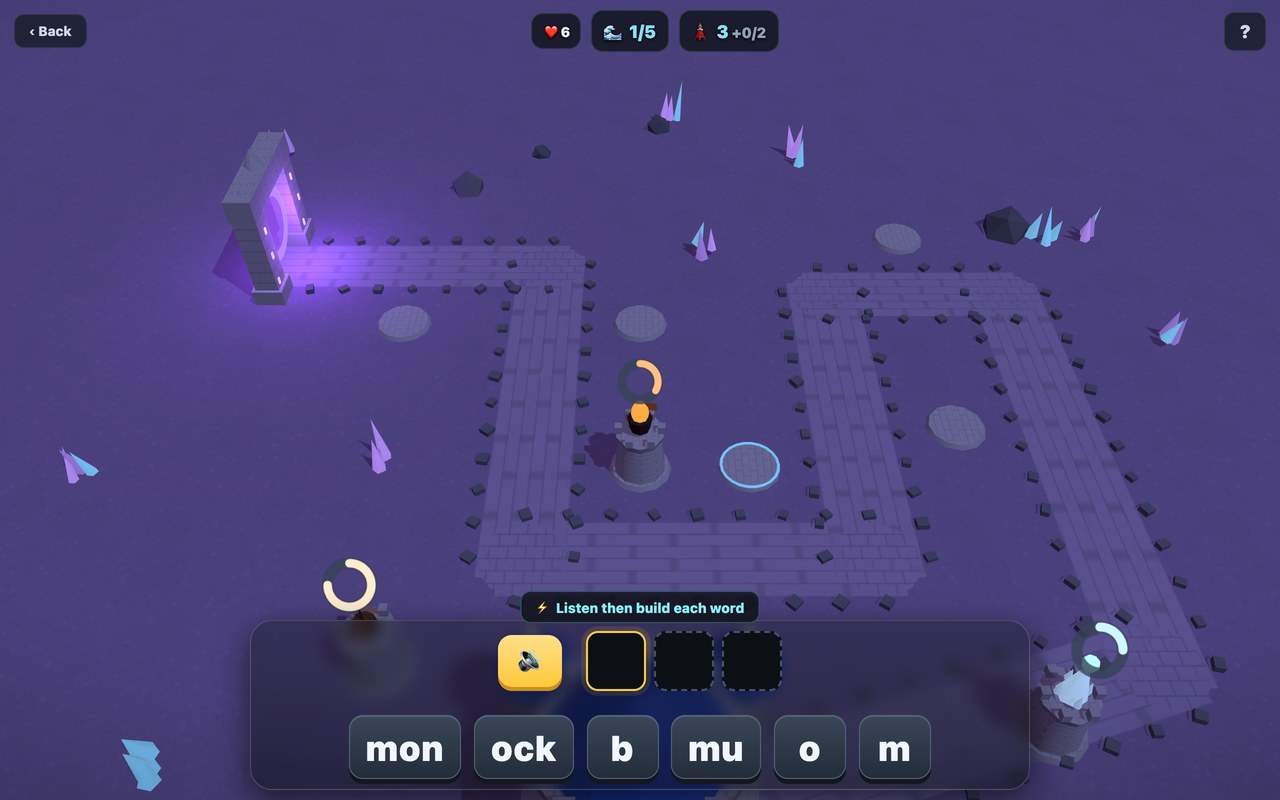 Letter Sounds Games — Free Word-Building Tower Defense 5+
Letter sounds games in the right order: hear a word, tap the letter tiles …
-
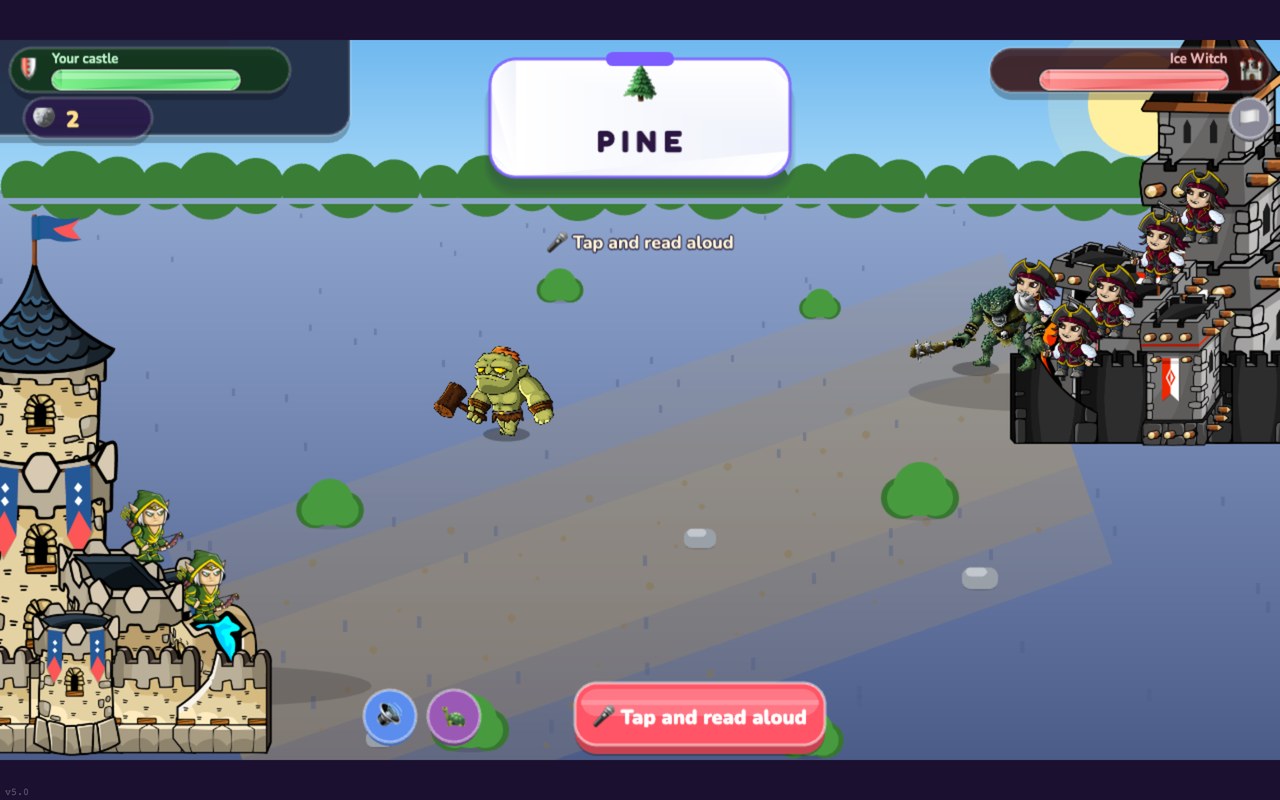 Reading Games for Kids — Free Syllable Castle 5+
Reading games online in the order schools teach: build the word from letter and …
-
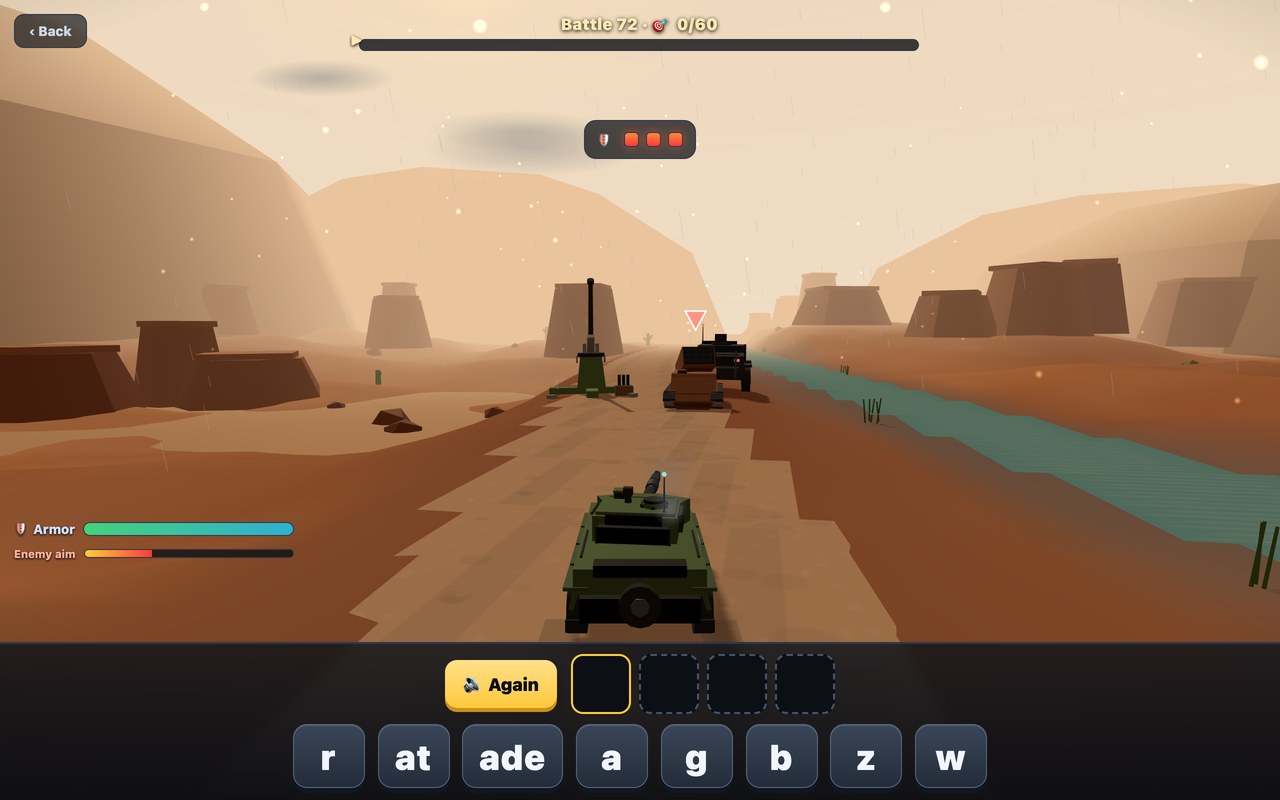 Reading Games — Free Online Reading Practice for Kids 5+
Reading games where reading is the controls: your child reads the word on screen …
-
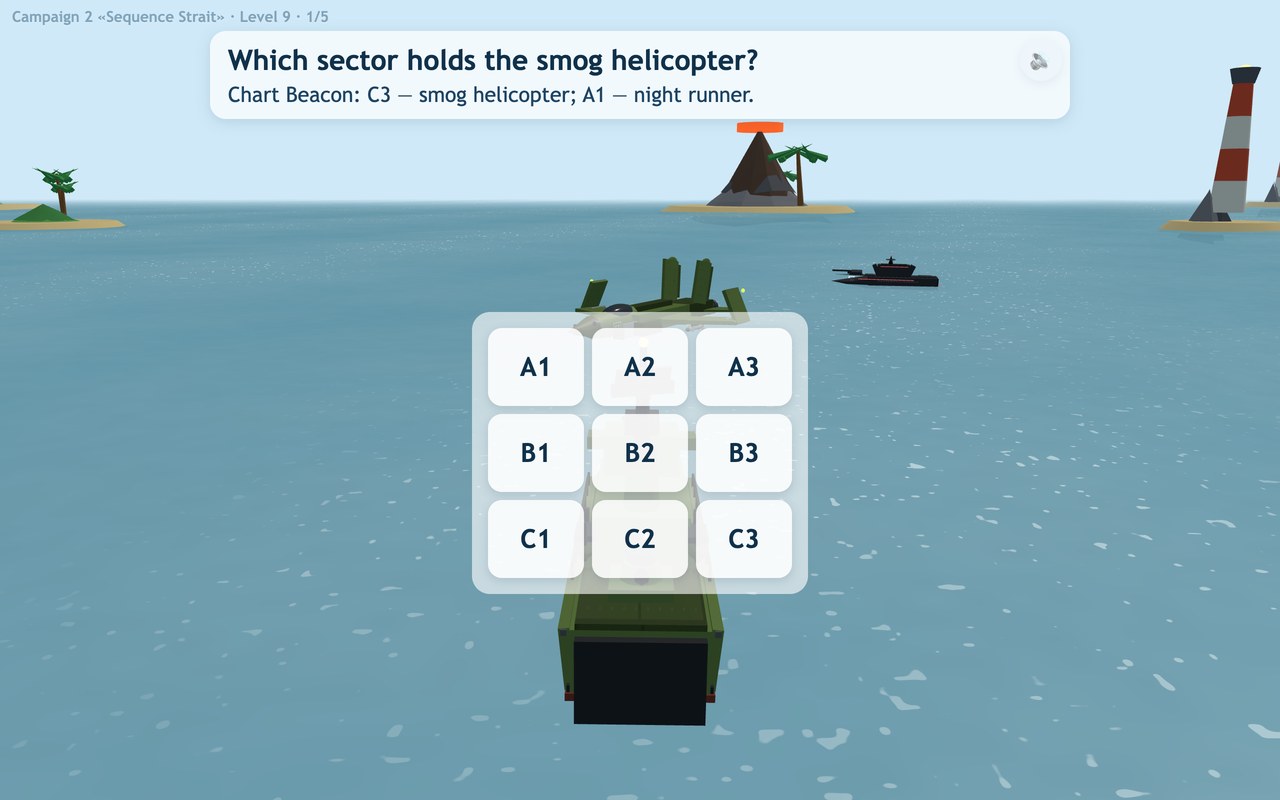 Free Reading Games for Kids — Fleet Captain 7+
Free reading games for kids that go past sounding out: read a short written …
-
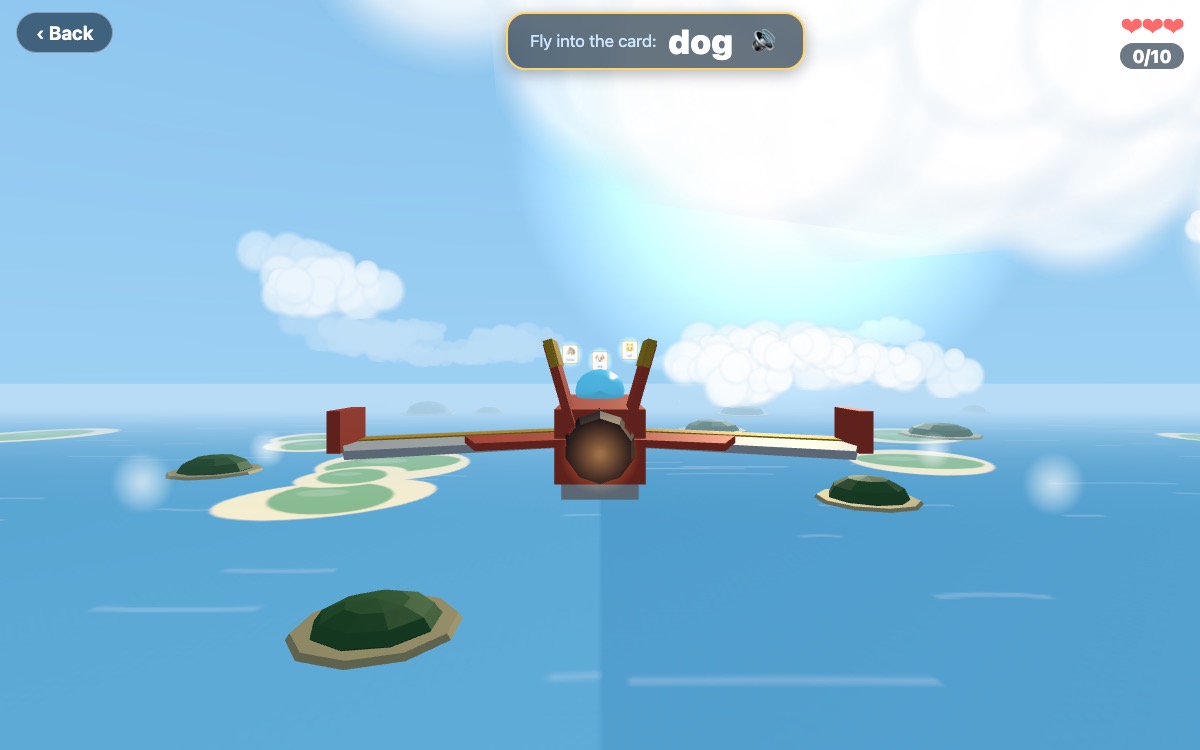 Spelling Games for Kids — Free Word Wings 4+
Spelling games for young children: hear the word, then build it letter by letter …
-
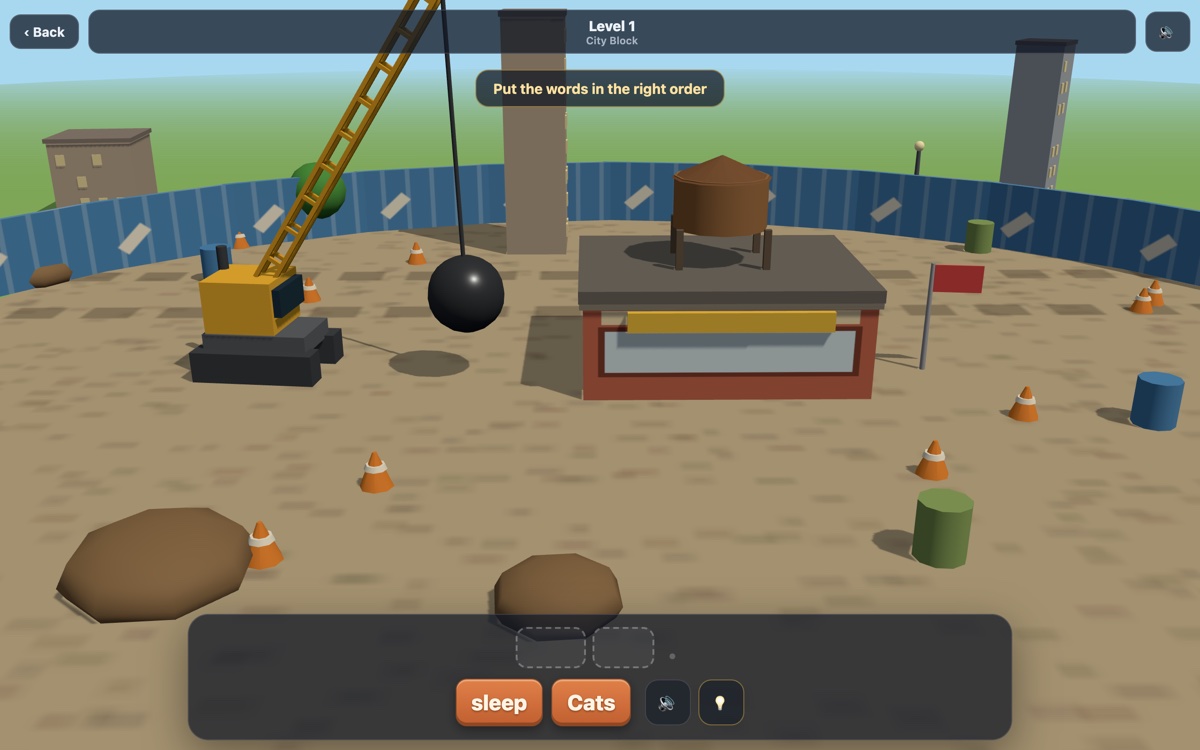 Simple Sentences — Free Word Order Game for Kids 6+
Building simple sentences: drag the scrambled words into the right order and the wrecking …
Explore
Learning to read English is not one skill, it is six, and they only work in order. Skip one and the child compensates by guessing — which looks like reading for about a year, then stops working.
Step 1 — letter sounds, not letter names. The letter h is called "aitch", a name containing none of the sound it makes in hat. Teach the sound. All 26, then the digraphs sh, ch, th, ck, ng, which behave as single sounds.
Step 2 — blending. Hearing m-a-p and saying map. This is the moment reading actually begins. Two-sound words first (at, up, in), then three.
Step 3 — word families. cat, hat, mat, sat. Changing one letter at the front while the ending stays put builds speed fast, because the child is only decoding one sound instead of three.
Step 4 — the exceptions that cannot wait. the, was, said, of, one, come. A handful of words break the rules and make up a quarter of everything printed. They are memorised whole, and they must come early or every sentence stalls.
Step 5 — long vowels and silent e. cap → cape, kit → kite. The first big rule that changes a word the child already knows.
Step 6 — syllables and fluency. Longer words become readable once they are chopped: rab-bit, sun-set, fan-tas-tic. Then the goal shifts from accuracy to speed, because comprehension only appears once decoding is fast enough to leave room for meaning.
How long? Ten minutes daily beats an hour weekly, and it is normal for a stage to take a month. If a child stalls, drop back one step for a week rather than pushing.
Pick a stage: phonics games, blending words, word families, sight words games, or start at games for kindergarteners.
The science behind the games
Every Dad4Kids game is built on one simple truth: children want to play, not study — so we turn learning into a game worth replaying. The method draws on peer-reviewed research in game-based learning, motivation, and how memory works.
- Tokac et al. (2019). Effects of game-based learning on students' mathematics achievement: A meta-analysis. Journal of Computer Assisted Learning.
- Alotaibi (2024). Game-based learning in early childhood education: a systematic review and meta-analysis. Frontiers in Psychology.
- Lampropoulos & Sidiropoulos (2024). Impact of gamification on students' learning outcomes and academic performance: a meta-analysis. Education Sciences.
- Taylor & Boyer (2019). Play-based learning: evidence-based research to improve children's learning experiences. Early Childhood Education Journal.
- Gottfried (1990). Academic intrinsic motivation in young elementary school children. Journal of Educational Psychology.
- Yang et al. (2018). Enhancing learning and retrieval of new information: a review of the forward testing effect. npj Science of Learning.
FAQ
What age is this for?
From about age 4–5, right as children start matching letters to sounds. It grows from single sounds to CVC words and short sentences.
Does my child need to read already?
No — the games start from the very first letter-sounds with audio, so a complete beginner can jump in.
By Evgeny Arsentiev, PhD · Last updated: August 2026