
Evgenii Arsentev's Math — Arithmetic Games for Kids
Games
-
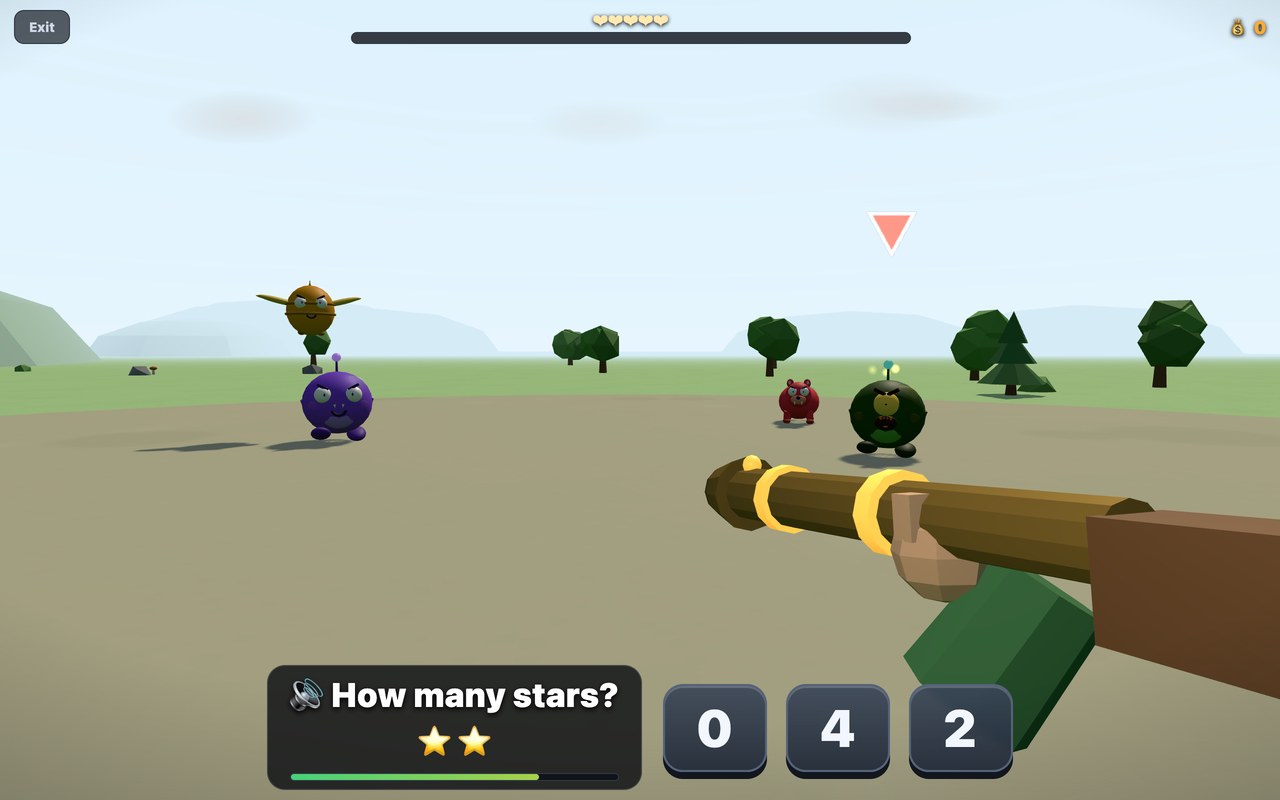 Math Games for Kindergarten — Free Math Archer 3D 4+
Math games for 5 year olds that start at counting to 5: an elf …
-
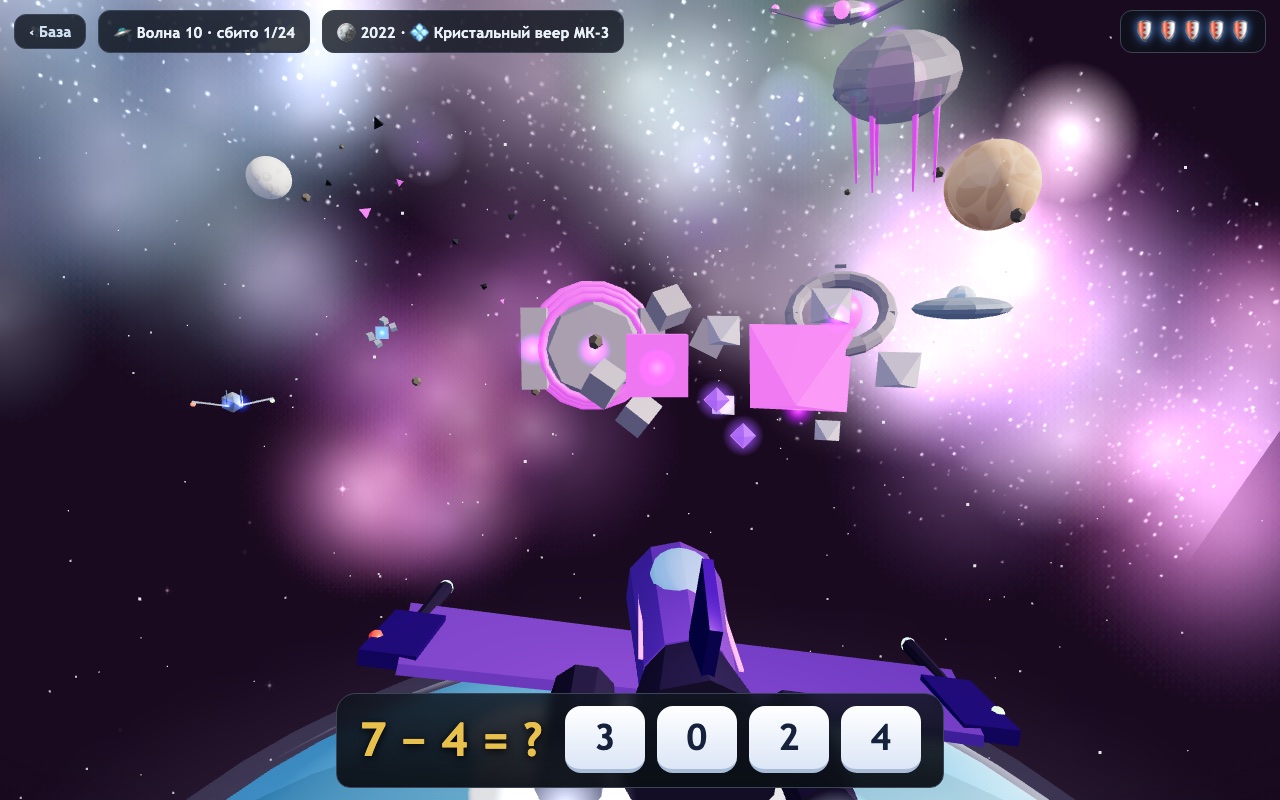 Math Facts Games for Kids — Free Online 6+
Math facts games for kids in Earth orbit: solve addition, subtraction and times tables …
-
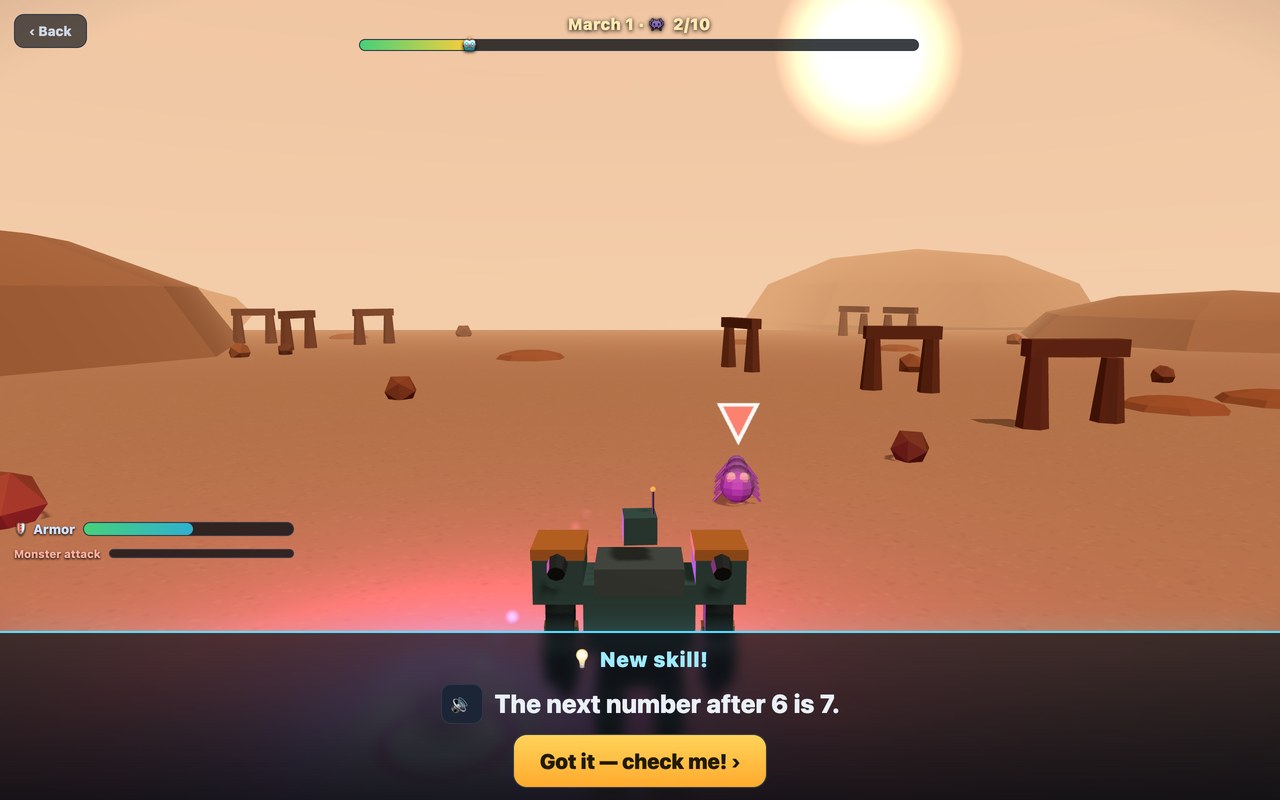 Math Facts Games — Free Star Mech Fluency Drill 7+
Math facts games with a real mastery rule: five right in a row retires …
-
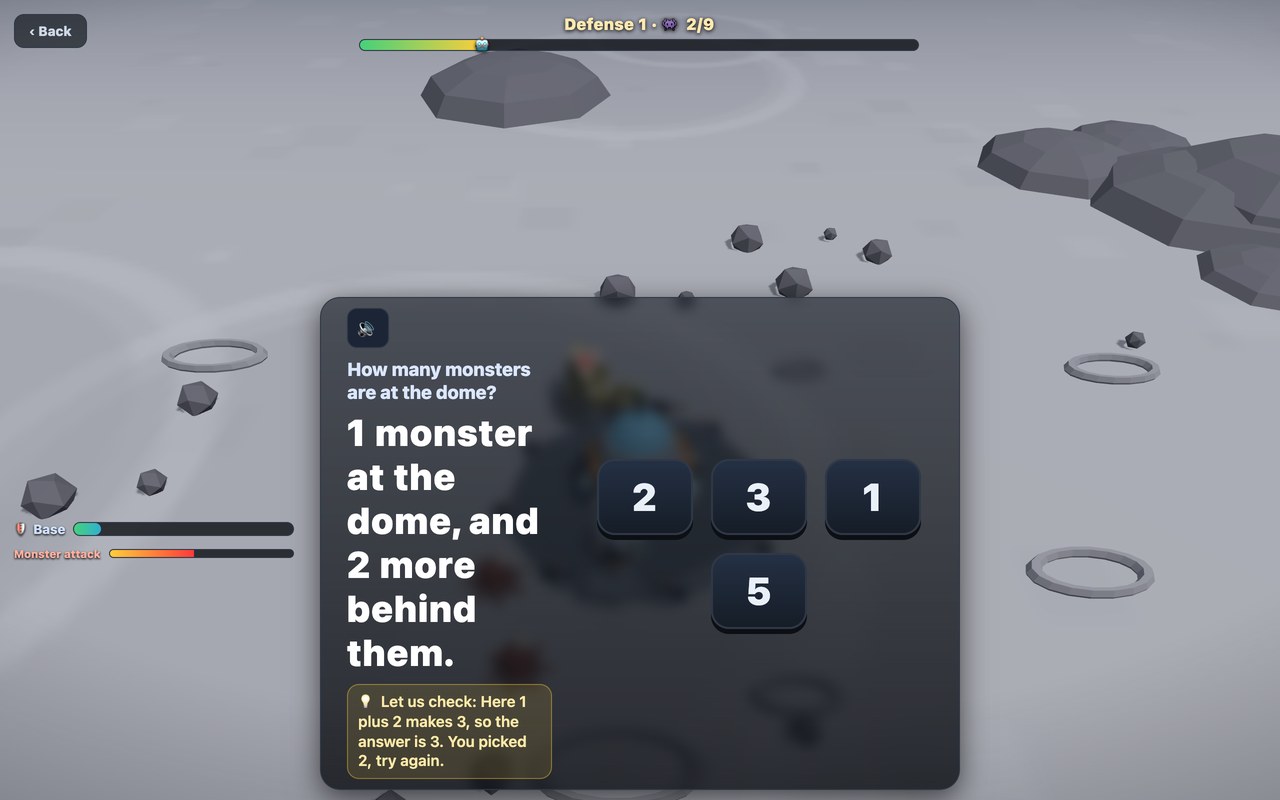 Math Games for 2nd Graders — Free Moon Base Defence 7+
Math games for 2nd graders: monsters rush the moon base and only a correct …
-
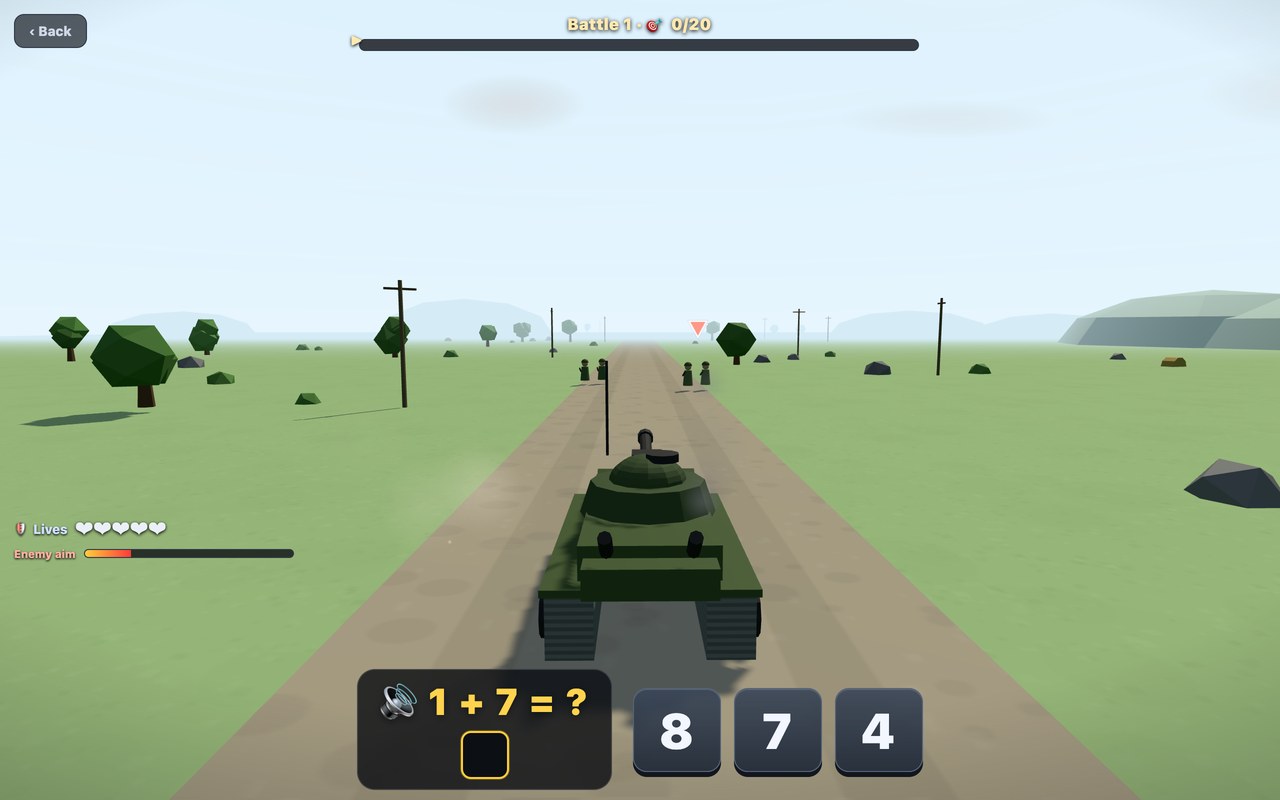 Mental Math Games for Kids — Free Math Tanks 7+
Mental math games in a 3D tank campaign: solve the problem, build the answer …
-
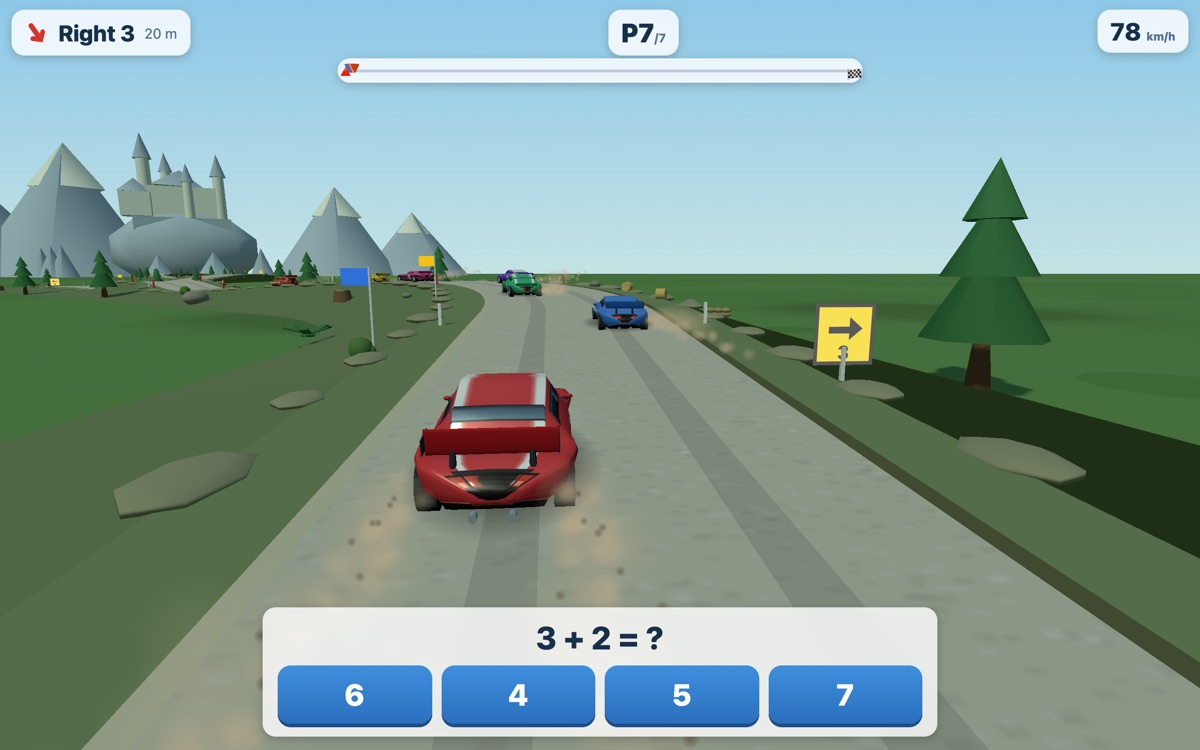 Number Games for Kids: Answer Right and the Car Pulls Away 7+
Number games for kids where solving is the accelerator: answer and your rally car …
-
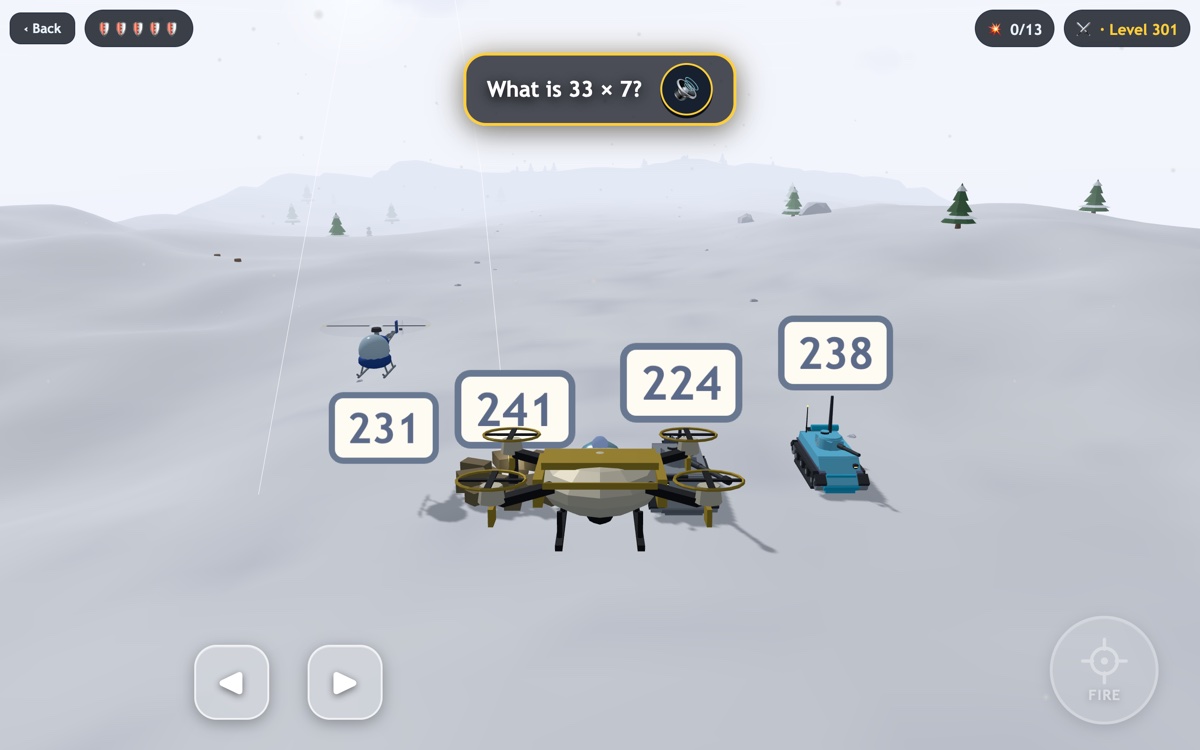 Math Games for 4th Graders — Free Drone Patrol 9+
Math games for 4th graders: multi-digit multiplication, division with remainder, factors, equivalent fractions and …
-
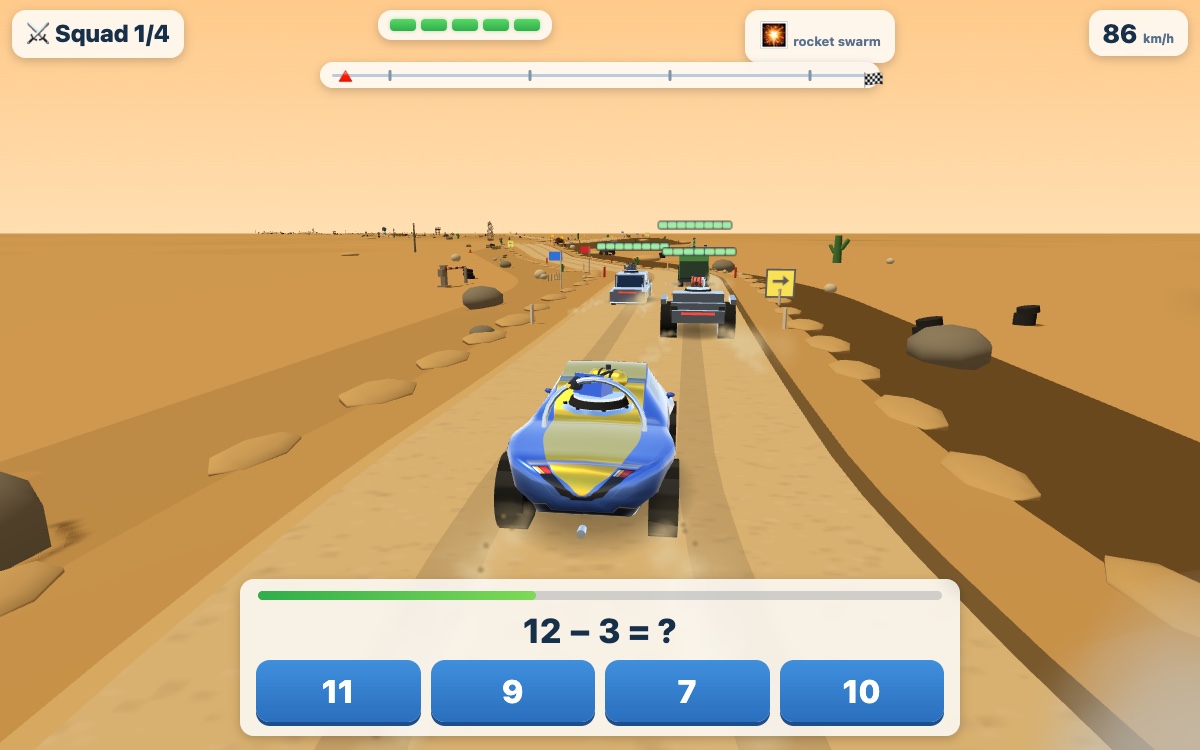 Car Math Games: Solve It and Your Car Fires 7+
Car math games where answering fires the gun: solve the problem and your battle …
-
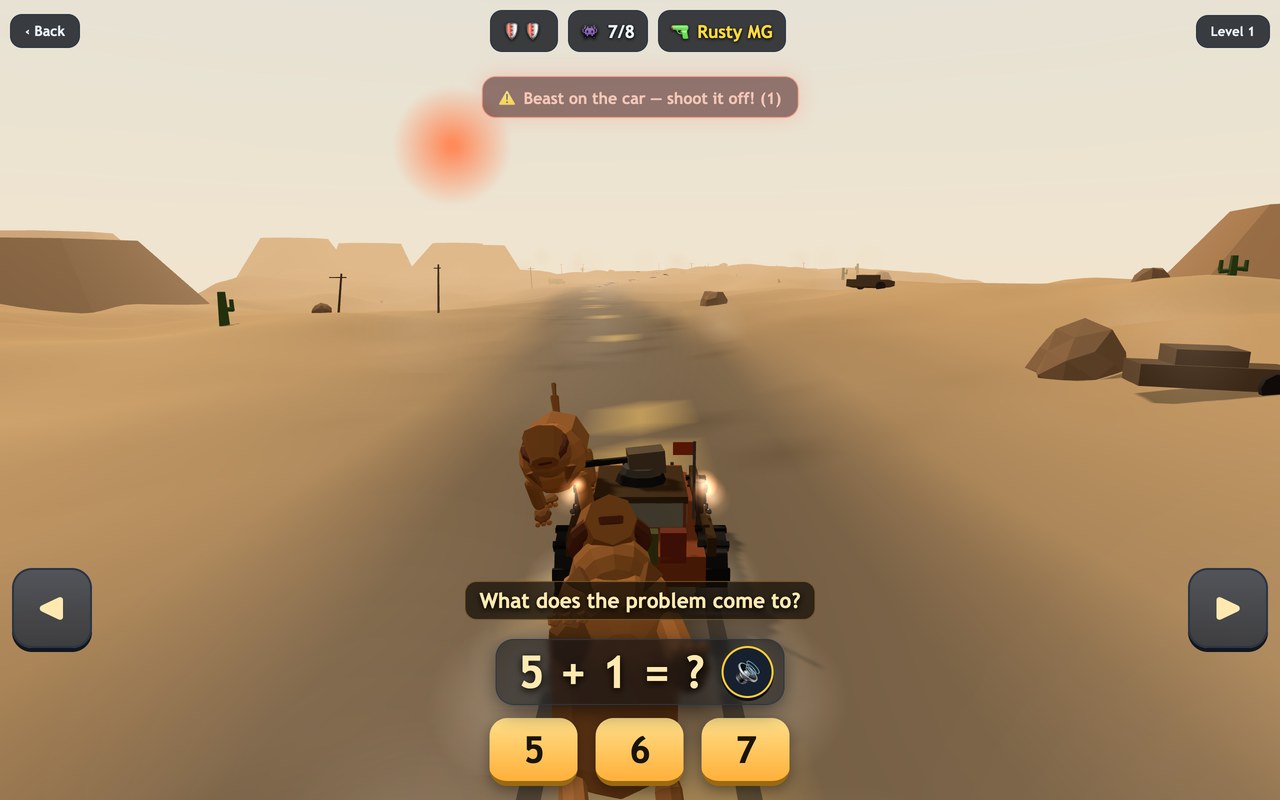 Math Shooting Games — Free Wasteland Chase 6+
Math racing game on a desert highway: compare numbers, spot patterns and solve to …
-
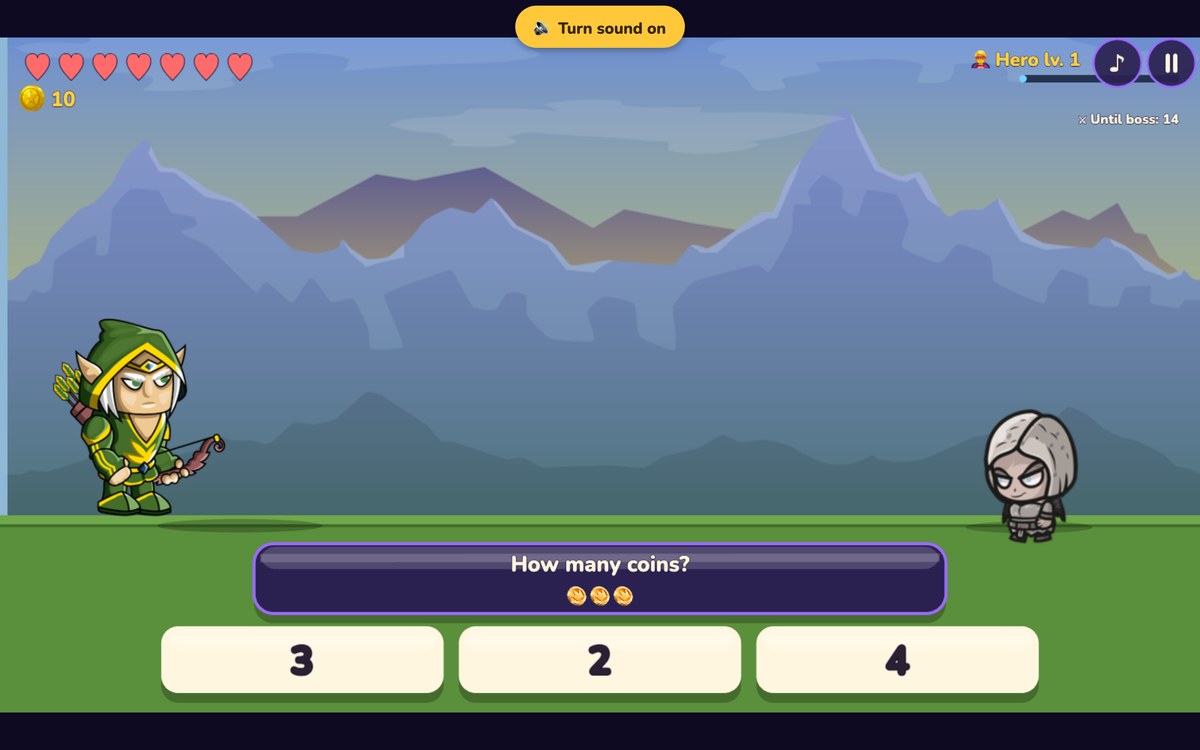 Math Games for 5th Graders — Free Math Blaster 4+
Math games for 5th graders: decimals, percent, fractions, area, perimeter, volume and solving for …
-
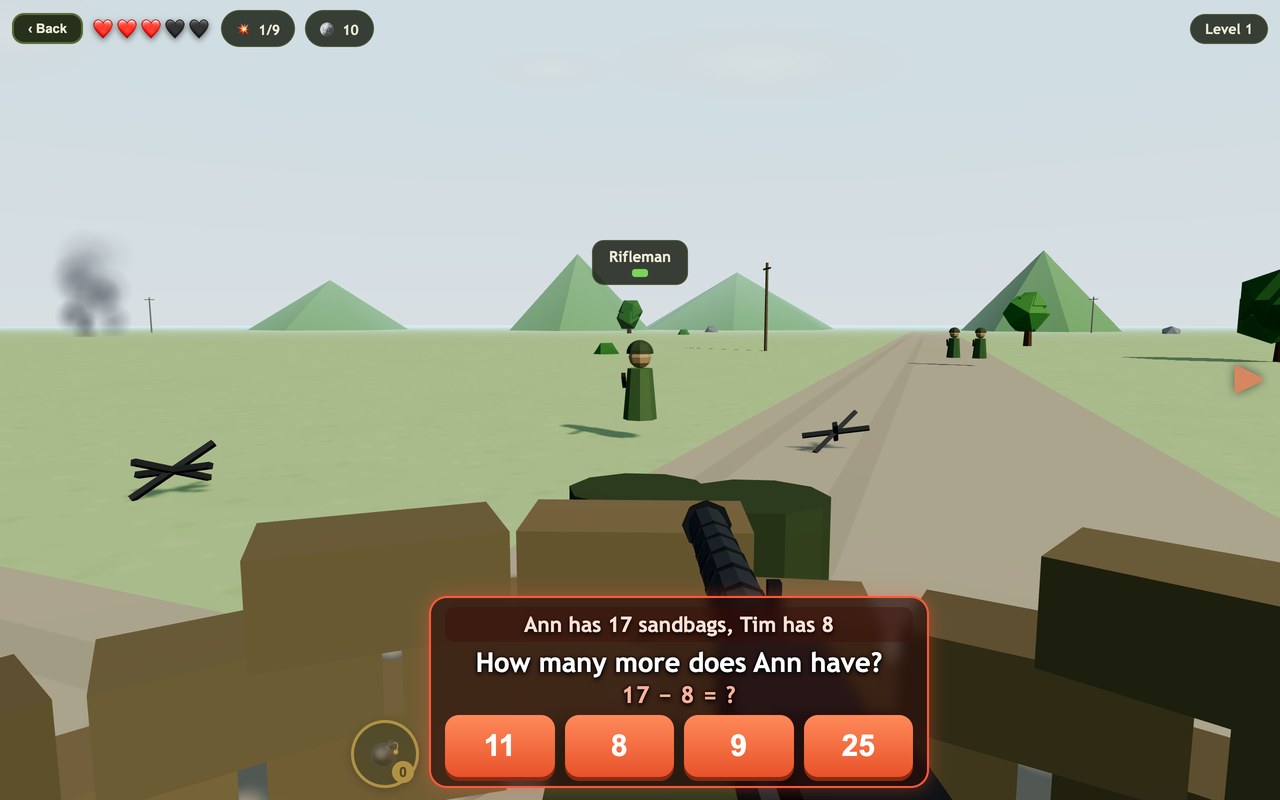 Math Games for 3rd Graders — Free Firing Line 6+
Math games for 3rd graders: short word problems, adding and subtracting past 100, times …
-
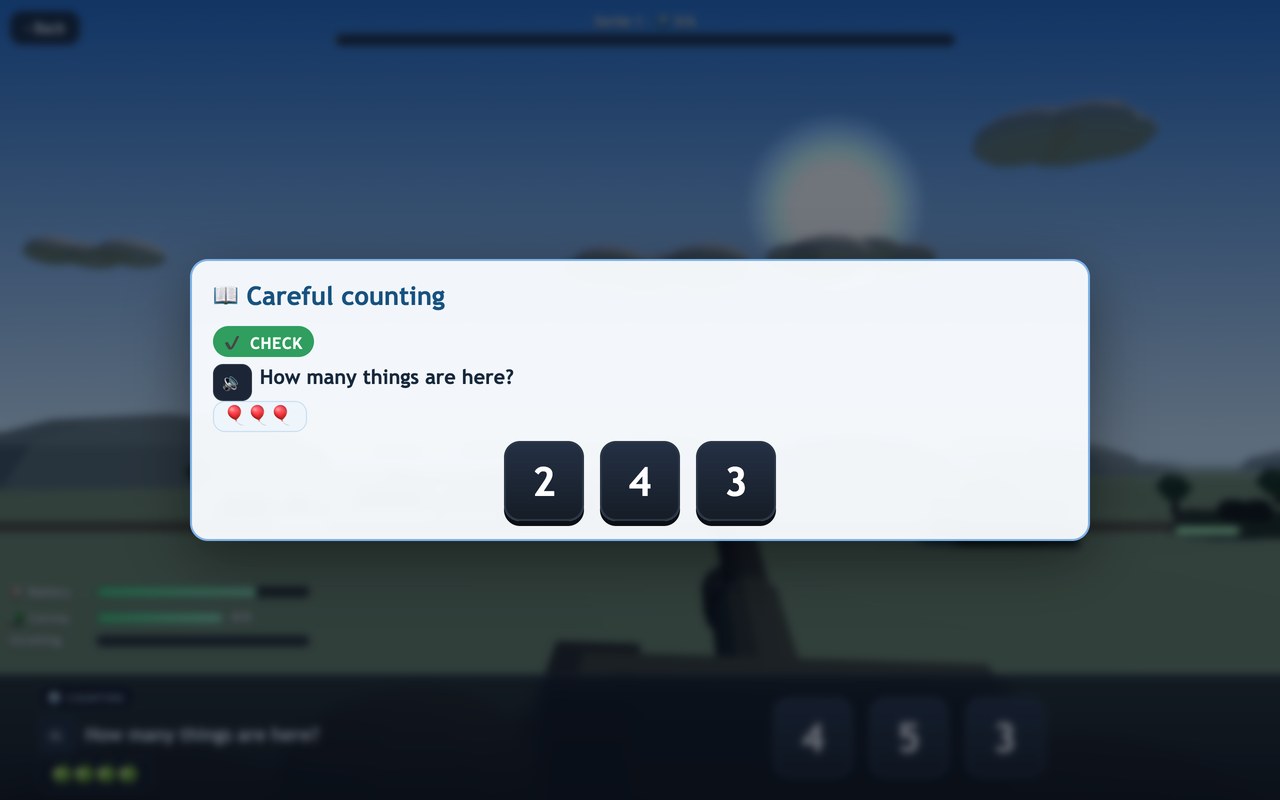 Logic Games for Kids — Free Sky Guard 5+
Logic games at a first-person flak gun: down the planes by solving 300 puzzles …
Our addition games for kids turn one of the very first math skills into something children actually look forward to. Instead of drilling sums on a worksheet, your child practises adding numbers through quick, playful rounds that feel like a game and quietly build real fluency. Whether your little one is just learning that 2 + 2 makes 4 or is ready to add bigger numbers in their head, the right kind of practice makes all the difference.
Why playful addition practice works
Addition is a building block for almost everything that comes later in math: subtraction, multiplication, money, time, and word problems. When kids feel confident adding small numbers quickly, the harder topics stop feeling scary. The trouble is that repetition can get boring fast, and a bored child stops trying.
Games solve this because they wrap the repetition in a goal. Your child wants to beat the level, earn the next reward, or answer before the timer runs out, so they keep practising without noticing how many sums they have done. That low-pressure, high-motivation loop is exactly what helps facts move into long-term memory.
How kids progress with addition
Children usually build addition skills in a natural order, and good games follow that same ladder so the difficulty rises gently.
Starting out: adding within 10
Early on, kids learn to combine small groups, like 3 + 4 or 5 + 2, often by counting on their fingers or counting up out loud. This is the stage where number sense forms, so plenty of slow, friendly practice matters more than speed.
Building up: adding within 20 and number bonds
Next, children learn the pairs that make 10 (the famous number bonds: 6 + 4, 7 + 3, 8 + 2) and start adding within 20. Knowing these bonds by heart is a huge shortcut that makes mental math much faster.
Stretching further: two-digit addition
Once the basics are automatic, kids move on to adding tens and ones, then two-digit sums with and without carrying. By this point the goal shifts from counting to recalling, so they answer in seconds rather than working it out from scratch.
Our free Math Blaster addition game walks kids up this ladder automatically, starting easy and adding a little more challenge only when your child is ready, so they stay in that sweet spot of "tricky but doable."
Tips to make addition click at home
Games do a lot of the work, but a few small habits at home make the learning stick even faster.
- Count real things. Add up apples in the bowl, steps on the stairs, or toy cars on the rug. Touching real objects makes the math concrete.
- Keep sessions short. Five to ten focused minutes beats a long, frustrating slog. Stop while it is still fun.
- Talk through the "how." Ask your child how they got an answer. Explaining it out loud strengthens understanding.
- Praise effort, not just correct answers. Celebrating a good try keeps kids willing to take on harder sums.
- Mix play and practice. Pair a quick game session with everyday counting so math feels like part of normal life.
For more ways to keep building skills, explore our full collection of math games for kids, where addition sits alongside subtraction, counting, and other early math adventures your child can grow into.
A confidence boost that lasts
The real win from playful addition practice is not just faster sums, it is a child who believes they are good at math. Every level cleared and every right answer adds up to confidence, and confident kids keep showing up to learn. Start with a few minutes a day, follow your child's pace, and let the games carry the fun.
Where addition really gets stuck
Children rarely fail at addition because they do not understand it. They fail because they are still counting. Counting on fingers works beautifully up to about eight and then quietly becomes a tax on everything else: every sum costs three seconds and a chunk of attention, so nothing is left over for the bigger problem the sum was part of.
The facts that actually cost money
Of the hundred single-digit sums, most are cheap. The expensive ones cluster: anything crossing ten, and in particular the +7, +8 and +9 family. The trick worth teaching is bridging — 8 + 6 is 8 + 2 + 4, because getting to ten first is free. Games on this page drill that crossing until it stops being a calculation, then hand the child two-digit sums where the crossing happens inside a column.
Subtraction is not a separate subject
13 − 5 and 5 + 8 = 13 are the same fact seen from two sides, and a child who knows that has halved the amount they must memorise. Several games here deliberately flip the question mid-round, so the number family stays one object in the child's head instead of two lists.
What to watch for while they play
Look at the hand, not the score. Fingers still moving under the table means the facts are not automatic yet, however many rounds are being won — slow the level down rather than up. Lips moving in a count is the same signal. When answers start arriving before the child looks like they have thought, that is the moment to add a digit.
Ages
The gentlest games suit four- and five-year-olds working within ten; the fastest suit eight- and nine-year-olds who need multi-digit speed. Related pages: 1st grade math, 2nd grade math and times tables.
The science behind the games
Every Dad4Kids game is built on one simple truth: children want to play, not study — so we turn learning into a game worth replaying. The method draws on peer-reviewed research in game-based learning, motivation, and how memory works.
- Tokac et al. (2019). Effects of game-based learning on students' mathematics achievement: A meta-analysis. Journal of Computer Assisted Learning.
- Alotaibi (2024). Game-based learning in early childhood education: a systematic review and meta-analysis. Frontiers in Psychology.
- Lampropoulos & Sidiropoulos (2024). Impact of gamification on students' learning outcomes and academic performance: a meta-analysis. Education Sciences.
- Taylor & Boyer (2019). Play-based learning: evidence-based research to improve children's learning experiences. Early Childhood Education Journal.
- Gottfried (1990). Academic intrinsic motivation in young elementary school children. Journal of Educational Psychology.
- Yang et al. (2018). Enhancing learning and retrieval of new information: a review of the forward testing effect. npj Science of Learning.
FAQ
What are some easy addition games?
How to teach addition in a fun way?
What age do kids learn addition?
How can I help my child memorize addition facts?
Are these addition games free to play?
By Evgeny Arsentiev, PhD · Last updated: September 2026