
Educational Games for Kids
Games
-
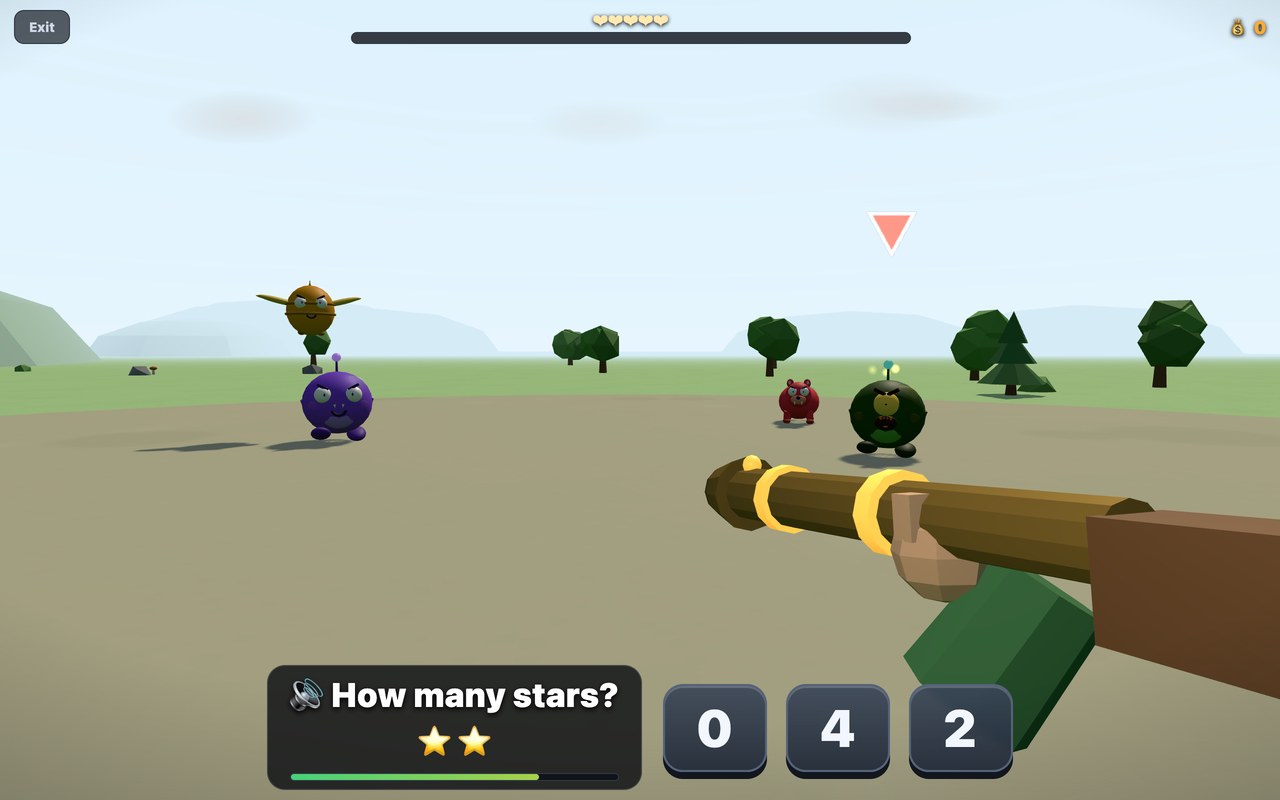 Math Games for Kindergarten — Free Math Archer 3D 4+
Math games for 5 year olds that start at counting to 5: an elf …
-
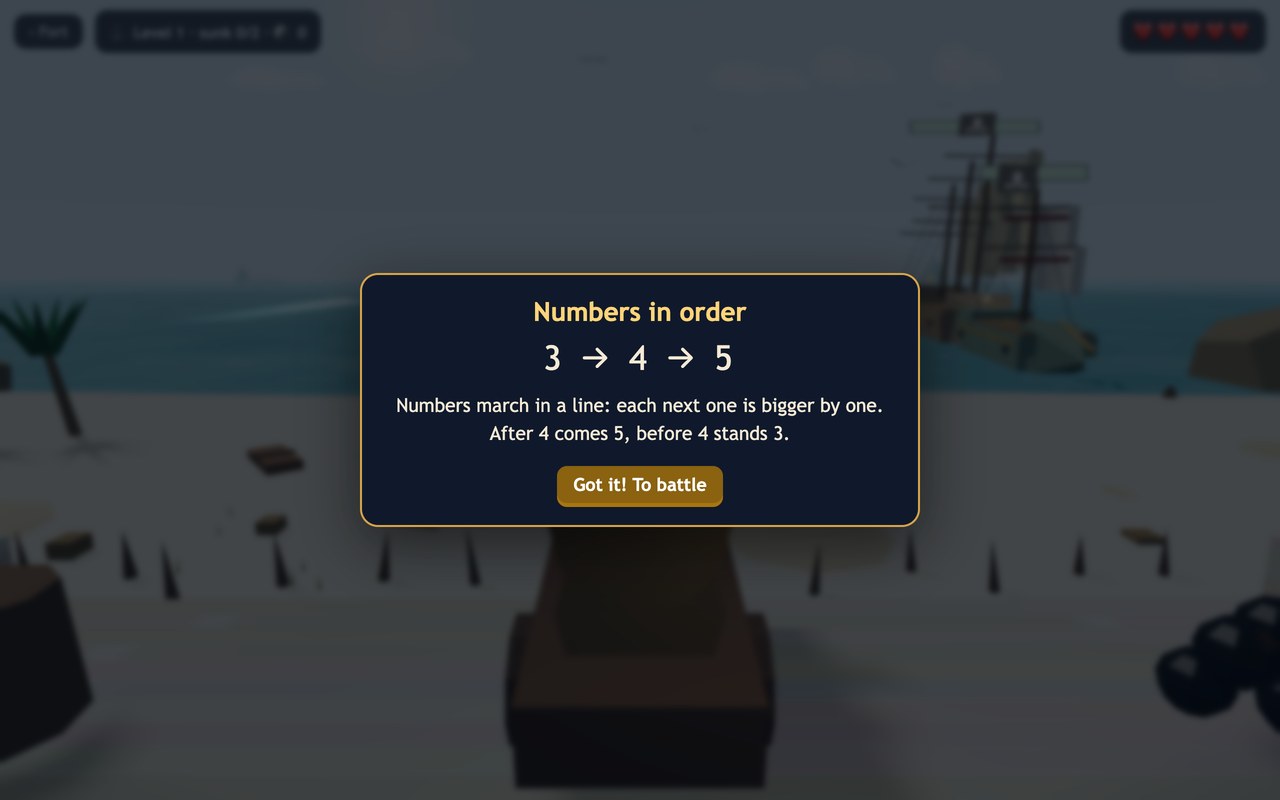 Math Games for Kids — Free Online 6+
Math games for kids on a pirate wall: solve addition, subtraction and more to …
-
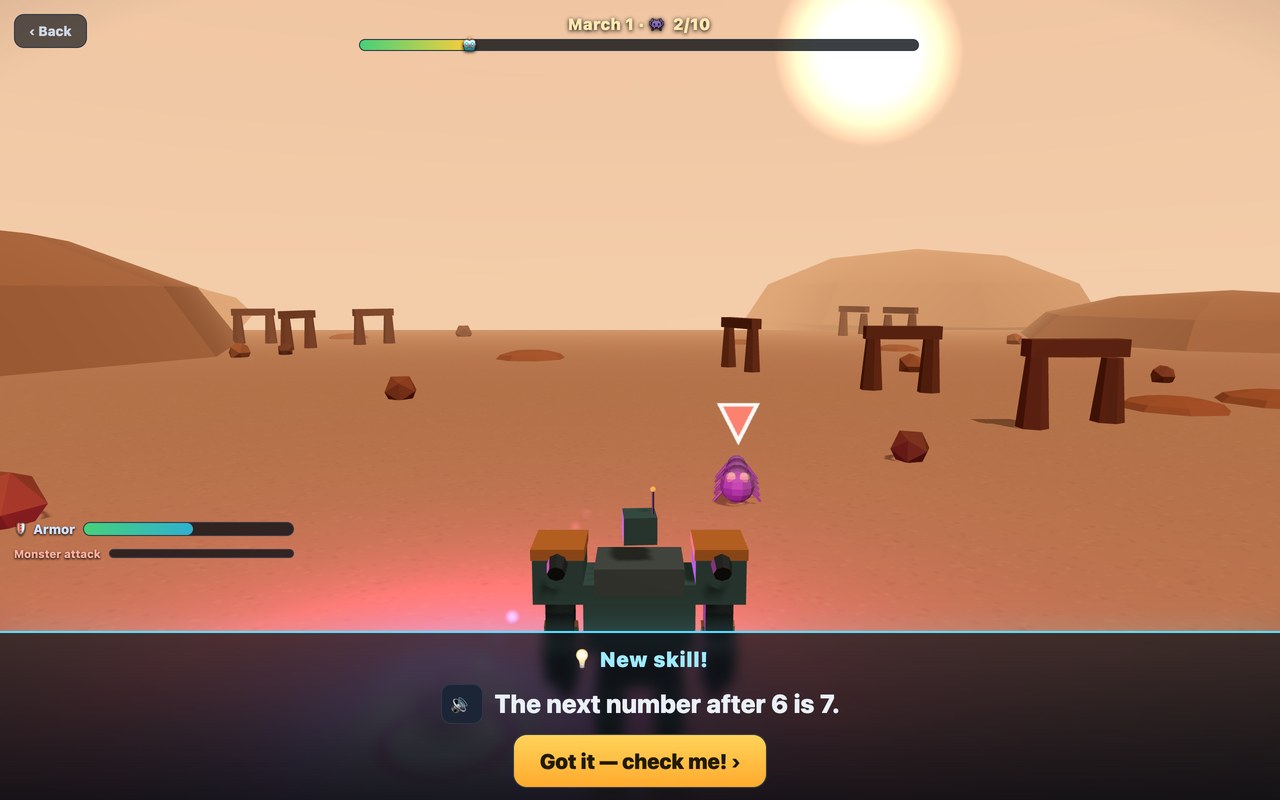 Math Facts Games — Free Star Mech Fluency Drill 7+
Math facts games with a real mastery rule: five right in a row retires …
-
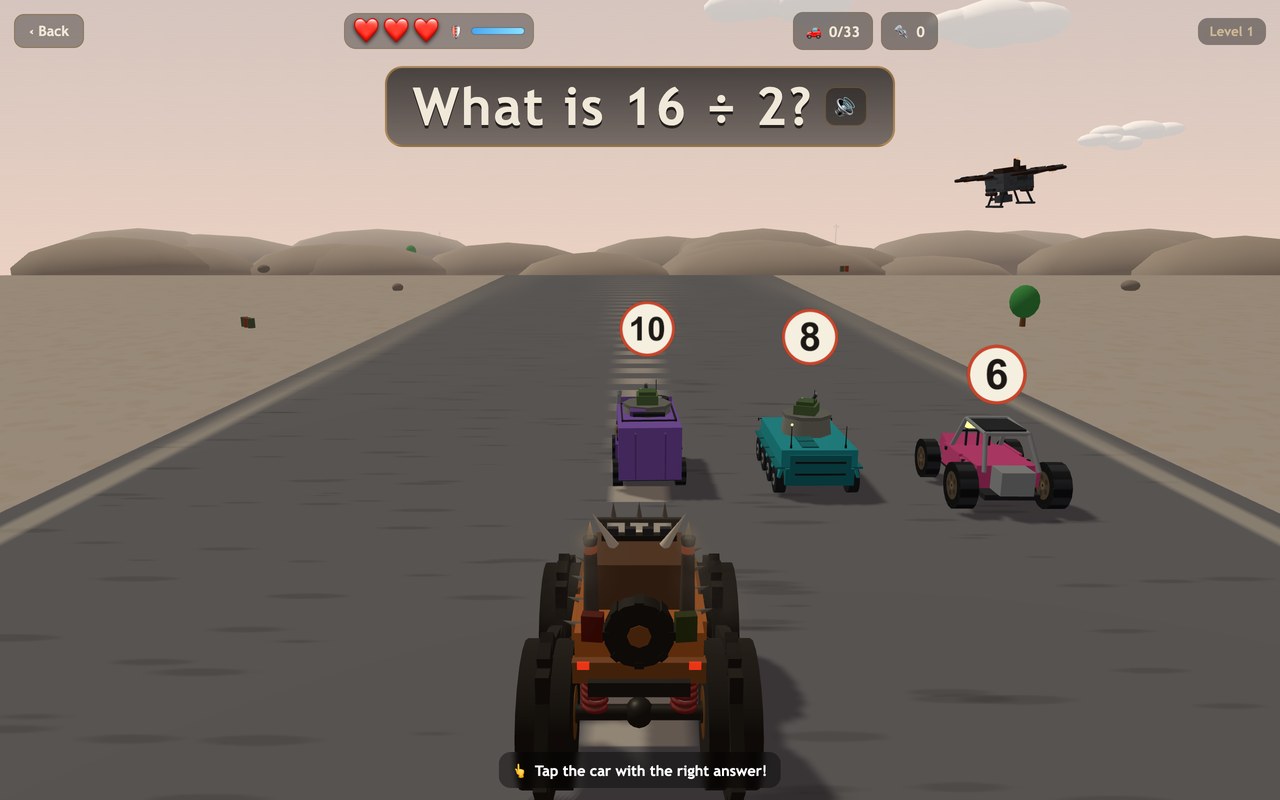 Times Tables Game for Kids — Free Bigfoot Arena 7+
Times tables practice in a demolition derby: crush the car carrying the right answer …
-
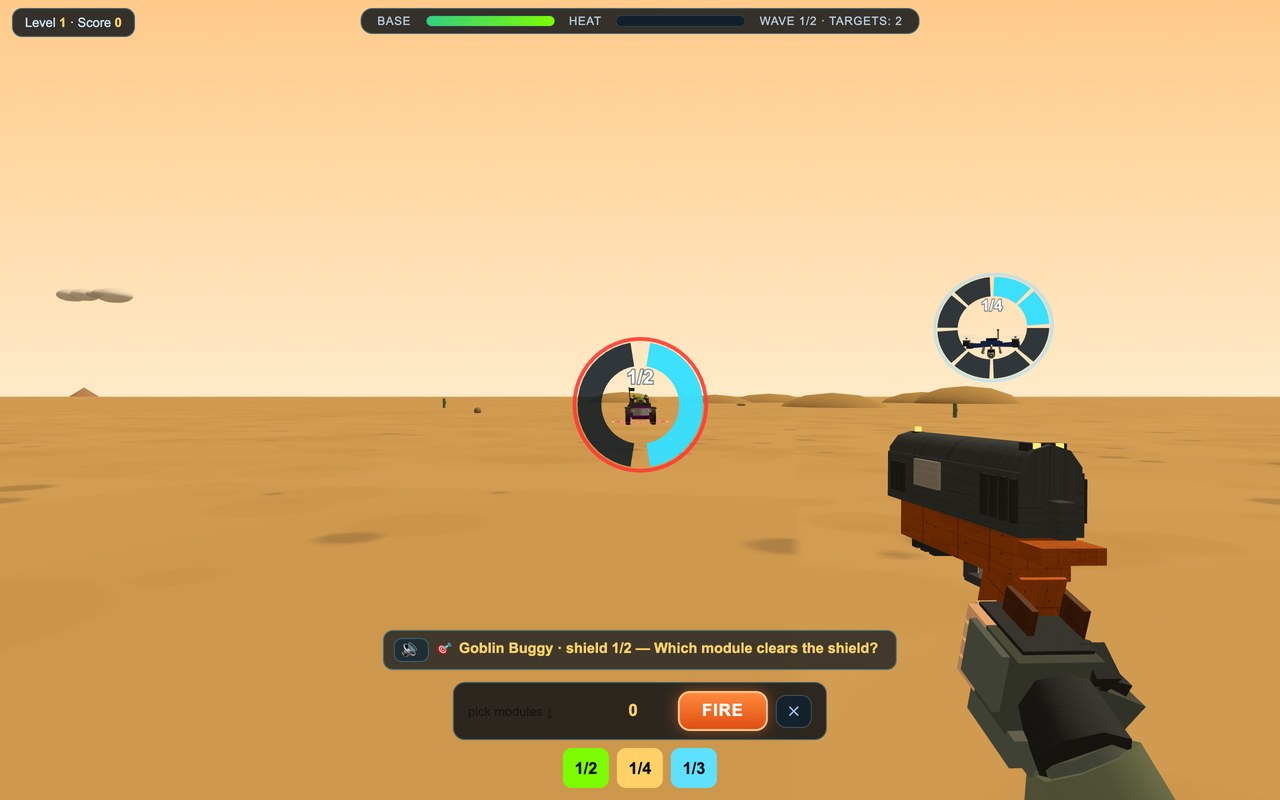 Equivalent Fractions — Free Game With 500 Levels 7+
Equivalent fractions practice: pick the round that matches the shield and fire. 1/2 = …
-
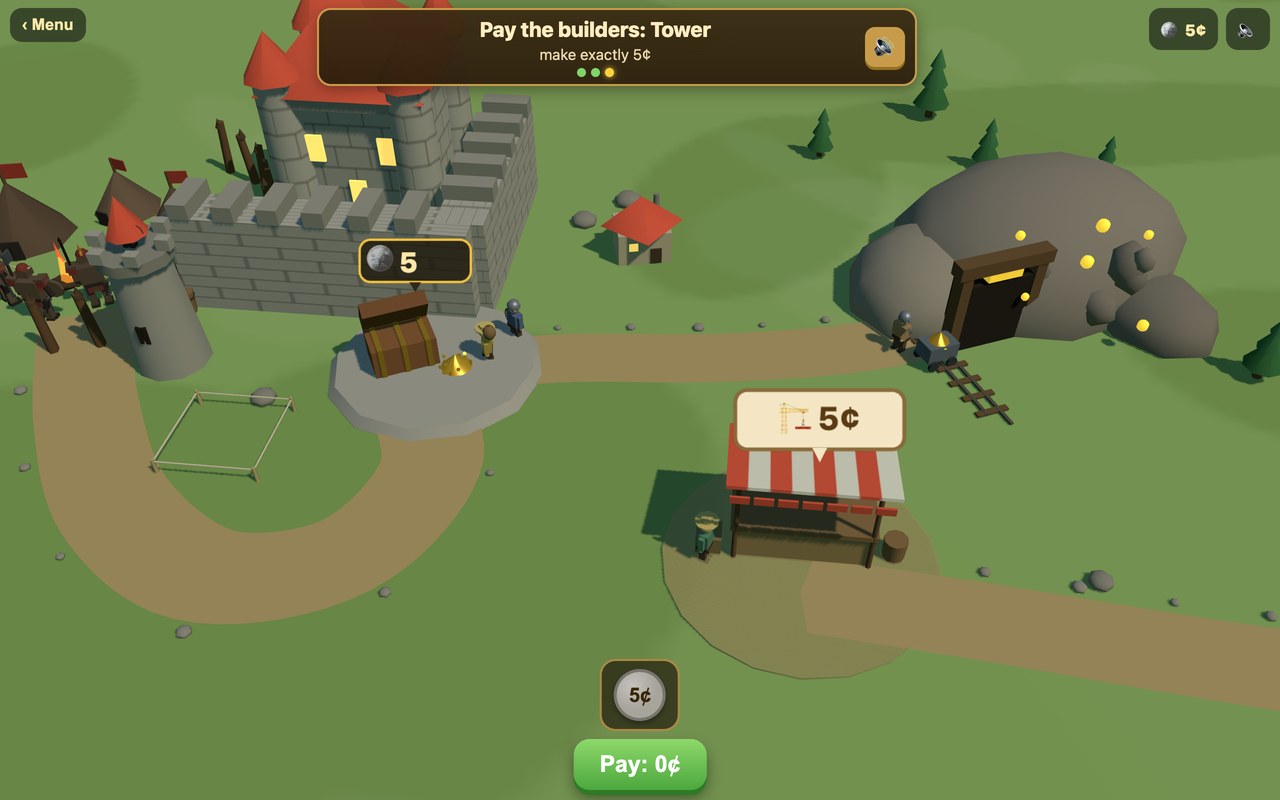 Counting Money — Free Treasury Keep Game for Kids 7+
Counting money in a treasury: add up the coins, compare two prices, make an …
-
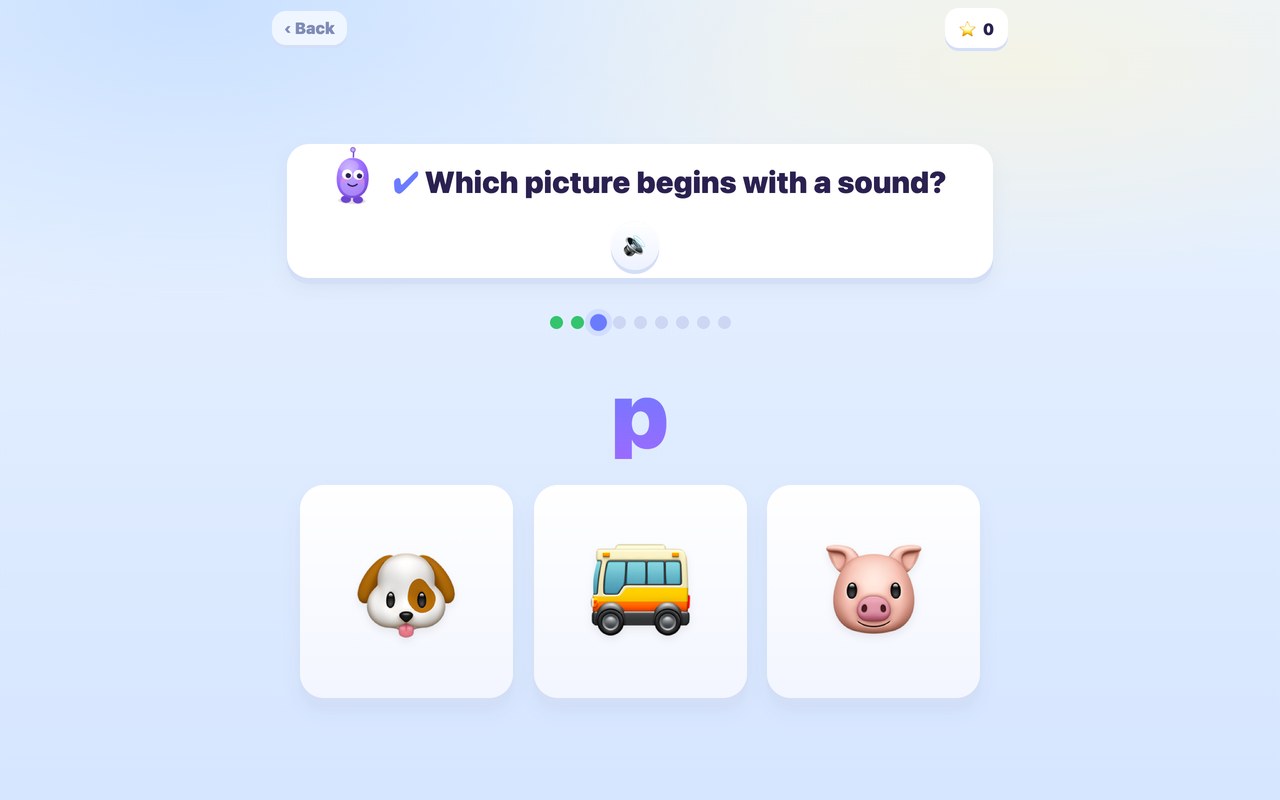 CVC Words — Free Phonics Game for Beginning Readers 4+
Free practice with CVC words — sun, ant, tap, mad, dog: letter sounds in …
-
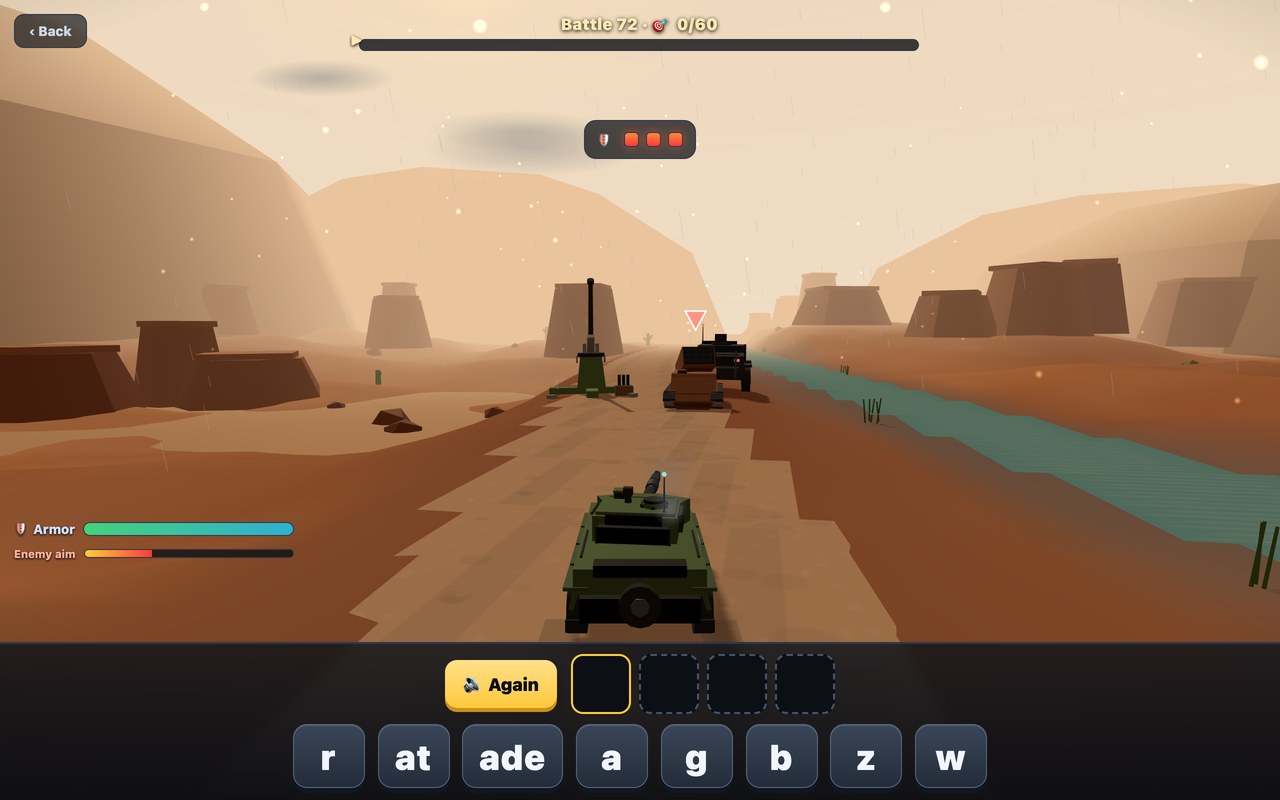 Reading Games — Free Online Reading Practice for Kids 5+
Reading games where reading is the controls: your child reads the word on screen …
-
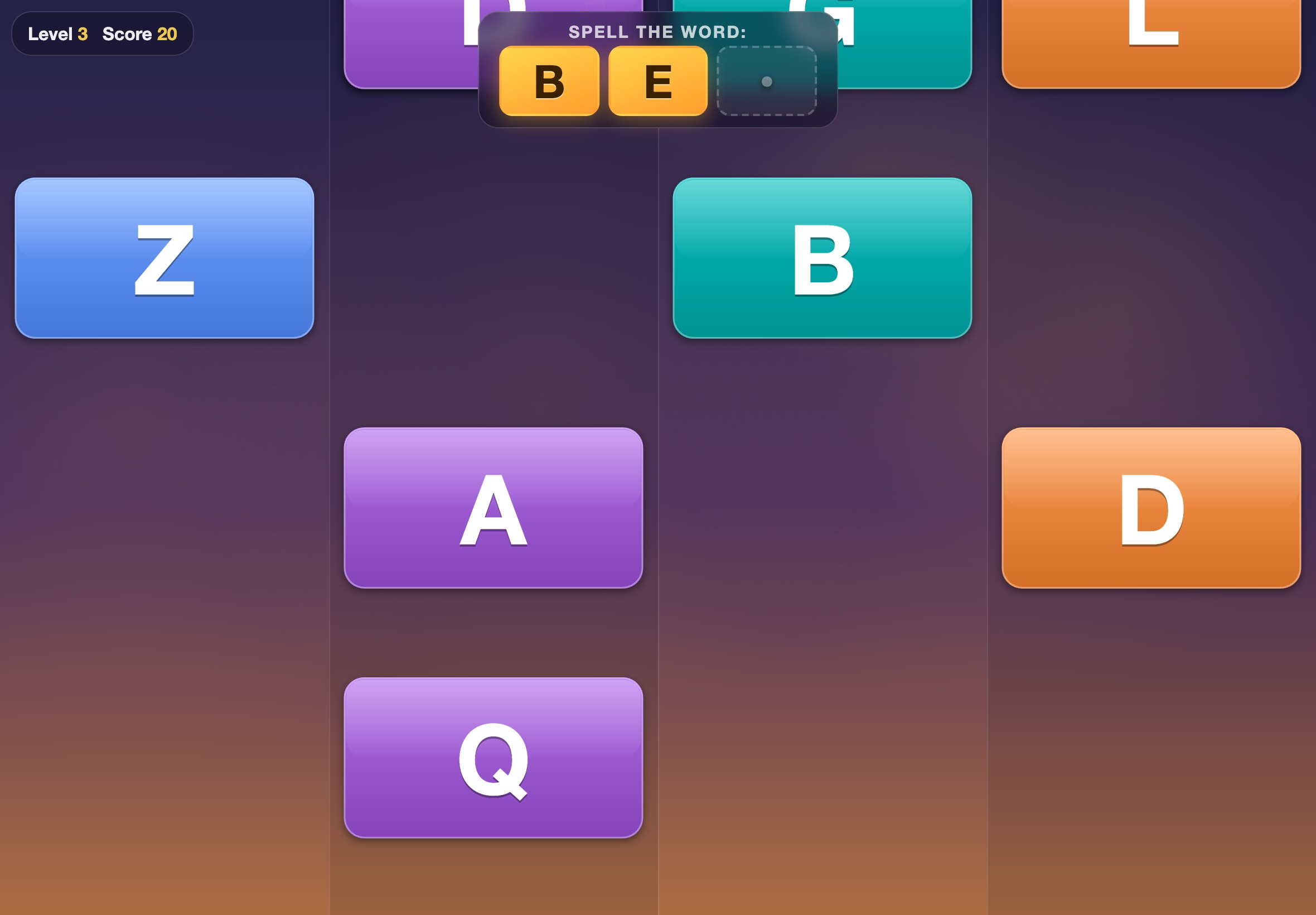 Free Sight Word Games — Hear the Word, Build It Piece by Piece 5+
Free sight word games in the browser: a voice says the word, coloured tiles …
-
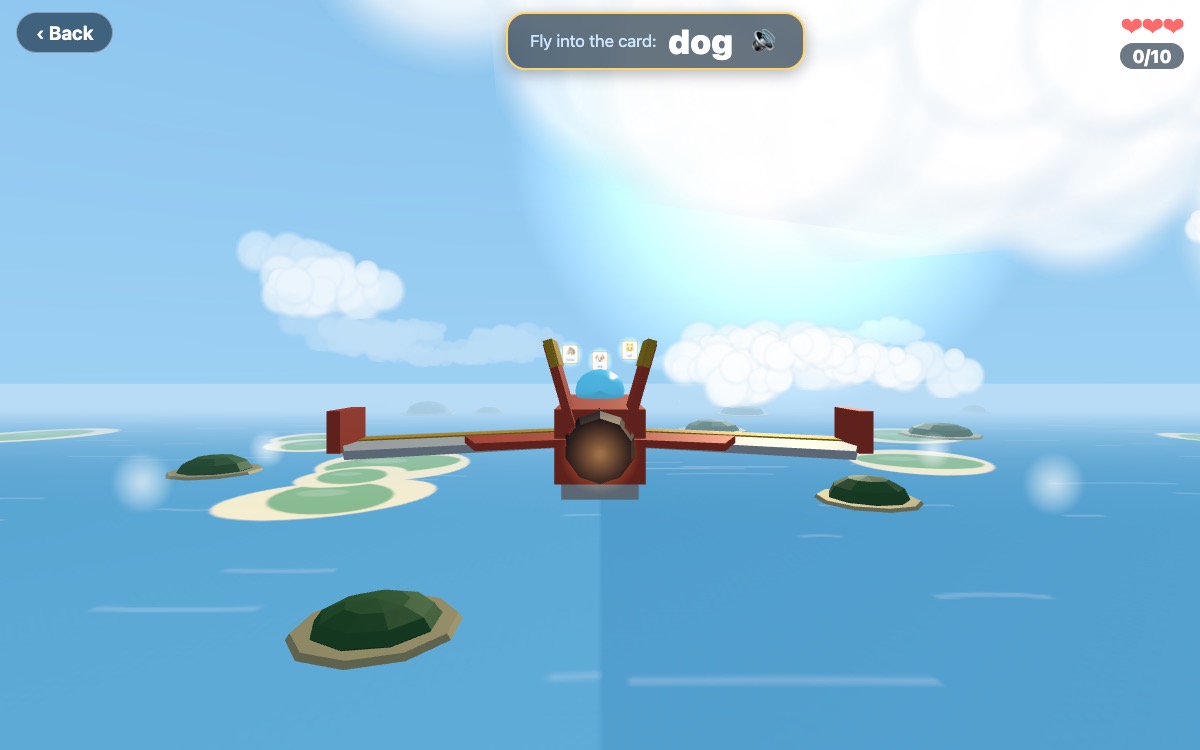 Spelling Games for Kids — Free Word Wings 4+
Spelling games for young children: hear the word, then build it letter by letter …
-
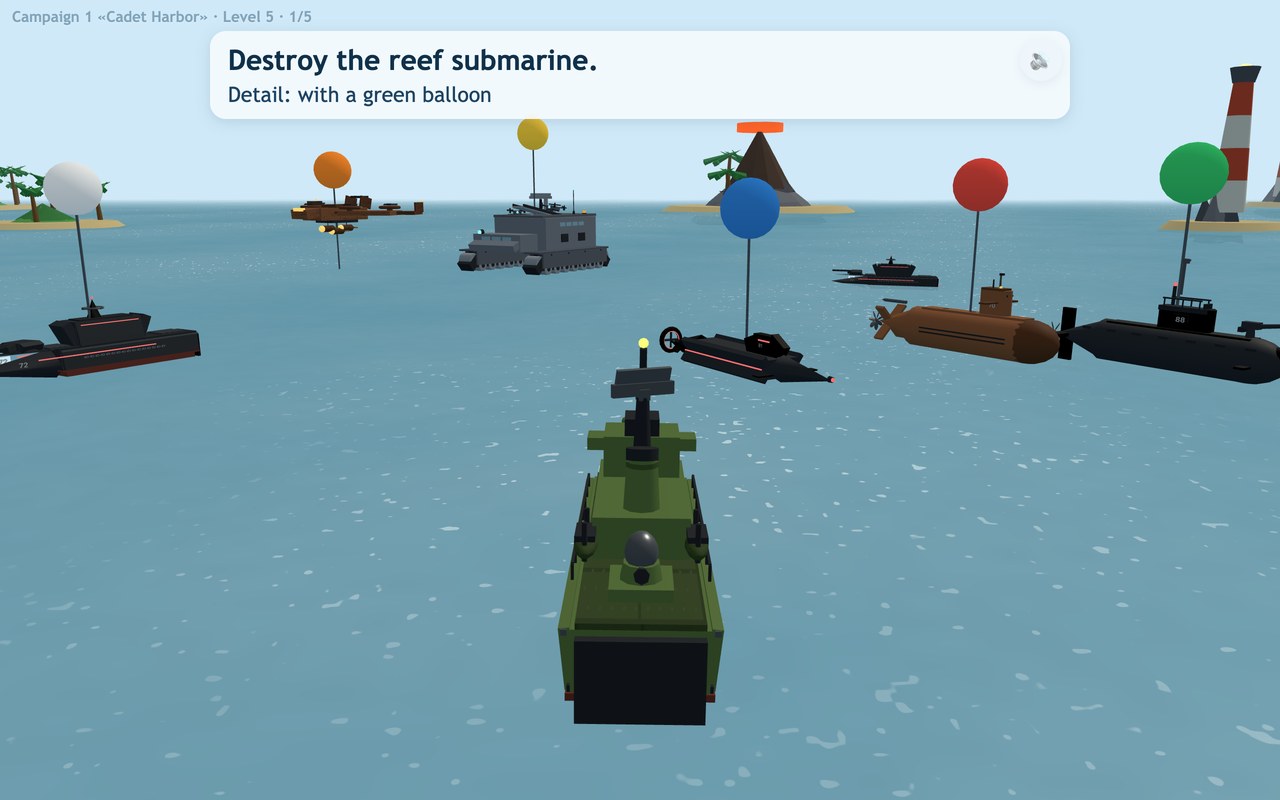 Reading Comprehension Games for Kids — Free Online 8+
Reading comprehension games for kids: read the report, find the evidence and follow written …
-
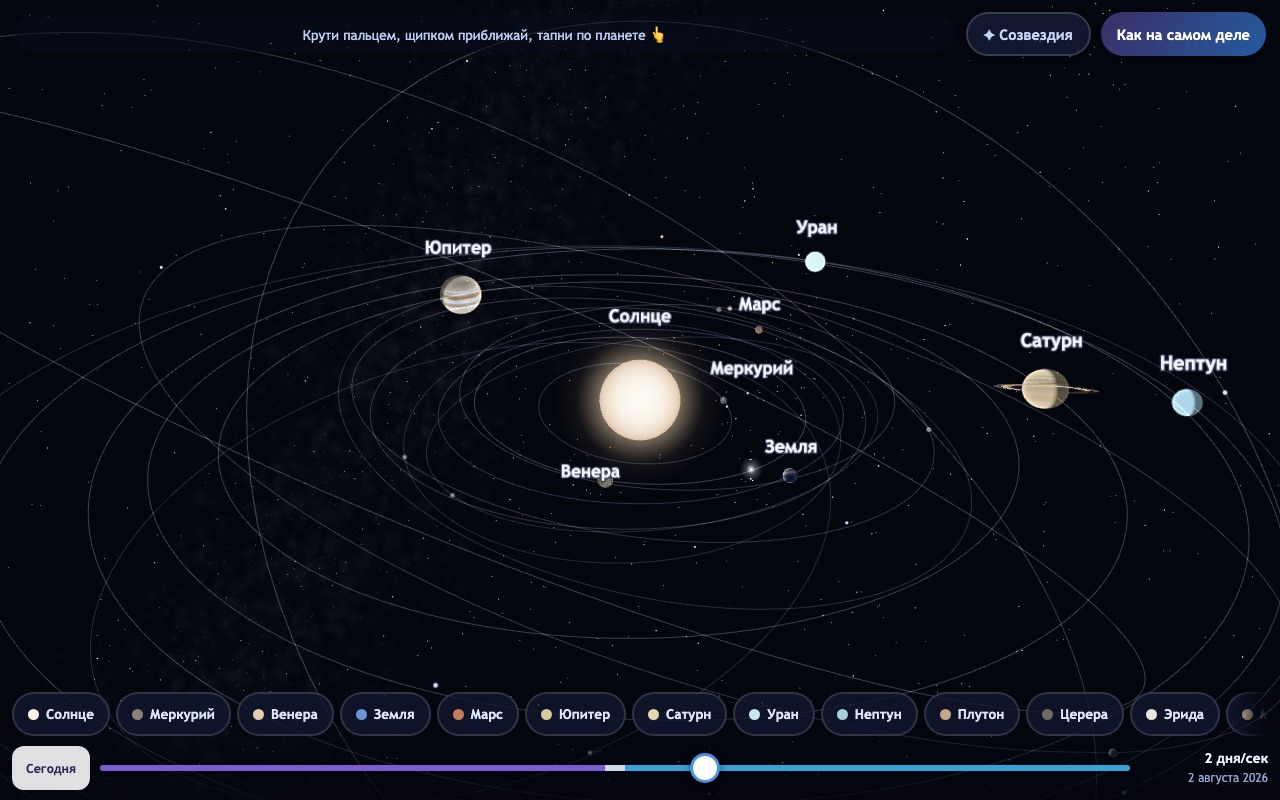 The Planets in Order — Free Interactive 3D Solar System 5+
The eight planets in order from the Sun, their names, moons and sizes — …
-
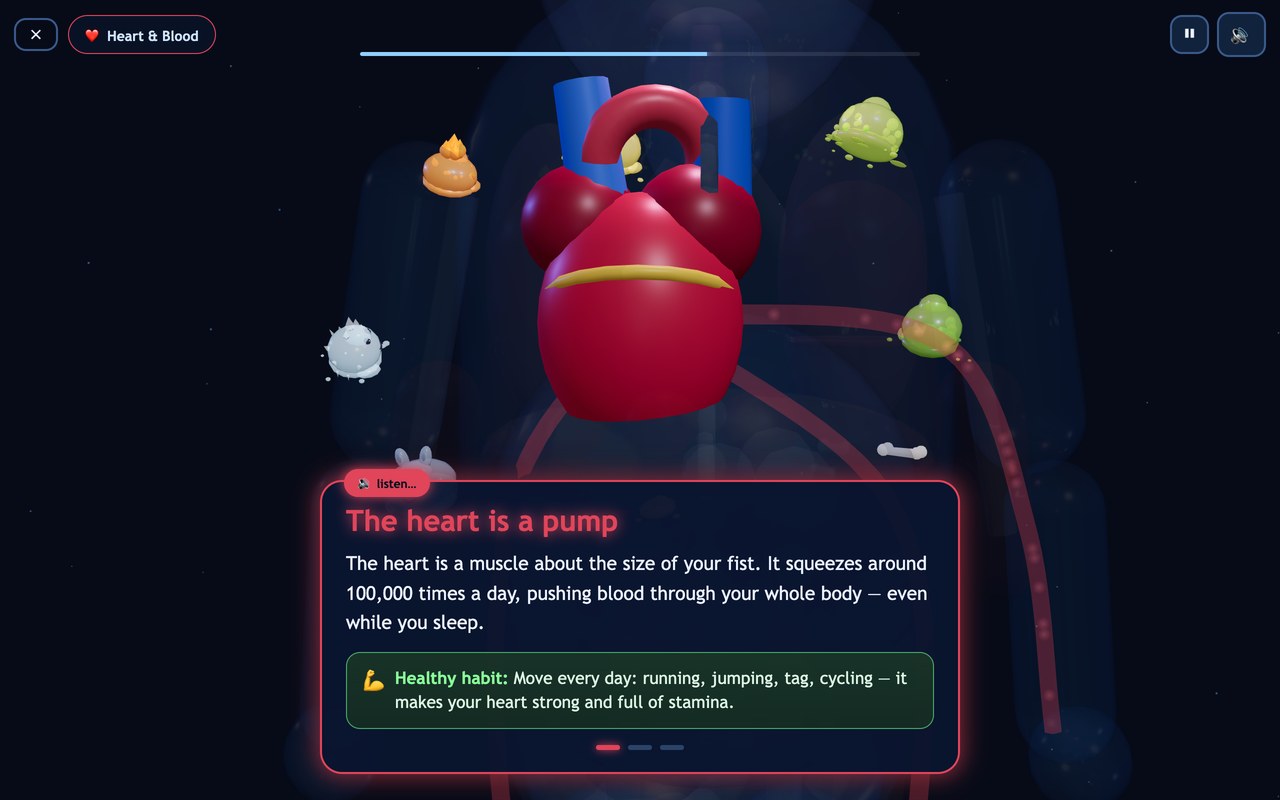 Human Body Systems — Free 3D Tour With Questions 6+
Human body systems in 3D: heart and blood, lungs, digestion, muscles and bones — …
-
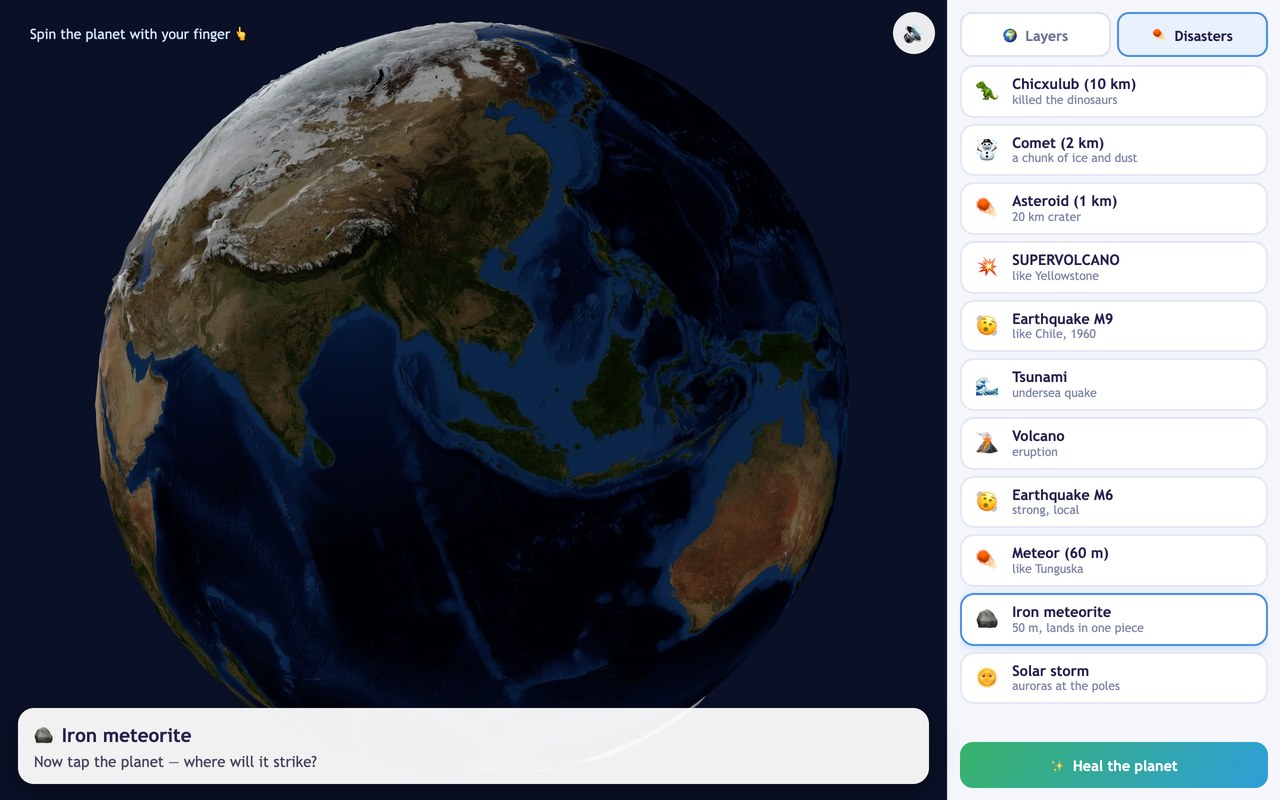 Layers of the Earth — Free Interactive 3D Model 6+
Layers of the earth peeled apart: satellites, atmosphere, clouds, oceans, crust, mantle, outer and …
-
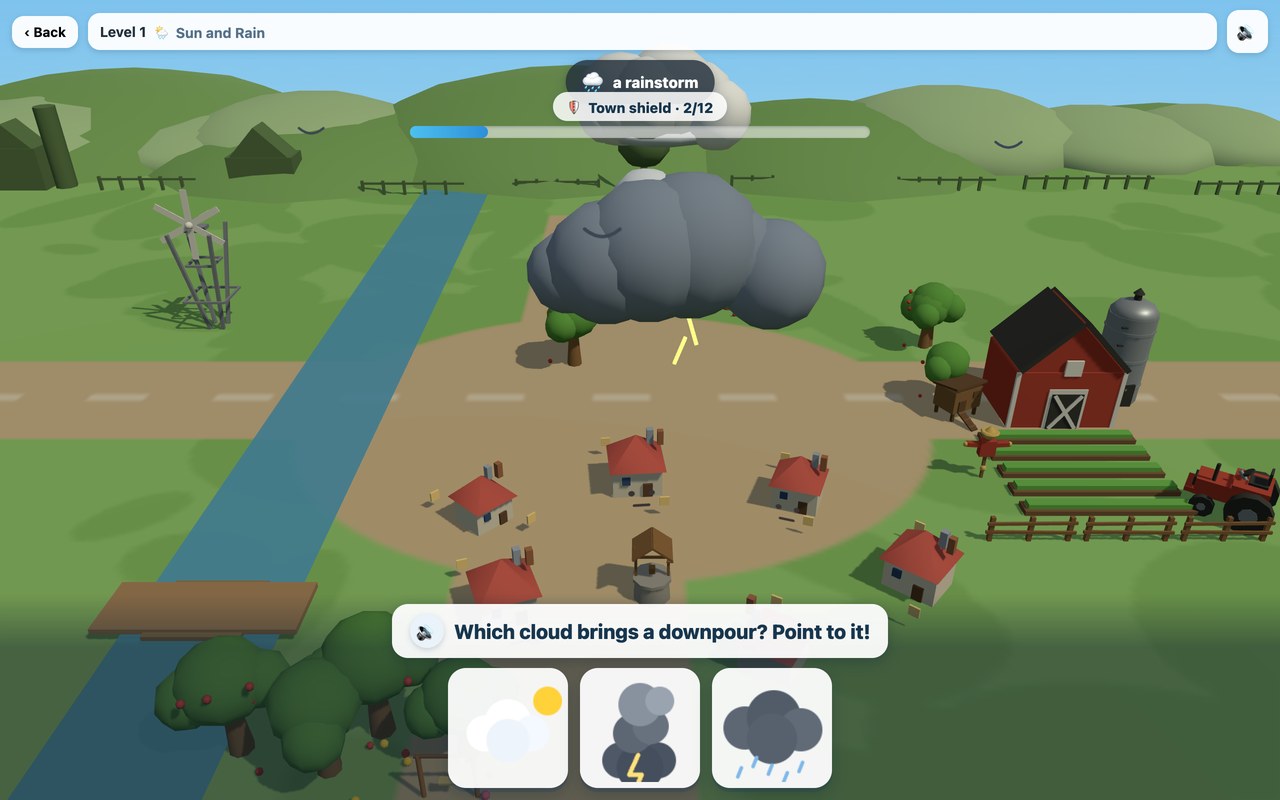 Weather & Water Cycle Game for Kids — Free Storm Command 7+
A water cycle game for kids where science is the shield: forecast the storm, …
-
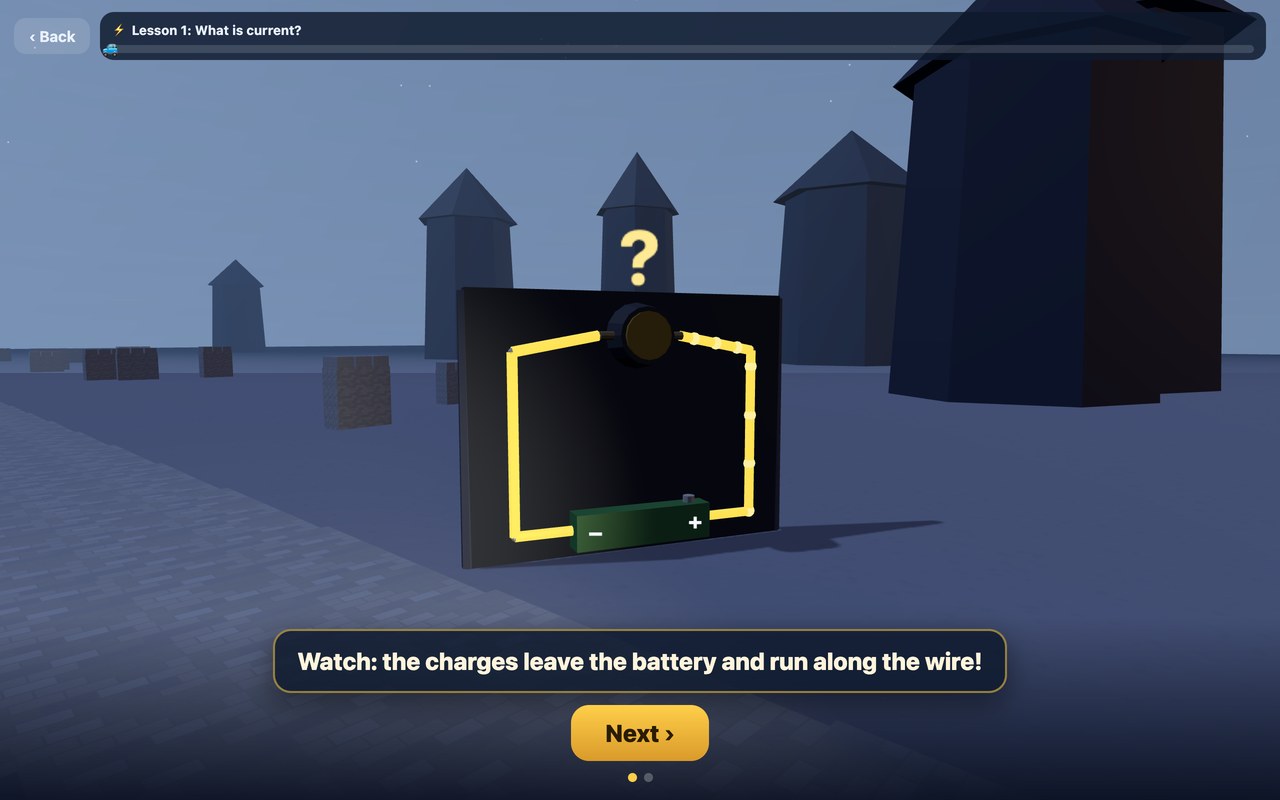 Electric Circuit Games for Kids — Free Circuit Bastion 8+
Electric circuit games for kids: wire real circuits with batteries, switches and resistors to …
-
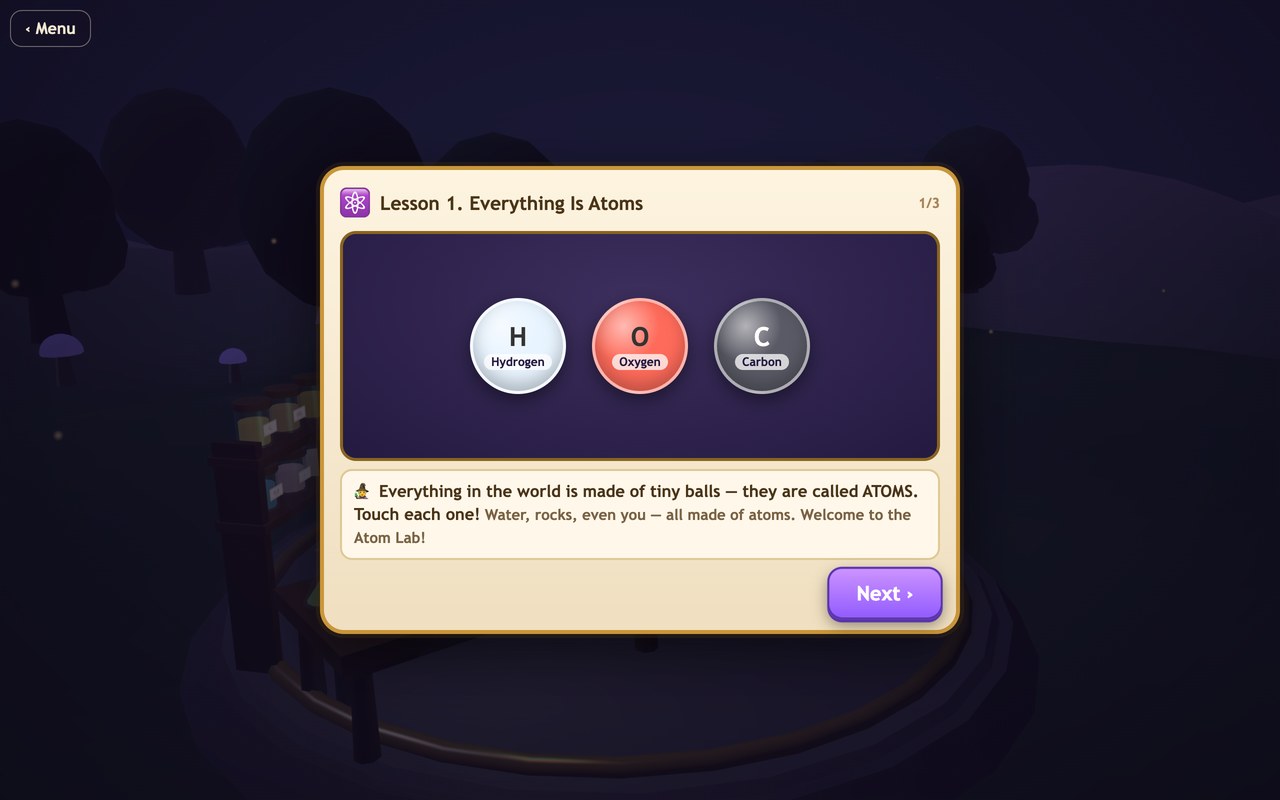 Chemistry for Kids: Atom Lab — Free Online 8+
Chemistry for kids aged 6-10: baking soda and vinegar foam, dissolving salt, rust, melting …
-
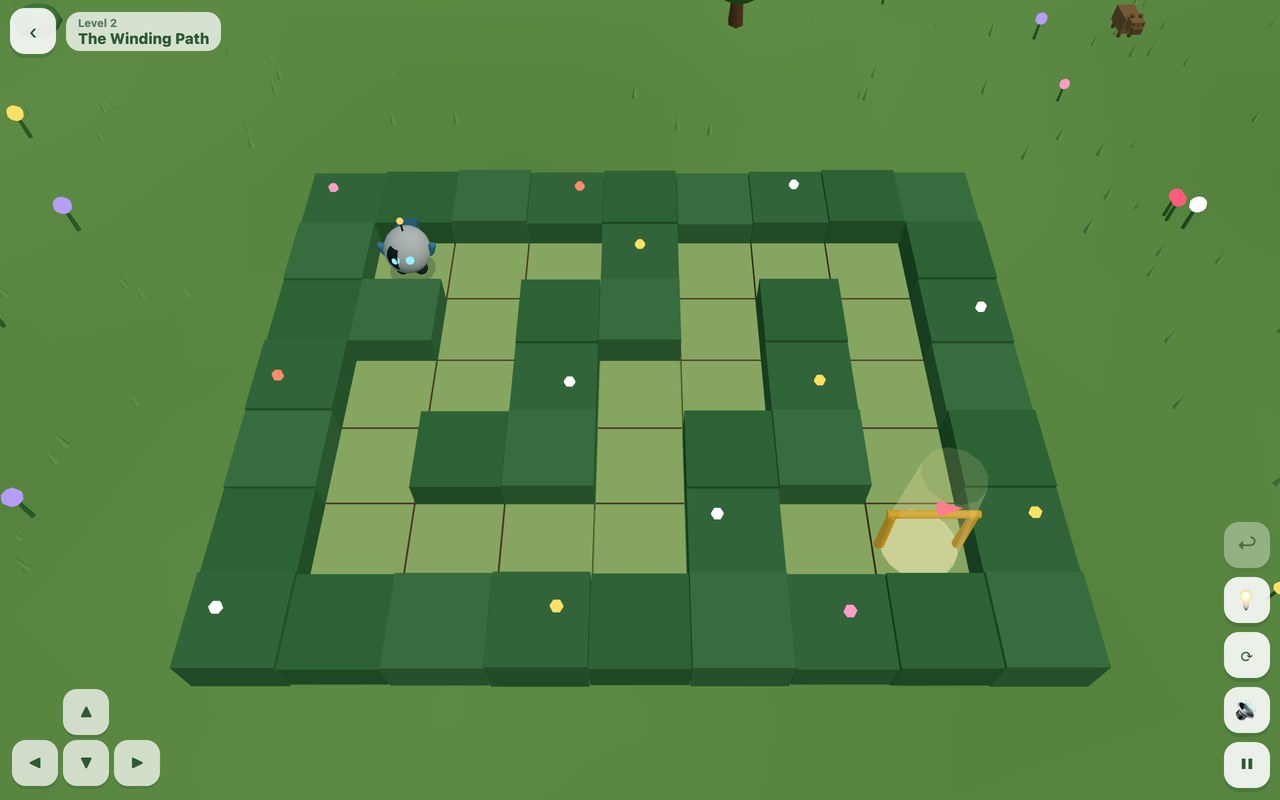 Maze Games for Kids — Levers, Gates and One Way Through 4+
Maze games where the walls are not the whole puzzle: pull the lever, open …
-
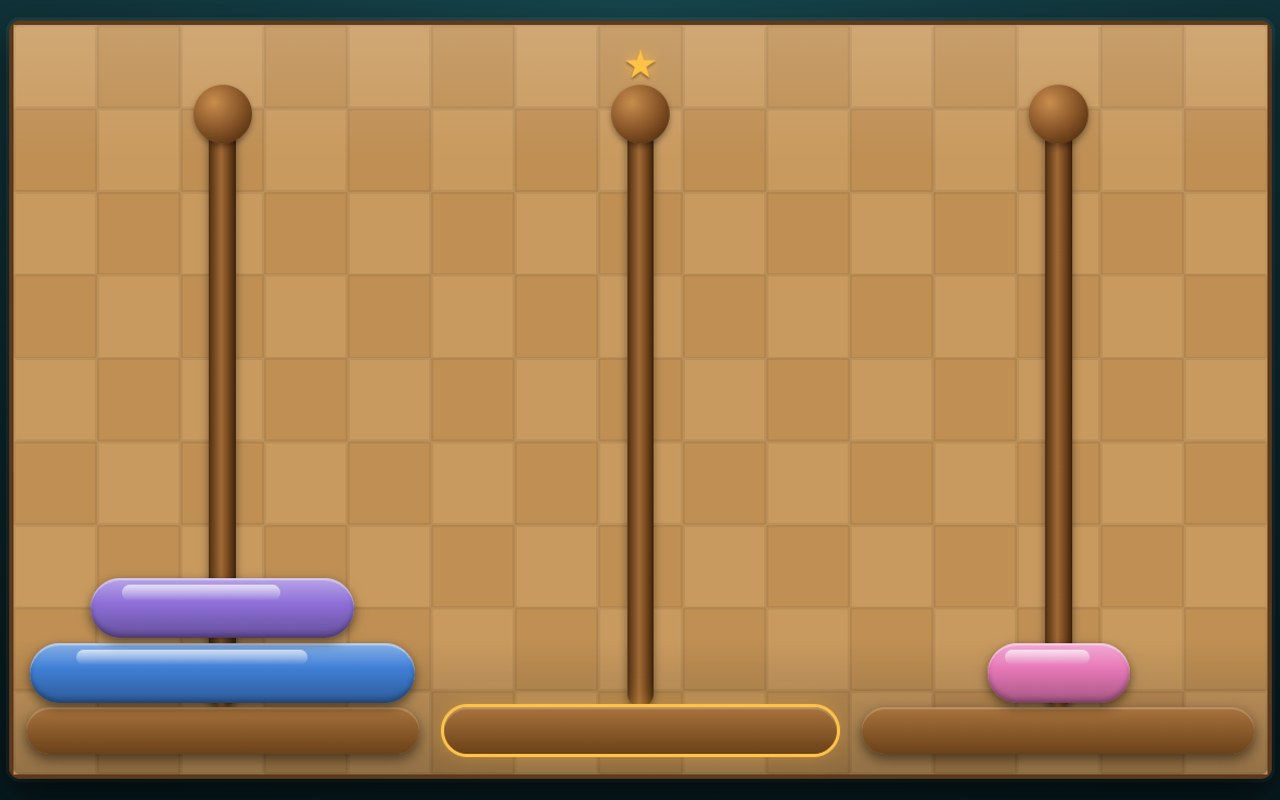 Tower of Hanoi Online — Move the Wooden Discs 6+
Play Tower of Hanoi online free: 300 hand-checked puzzles from a classic 3-disc start …
-
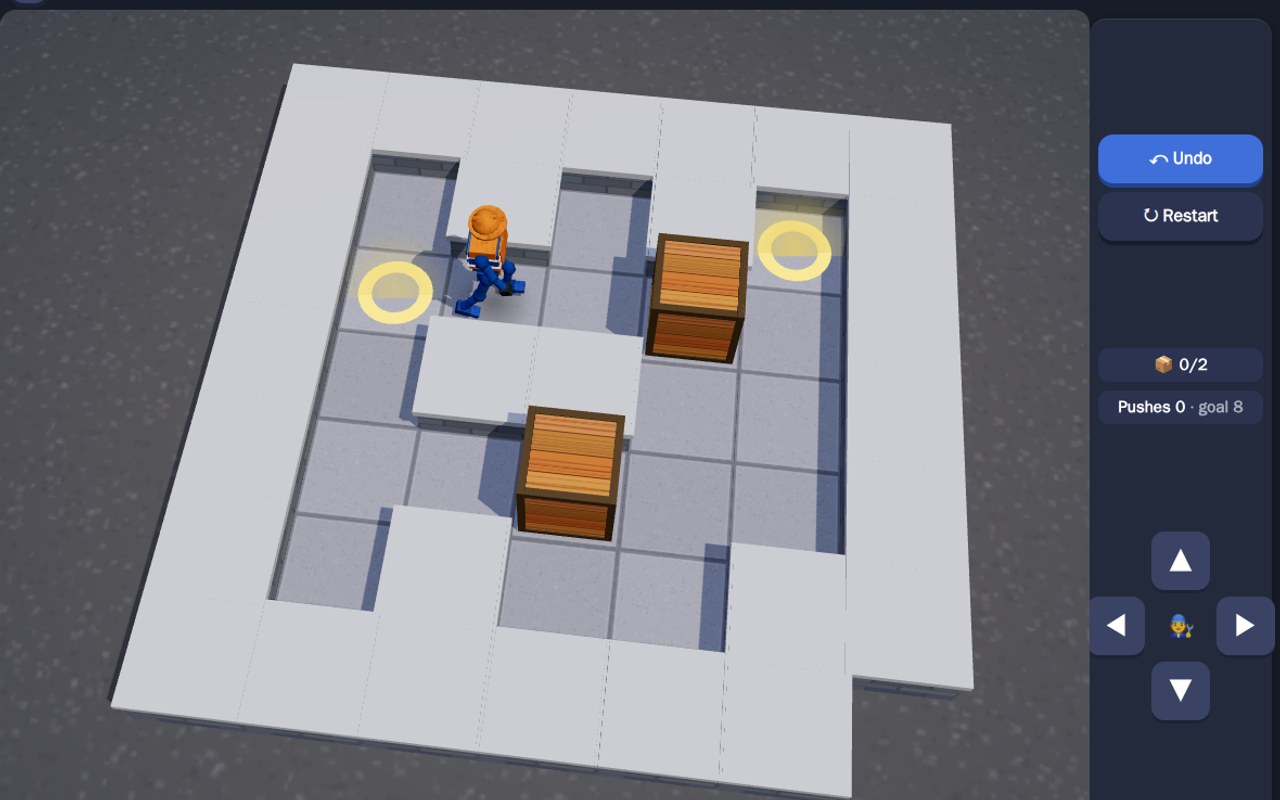 Sokoban Game Online — 3D Warehouse Puzzles 6+
Play the sokoban game online free: push every crate onto its glowing target in …
-
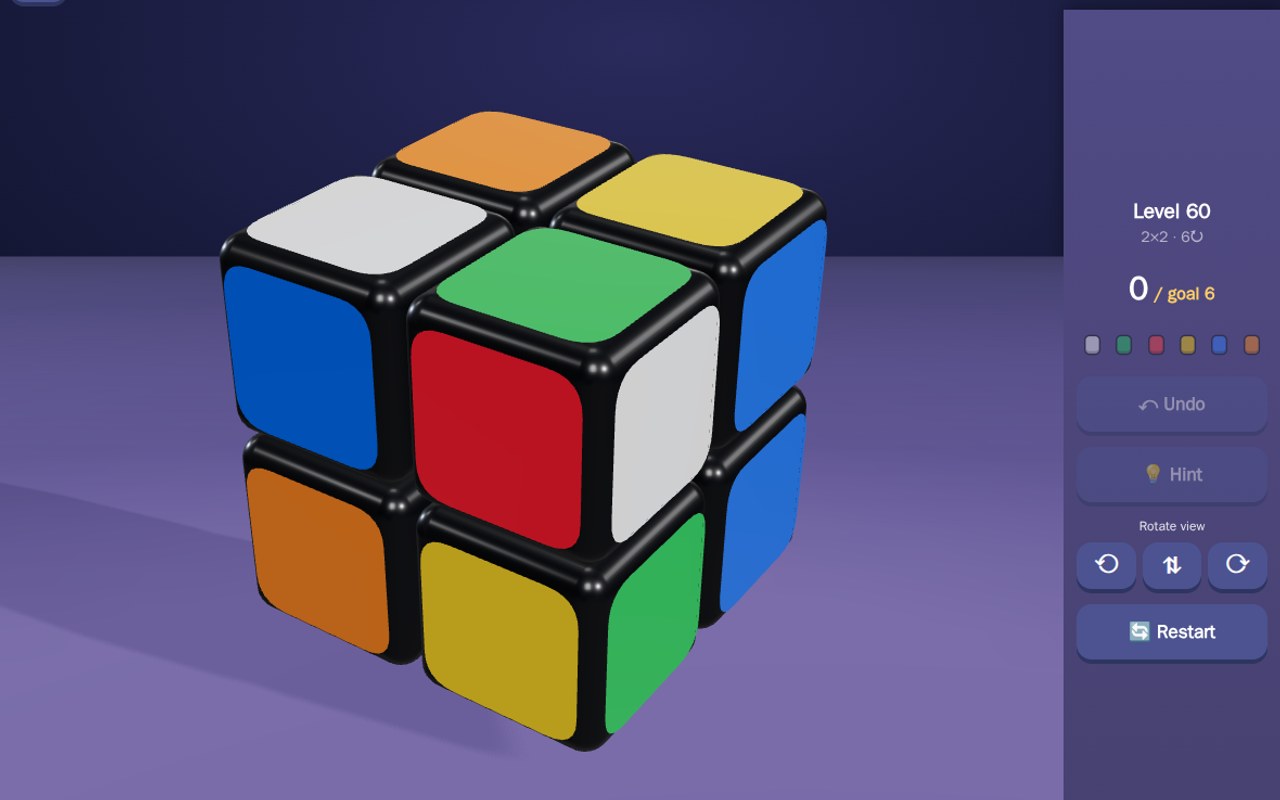 Rubik's Cube Online 3D — Cube 3D for Kids 6+
Play a Rubik's cube online free in 3D: a glossy 2×2 or 3×3 cube …
-
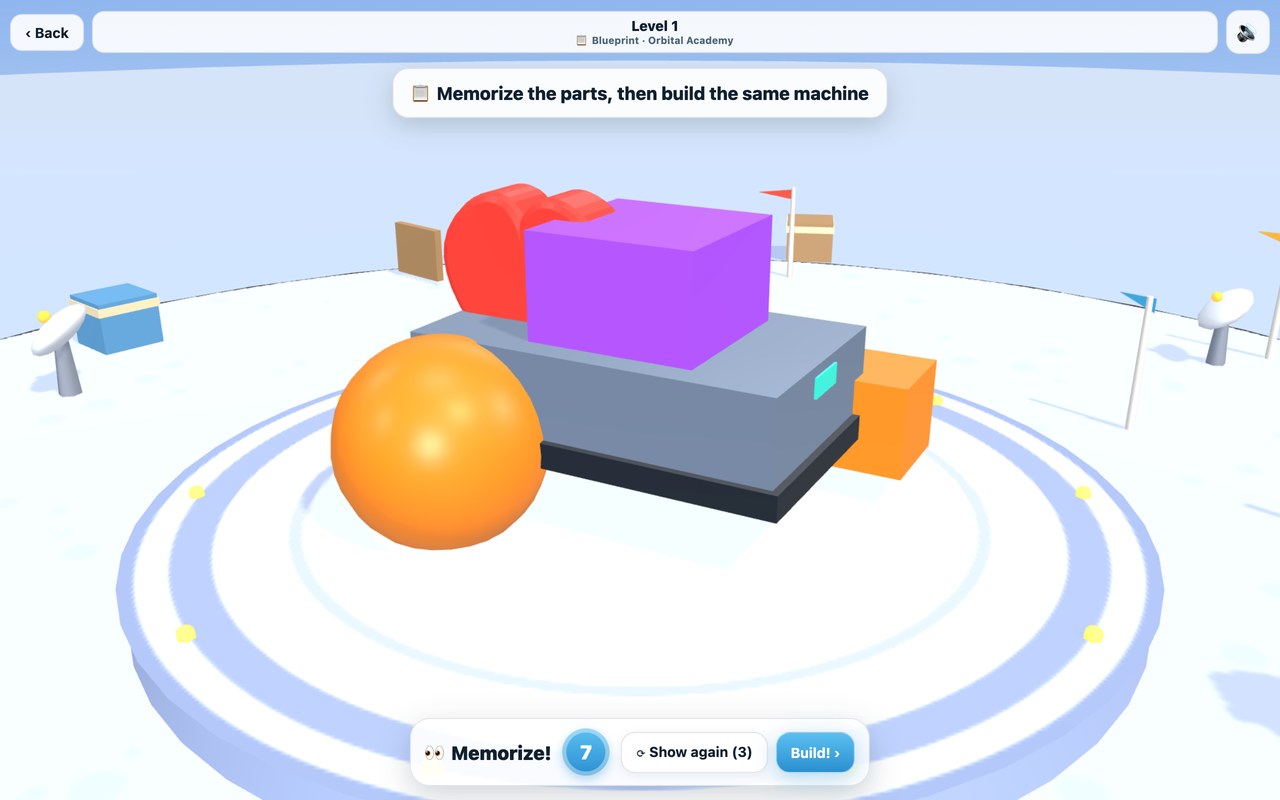 Memory Games for Kids — Build It From Memory 5+
Memory games that go past matching pairs: study the blueprint, watch it vanish, then …
-
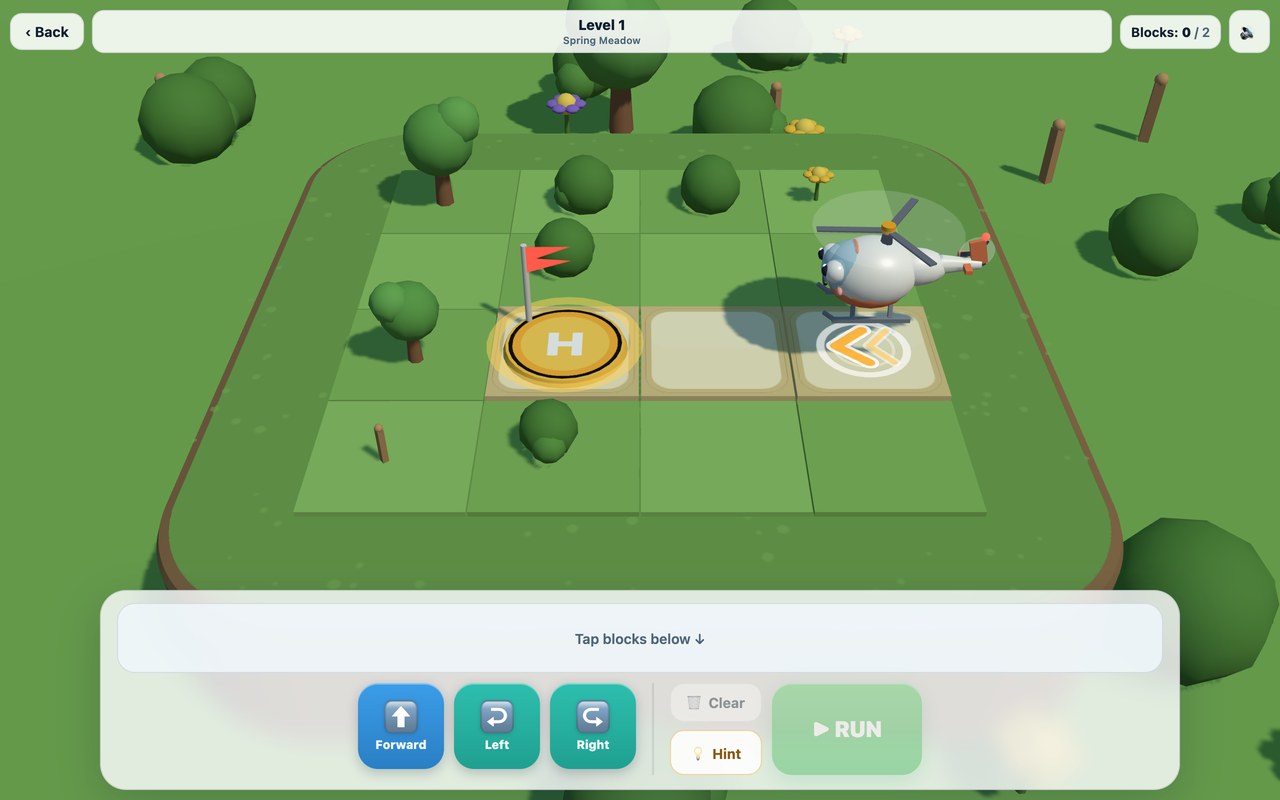 Coding for Kids — Free Block Programming Game 4+
Coding for kids with real block programming: build a sequence, run it, watch it …
-
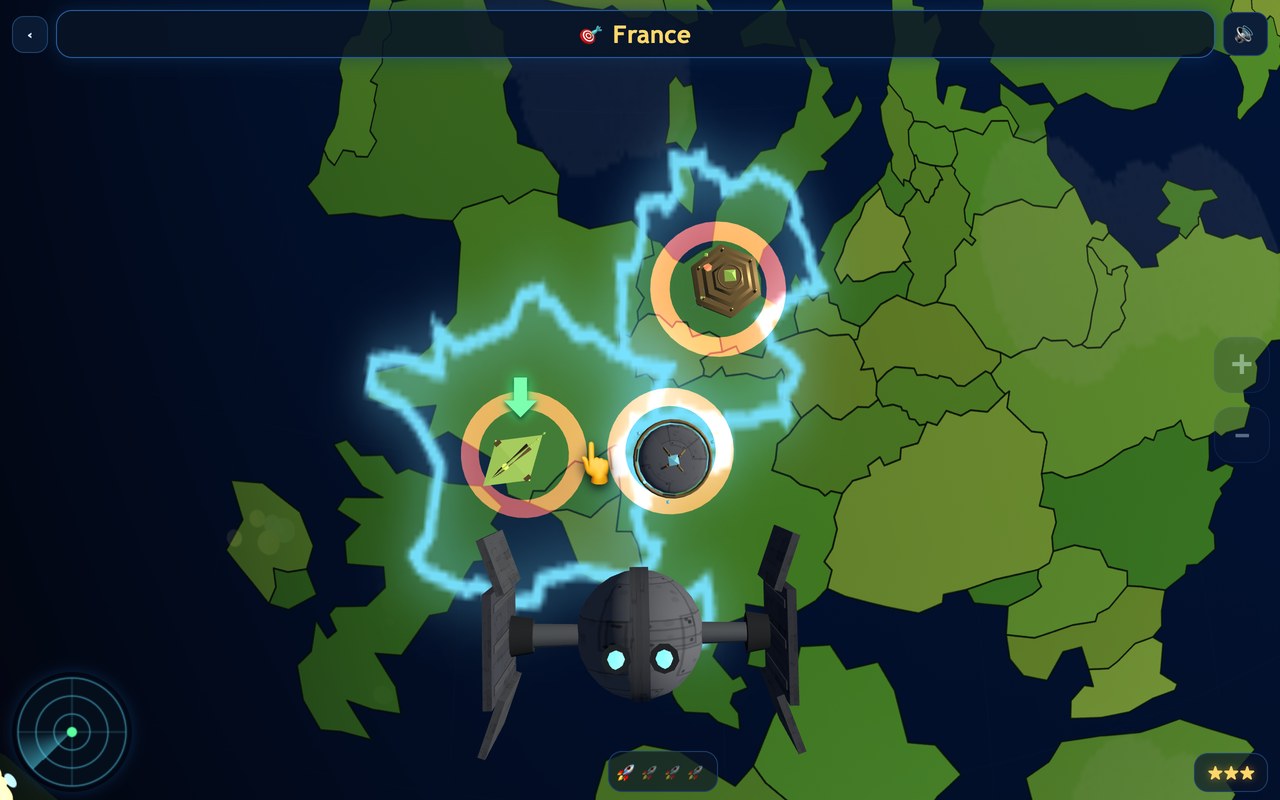 Capitals of the World — Free Globe Game for Kids 7+
Capitals of the world on a real 3D globe: it turns to the region, …
- Spanish Vocabulary Game for Kids — Free Online 4+ Free Spanish vocabulary game for kids: match each Spanish word to its picture and …
This is the whole of Dad4Kids on one page, sorted by subject: arithmetic at the top, then reading, then science and the world, then logic and puzzles, with a first taste of Spanish at the end. Every game was built for one identifiable skill — not "math" but the crossing of ten; not "reading" but blending three sounds into a word — which is why they are short and why a child can finish one.
What makes an educational game worth a child's afternoon is a single thing: the learning has to be the mechanic, not a toll paid before the fun. A game where you answer a sum and then get to shoot something is a worksheet with sound effects, and children see through it within minutes. Everywhere here, the answer is the move — the number you choose decides where the shot lands, which door opens, whether the bridge holds.
Everything is free and stays free. There is no account to create, no download, no advertising and no tracking of your child; the games run in an ordinary browser tab on a tablet, a phone or a computer, and they work the same on all three. If you are not sure where to begin, pick the subject your child already likes rather than the one they need — confidence transfers between subjects far better than practice does.
Math: the largest section, and the one that repays practice most
Counting and number sense first, then addition and subtraction facts, then multiplication, fractions, money, time, measurement and geometry. The arcade-paced games exist to make facts automatic; the slower ones ask a child to choose an operation and defend it. Both matter, and most children need the first before the second is possible.
Reading: decoding, then meaning
Letter sounds and blending for beginners, high-frequency words for those getting stuck on said and come, and comprehension games for children who read aloud accurately but cannot say what happened. Every word is spoken as well as printed, so a child can correct themselves without an adult sitting beside them.
Science and the world
The solar system at honest relative distances, the layers of the earth, a body tour, a water cycle you have to keep running, circuits that stay dark until they are wired properly, a food web that collapses when a species is removed. These games hand the child a control and a consequence rather than a fact to remember.
Logic and puzzles
Mazes, sliding blocks, Tower of Hanoi, deduction grids, coding puzzles where the child writes a short sequence of instructions and watches it run. This is the section that builds patience, and it is the one most likely to produce the sentence "one more go".
How to use the page
Ten minutes on most days beats an hour at the weekend, for reasons that have nothing to do with motivation and everything to do with how forgetting works. Sit in for the first session of anything new — not to help, but to see where the difficulty actually is.
If you would rather choose by age than by subject, start at learning games for kids, which lays the same collection out from four to eleven. For the individual sections: math games, reading games, STEM games and brain games.
The science behind the games
Every Dad4Kids game is built on one simple truth: children want to play, not study — so we turn learning into a game worth replaying. The method draws on peer-reviewed research in game-based learning, motivation, and how memory works.
- Tokac et al. (2019). Effects of game-based learning on students' mathematics achievement: A meta-analysis. Journal of Computer Assisted Learning.
- Alotaibi (2024). Game-based learning in early childhood education: a systematic review and meta-analysis. Frontiers in Psychology.
- Lampropoulos & Sidiropoulos (2024). Impact of gamification on students' learning outcomes and academic performance: a meta-analysis. Education Sciences.
- Taylor & Boyer (2019). Play-based learning: evidence-based research to improve children's learning experiences. Early Childhood Education Journal.
- Gottfried (1990). Academic intrinsic motivation in young elementary school children. Journal of Educational Psychology.
- Yang et al. (2018). Enhancing learning and retrieval of new information: a review of the forward testing effect. npj Science of Learning.
FAQ
Are these educational games really free?
Yes. Every game on this page is free to play in full, with no ads, no in-game purchases and nothing to unlock. You do not need an account, and nothing is installed on your device.
What ages are they for?
Roughly four to eleven. Each card shows a suggested starting age, and most games adjust their difficulty as your child plays, so a game listed at 6+ will still have something for an eight-year-old.
Do they work on an iPad or a phone?
Yes — they are designed tablet-first and run in the browser on iPad, Android tablets, phones and computers. No app store, no install.
Which game should we start with?
Start with the subject your child already enjoys, not the one you are worried about. Confidence carries across subjects; frustration also carries, in the wrong direction.
Do you collect data about my child?
No personal data is collected and there is no third-party advertising or tracking. Playing requires no sign-up at all; an optional parent account exists only to remember progress.
By Evgeny Arsentiev, PhD · Last updated: September 2026