
The Spanish Alphabet: 27 Letters That Always Say the Same Thing
Games
-
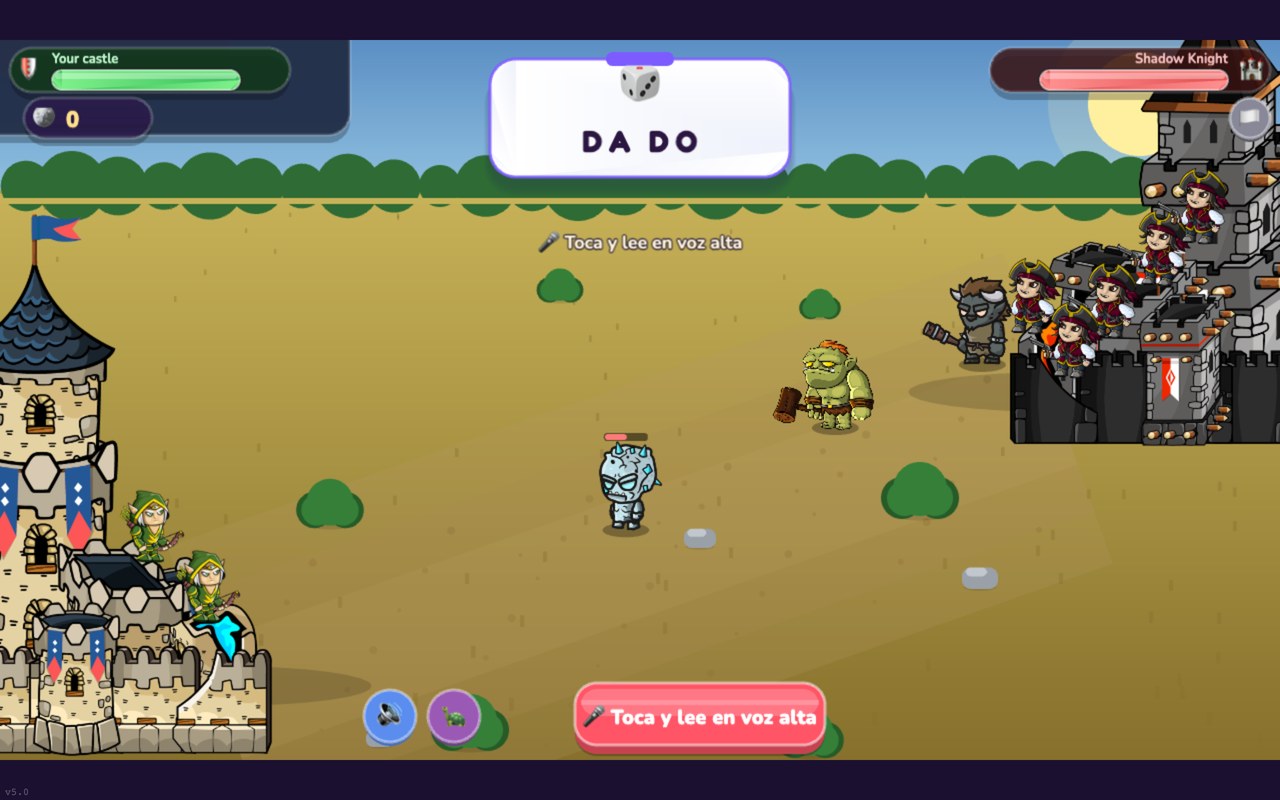 Learn to Read Spanish — Free Syllable Castle 5+
Learn to read Spanish through play: Spanish is highly phonetic (ma-me-mi-mo-mu), so decoding clicks …
-
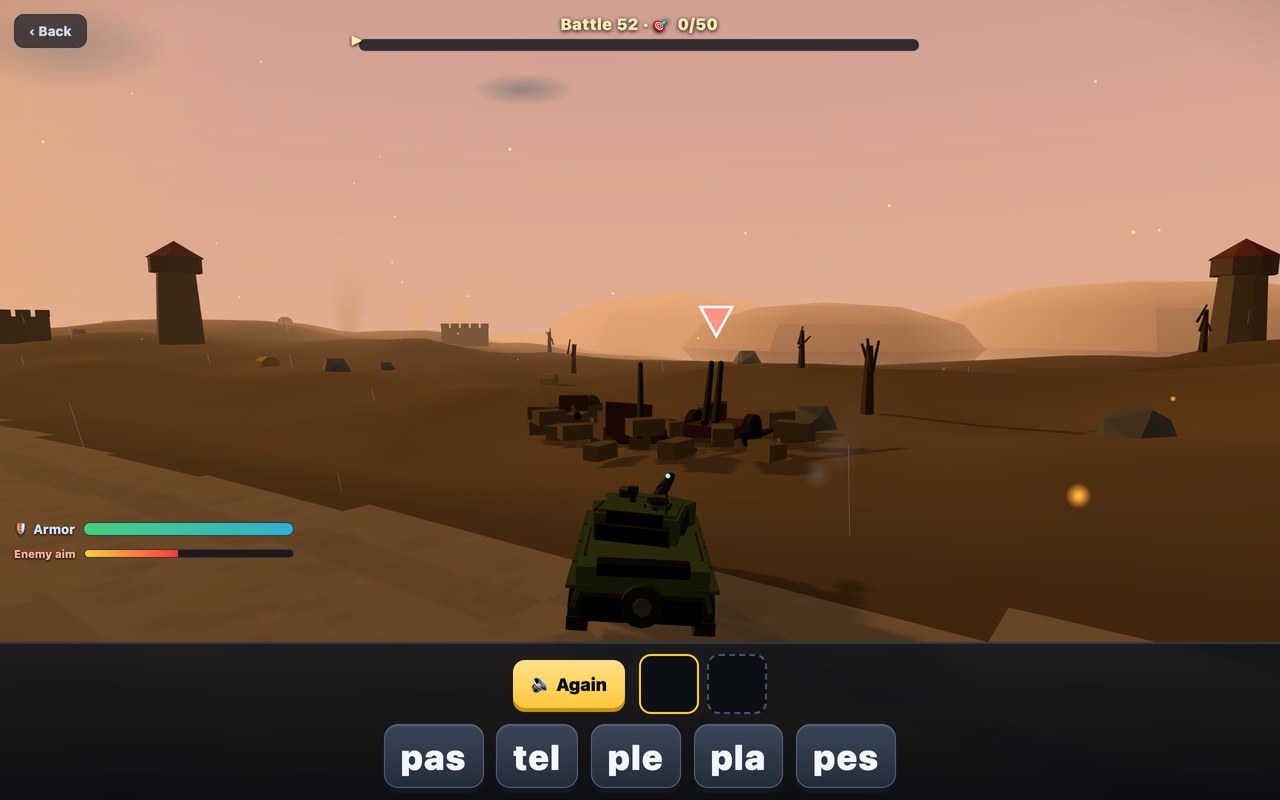 Learn to Read Spanish — Free Word Tanks 5+
Spanish reading practice as a 3D tank campaign: build the word from its syllables …
-
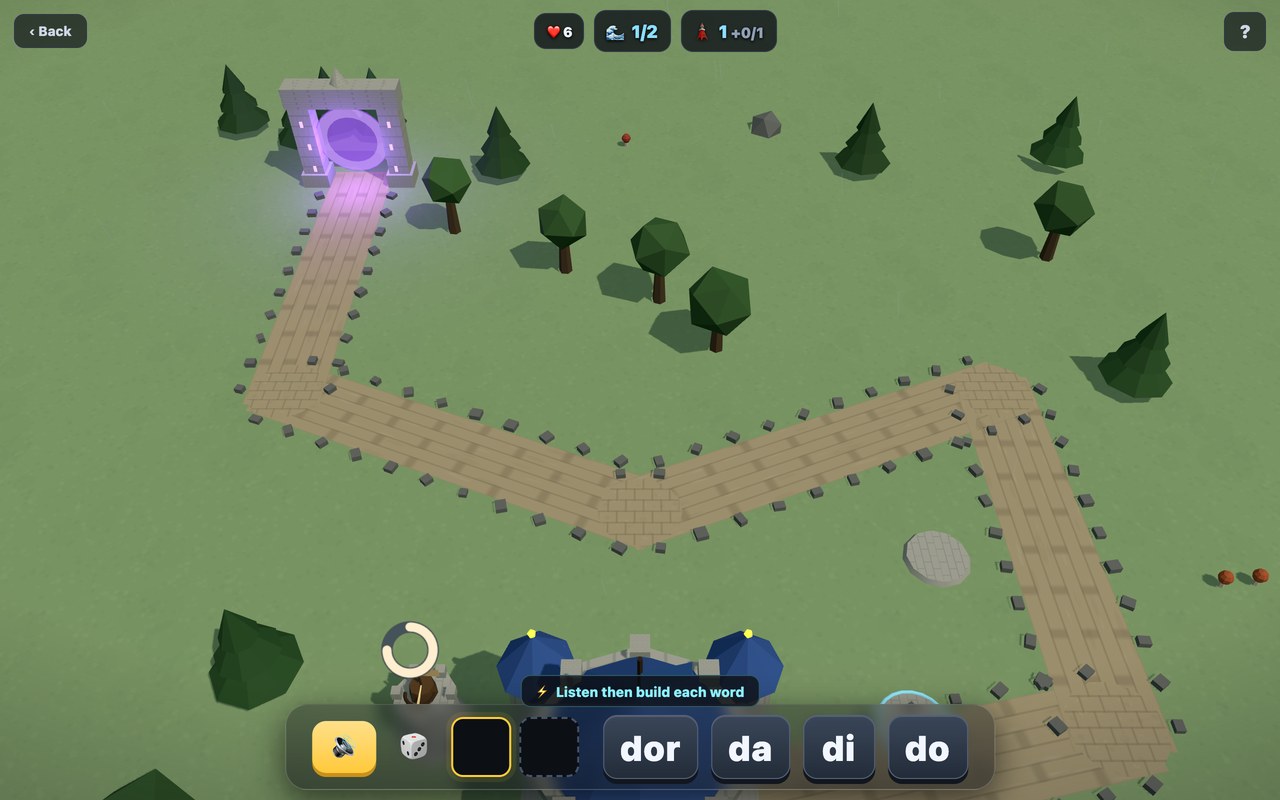 Learn to Read Spanish — Free Syllable Towers 5+
Spanish syllables in a real 3D tower defense: ma-me-mi-mo-mu on the tiles, and every …
-
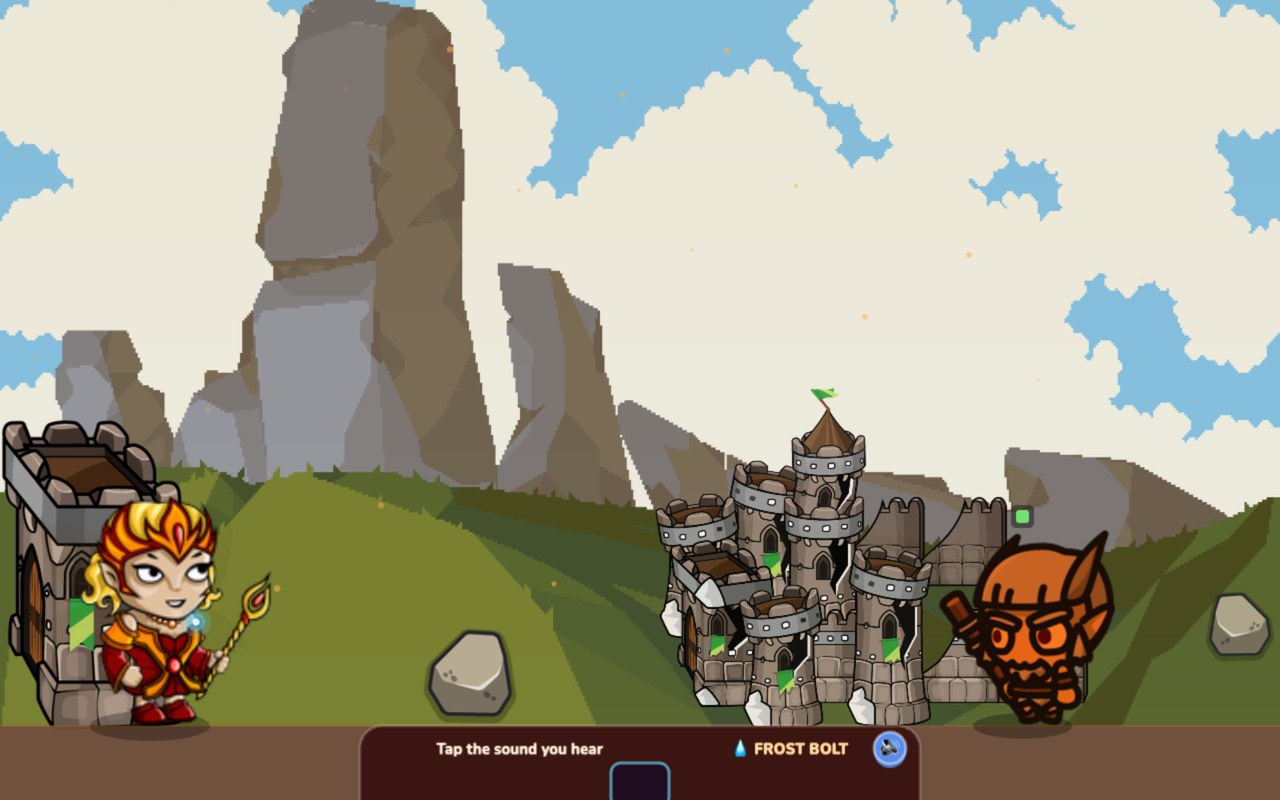 Learn to Read Spanish — Free Word Wizard 5+
Spanish phonics as a magic duel: Spanish is highly phonetic (ma-me-mi-mo-mu), so build the …
-
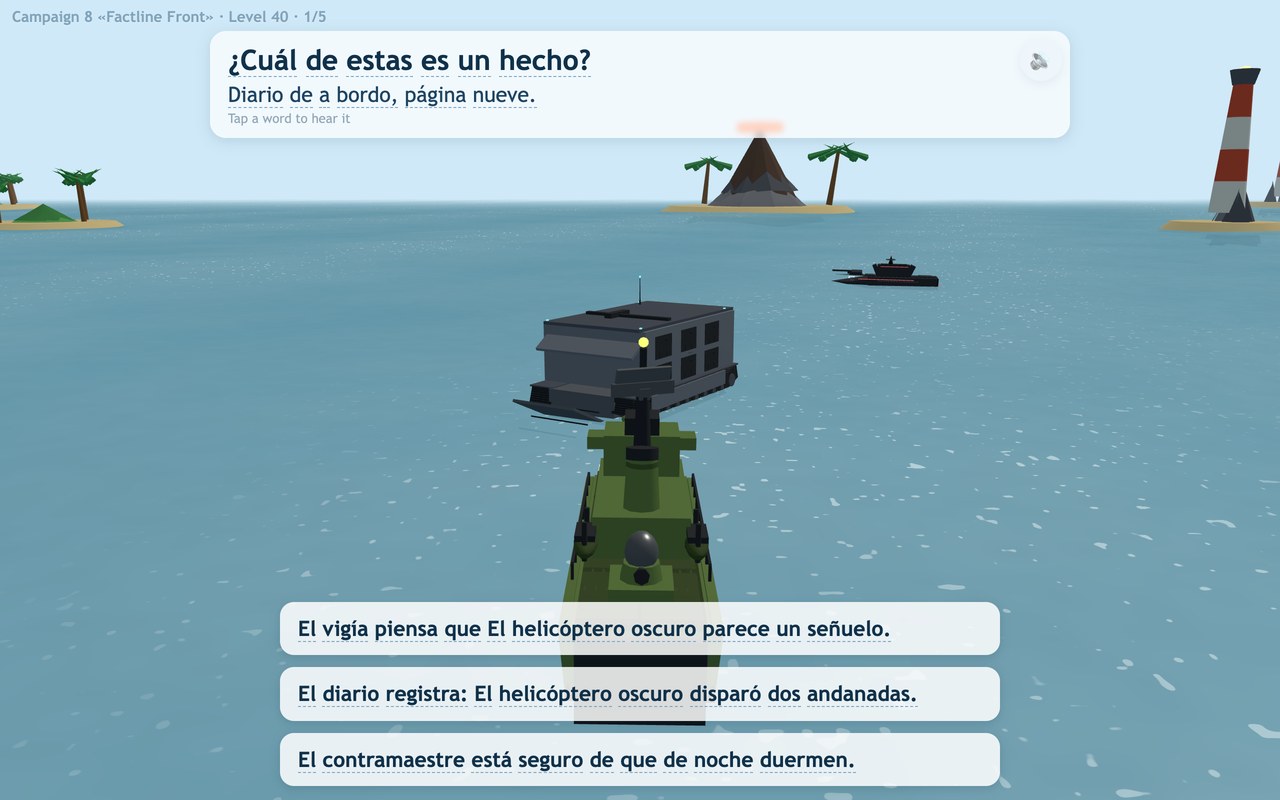 Learn to Read Spanish — Free Fleet Captain 7+
Spanish reading comprehension in a naval battle: read and understand a written Spanish order, …
-
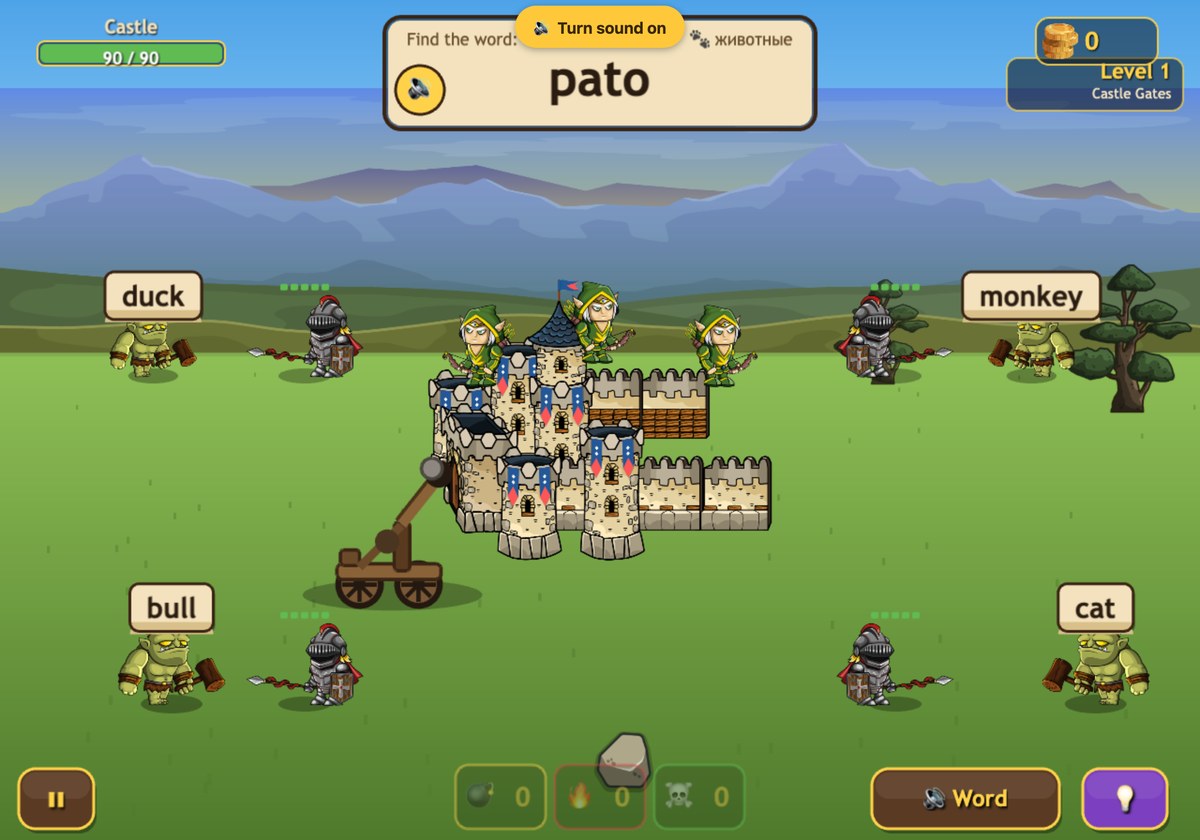 Spanish Words Game for Kids — Free Online 5+
A free Spanish words game for kids: defend the castle by tapping the right …
- Spanish Vocabulary Game for Kids — Free Online 4+ Free Spanish vocabulary game for kids: match each Spanish word to its picture and …
-
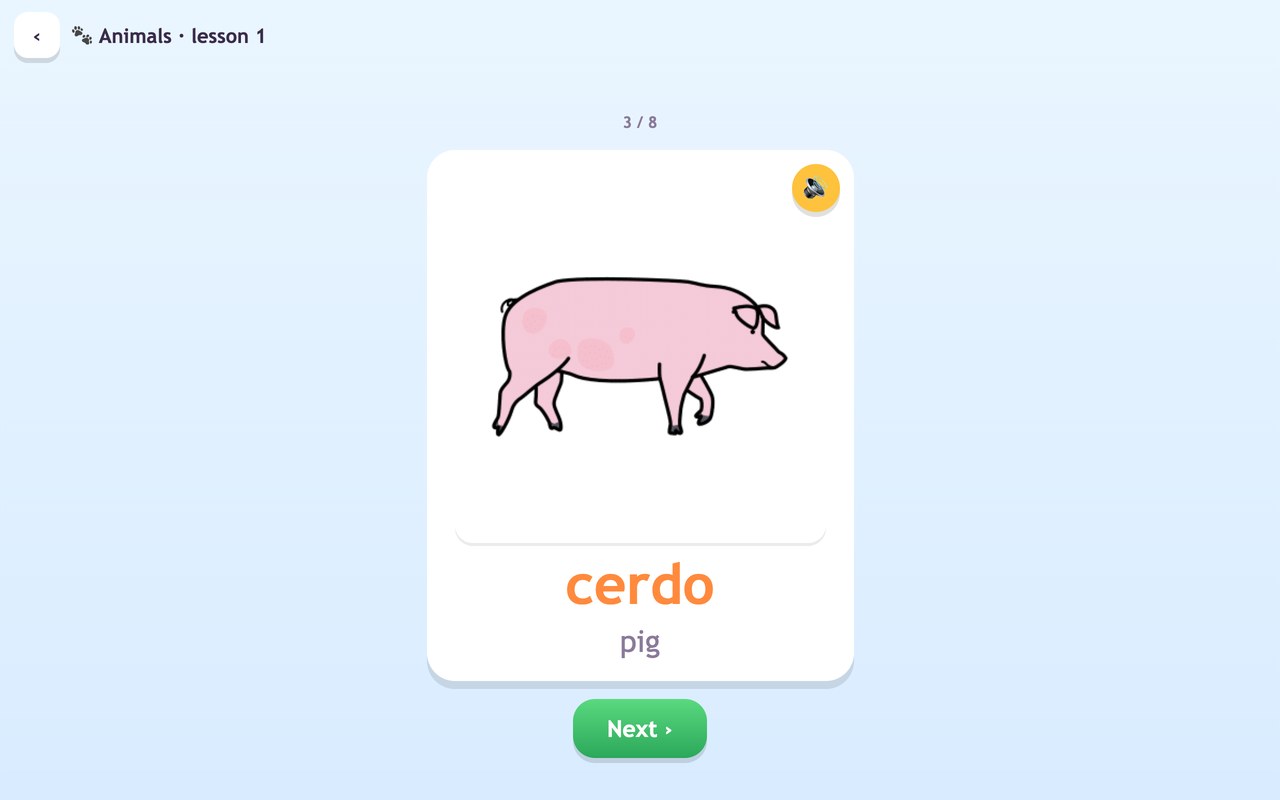 Learn Spanish for Kids — Free Spanish Academy 5+
Learn Spanish for kids on pictures: thousands of words across 26 topics and 109 …
Spanish has 27 letters — the English 26 plus ñ — and one enormous advantage over English: the letters almost always say the same thing. Once a child knows the sounds, they can read any Spanish word aloud correctly, including words they have never seen and do not understand. English never offers that.
Start with the five vowels, because they never change. a as in father, e as in bet, i as in machine, o as in more, u as in flute. Five sounds, five letters, no exceptions, no silent e. An English-speaking child needs a few days to stop stretching them into English diphthongs, and after that Spanish spelling is nearly solved.
The letters that surprise English speakers. h is silent (hola = "ola"). j is a throaty h (jugar). ñ is the ny in canyon. ll sounds like y. rr is rolled — and it is worth practising because pero (but) and perro (dog) differ only there. v and b sound nearly identical, and c is hard before a, o, u but soft before e, i.
Then syllables, immediately. Spanish words split cleanly into consonant-plus-vowel: ma-má, ca-sa, pe-lo-ta. Children who learn to read Spanish by syllable are reading real sentences within weeks, far sooner than in English, because there is nothing irregular waiting to trip them.
Accents do one job: they mark which syllable is stressed — ma-má, lá-piz. They never change the vowel's sound.
Continue with Spanish for kids, Spanish words for kids, learn to read English and games for 6 year olds.
The science behind the games
Every Dad4Kids game is built on one simple truth: children want to play, not study — so we turn learning into a game worth replaying. The method draws on peer-reviewed research in game-based learning, motivation, and how memory works.
- Tokac et al. (2019). Effects of game-based learning on students' mathematics achievement: A meta-analysis. Journal of Computer Assisted Learning.
- Alotaibi (2024). Game-based learning in early childhood education: a systematic review and meta-analysis. Frontiers in Psychology.
- Lampropoulos & Sidiropoulos (2024). Impact of gamification on students' learning outcomes and academic performance: a meta-analysis. Education Sciences.
- Taylor & Boyer (2019). Play-based learning: evidence-based research to improve children's learning experiences. Early Childhood Education Journal.
- Gottfried (1990). Academic intrinsic motivation in young elementary school children. Journal of Educational Psychology.
- Yang et al. (2018). Enhancing learning and retrieval of new information: a review of the forward testing effect. npj Science of Learning.
FAQ
Why is Spanish easy to start reading?
Spanish spelling is highly regular — syllables like ma-me-mi-mo-mu are read exactly as written — so the letter-to-sound link sticks quickly.
Does my child need to know Spanish first?
No. Every word is spoken aloud, so a beginner learns the sounds and the reading together.
By Evgeny Arsentiev, PhD · Last updated: August 2026