
Games for 1st Graders: What This Year Actually Covers
Games
-
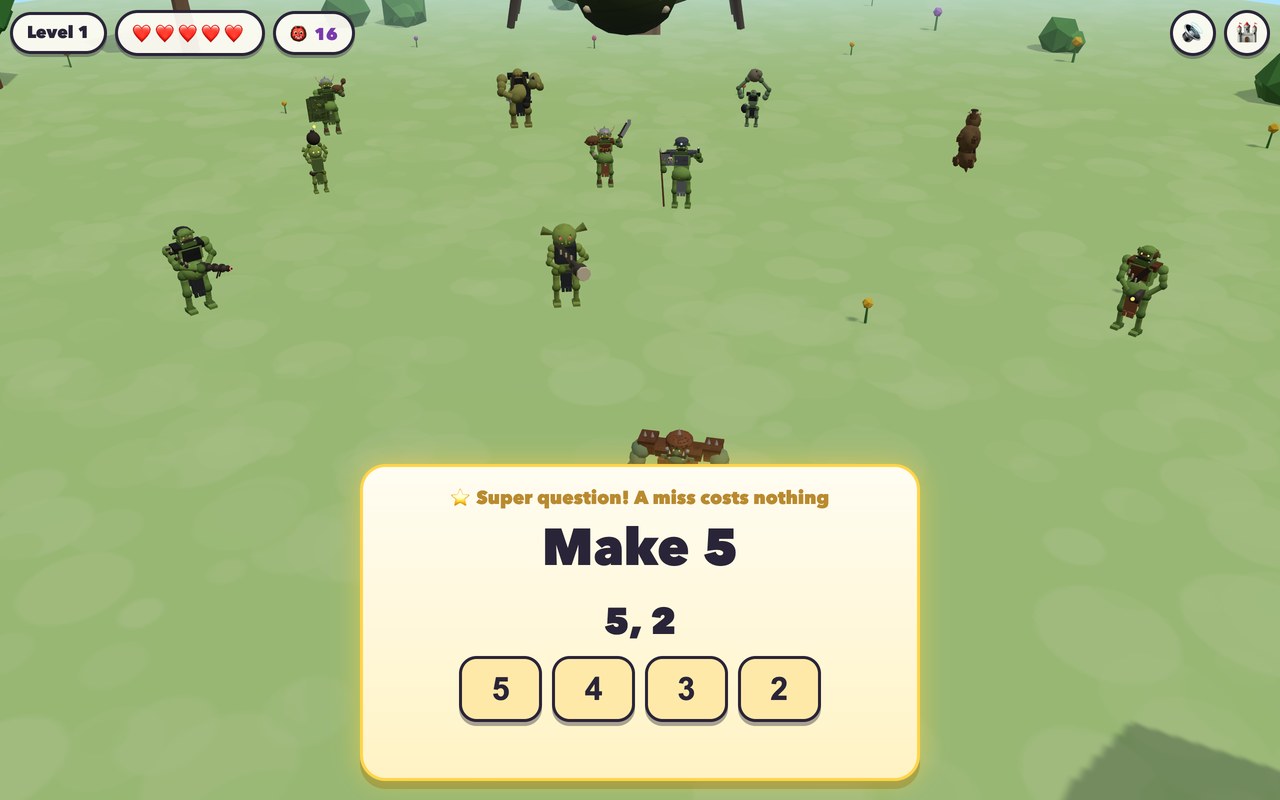 Math Games for 1st Graders — Free Sword of Sums 6+
Math games for 1st graders: a knight walks ten 3D worlds and every monster …
-
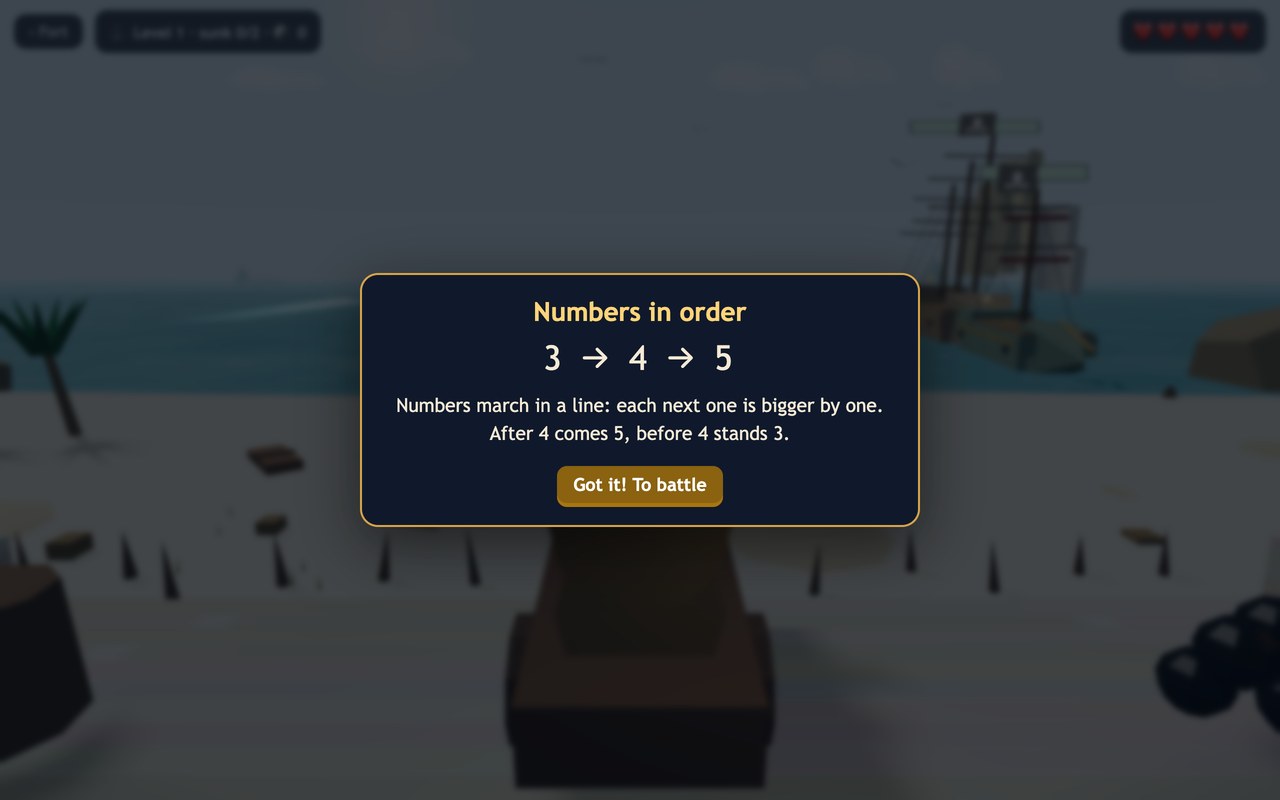 Math Games for Kids — Free Online 6+
Math games for kids on a pirate wall: solve addition, subtraction and more to …
-
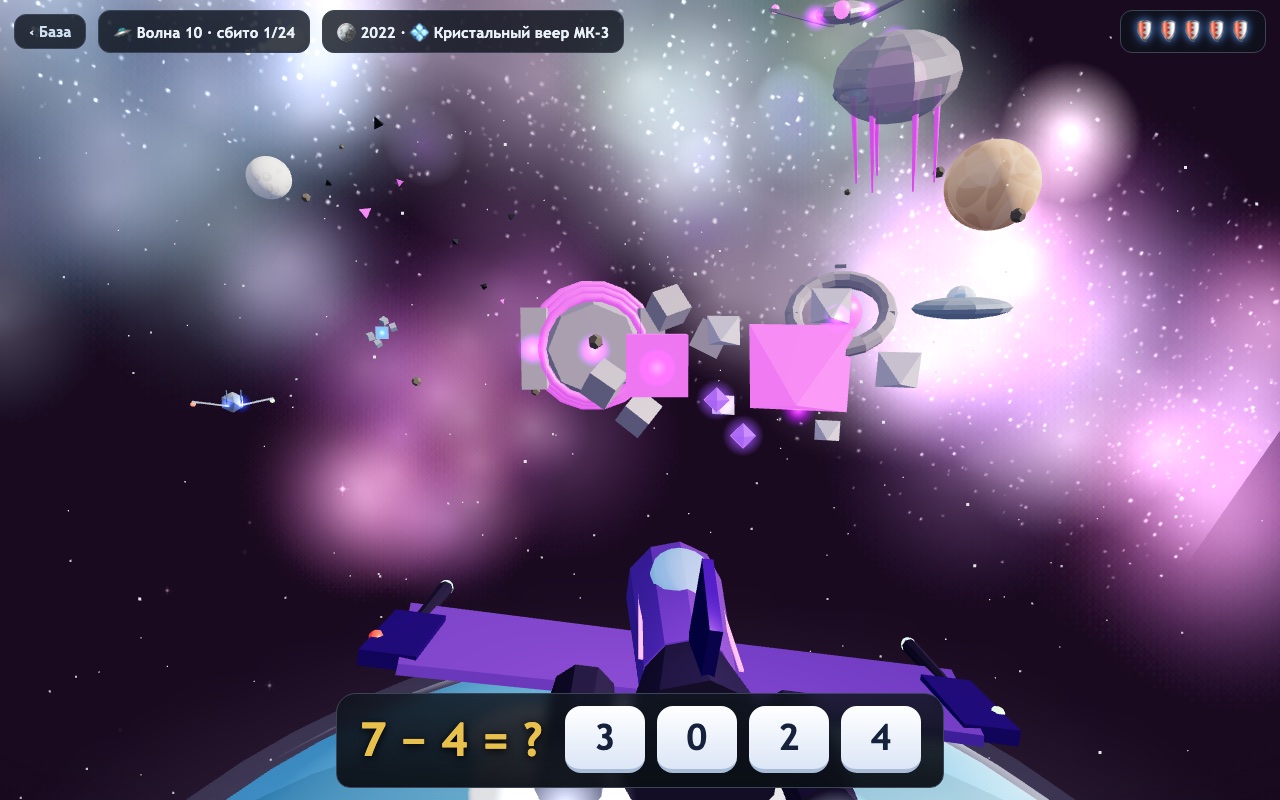 Math Facts Games for Kids — Free Online 6+
Math facts games for kids in Earth orbit: solve addition, subtraction and times tables …
-
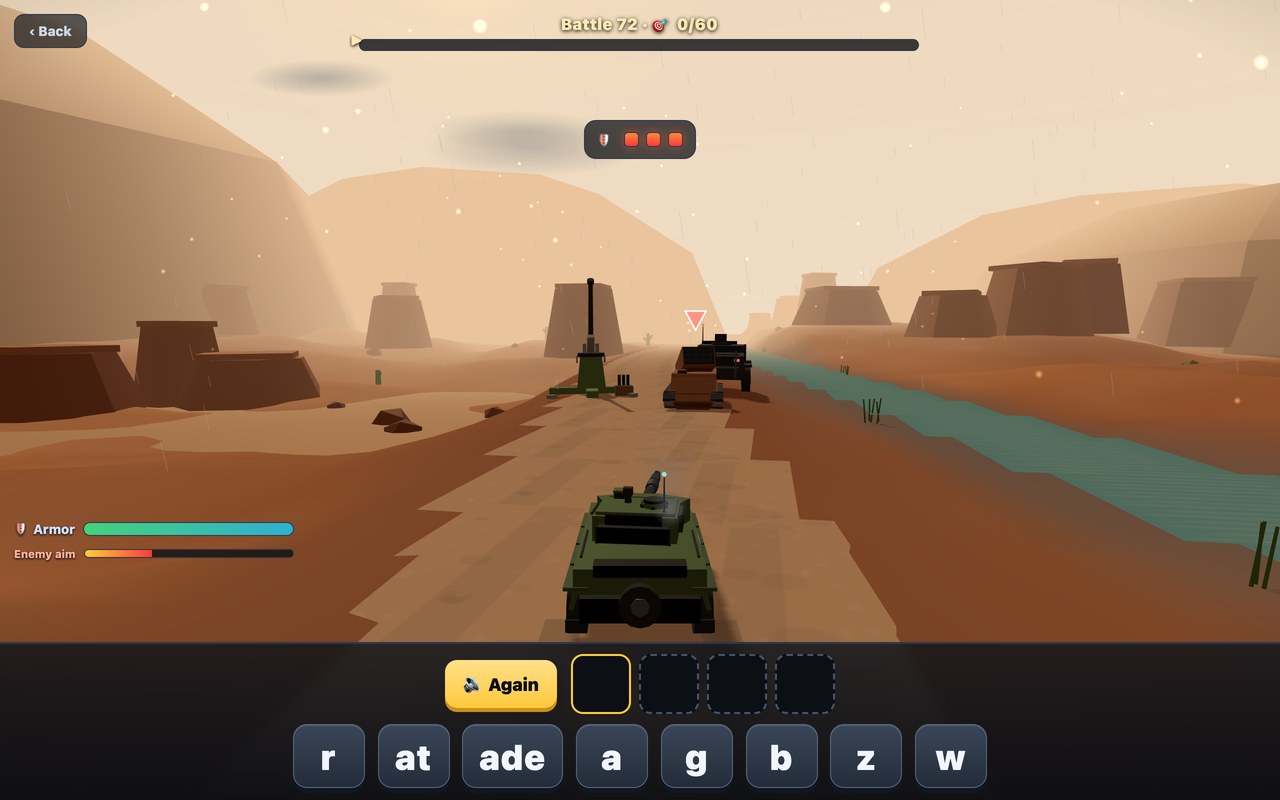 Reading Games — Free Online Reading Practice for Kids 5+
Reading games where reading is the controls: your child reads the word on screen …
-
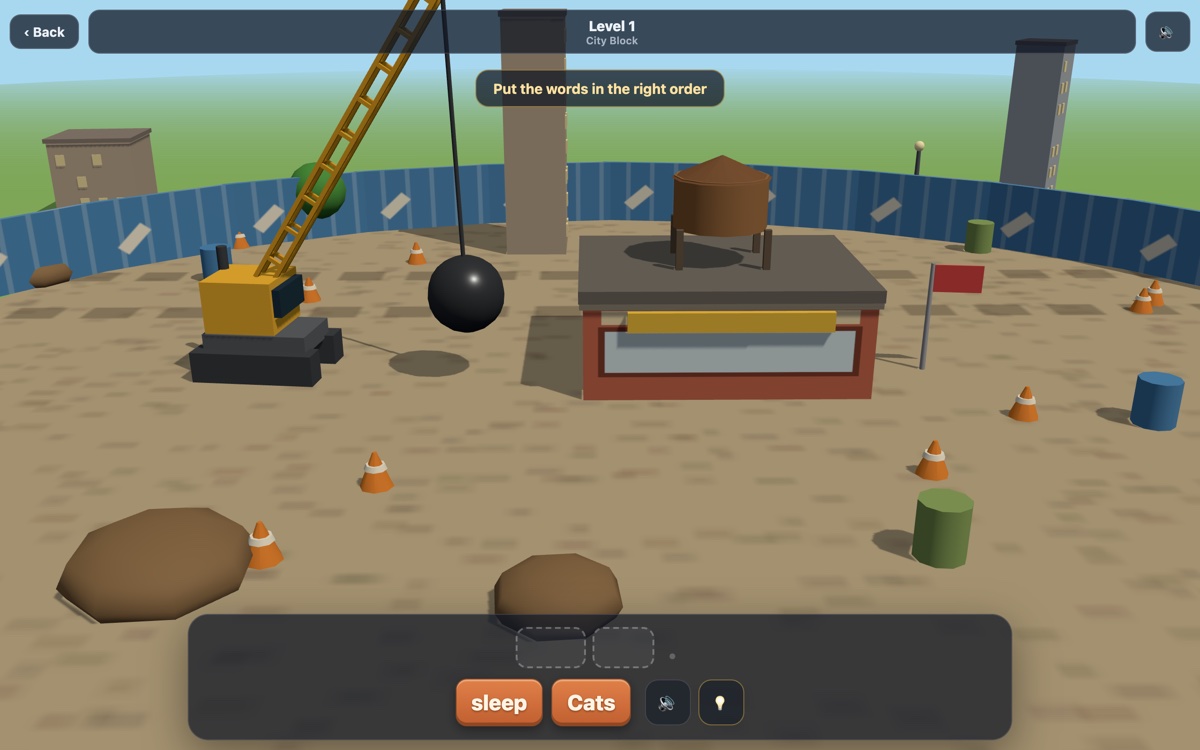 Simple Sentences — Free Word Order Game for Kids 6+
Building simple sentences: drag the scrambled words into the right order and the wrecking …
-
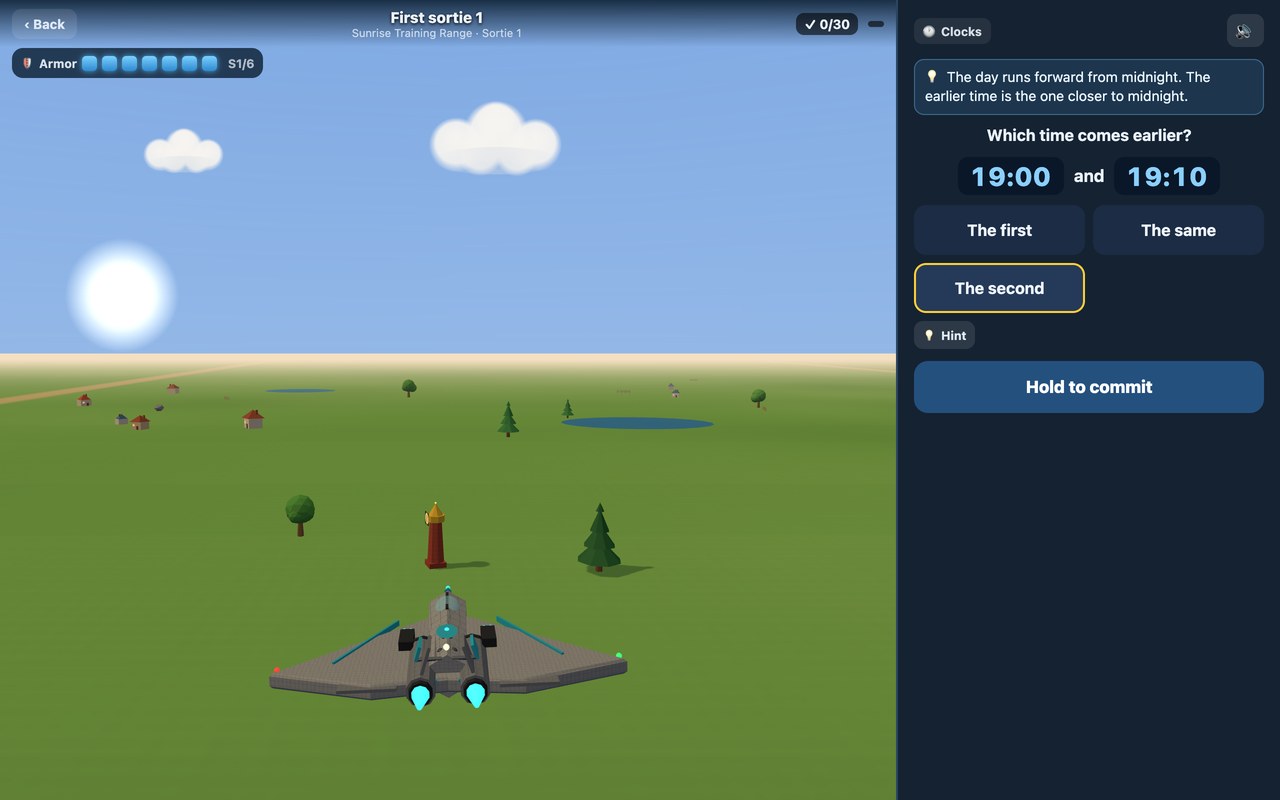 Telling Time — Free Chrono Wing Game for Kids 7+
Telling time from the clock face on: count the minutes, measure how long something …
-
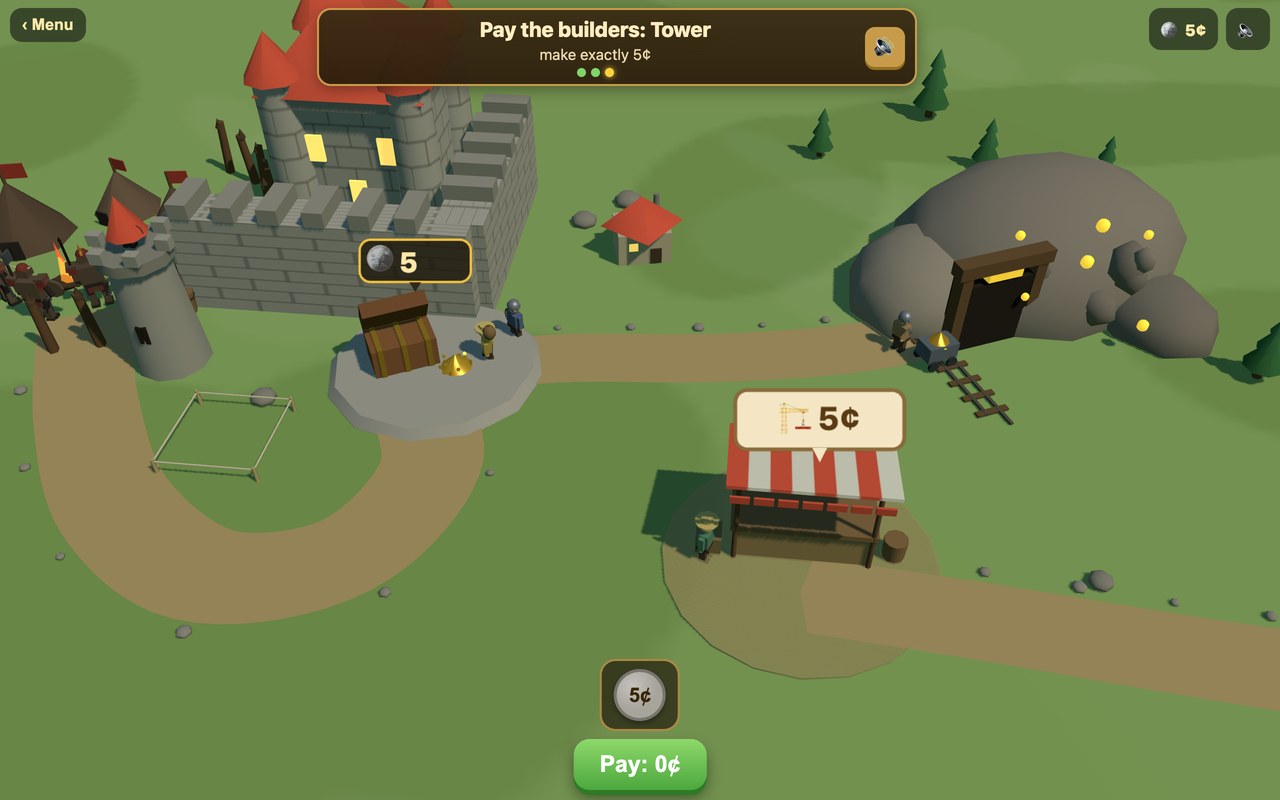 Counting Money — Free Treasury Keep Game for Kids 7+
Counting money in a treasury: add up the coins, compare two prices, make an …
-
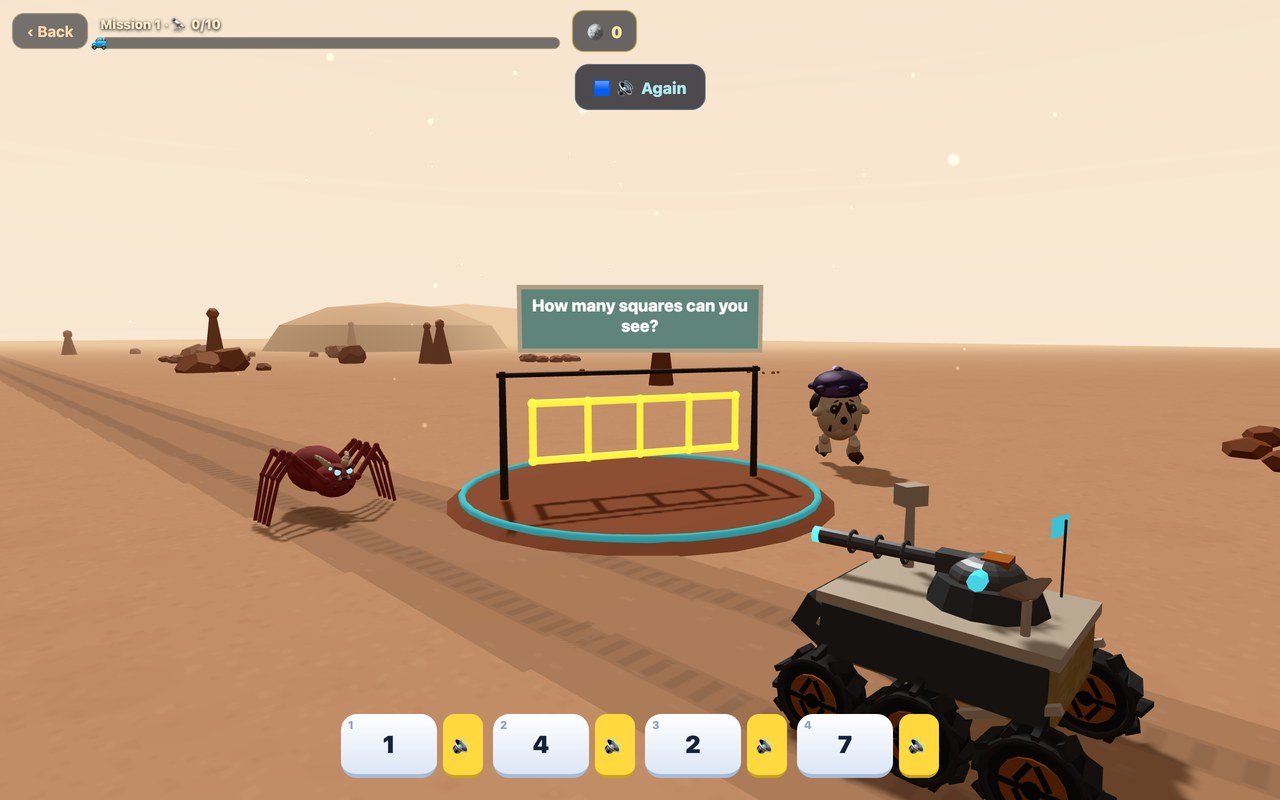 Geometry Games for Kids — Free Mars Rover 6+
Geometry for kids inside a Mars adventure: neon figures, cube builds and giant gears …
-
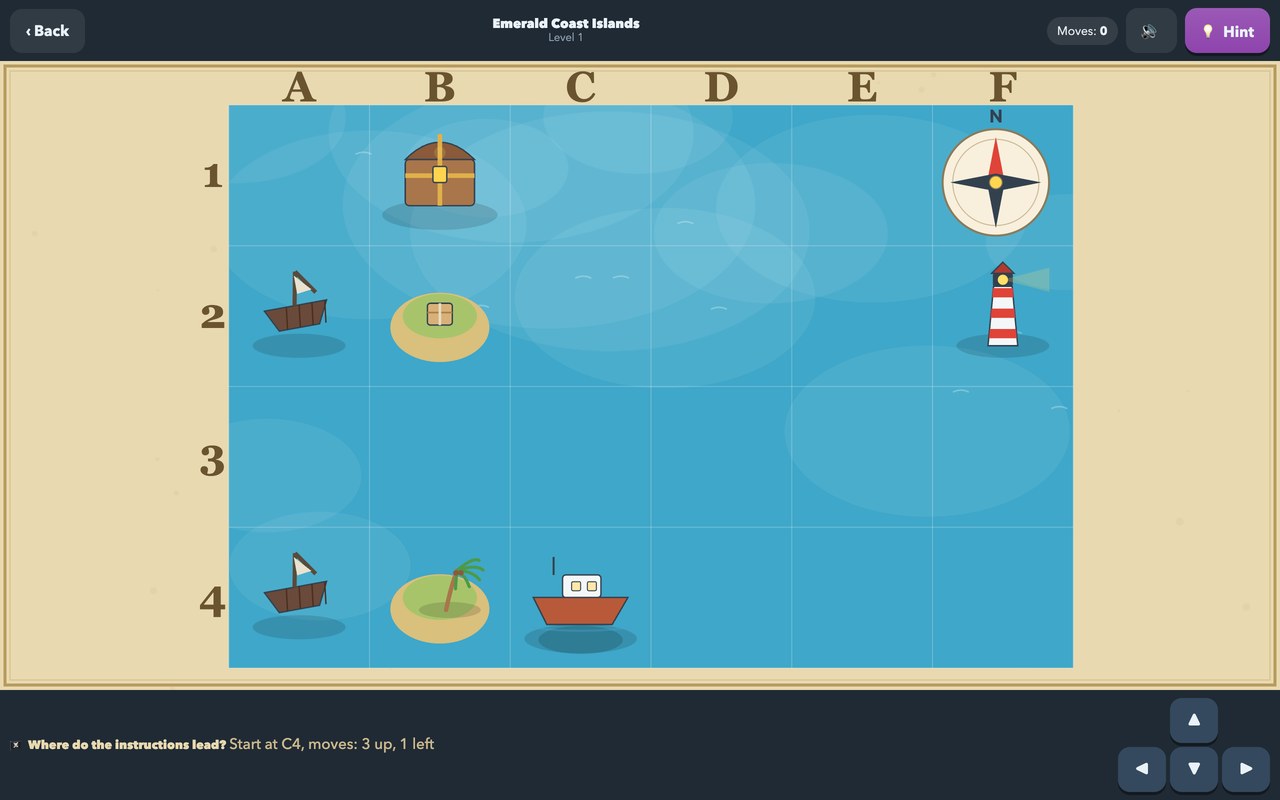 Cardinal Directions — Free Treasure Map Game for Kids 6+
Cardinal directions on a treasure map: north, south, east and west, then grid squares, …
-
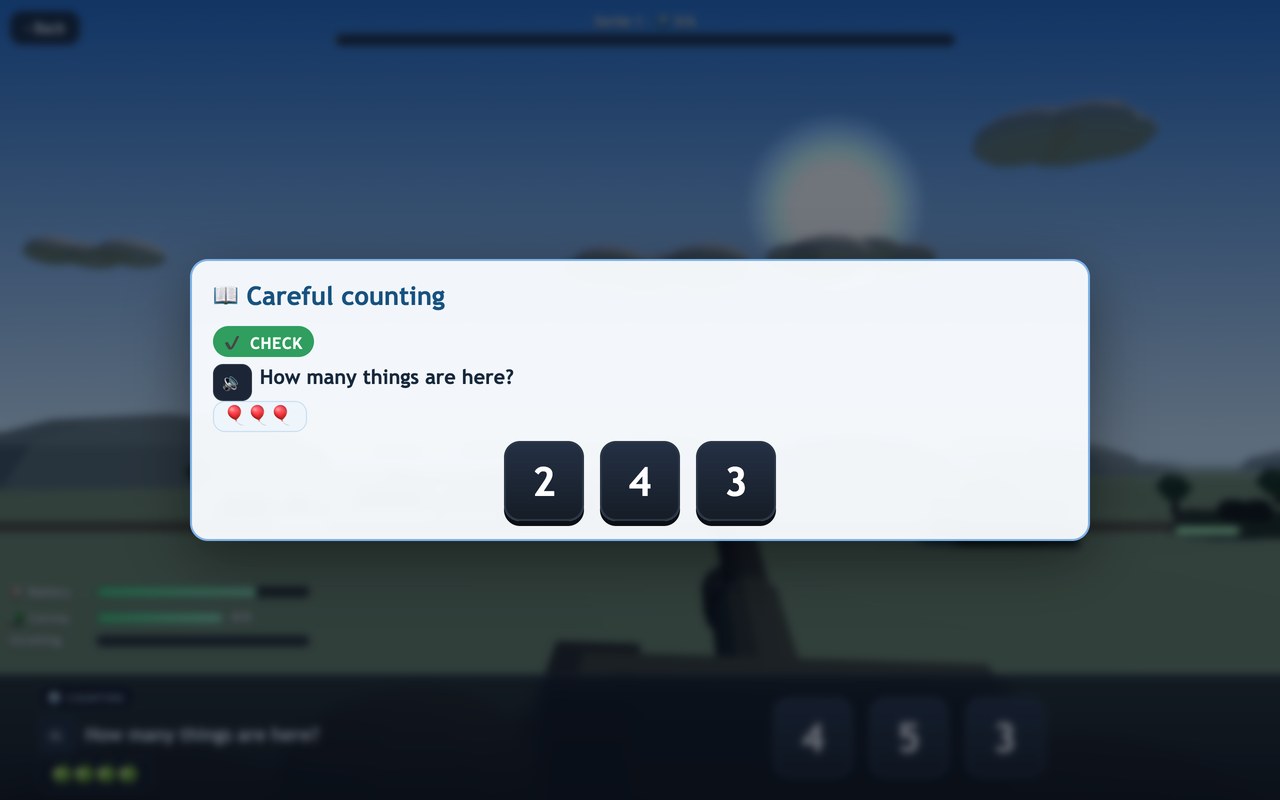 Logic Games for Kids — Free Sky Guard 5+
Logic games at a first-person flak gun: down the planes by solving 300 puzzles …
-
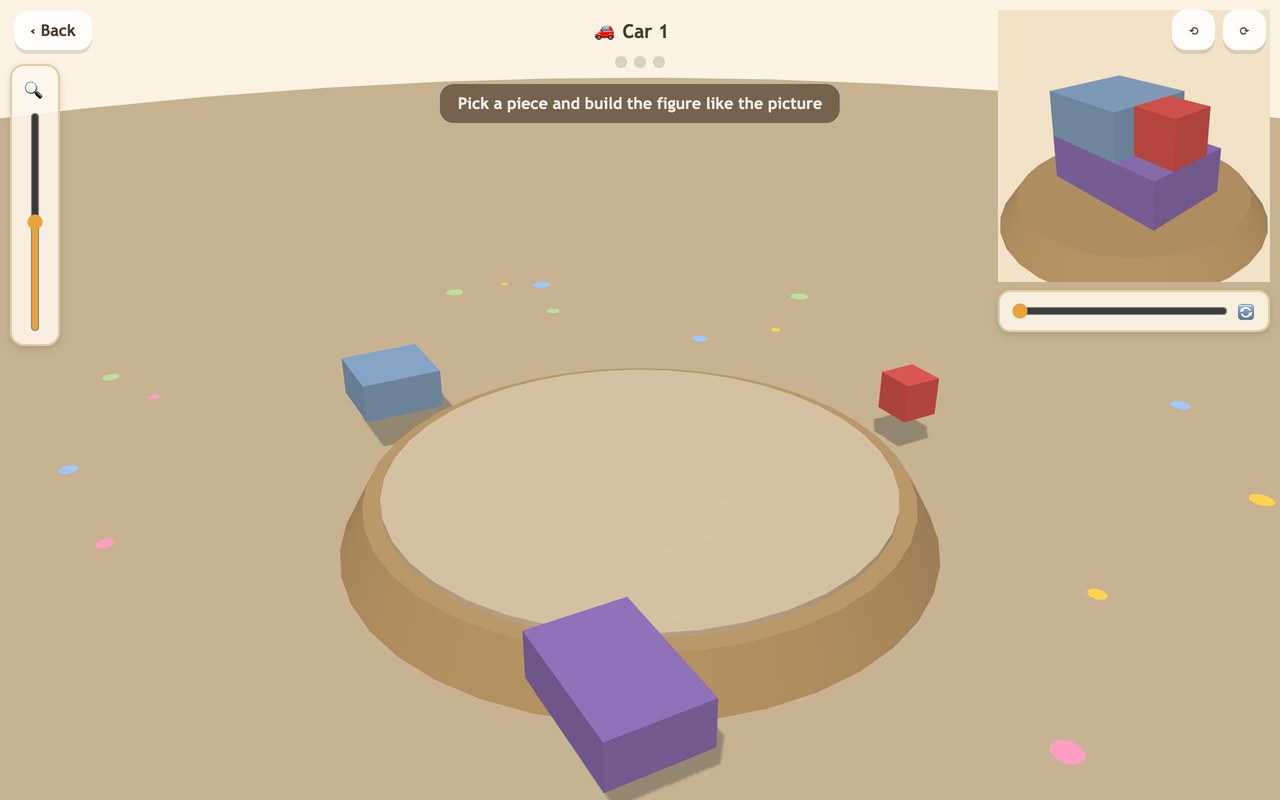 Tangram Online — Free 3D Tangram Puzzles 5+
Free tangram game online: 500+ 3D tangram puzzles for kids. Build rockets, castles and …
-
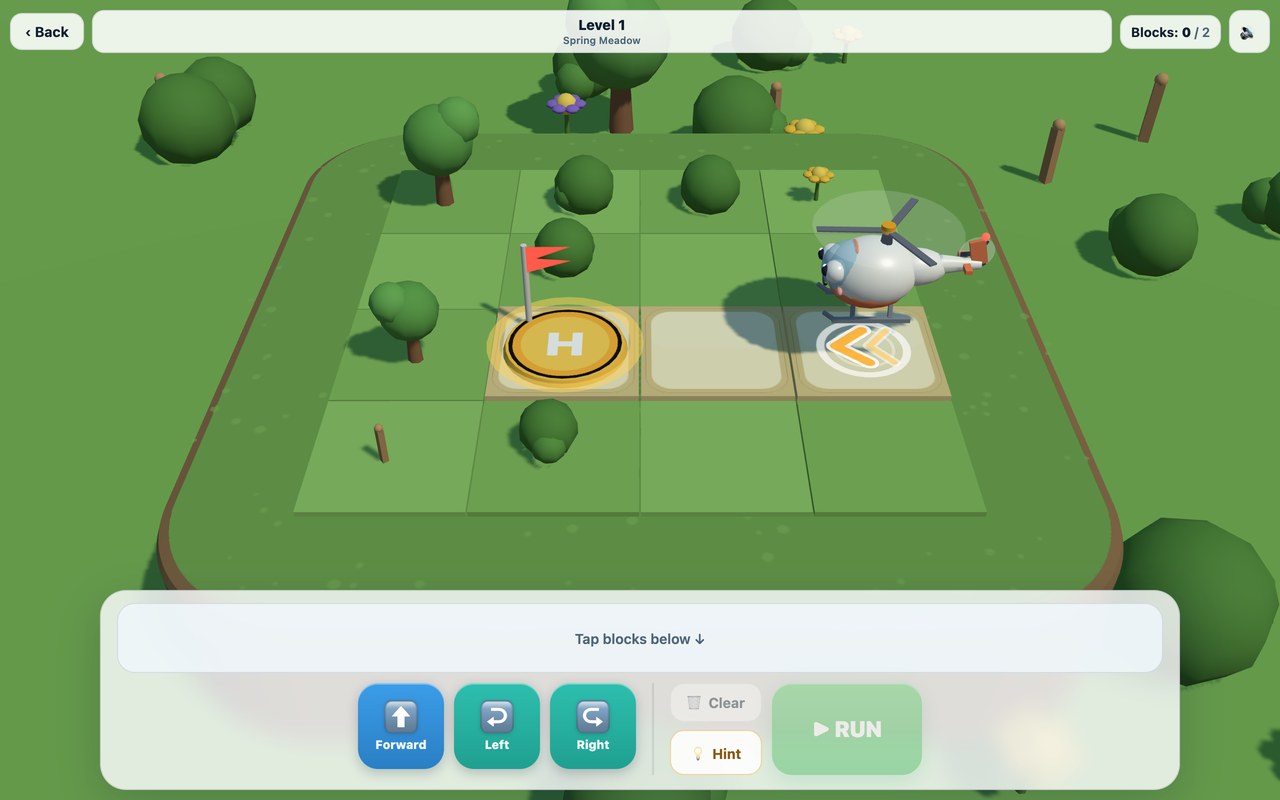 Coding for Kids — Free Block Programming Game 4+
Coding for kids with real block programming: build a sequence, run it, watch it …
-
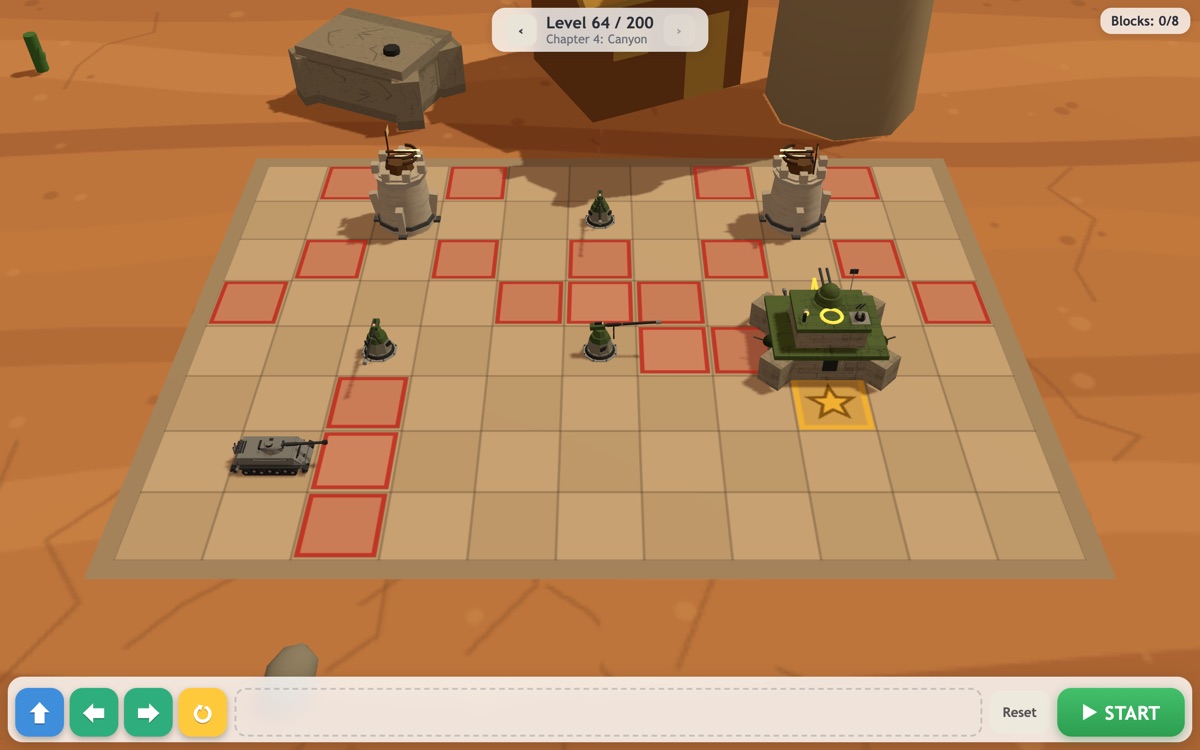 Coding Game “Tank Raid” — Free in Your Browser 5+
Coding games for kids in the browser: work out a safe route past the …
First grade is the year of twenty. Almost every number task a six- or seven-year-old meets lives between 0 and 20, and the goal is not to get the answers right — it is to get them right without counting.
Maths this year. Sums and differences within 20. Ten as a landmark (8+5 = 8+2+3). Missing addends: 7 + ? = 12, which is where subtraction is really taught. Comparing two-digit numbers by tens first. Telling time to the hour and half hour. Recognising a penny, nickel, dime and quarter and counting a small mixed handful.
Reading this year. Decoding short vowel words fluently, then long vowels with silent e (cap → cape), then common two-syllable words. Reading a whole sentence and being able to say what happened in it — comprehension quietly fails when decoding is still slow, so speed comes first.
Where first graders get stuck. Three places, every year: subtraction across ten (13−7), the difference between the digit 1 and the value 10 in "13", and reading a word correctly on one line and wrongly on the next because they are guessing from the first letter.
How to use this page. The games are ordered as the year runs: number fluency, then sentence reading, then time and money, then logic and building. Ten minutes of the first two beats forty minutes of the last two.
Neighbouring pages: 1st grade math games, games for 2nd graders, games for kindergarteners, sight words games and addition games for kids.