
Learning Games for Kids: Where to Start at Every Age
Games
-
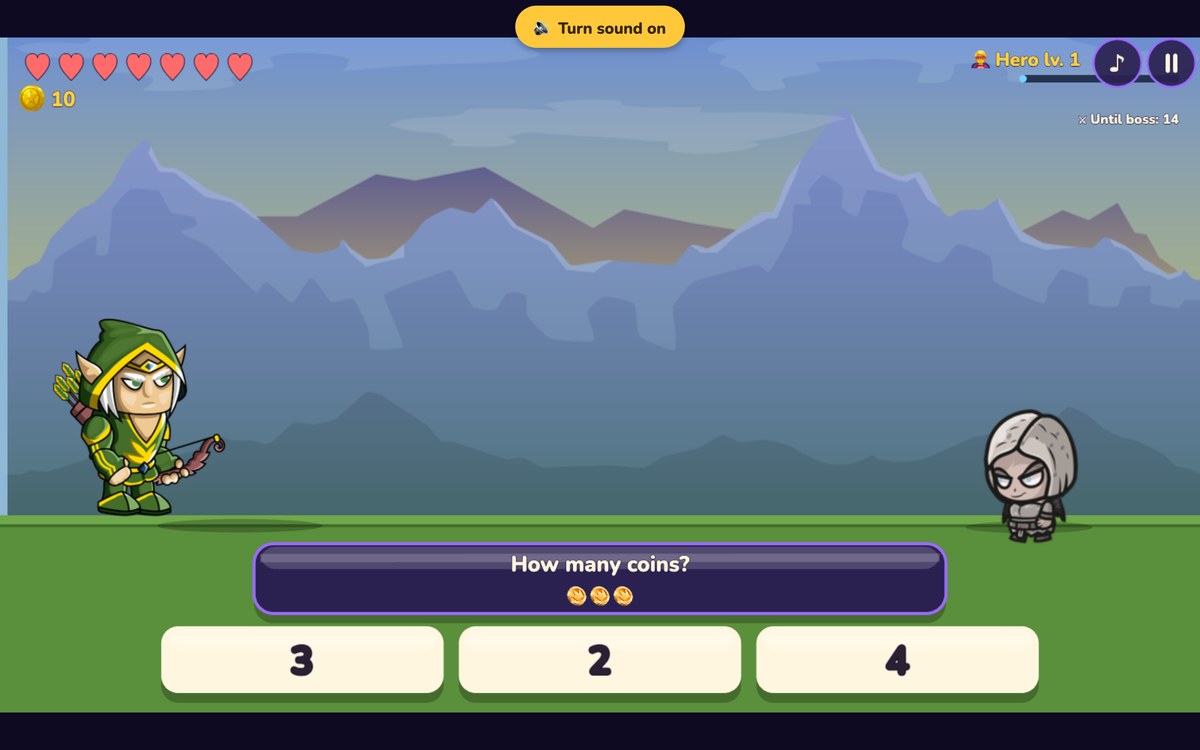 Math Games for 5th Graders — Free Math Blaster 4+
Math games for 5th graders: decimals, percent, fractions, area, perimeter, volume and solving for …
-
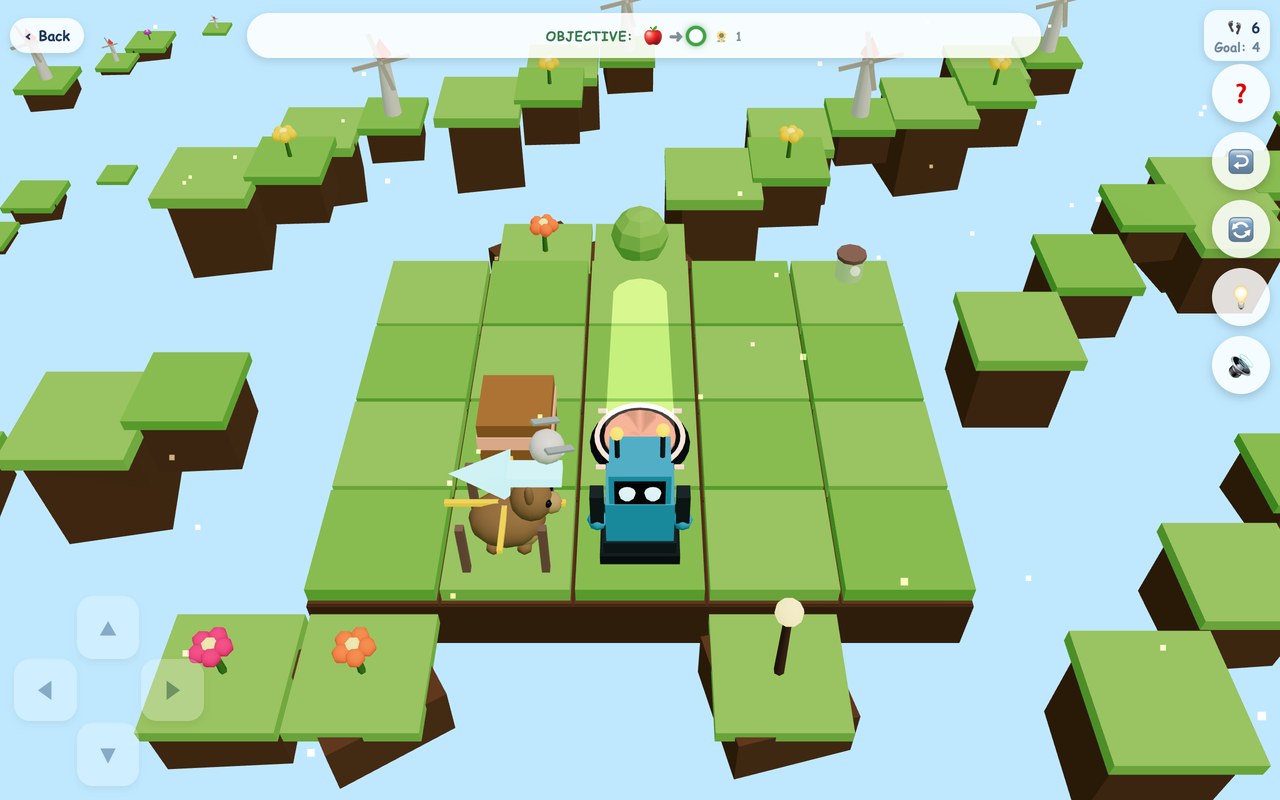 Puzzle Games for Kids — Free Rescue Bot: Wild Station 4+
Rescue Bot: puzzle games for kids, Sokoban-style — push, plan and rescue animals across …
-
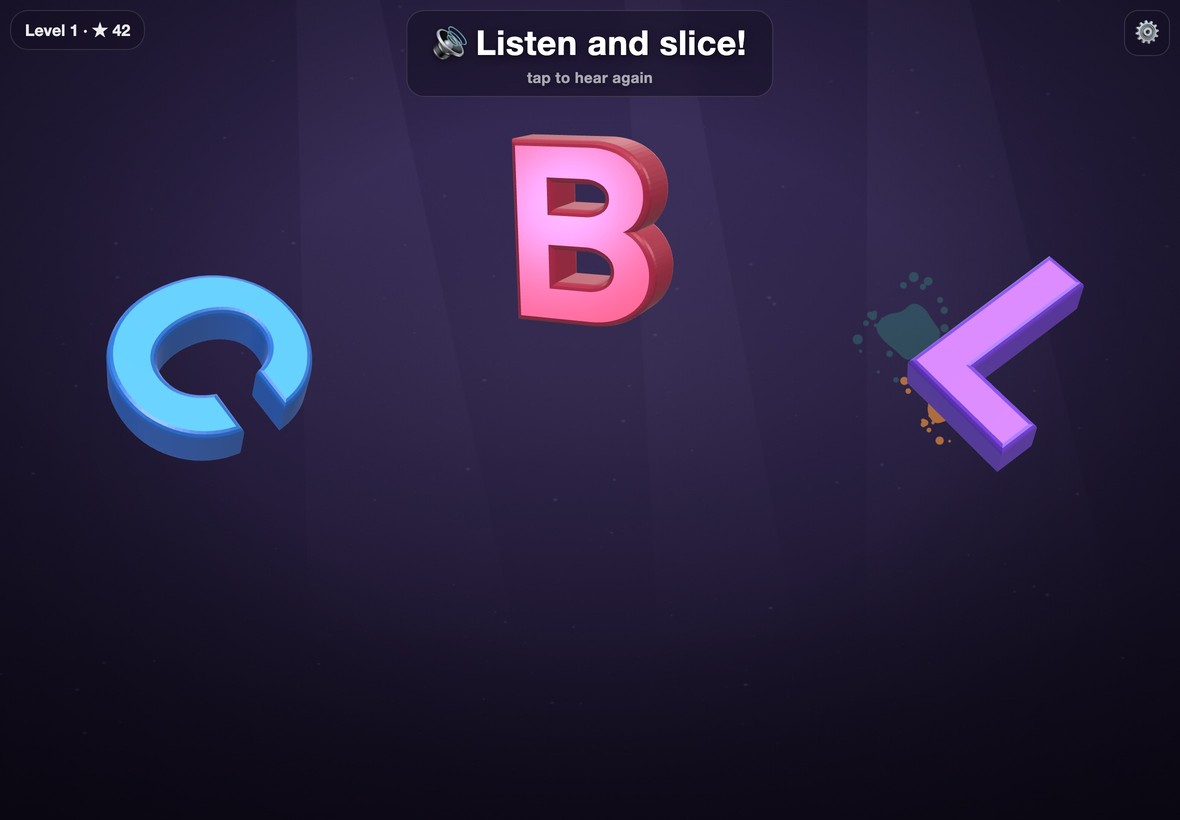 Alphabet Ninja — Free Letter Sounds Game for Kids 4+
Alphabet games for kids built like fruit slicing: a voice names the target — …
-
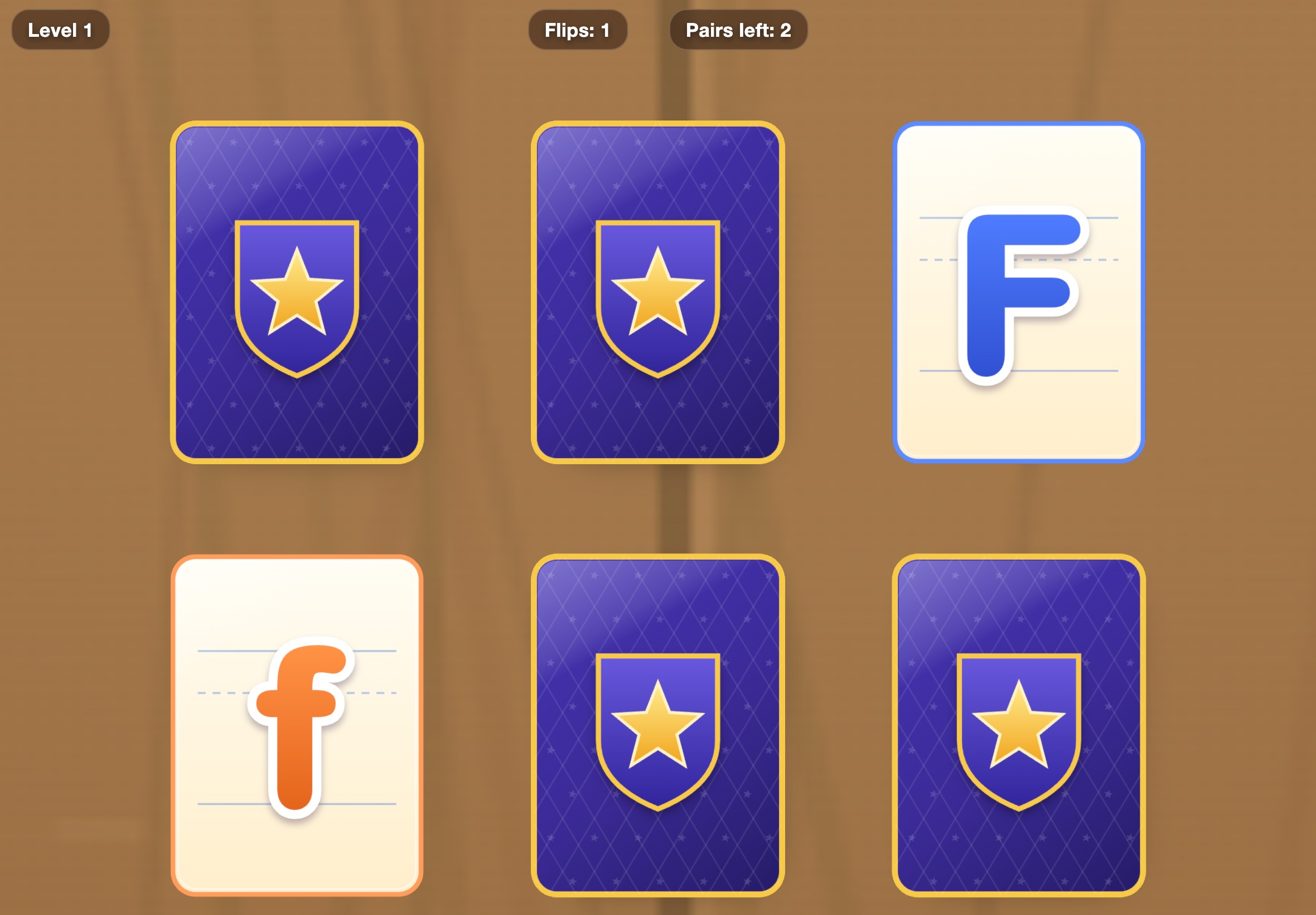 Letter Matching Game — Big A Finds Little a 4+
A free letter matching game: turn two cards and find the pair — capital …
-
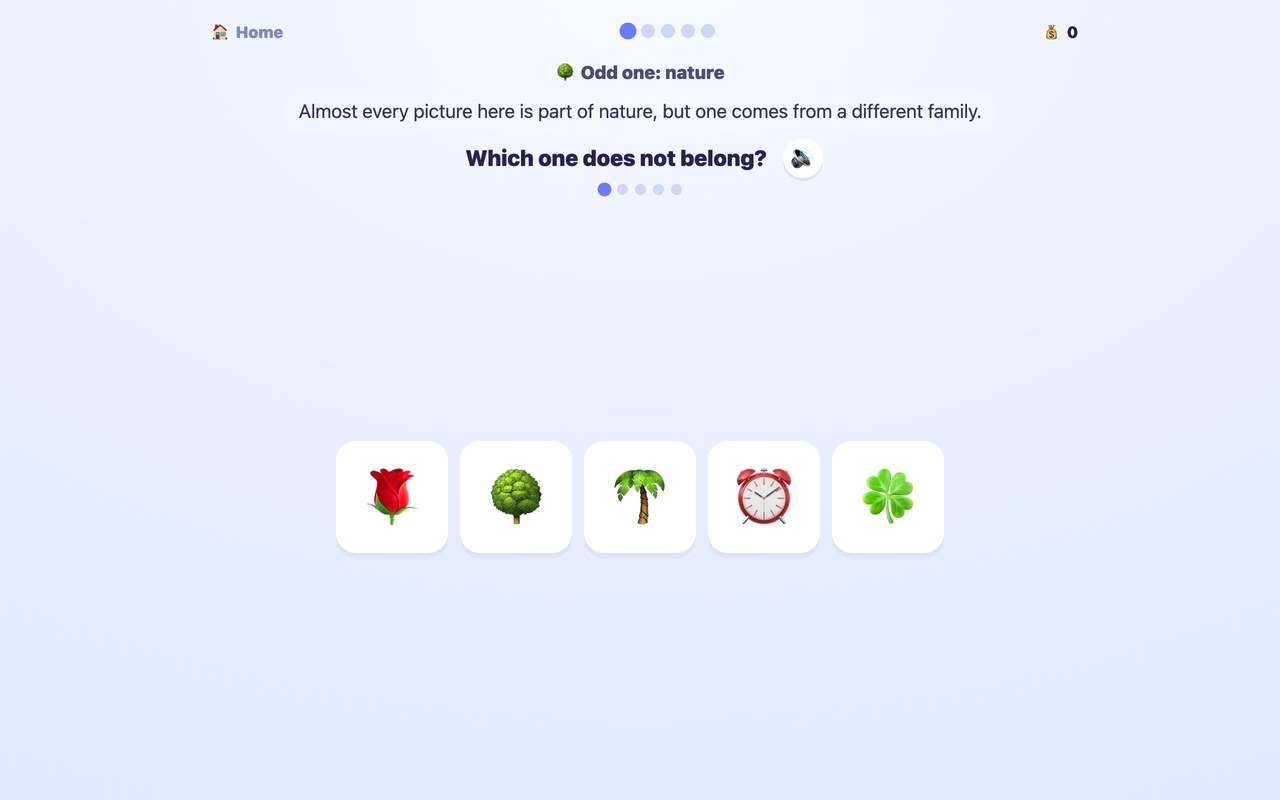 Brain Games for Kids — Free Brain Kids 4+
Brain games for 5 year olds: 50 quick picture puzzles — odd one out, …
-
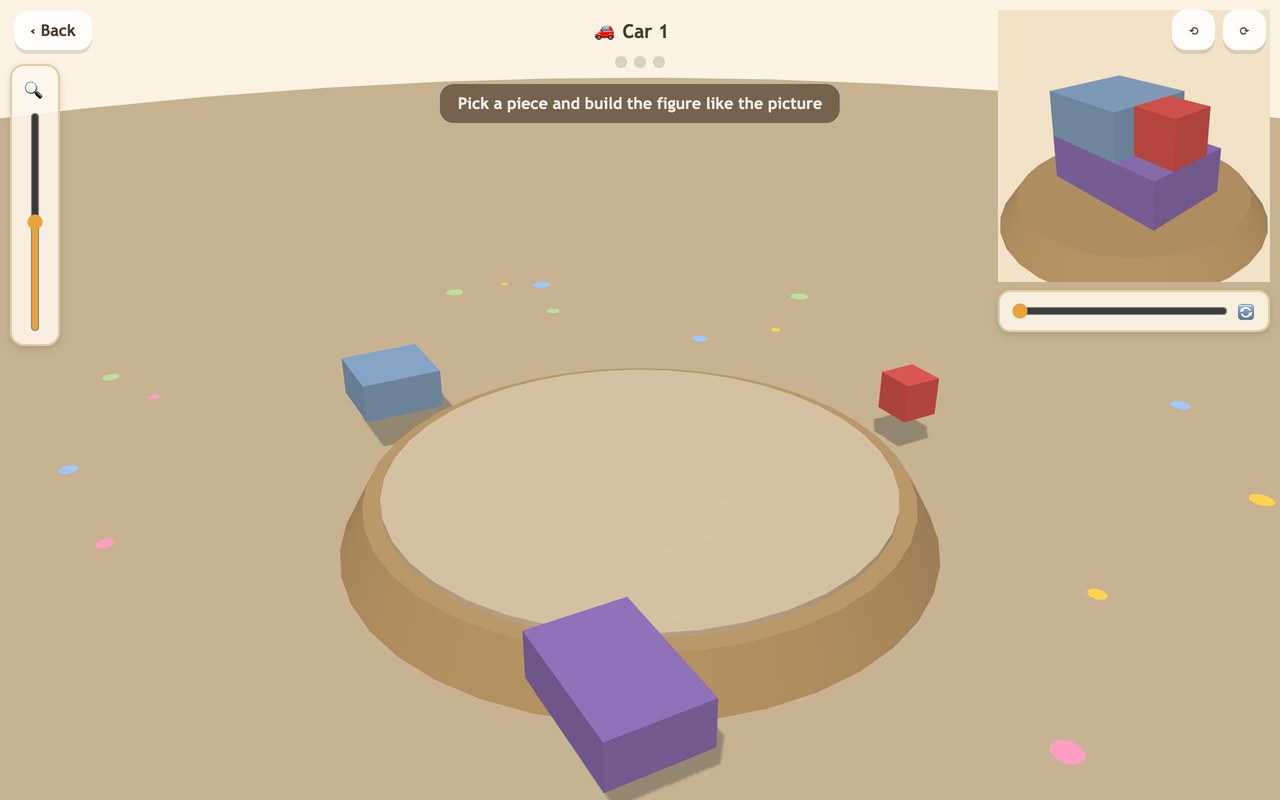 Tangram Online — Free 3D Tangram Puzzles 5+
Free tangram game online: 500+ 3D tangram puzzles for kids. Build rockets, castles and …
-
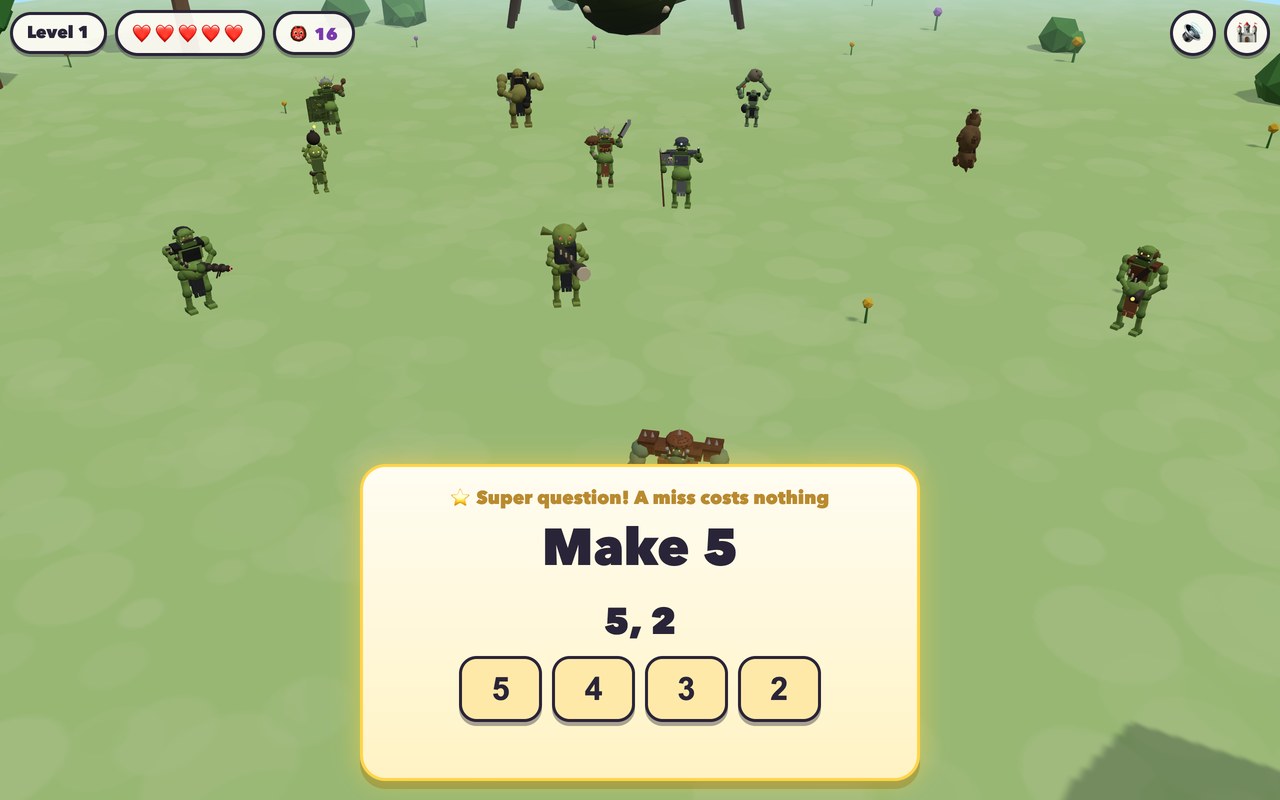 Math Games for 1st Graders — Free Sword of Sums 6+
Math games for 1st graders: a knight walks ten 3D worlds and every monster …
-
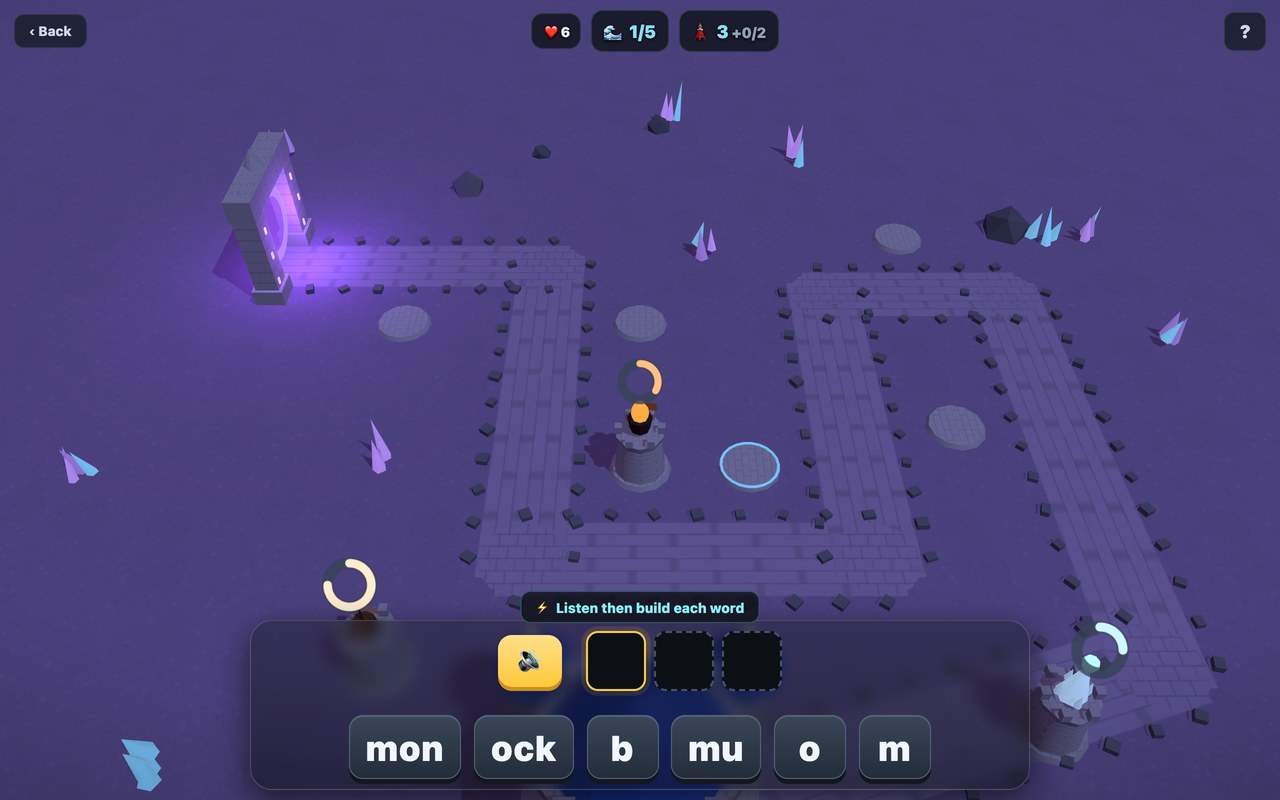 Letter Sounds Games — Free Word-Building Tower Defense 5+
Letter sounds games in the right order: hear a word, tap the letter tiles …
-
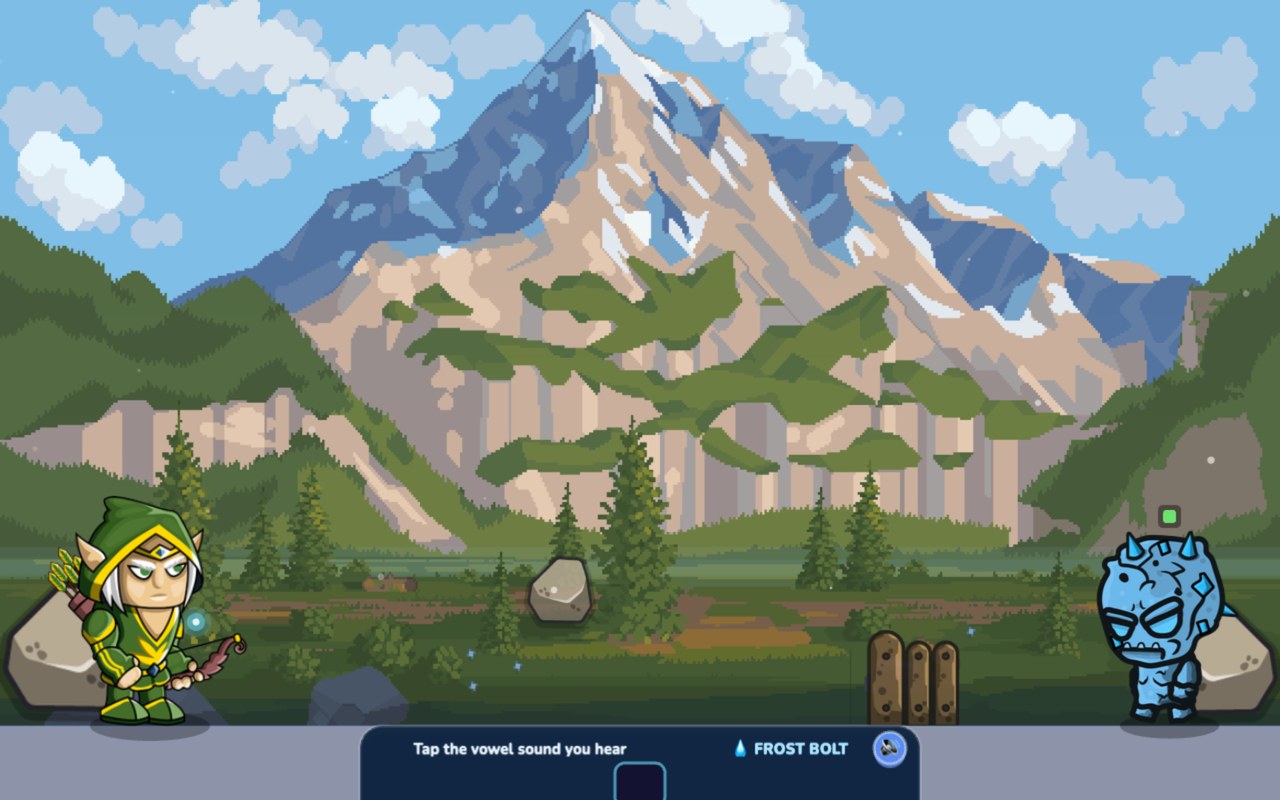 Phonics Games Online Free — Word Wizard 5+
Phonics games online free where blending is the only attack: letter sounds, onset and …
-
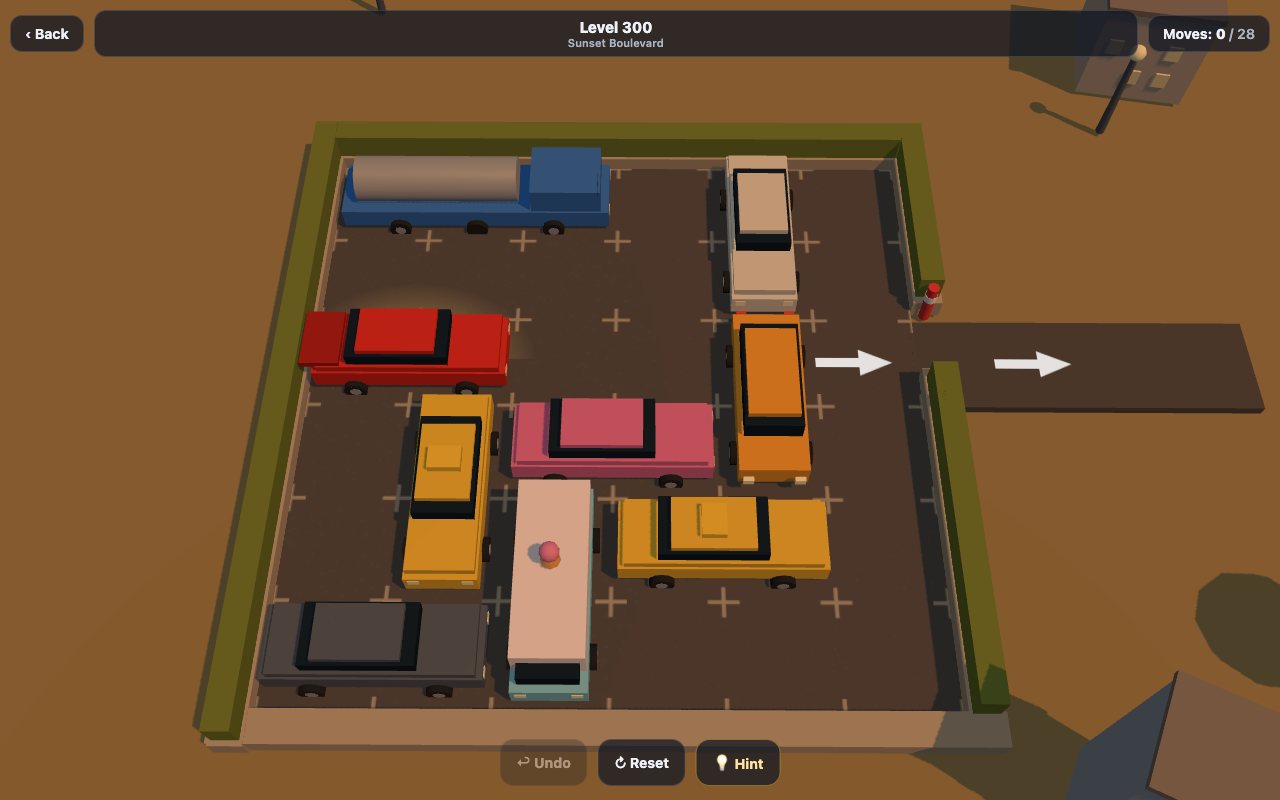 Traffic Jam Puzzle — Free Logic Game for Kids 5+
Traffic jam game in a cozy 3D city: slide the cars and trucks along …
-
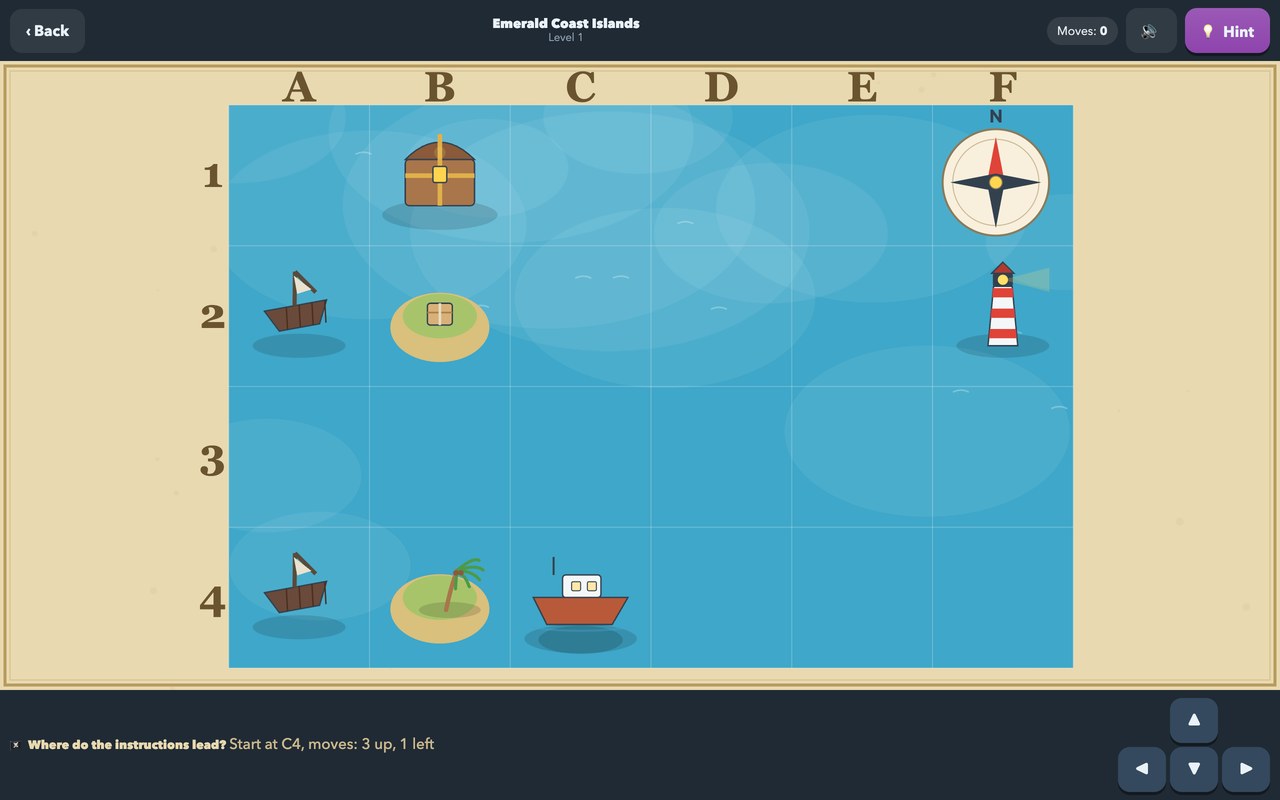 Cardinal Directions — Free Treasure Map Game for Kids 6+
Cardinal directions on a treasure map: north, south, east and west, then grid squares, …
-
 Area and Perimeter — Free Geometry Game for Kids 6+
Area and perimeter on a building grid: fence the yard, floor the warehouse, then …
-
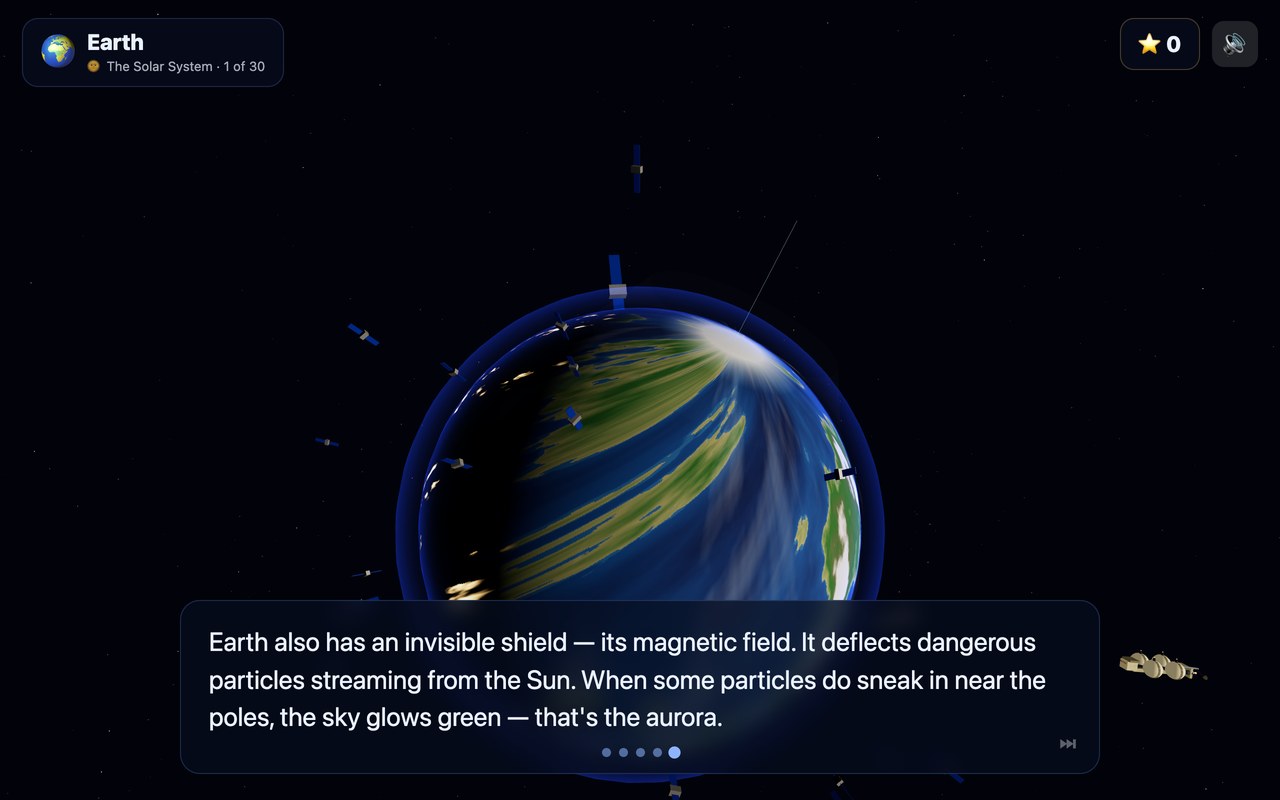 Space Explorer — Free Astronomy Game for Kids 6+
Space games for kids with real astronomy: fly from Earth to the Moon, Mars, …
-
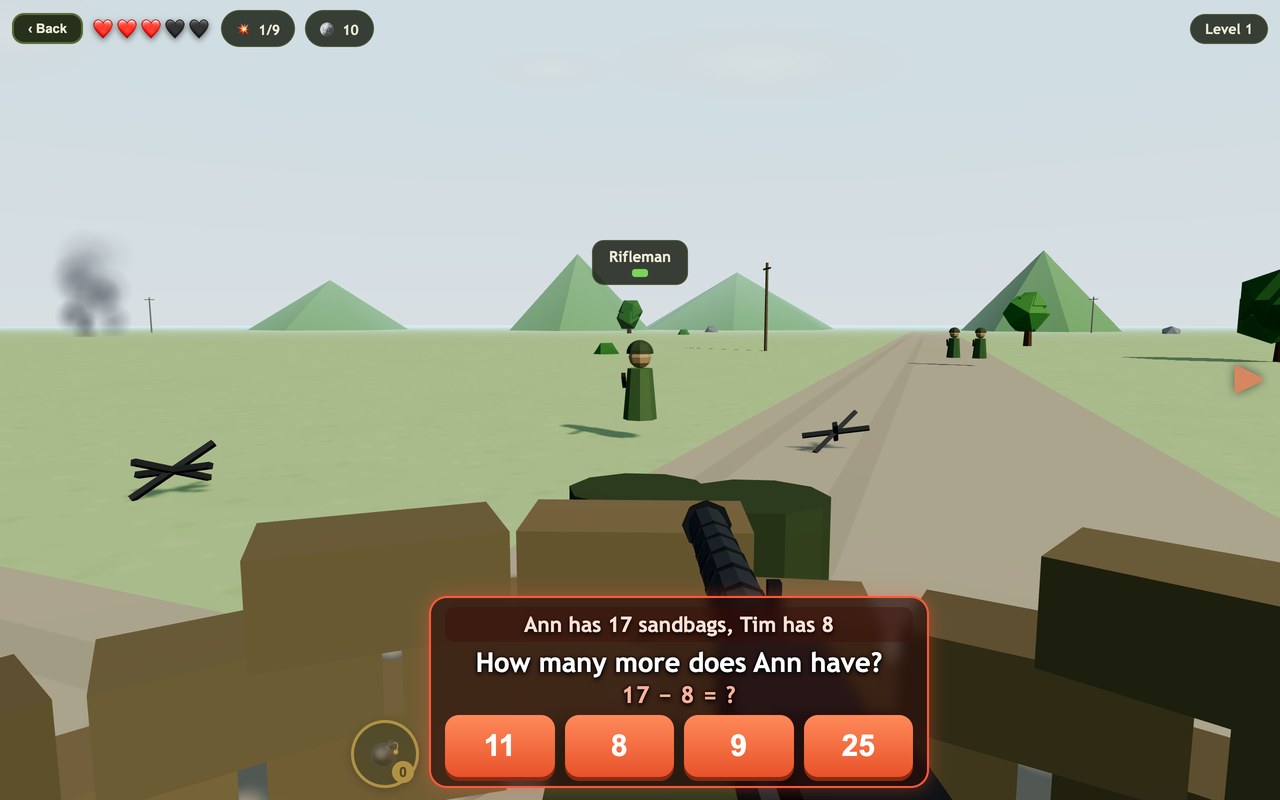 Math Games for 3rd Graders — Free Firing Line 6+
Math games for 3rd graders: short word problems, adding and subtracting past 100, times …
-
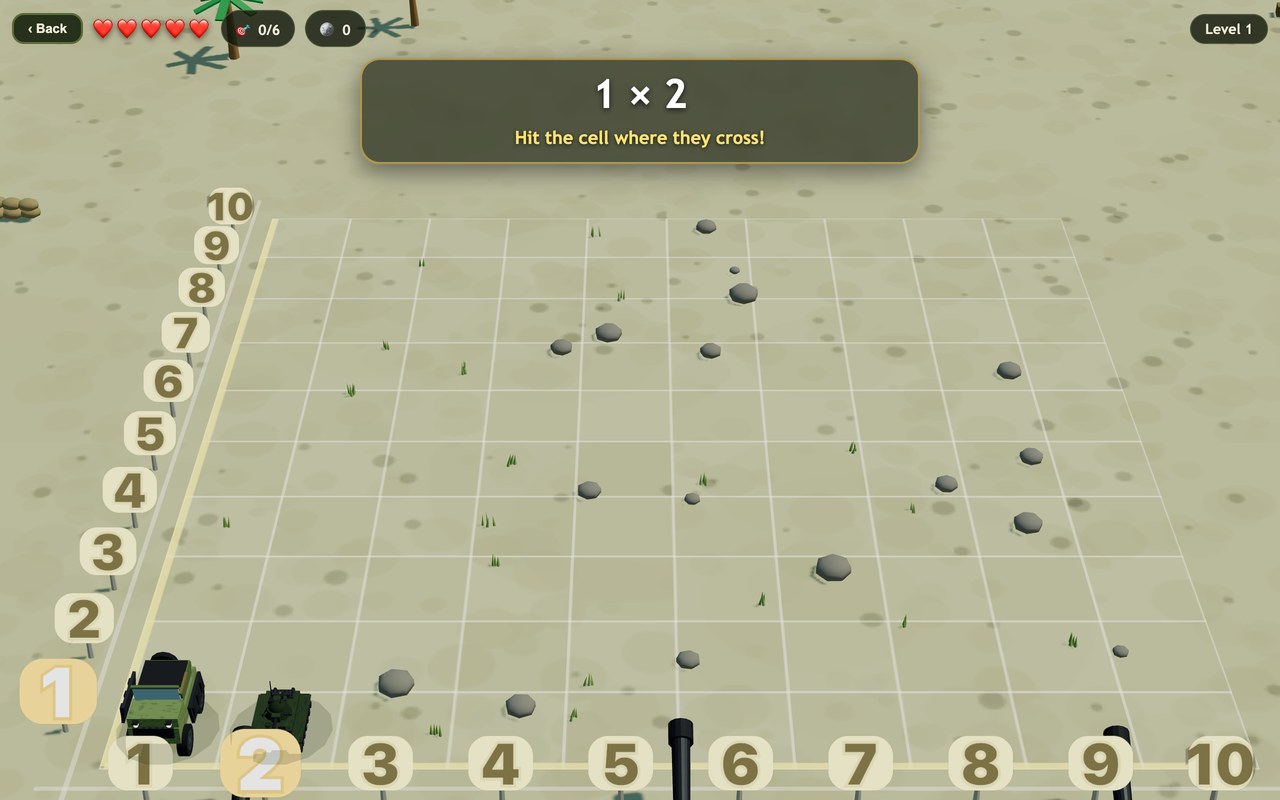 Multiplication Facts — Free True Aim Artillery Game 7+
Practise multiplication facts one row at a time: 2s, 5s and 10s first, then …
-
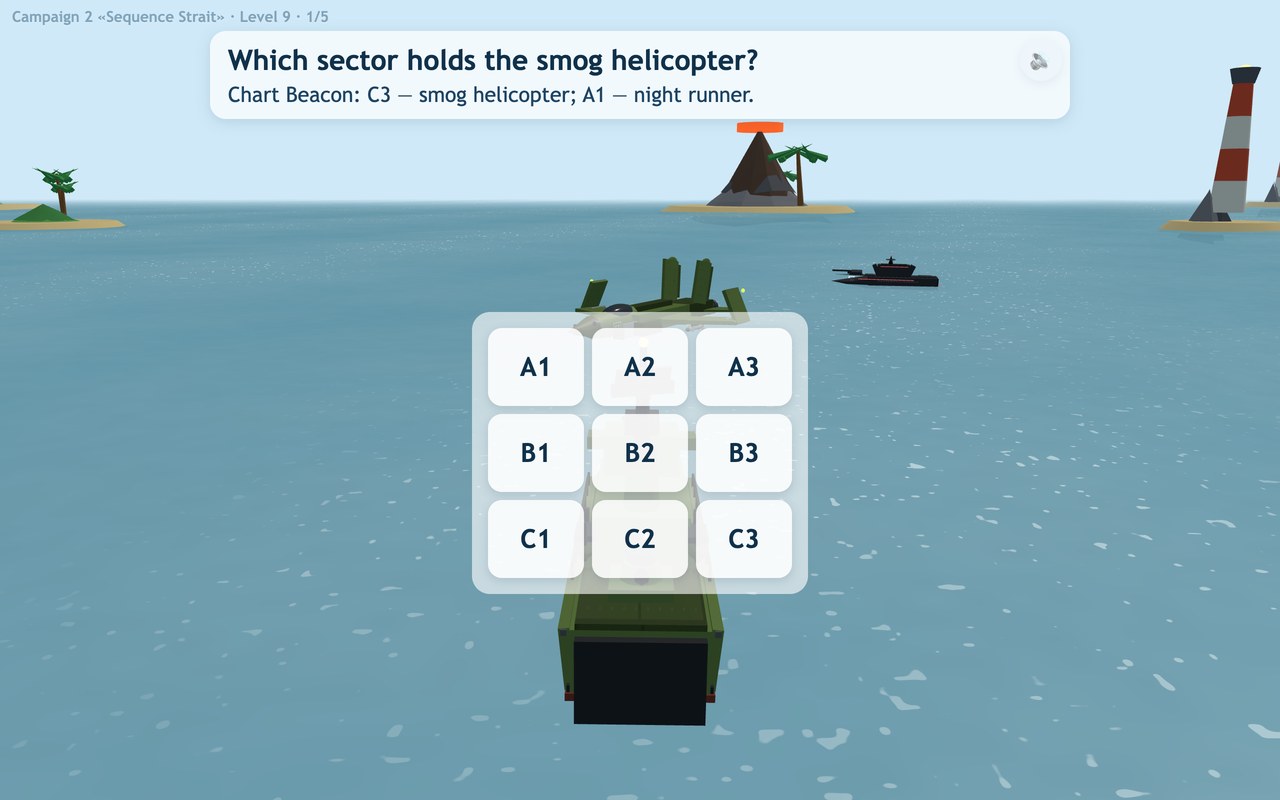 Free Reading Games for Kids — Fleet Captain 7+
Free reading games for kids that go past sounding out: read a short written …
-
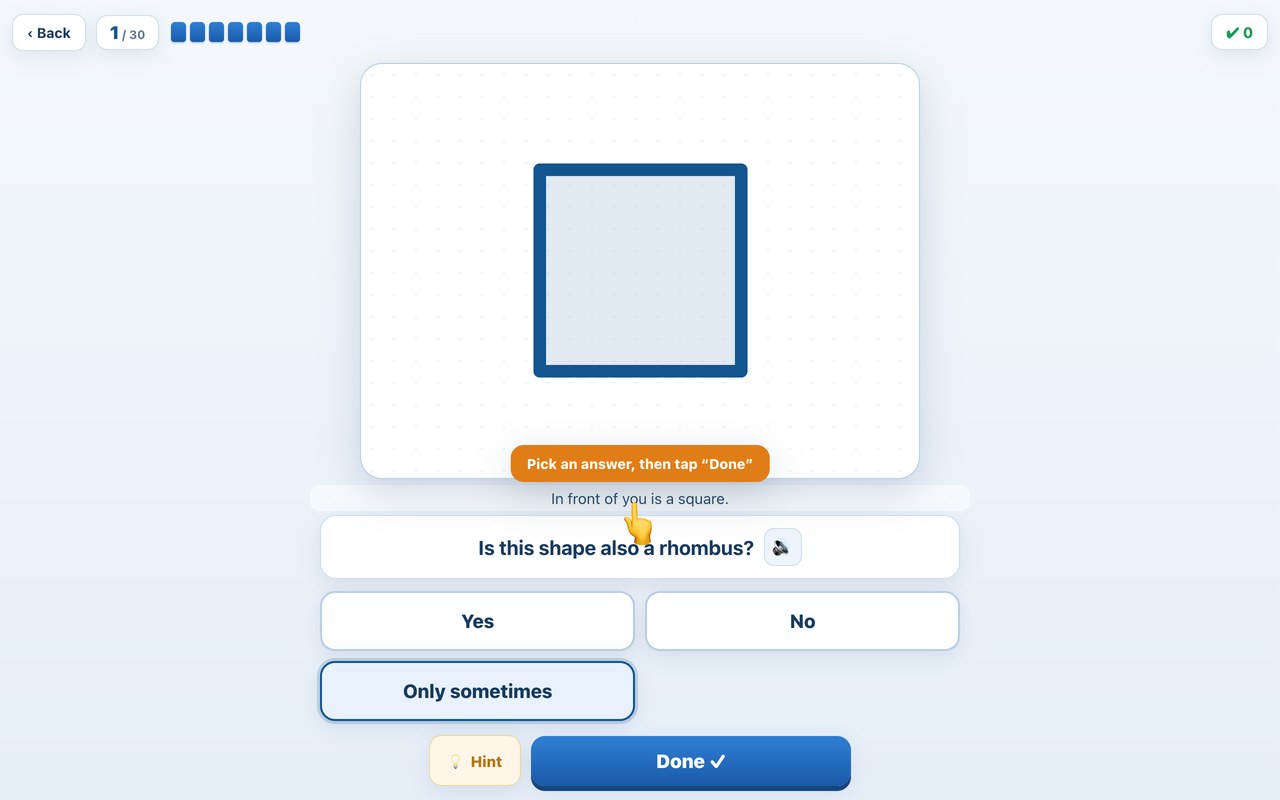 Geometry Games for Kids — Free Angle Assault 8+
Geometry games for kids where the answer is the attack: measure angles, name shapes, …
-
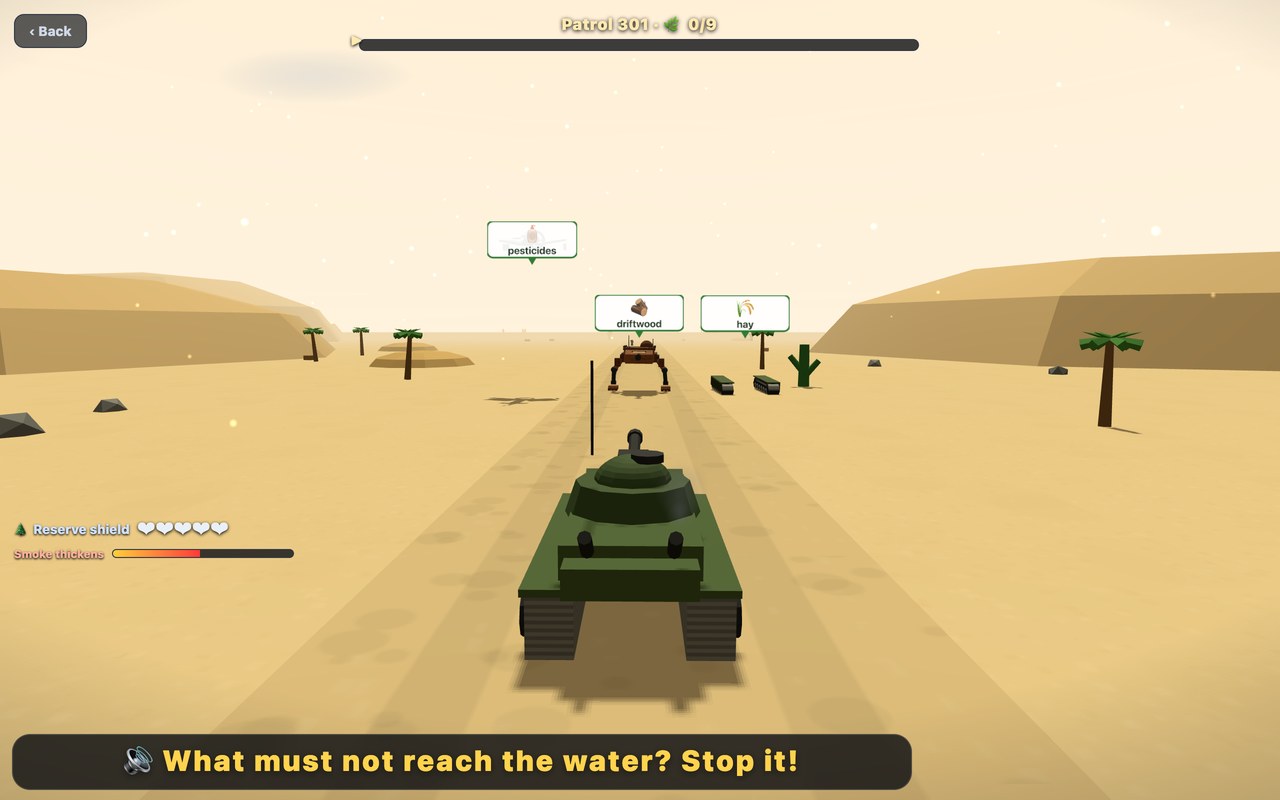 Food Web & Food Chain Game for Kids — Free Eco Defense 7+
A food web game for kids: build the web from producers, consumers and decomposers, …
-
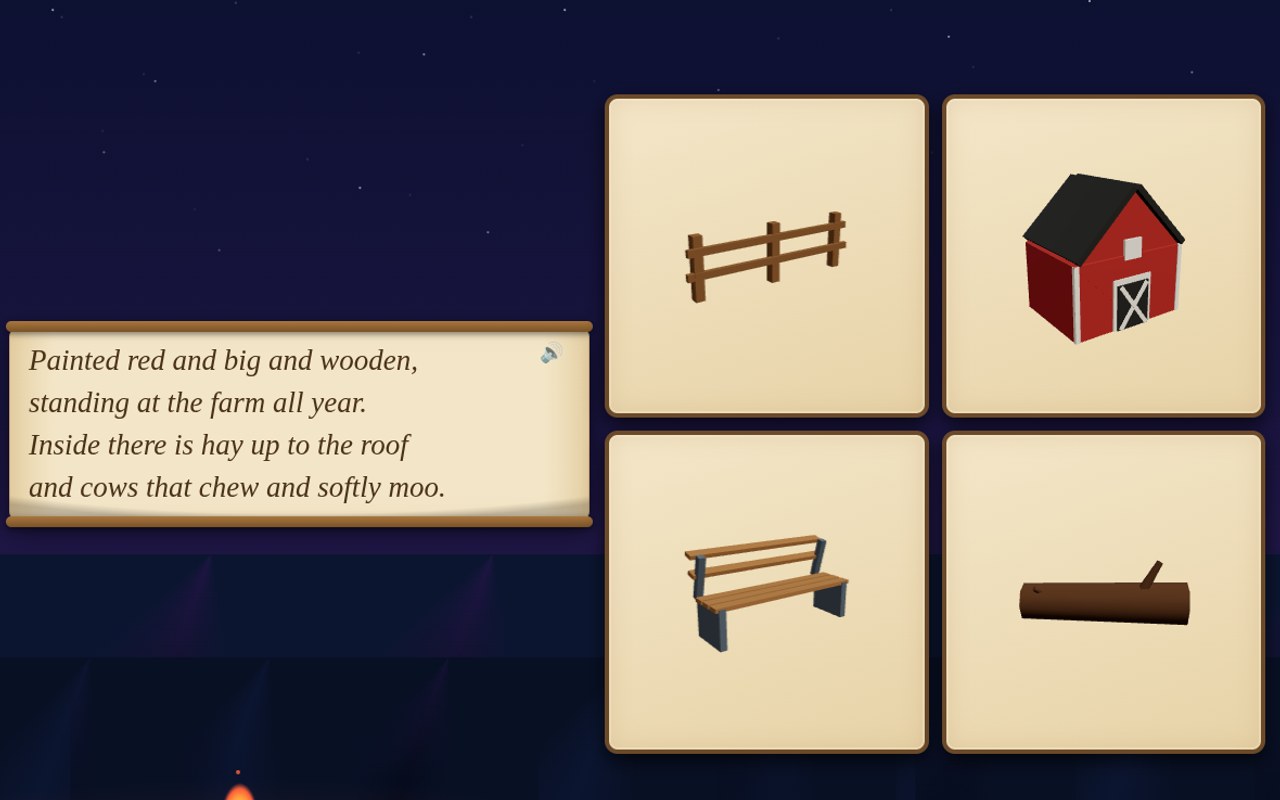 Riddles for Kids Game — Guess by the Campfire 6+
The riddles for kids game, free online: picture riddles, number riddles and thinking puzzles …
-
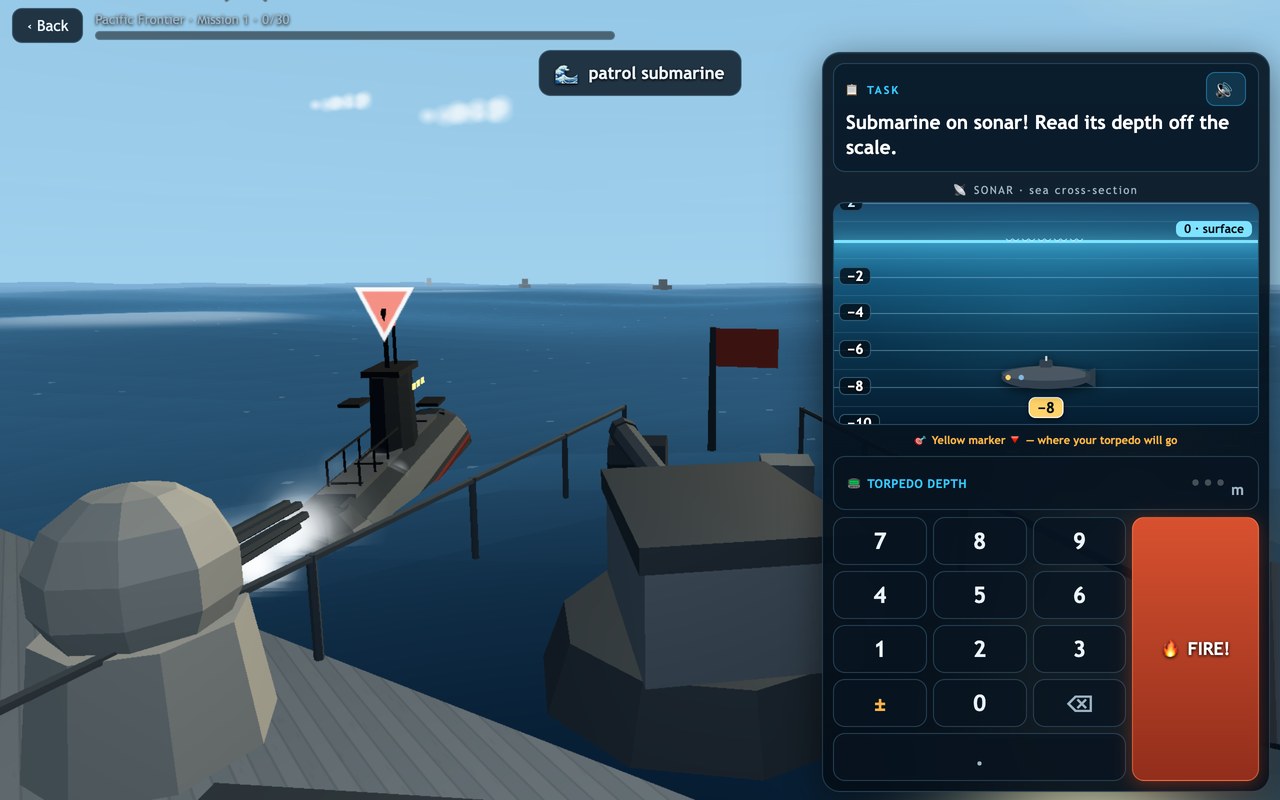 Math Games for 6th Graders — Free Deep Number 8+
Math games for 6th graders on a submarine depth scale: negative numbers, opposites, comparing …
-
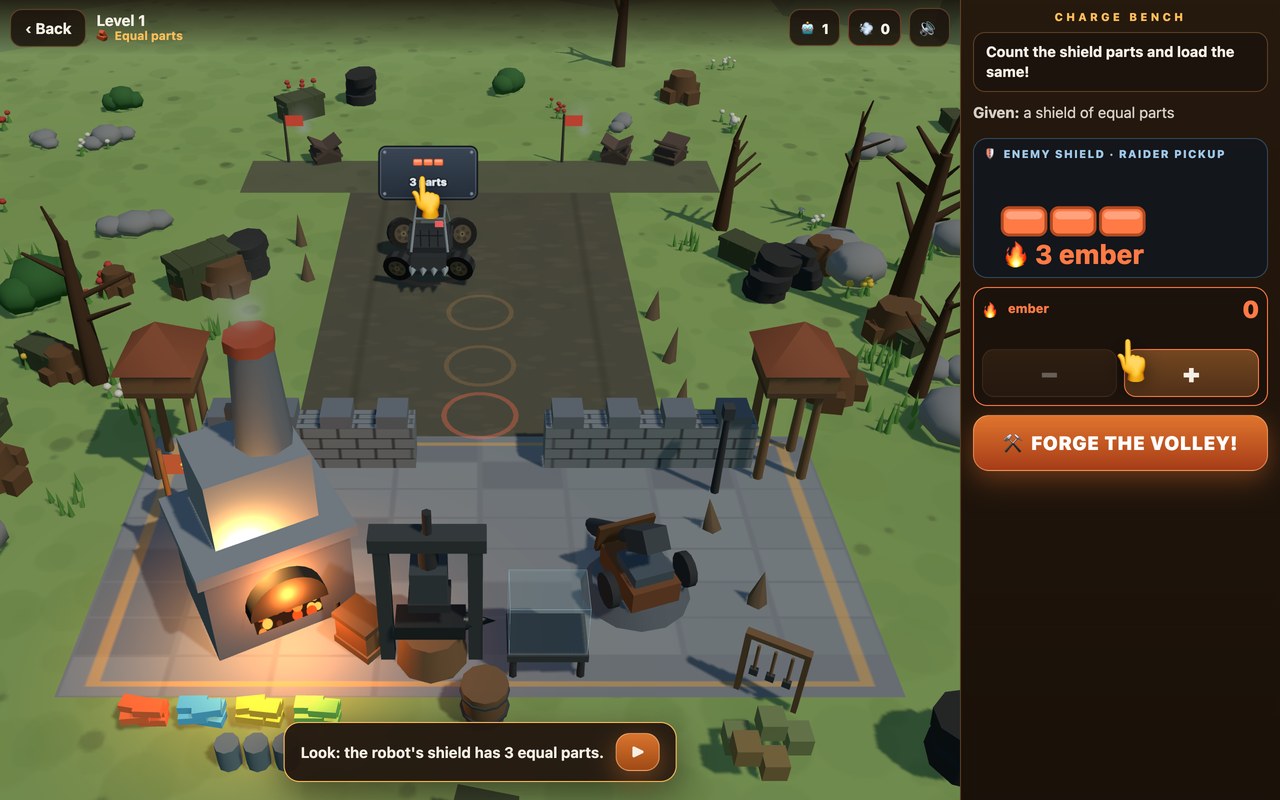 Ratio & Proportion Games for Kids — Free Ratio Forge 9+
Ratio games for kids where the math is the weapon: use ratios, unit rates …
-
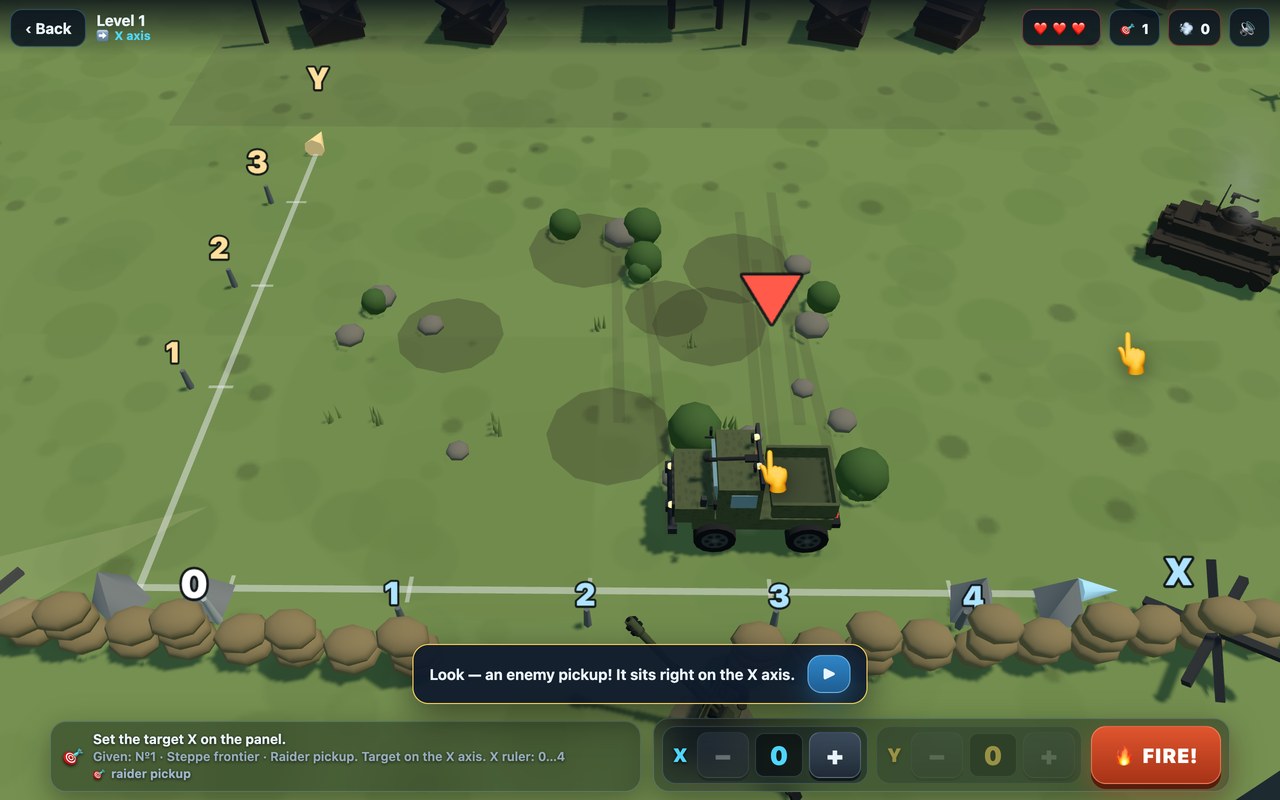 Coordinate Grid — Free Grid Artillery Game for Kids 7+
A coordinate grid game where the point is the target: read it, call it …
-
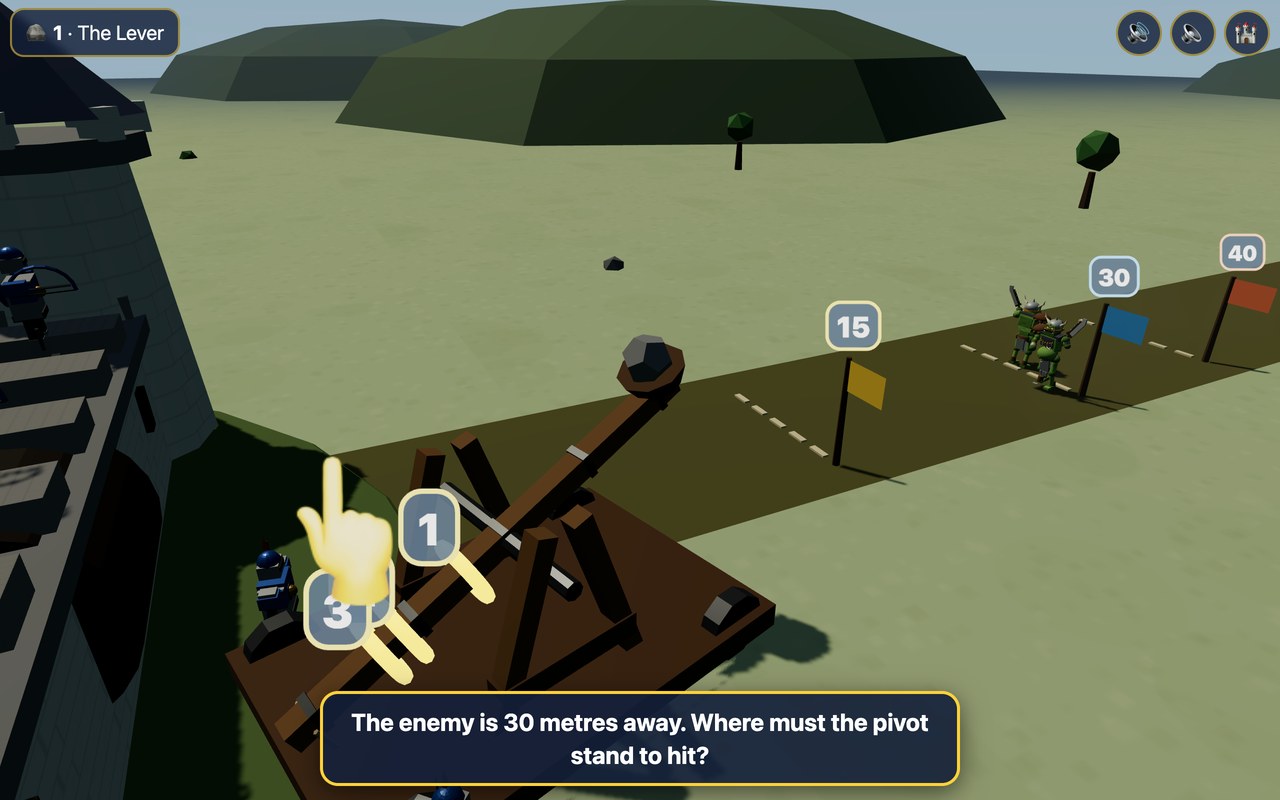 Physics Games for Kids — Free Force Forge 8+
Physics games for kids where real forces decide: use levers, pulleys, gears and center …
-
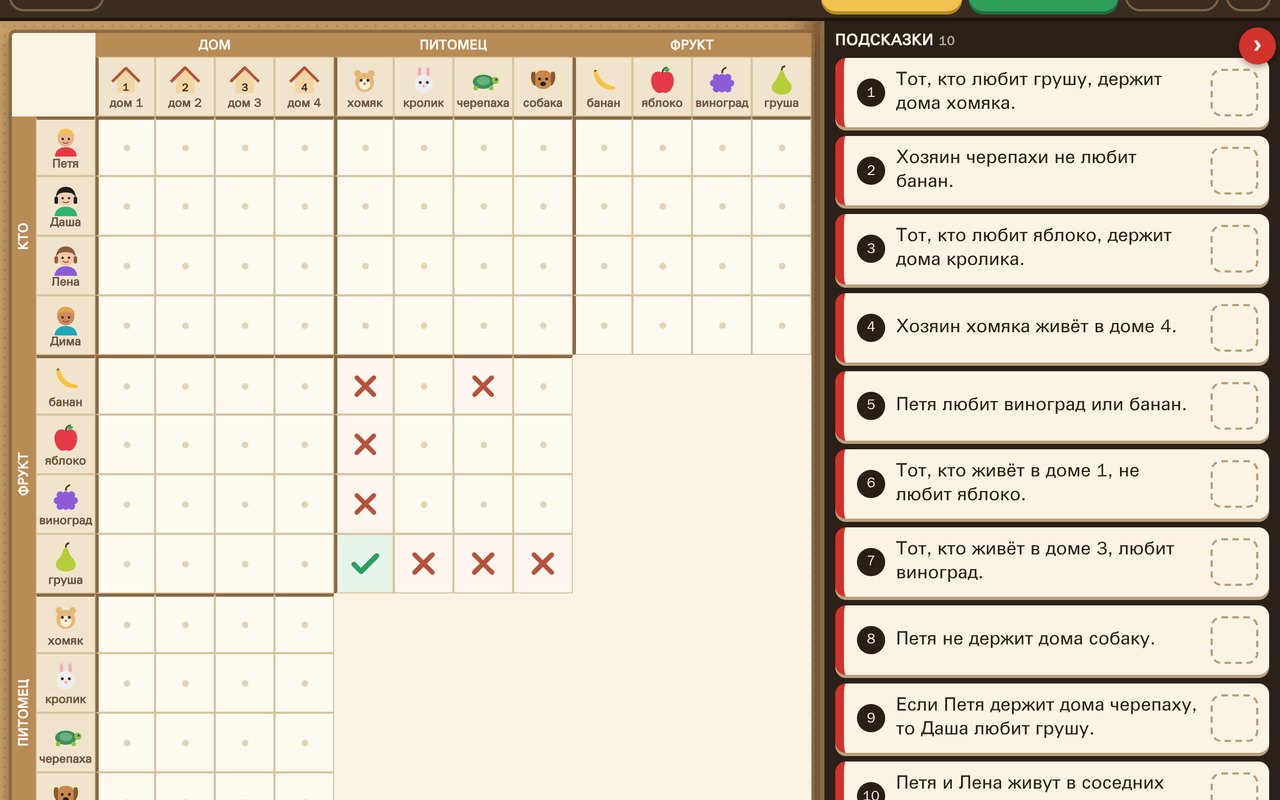 Logic Grid Puzzles for Kids — the Detective's Board 7+
Solve logic grid puzzles online free: read the clues, mark ✗ and ✓ on …
-
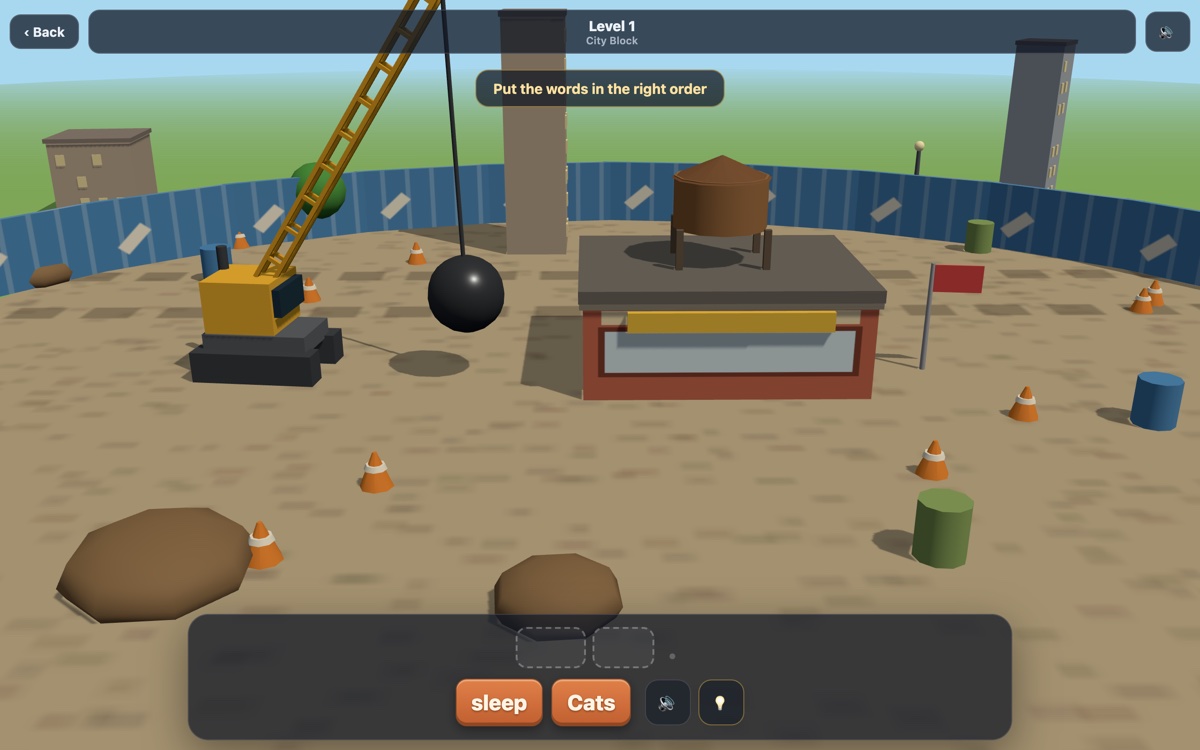 Simple Sentences — Free Word Order Game for Kids 6+
Building simple sentences: drag the scrambled words into the right order and the wrecking …
Most collections of learning games are sorted by subject, which is useful once you know what your child needs. This page is sorted the other way — by what a child of a given age is actually ready for — because the commonest mistake is not choosing the wrong subject, it is choosing something two years off.
The order below runs from four to eleven, and each block starts with the game we would open first for a child at that stage. A four-year-old needs large targets, spoken instructions and no reading; a seven-year old can hold a two-step rule but still loses the thread if a task runs long; a ten-year-old wants something that respects them and will abandon anything that looks like a toy within about thirty seconds. Those are different design problems, and a game that solves one rarely solves the others.
Everything here is free, runs in a browser tab, and needs no account or download. If your child is between blocks — as most are, in at least one subject — go down rather than up. A game that is slightly too easy gets played; one that is slightly too hard gets closed, and the subject picks up a small negative association that costs far more than the lost practice.
Four and five: hands, ears, no reading
At this age the interface is the lesson. Buttons must be large, instructions must be spoken, and nothing should require reading — otherwise a math game quietly becomes a reading test and you learn nothing about the math. Look for counting with objects that can be pointed at, letter sounds rather than letter names, simple cause-and-effect building, and memory games. Sessions of ten minutes are complete; the last two minutes of a longer one are rarely worth having.
Six and seven: the fluency years
School is now asking for speed on things that used to be allowed to be slow — number bonds, letter sounds, the pairs that make ten. This is the age where short daily practice pays the largest dividend of any point in the whole range, because everything after it assumes these facts are free. Two-step instructions become possible, and the first genuine puzzles — traffic jams, simple mazes, grid treasure hunts — start to land.
Eight and nine: from answers to reasons
The question changes from "what is the answer" to "which method, and why". Times tables need to be finished rather than started, fractions arrive as numbers rather than slices, and reading shifts from decoding to comprehension. Children at this age can tolerate a game that beats them, provided they can see why — which is what makes strategy and deduction puzzles suddenly viable.
Ten and eleven: don't patronise them
Bright colours and cartoon narrators lose this age group instantly. What holds them is genuine difficulty: negative numbers, ratios, coordinates, logic grids, physics with a variable to control. If a ten-year-old is still shaky on tables, fix that quietly with a fast game rather than a babyish one — the embarrassment does more damage than the gap.
Browse the same collection by subject at educational games, or jump to a specific year: 6 year olds, 8 year olds, 9 year olds. Everything is playable free at free online games for kids.
The science behind the games
Every Dad4Kids game is built on one simple truth: children want to play, not study — so we turn learning into a game worth replaying. The method draws on peer-reviewed research in game-based learning, motivation, and how memory works.
- Tokac et al. (2019). Effects of game-based learning on students' mathematics achievement: A meta-analysis. Journal of Computer Assisted Learning.
- Alotaibi (2024). Game-based learning in early childhood education: a systematic review and meta-analysis. Frontiers in Psychology.
- Lampropoulos & Sidiropoulos (2024). Impact of gamification on students' learning outcomes and academic performance: a meta-analysis. Education Sciences.
- Taylor & Boyer (2019). Play-based learning: evidence-based research to improve children's learning experiences. Early Childhood Education Journal.
- Gottfried (1990). Academic intrinsic motivation in young elementary school children. Journal of Educational Psychology.
- Yang et al. (2018). Enhancing learning and retrieval of new information: a review of the forward testing effect. npj Science of Learning.
FAQ
How do I know which age block my child belongs in?
Open a game from the block that matches their school year and watch for thirty seconds. If they are answering without visible effort, move up; if they go quiet or start clicking randomly, move down a block. Children are frequently in different blocks for math and reading, which is normal.
How much screen time is reasonable?
For learning games, ten to twenty minutes on most days does more than an hour once a week. Spaced practice is what makes facts stick; long sessions mostly produce fatigue.
Do I need to sit with my child?
Not throughout, but the first session of anything new is worth watching. You will see where the difficulty actually is, which a score screen never tells you.
Are the games free and ad-free?
Yes — all of them, with no advertising, no purchases and no sign-up. They run in the browser on a tablet, phone or computer.
My child only wants to play one game. Is that a problem?
No. Depth beats breadth at this age: a game played twenty times is doing far more than twenty games played once. Suggest something new when the current one stops being challenging.
By Evgeny Arsentiev, PhD · Last updated: September 2026