
Games for 9 Year Olds
Games
-
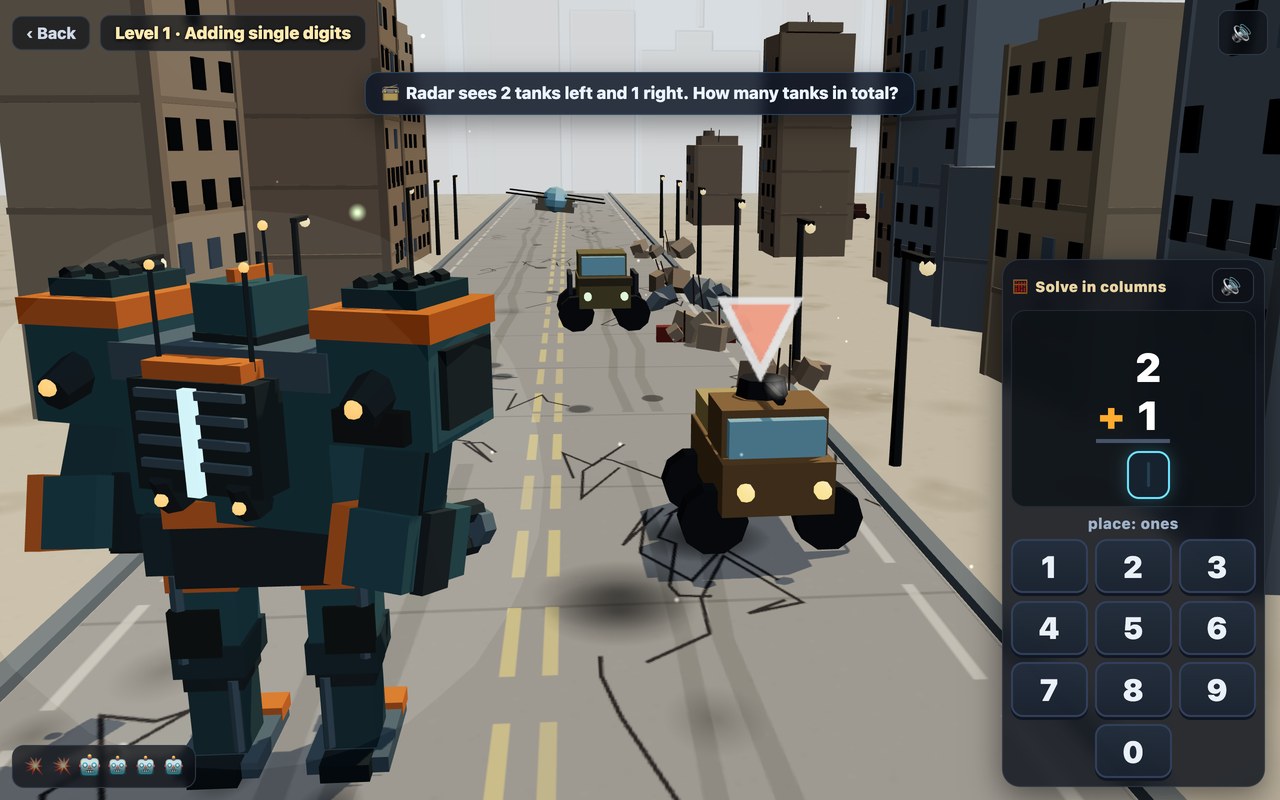 Long Division & Column Math Game for Kids — Free 7+
A long division game for kids that also drills column addition, borrowing and long …
-
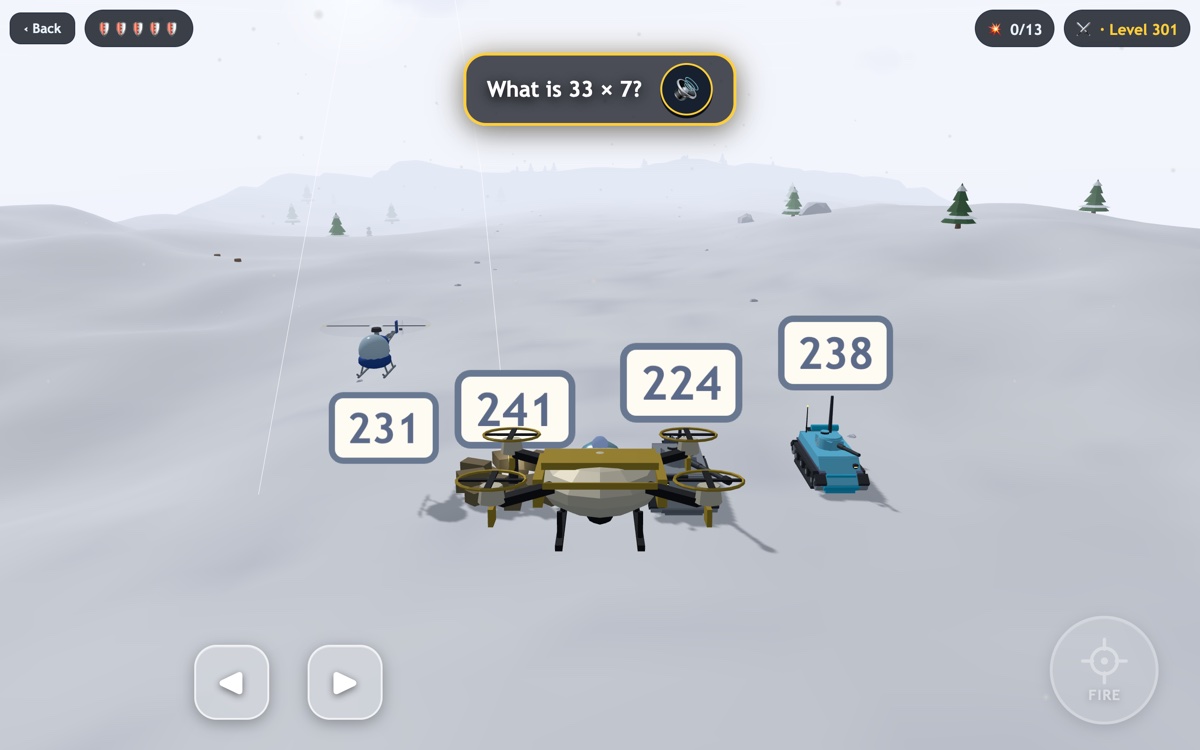 Math Games for 4th Graders — Free Drone Patrol 9+
Math games for 4th graders: multi-digit multiplication, division with remainder, factors, equivalent fractions and …
-
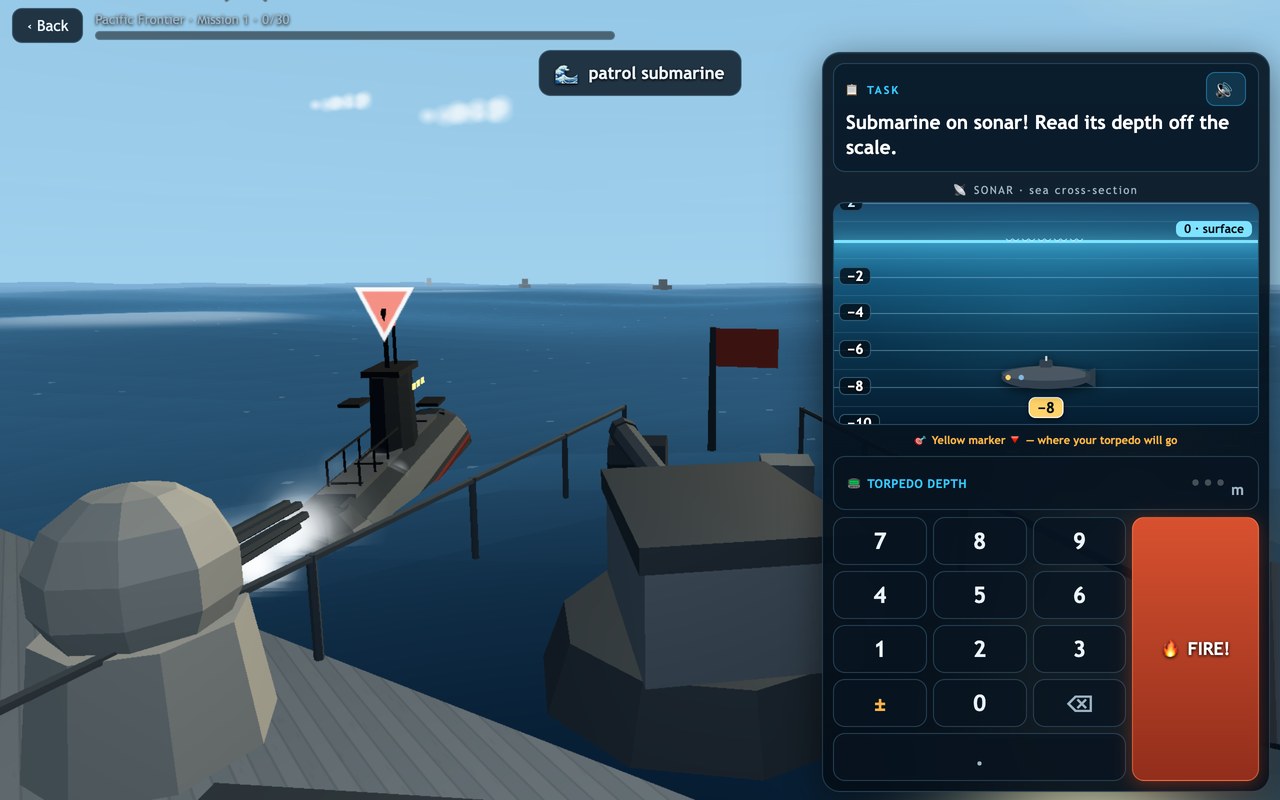 Math Games for 6th Graders — Free Deep Number 8+
Math games for 6th graders on a submarine depth scale: negative numbers, opposites, comparing …
-
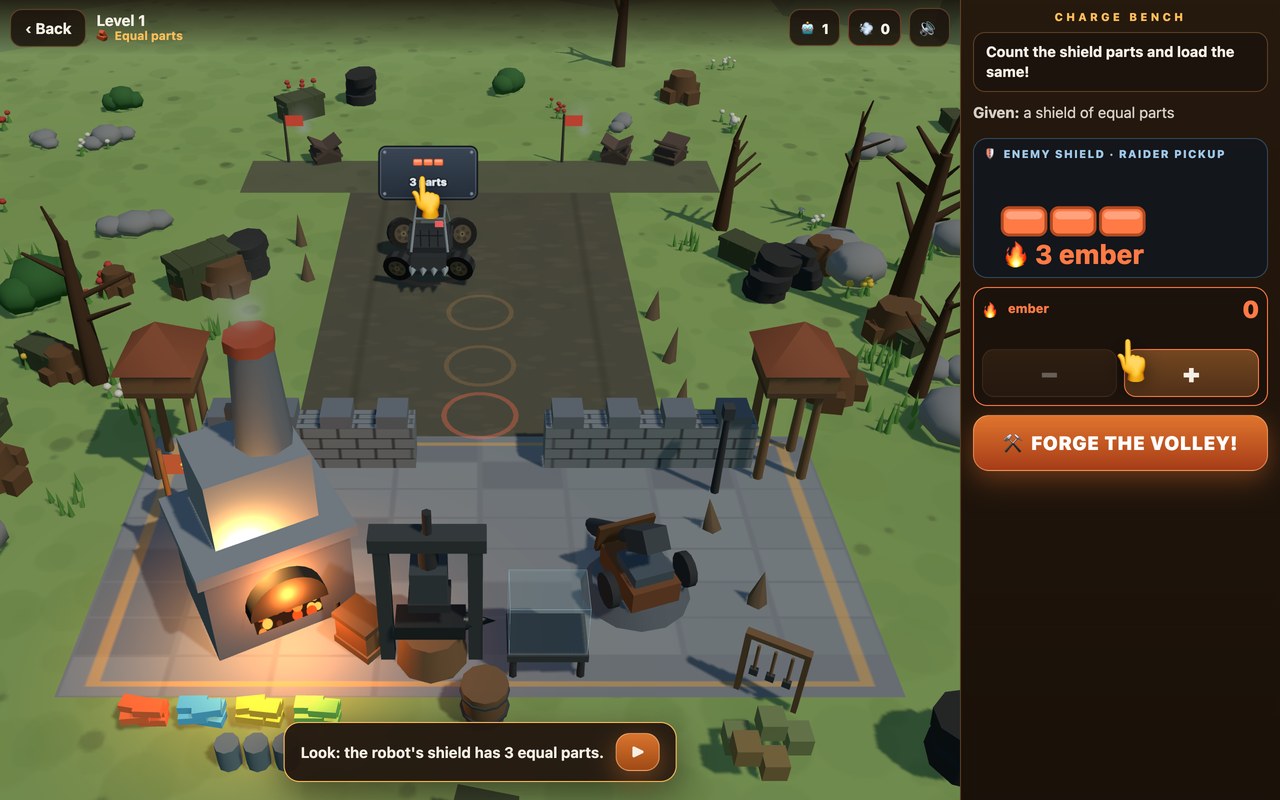 Ratio & Proportion Games for Kids — Free Ratio Forge 9+
Ratio games for kids where the math is the weapon: use ratios, unit rates …
-
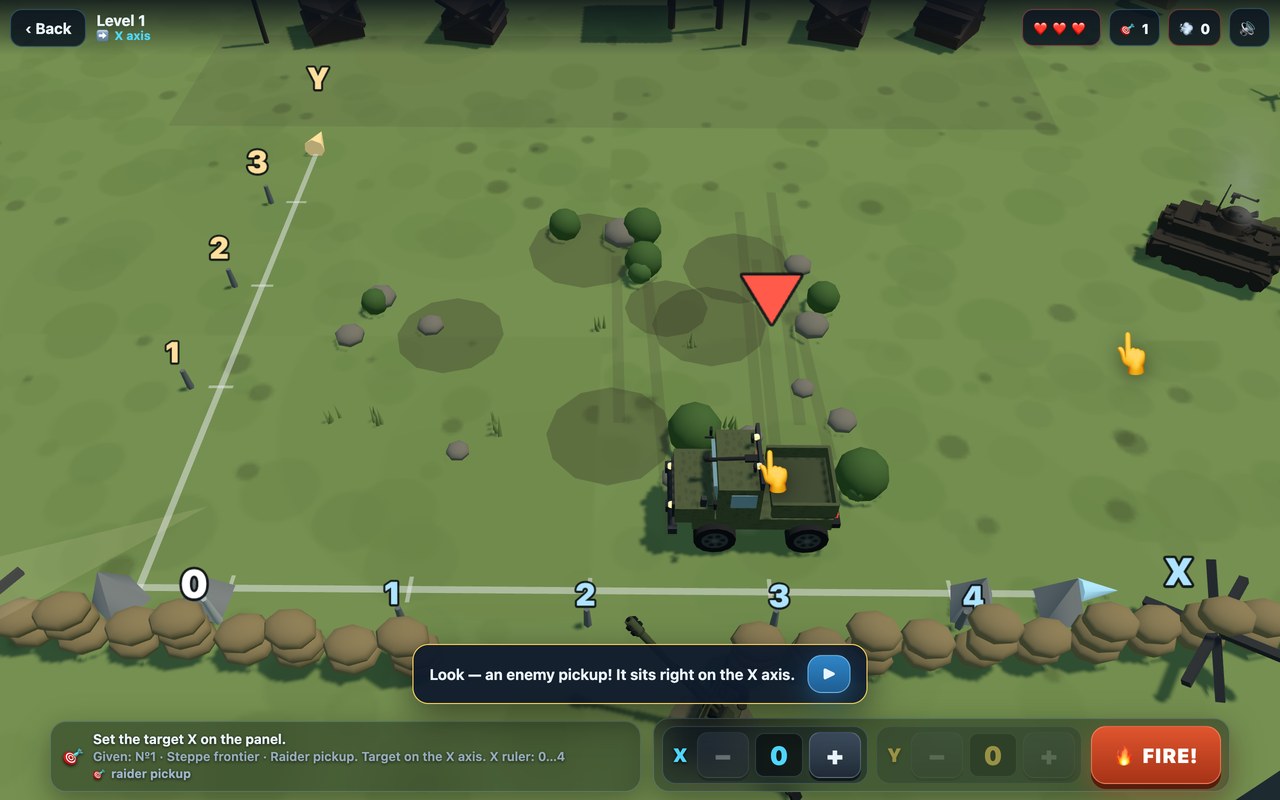 Coordinate Grid — Free Grid Artillery Game for Kids 7+
A coordinate grid game where the point is the target: read it, call it …
-
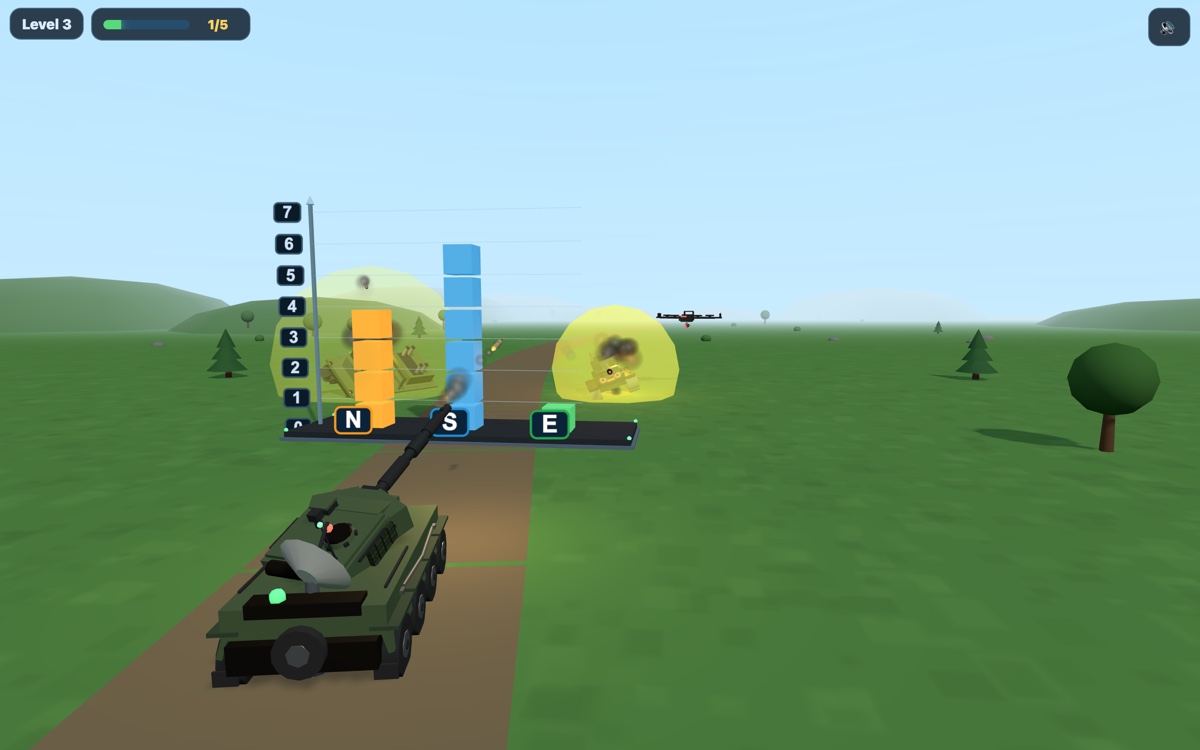 Graphing & Data Games for Kids — Free Last Radar 7+
Graphing games for kids on a radar screen: read charts, tables, bar graphs and …
-
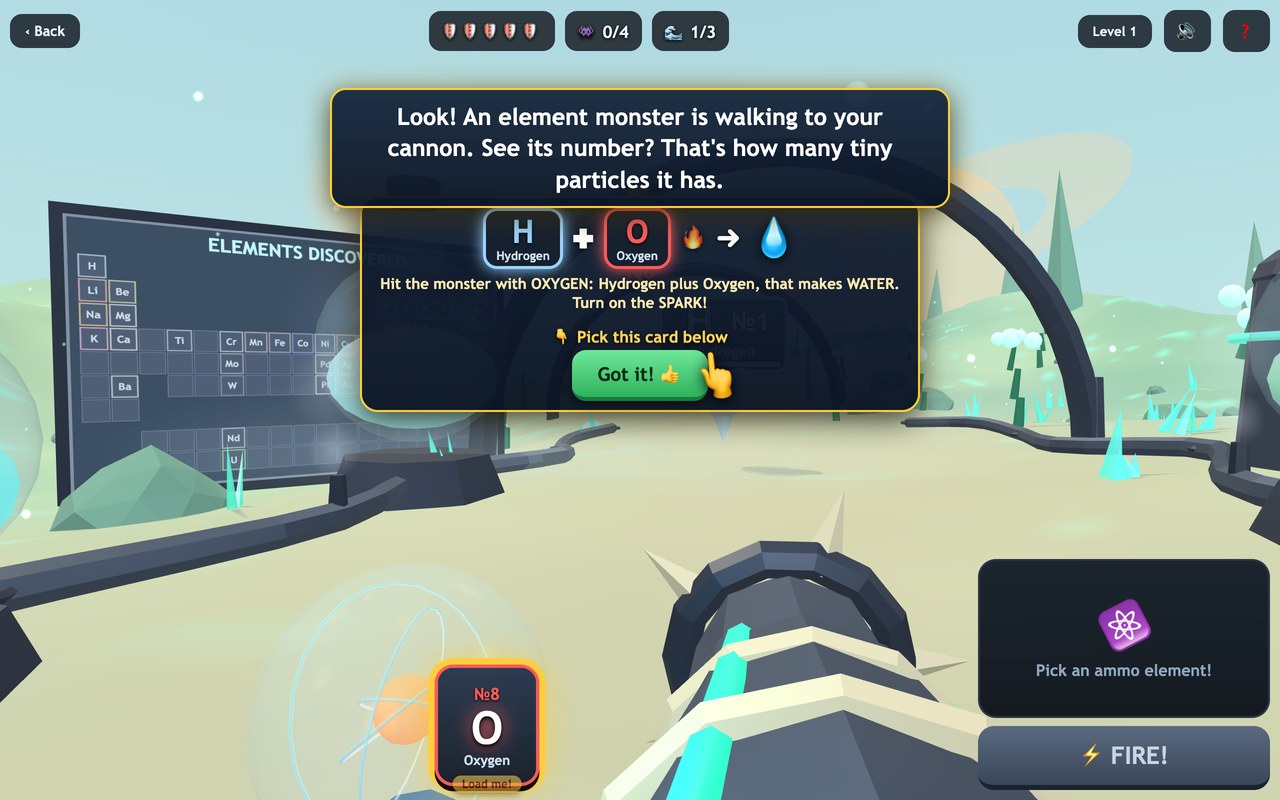 Periodic Table Game for Kids — Free Atom Cannon 8+
A free periodic table game for kids: build real atoms, name elements, and blast …
-
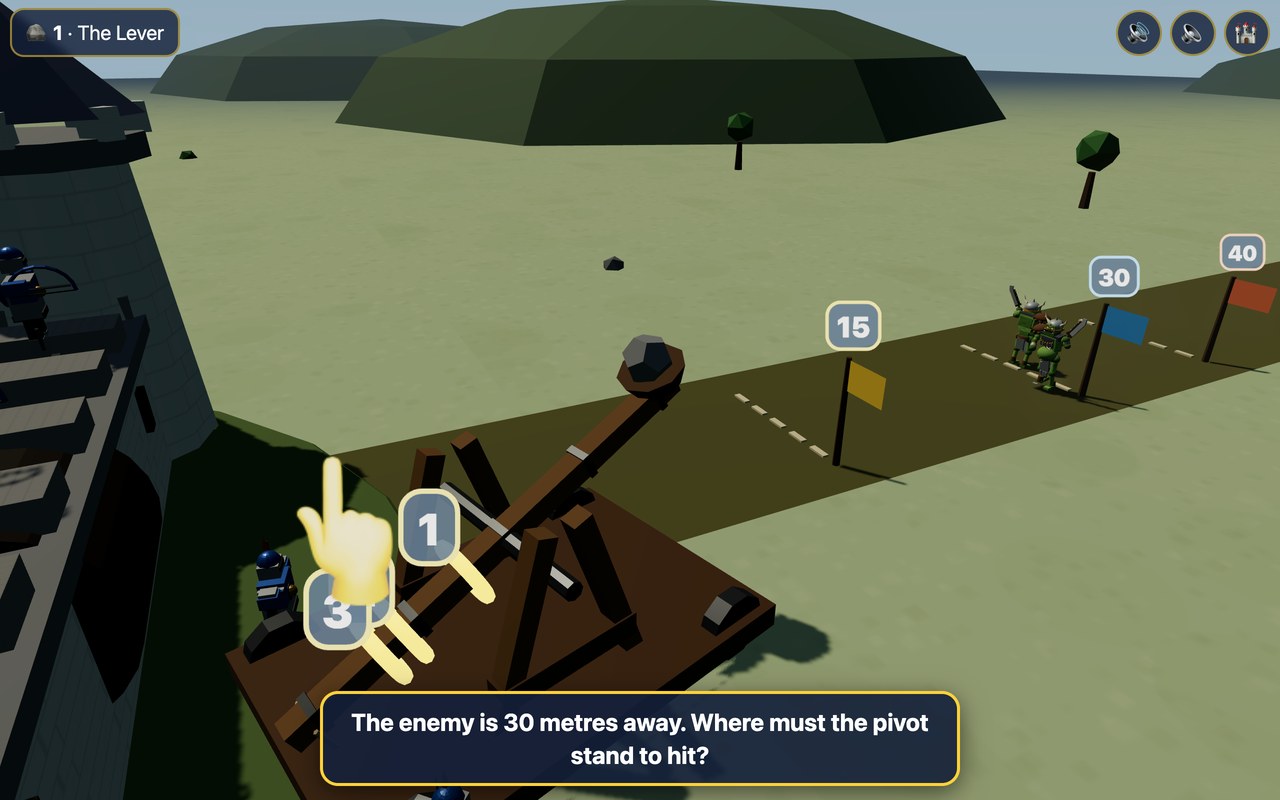 Physics Games for Kids — Free Force Forge 8+
Physics games for kids where real forces decide: use levers, pulleys, gears and center …
-
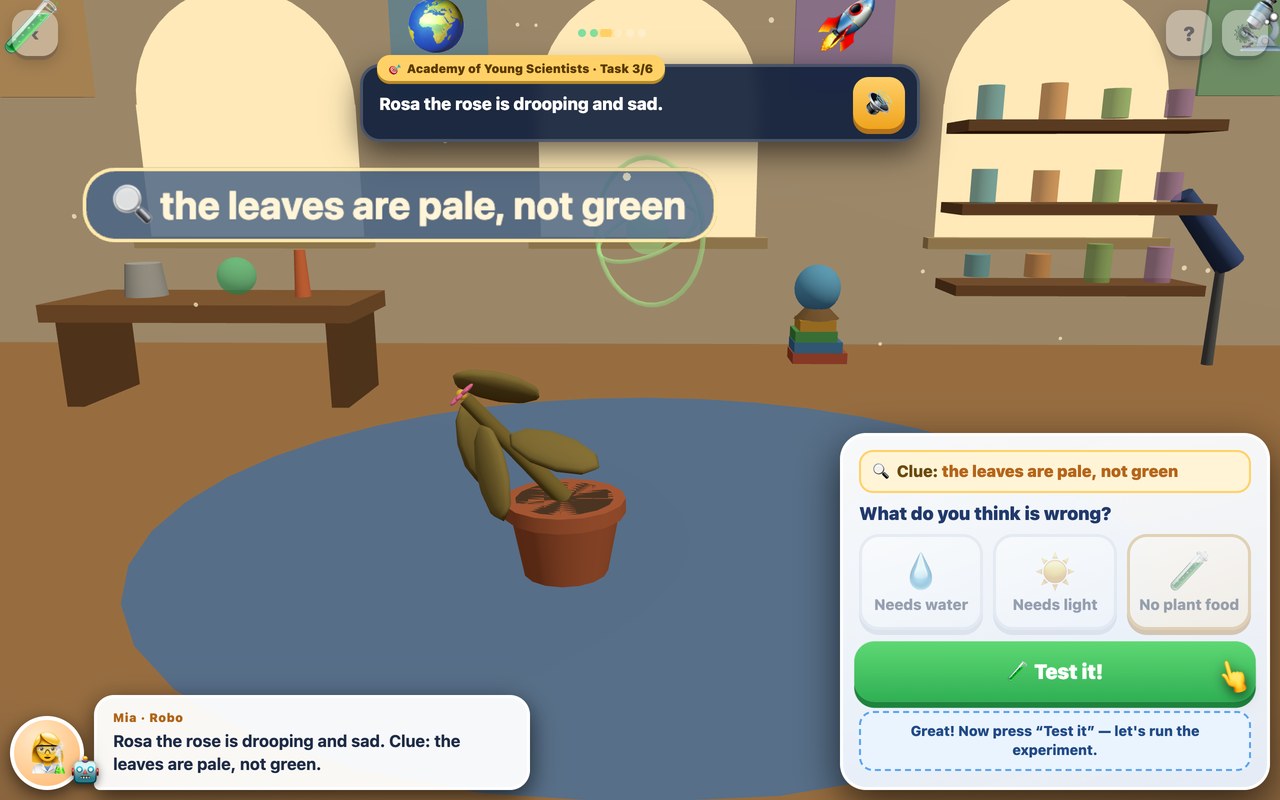 Science Games for Kids — Free Hypothesis Lab 7+
Hypothesis Lab: gentle science games for kids. Make a guess, test it with a …
-
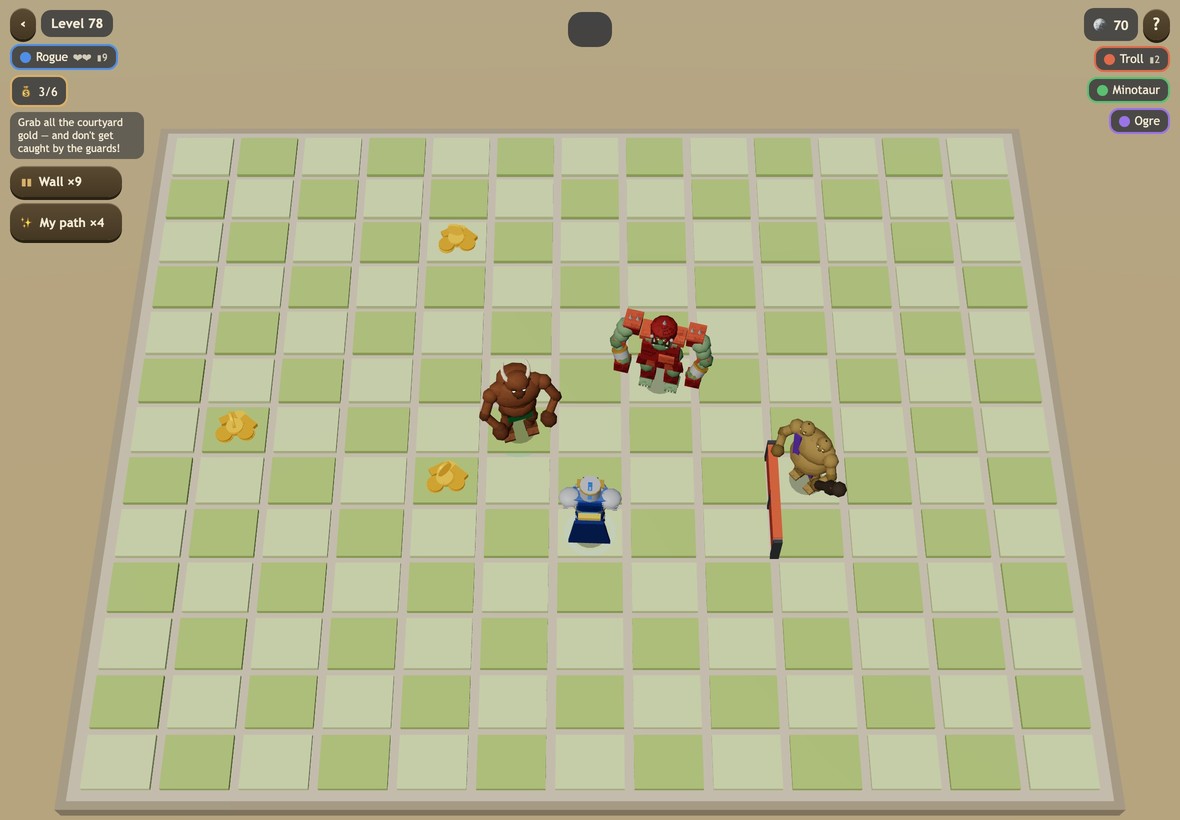 Sneak Past the Guards & Grab the Gold — Strategy Game for Kids 8+
Strategy games for kids that are honestly turn-based: plan the route, spend two steps …
-
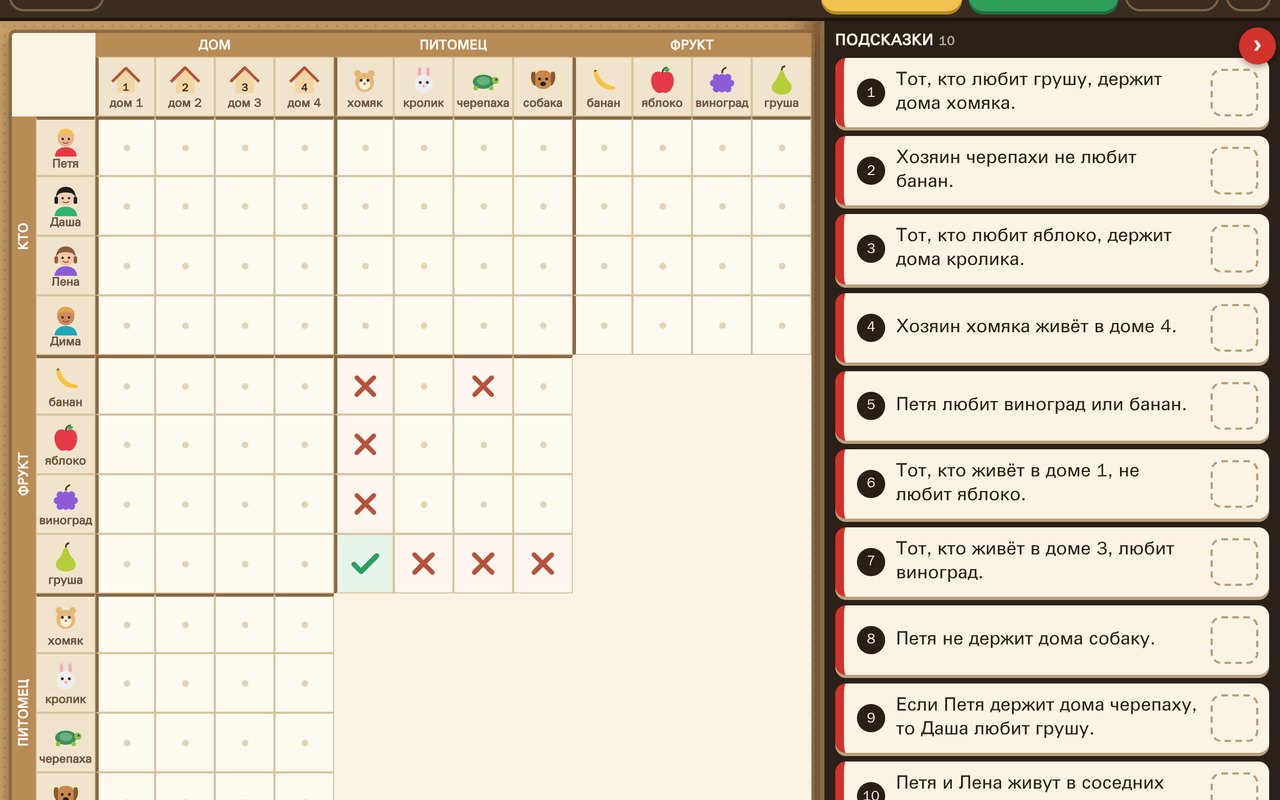 Logic Grid Puzzles for Kids — the Detective's Board 7+
Solve logic grid puzzles online free: read the clues, mark ✗ and ✓ on …
-
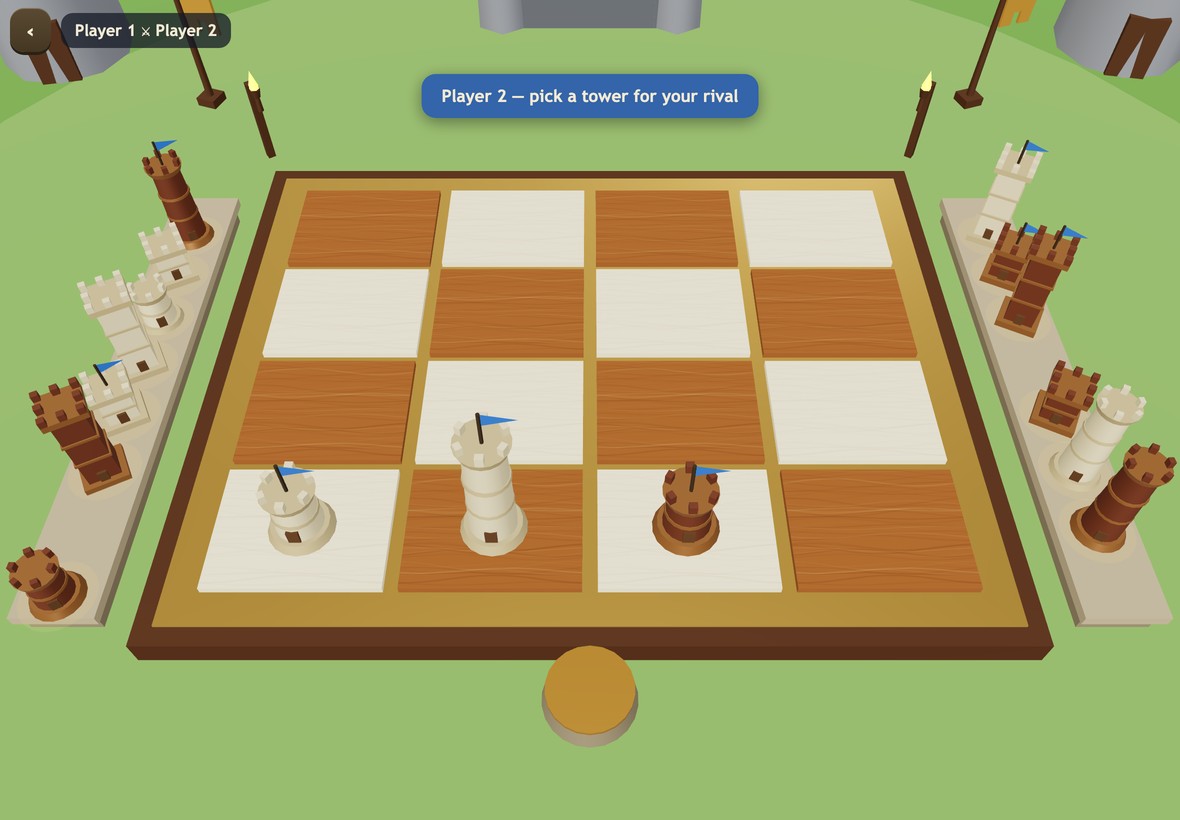 Four Towers — a Game Like Chess for Kids, Free and Online 8+
One of the short games like chess you can play right now: your rival …
-
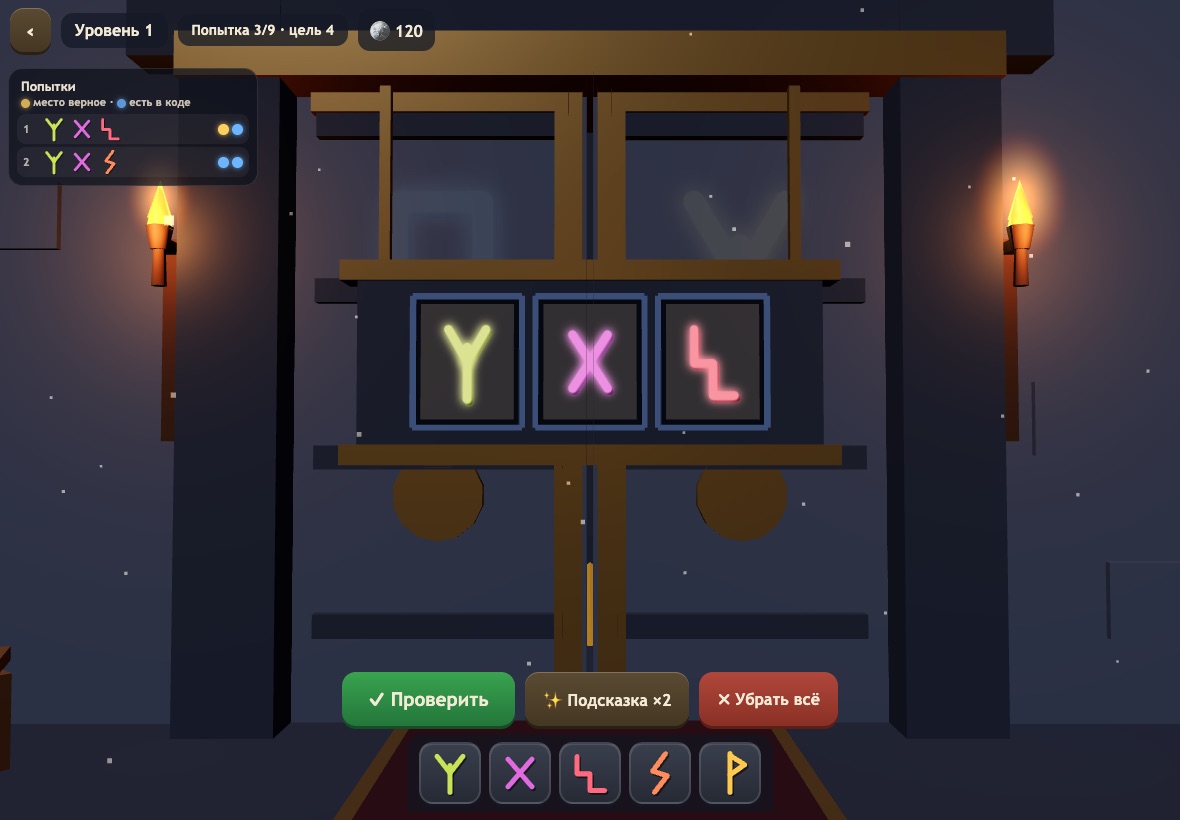 Mastermind Game Online — Rune Gates Code Breaker 7+
Play the mastermind game online free: crack the secret rune code by deduction — …
-
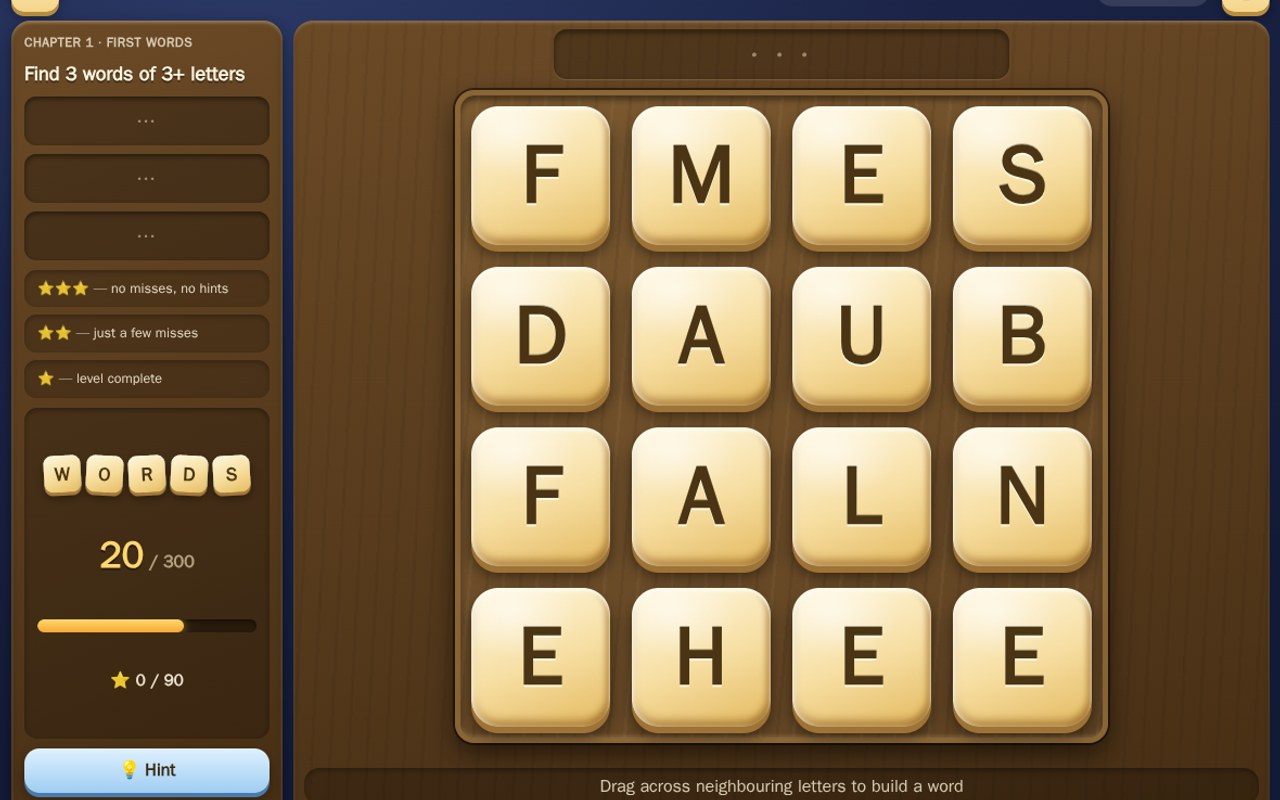 Boggle Online — Word Grid Game for Kids 6+
Play Boggle online free: drag through neighbouring letter cubes on a 4×4 or 5×5 …
-
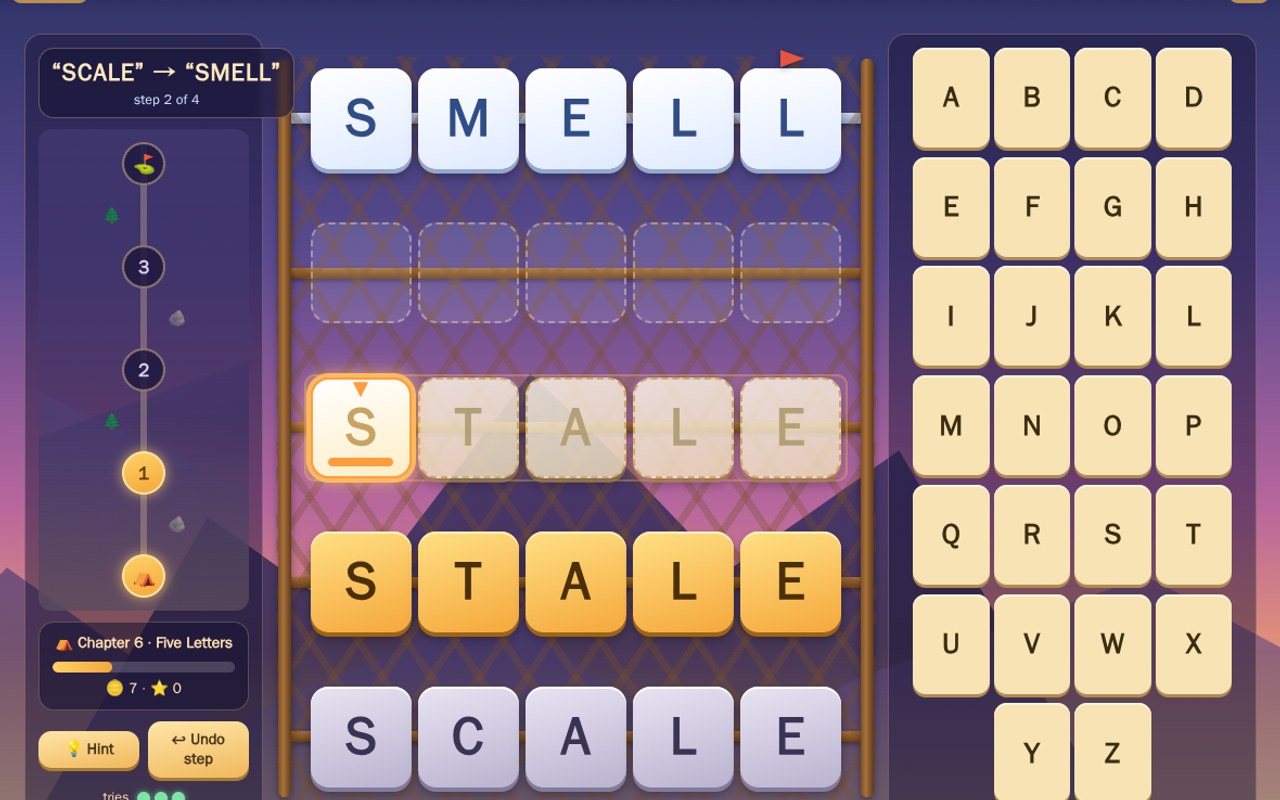 Word Ladder Game for Kids — Play Online 7+
Play a word ladder game online free: turn the start word into the goal …
Nine is the age at which a child stops accepting a game because it is a game. They can tell when they are being talked down to, they notice when a "challenge" has no real difficulty in it, and they will close anything that looks as though it was made for a six-year-old — even if the content underneath is right for them. So this page is deliberately plainer and harder than the pages for younger children.
Academically it is a demanding year. Multiplication has to be finished, not started; long division arrives, and with it the first procedure long enough to get lost inside. Fractions stop being slices of a cake and become numbers with a place on a line. In reading, the point is no longer whether a word can be decoded but whether a paragraph has been understood, and the vocabulary gap between children widens sharply.
What works at nine is difficulty with a visible reason. A puzzle that beats them is fine as long as they can see why it beat them; a science game is interesting because there is a variable to control and a result to predict. Everything here is free, plays in the browser, and none of it requires an adult sitting alongside.
Math: procedures that need fluent facts underneath
Long division is the classic stumbling block of this year, and it is almost never a division problem. A child who re-derives 7 × 8 halfway down the page loses their place and the whole procedure falls over. If your nine-year-old is struggling with the algorithm, spend a fortnight on tables first — it is quicker than practising the algorithm. Fractions, decimals and the coordinate plane also start properly this year, and all three reward games where the number has a physical position rather than being an abstract symbol.
Science with a variable to change
At nine a child can hold a hypothesis and test it, which is the point at which science games stop being demonstrations. Force and angle, circuits that stay dark until they are wired right, chemistry where the wrong combination visibly fails — the value is in the prediction made before the button, not the animation after it.
Logic that is honestly hard
Deduction grids, code-breaking, abstract strategy games, stealth puzzles where being seen means starting again. Nine-year-olds have enough working memory for multi-step planning and enough persistence to come back to a puzzle tomorrow — but only if the puzzle is fair. Random difficulty is what kills the habit, not difficulty itself.
Words, for the child who has stopped reading
It is common for reading to stall around now, especially in children who decode fine and simply do not enjoy books. Word ladders, anagrams and letter grids keep them looking closely at spelling and vocabulary without a book being involved, which is often the only route back in.
How long, and how to pitch it
Twenty minutes is a reasonable session at this age, and a nine-year-old will happily do longer on a puzzle they have chosen themselves. Let them choose. See also games for 8 year olds, games for 4th graders, 4th grade math games and logic games for kids.
FAQ
What should a 9 year old be able to do in math?
By the end of the year, most children are expected to know their times tables fluently, multiply and divide multi-digit numbers, compare and add fractions with related denominators, and work with angles and area. Fluency with the basic facts is what makes all of it affordable.
My 9 year old says these games are babyish. What now?
Skip straight to the logic, strategy and science games near the bottom of the page — they are pitched at genuine difficulty with no cartoon framing. If the maths is the gap, the fast arcade-style games are less conspicuous than obviously remedial ones.
Are the games free?
Yes, all of them, with no ads, no purchases and no account needed. They run in the browser on a tablet, phone or computer.
How long should a nine-year-old play for?
Fifteen to twenty-five minutes is a good session. For fact practice specifically, short and daily beats long and occasional by a wide margin.
What if my child is ahead of their year?
The harder games here run well beyond fourth-grade content — negative numbers, ratios, logarithms and coordinate geometry all appear. Difficulty adapts as they play, so there is room above without switching pages.