
Games for Preschoolers: Twelve Minutes, One Skill, No Ads
Games
-
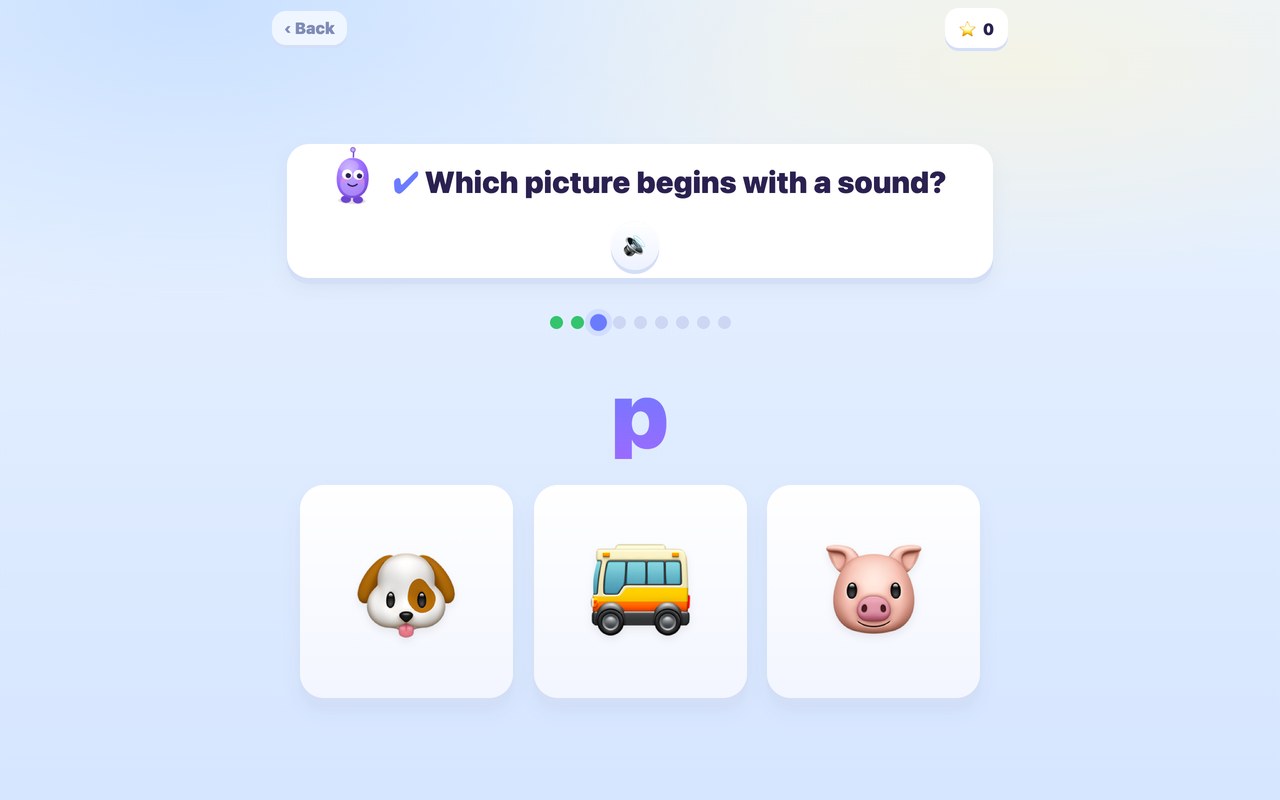 CVC Words — Free Phonics Game for Beginning Readers 4+
Free practice with CVC words — sun, ant, tap, mad, dog: letter sounds in …
-
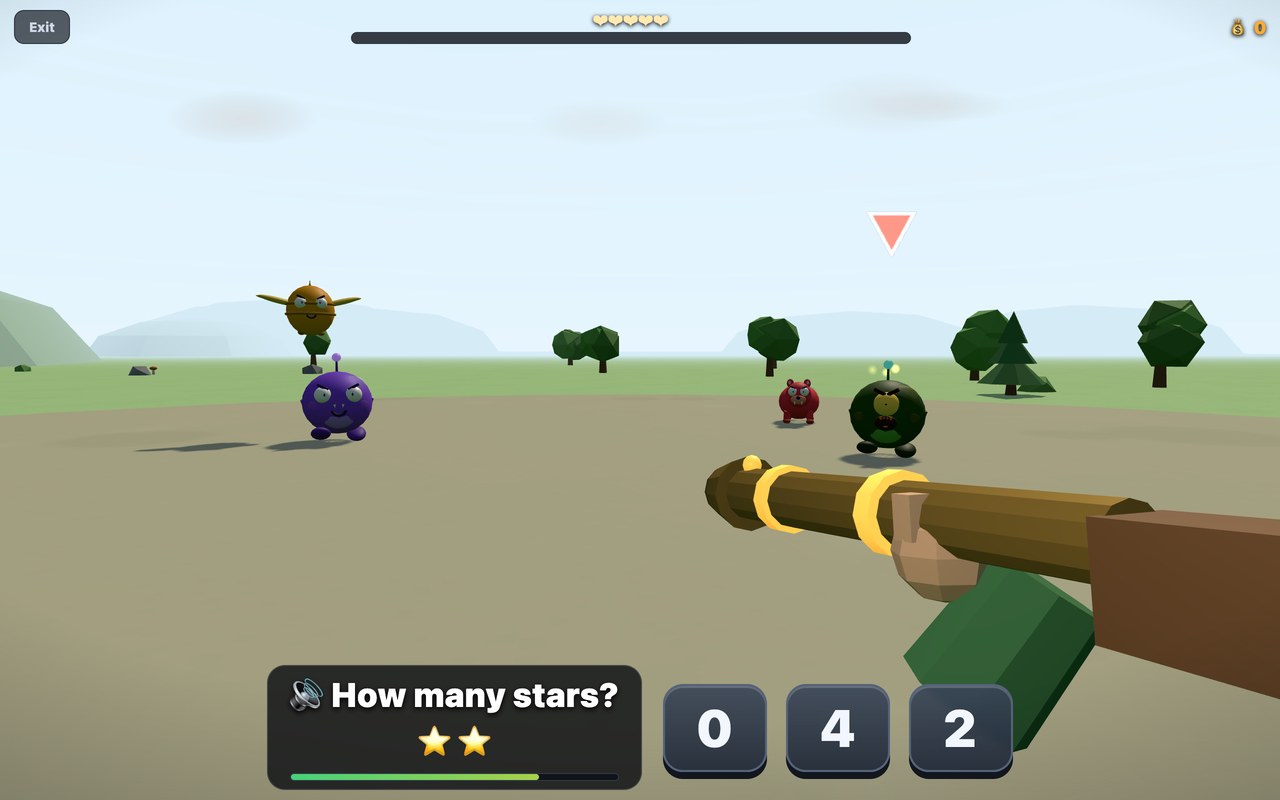 Math Games for Kindergarten — Free Math Archer 3D 4+
Math games for 5 year olds that start at counting to 5: an elf …
-
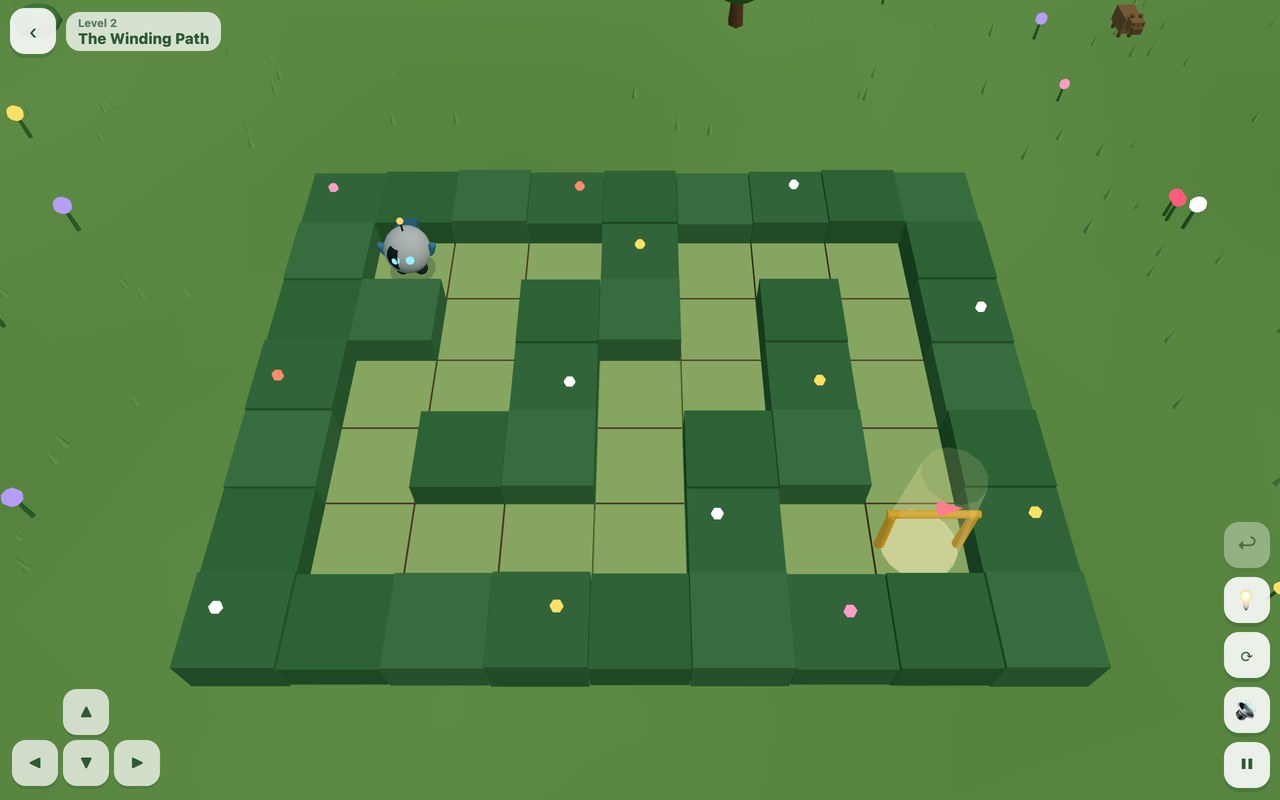 Maze Games for Kids — Levers, Gates and One Way Through 4+
Maze games where the walls are not the whole puzzle: pull the lever, open …
-
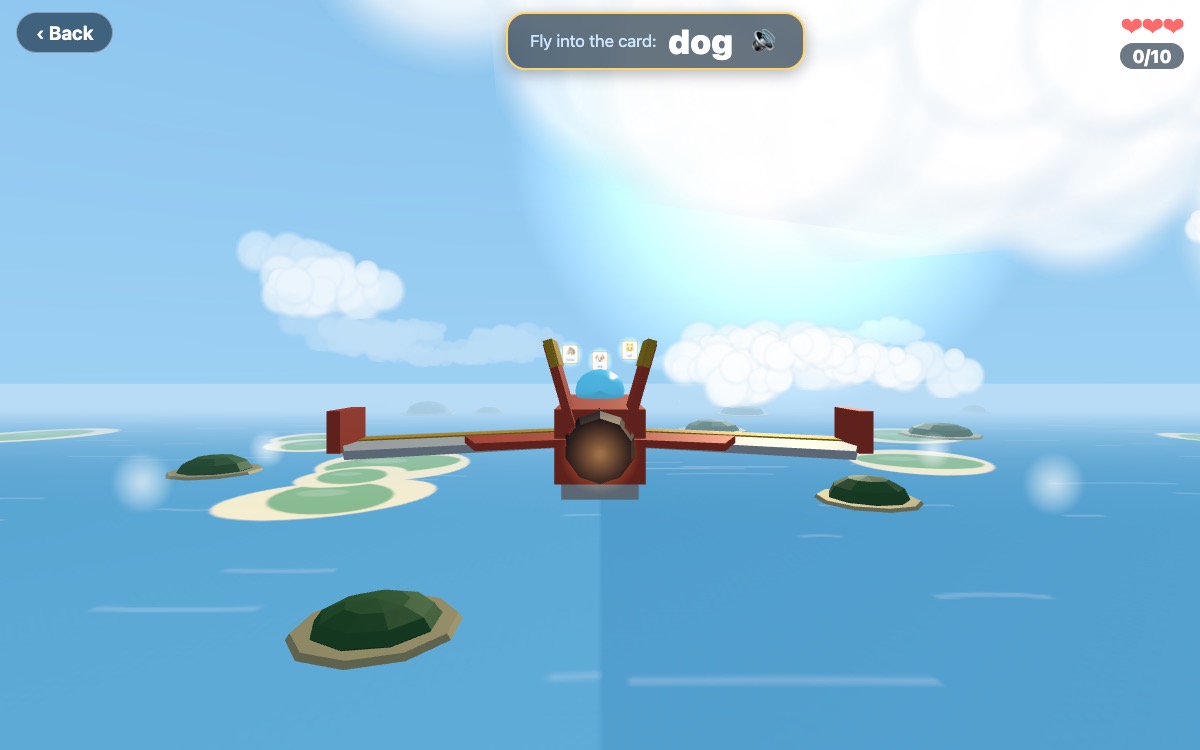 Spelling Games for Kids — Free Word Wings 4+
Spelling games for young children: hear the word, then build it letter by letter …
-
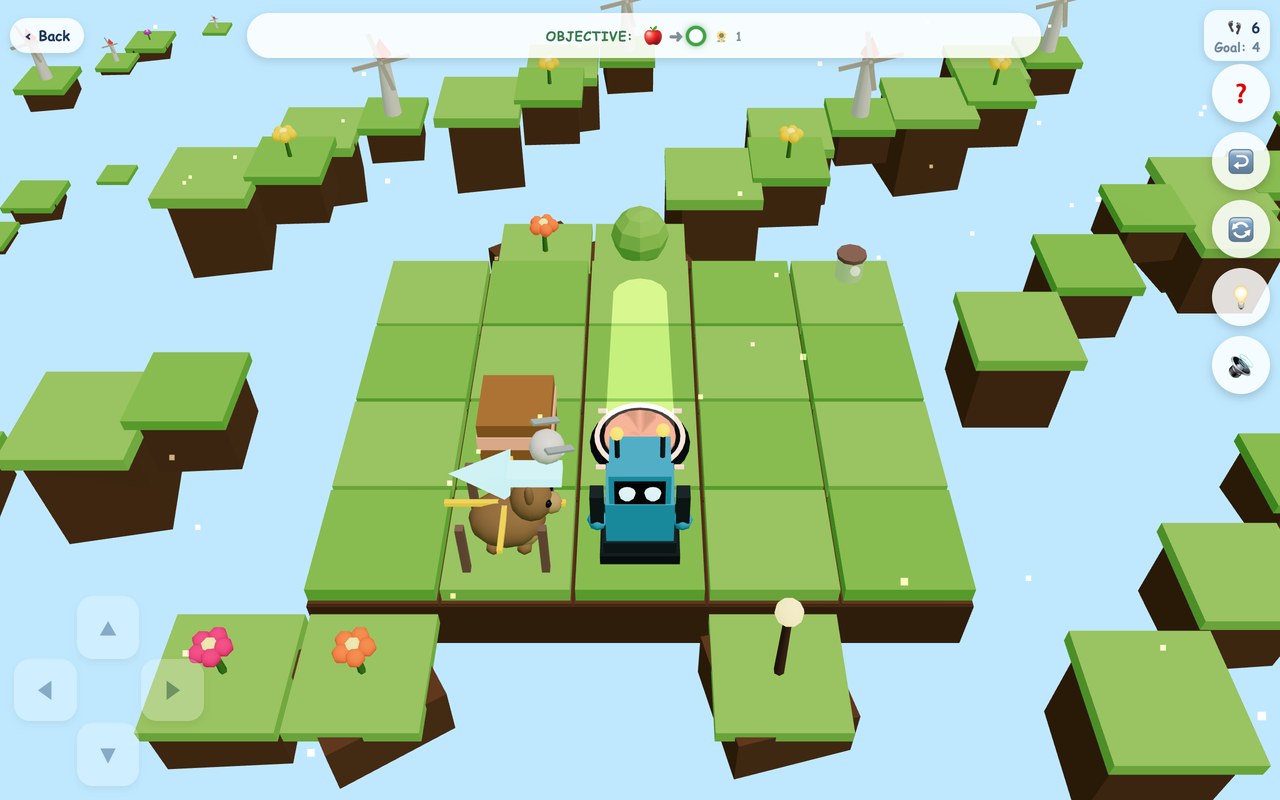 Puzzle Games for Kids — Free Rescue Bot: Wild Station 4+
Rescue Bot: puzzle games for kids, Sokoban-style — push, plan and rescue animals across …
-
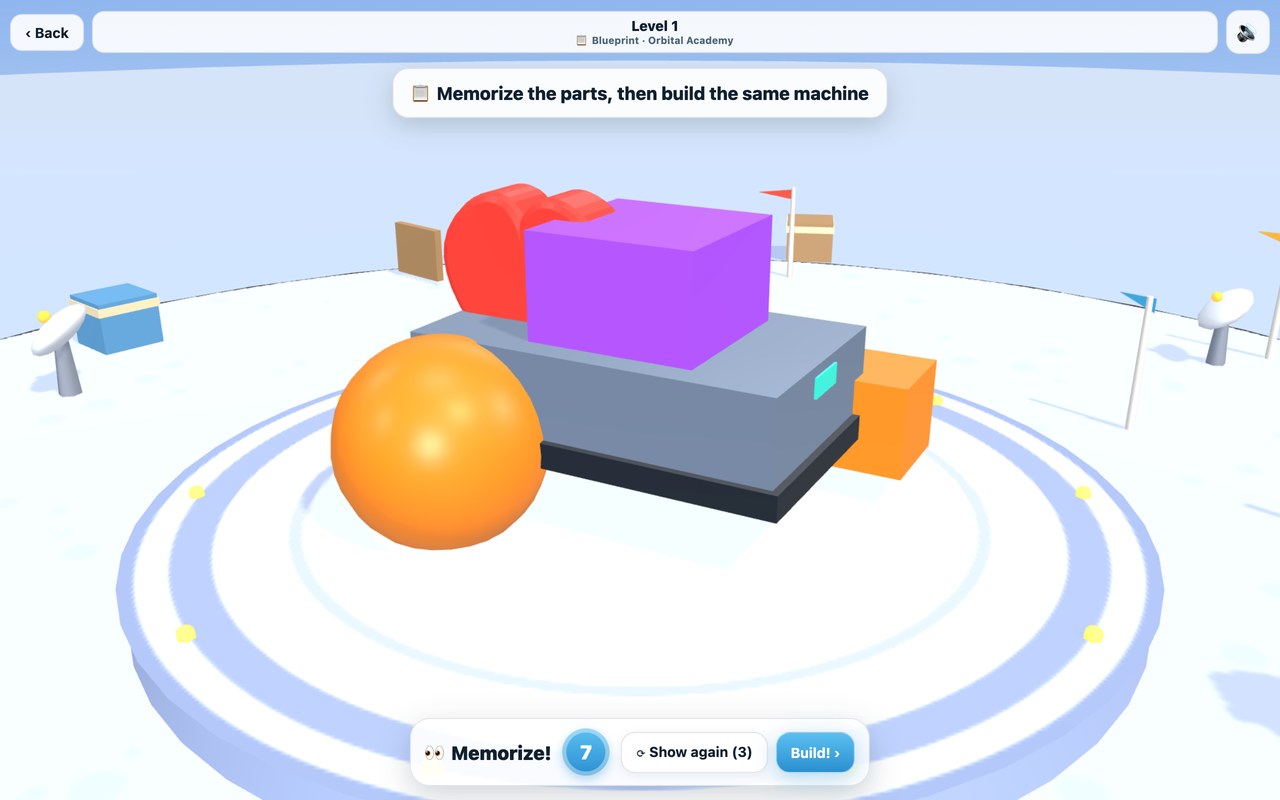 Memory Games for Kids — Build It From Memory 5+
Memory games that go past matching pairs: study the blueprint, watch it vanish, then …
-
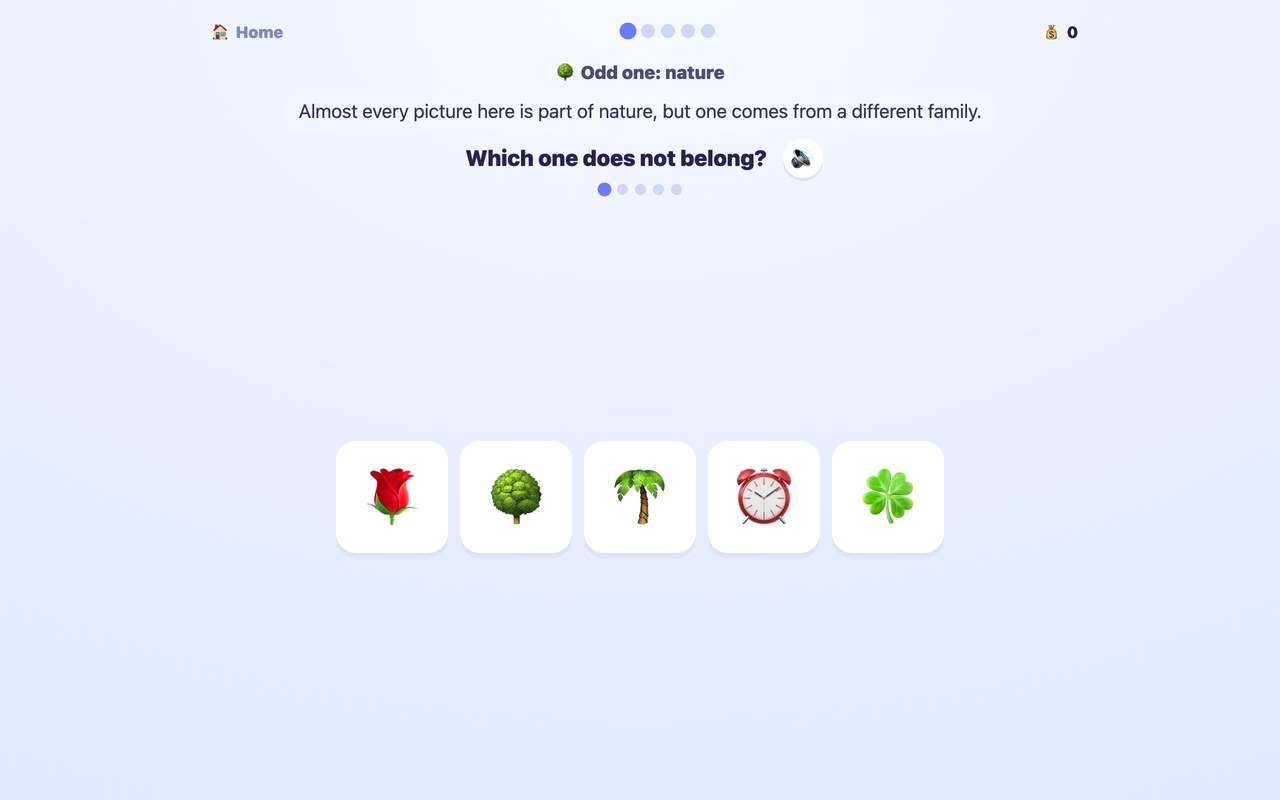 Brain Games for Kids — Free Brain Kids 4+
Brain games for 5 year olds: 50 quick picture puzzles — odd one out, …
-
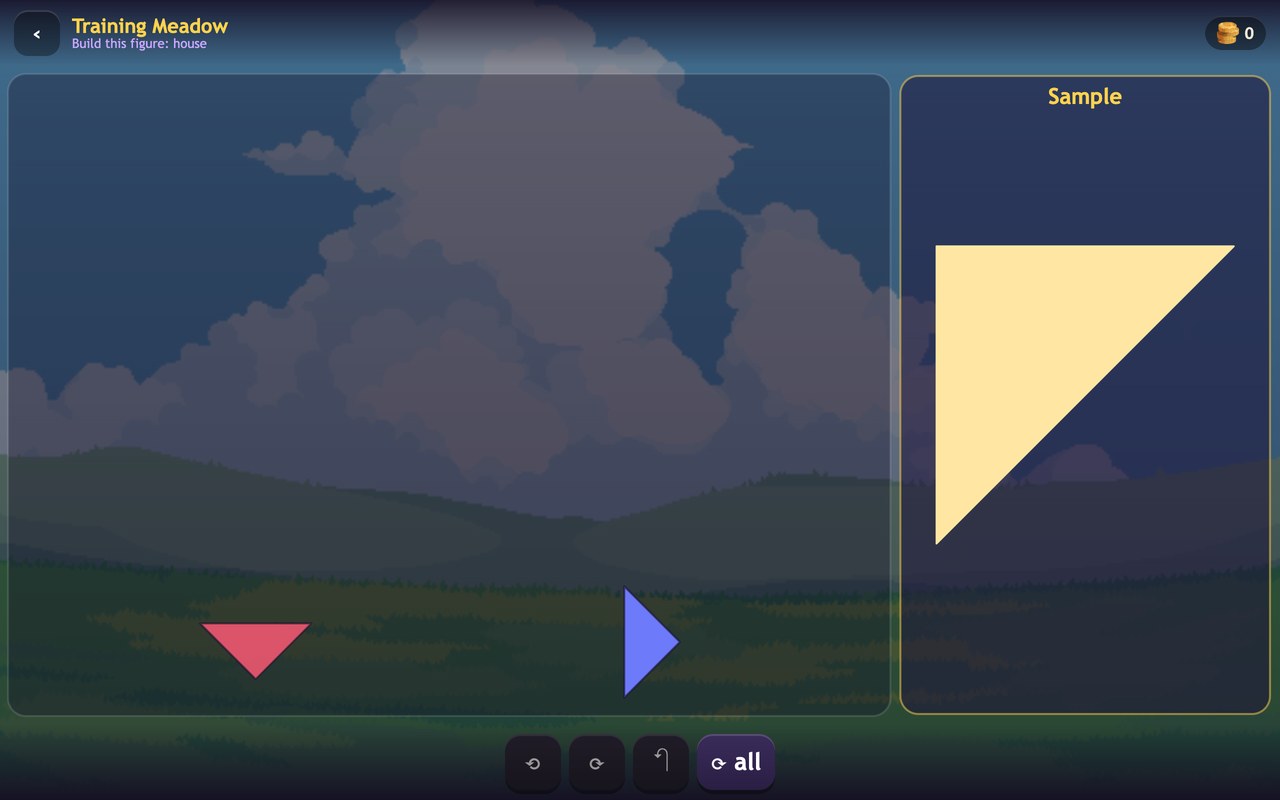 Tangram Puzzles for Kids — Free Castle Tangram 5+
Tangram puzzles for kids inside a castle-defense adventure: build the silhouette from the 7 …
-
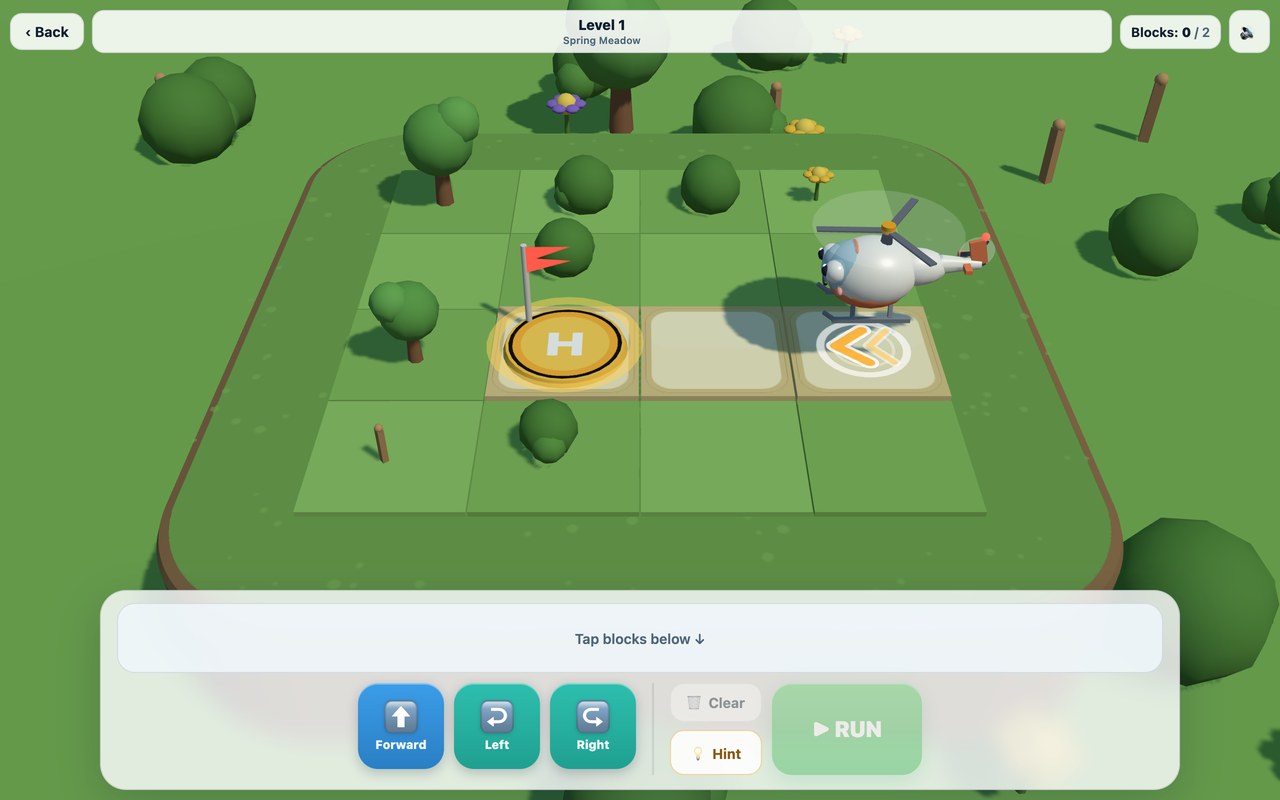 Coding for Kids — Free Block Programming Game 4+
Coding for kids with real block programming: build a sequence, run it, watch it …
- Spanish Vocabulary Game for Kids — Free Online 4+ Free Spanish vocabulary game for kids: match each Spanish word to its picture and …
-
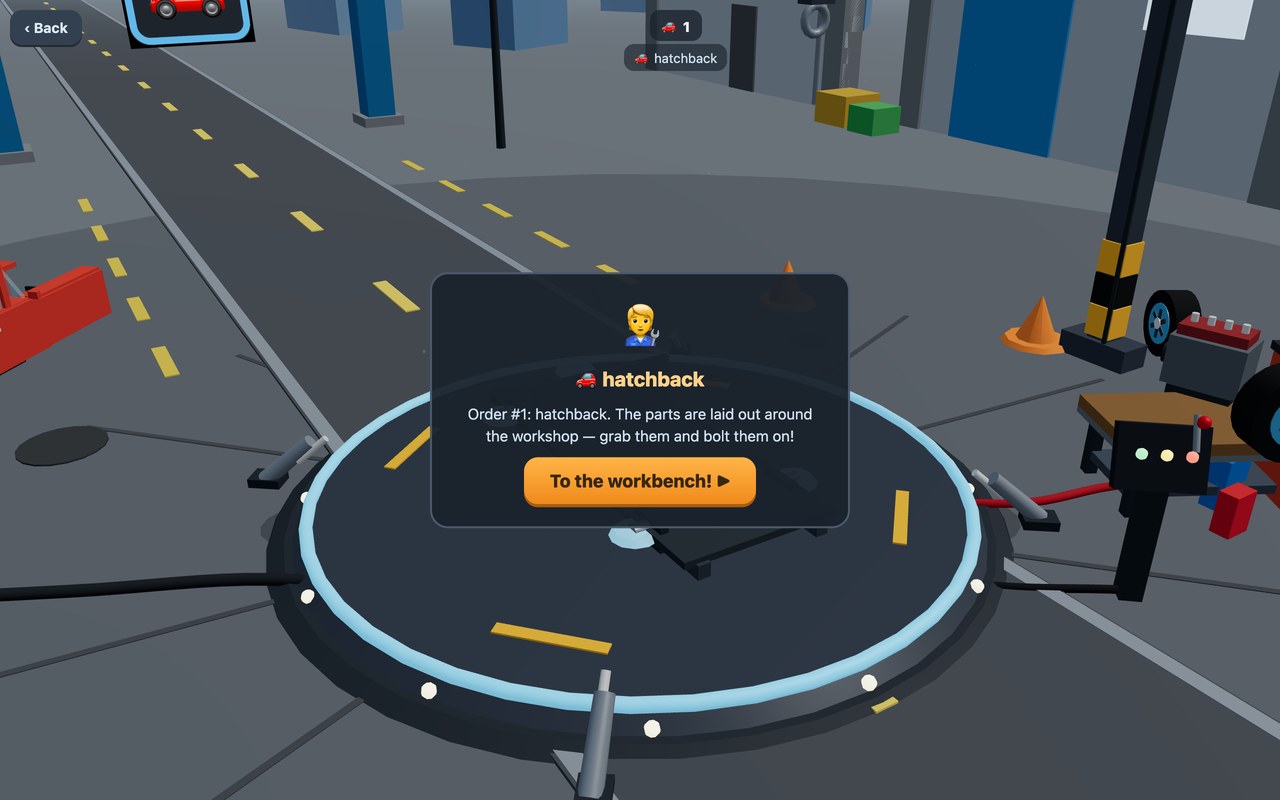 Car Building Games for Kids — Free Auto Factory 3D 5+
Car building games for kids: assemble 500 cars, trucks, planes and tanks part by …
-
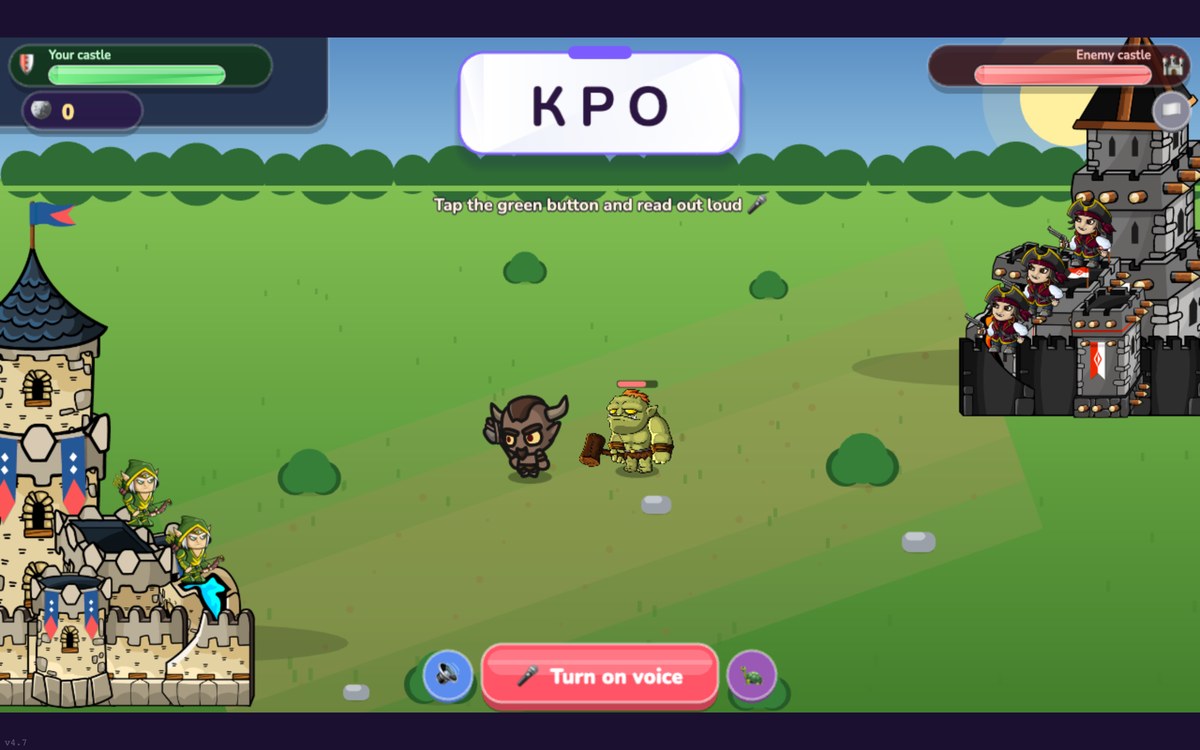 Russian Alphabet for Kids — Read Your First Syllables 4+
Learn the Russian alphabet the way Russian children do: letter sounds first, then syllables …
-
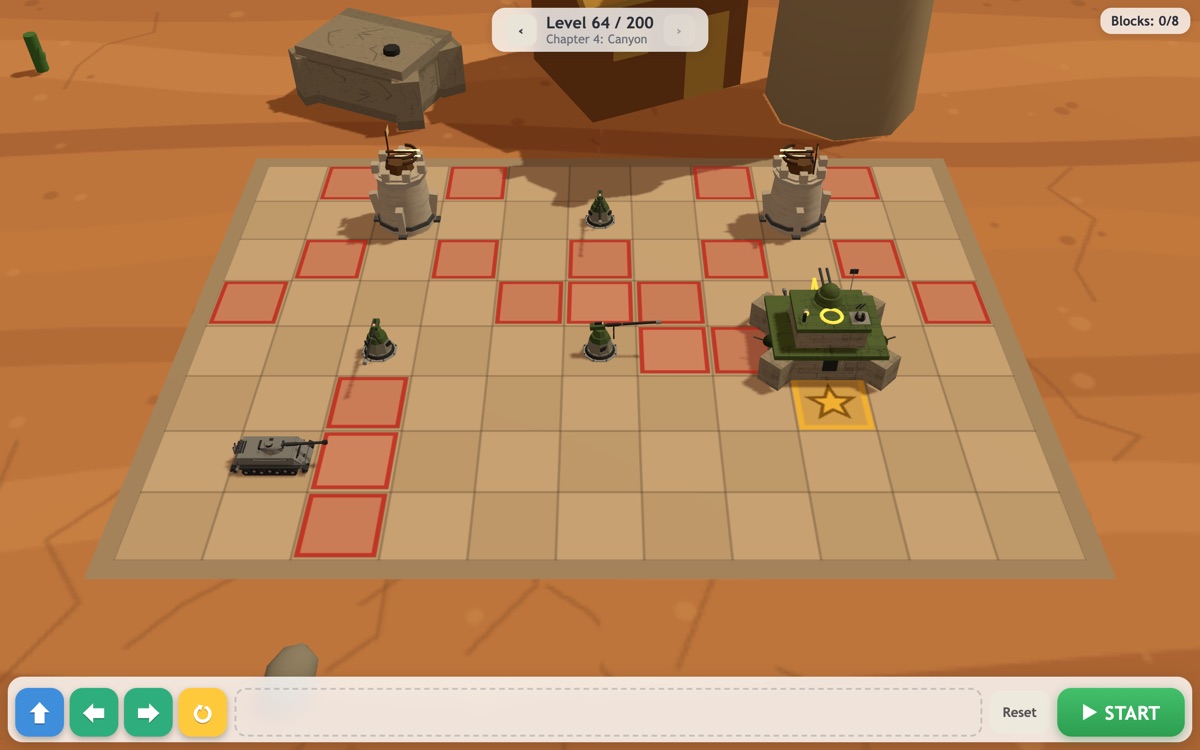 Coding Game “Tank Raid” — Free in Your Browser 5+
Coding games for kids in the browser: work out a safe route past the …
Preschool is not early school. Almost nothing a three-to-five-year-old needs is academic content — it is the machinery that makes content possible later: holding an instruction in memory, finishing a thing they started, noticing that two objects are the same, and not falling apart when the answer is wrong.
So what should a preschool game train? Four things, in this order.
1. Listening. One spoken instruction, carried across a few seconds and several taps. Every game here speaks its task and will repeat it on request; none of them require a single word of reading.
2. Matching and sorting. Same/different, by colour, by shape, by sound. This is the root of both letter recognition and number sense, and it is the cheapest thing to practise.
3. First symbols. The sound a letter makes — not its name — and the numeral that matches a quantity up to ten. Letter names are actively unhelpful here: "aitch" contains no clue about the sound in hat.
4. Finishing. A maze with an exit, a tower that gets built, a robot that reaches the station. Preschoolers need the end of the task to be visible from the middle of it, otherwise they abandon it.
Screen time, practically. Ten to fifteen minutes, once a day, ideally at the same time. Sit within arm's reach. Say the word or the number out loud with them for the first few rounds, then go quiet. Stop while they still want more — that is what makes tomorrow easy.
When your child is comfortable here, move to games for kindergarteners or pick by age: games for 4 year olds and games for 5 year olds. First numbers live under math games for kindergarten.