
Games for 6 Year Olds: Reading Sentences, Adding Past Ten
Games
-
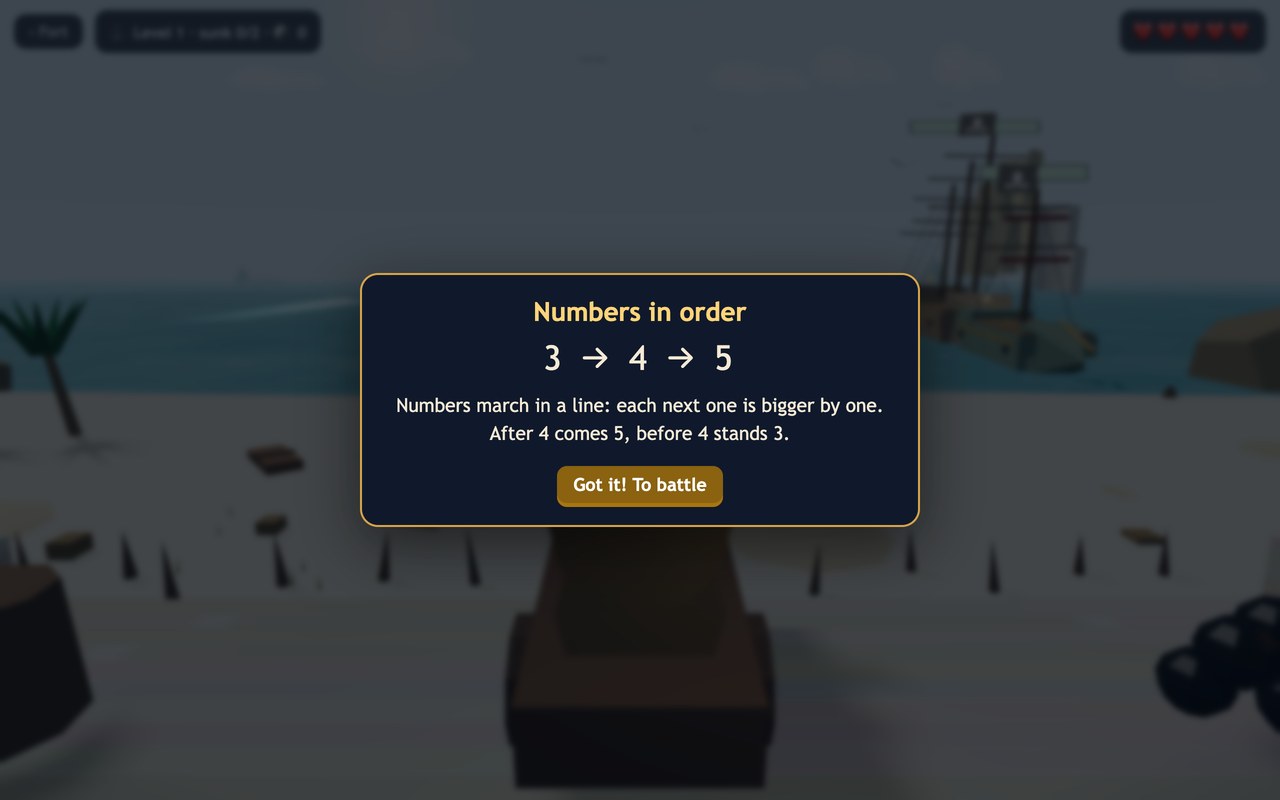 Math Games for Kids — Free Online 6+
Math games for kids on a pirate wall: solve addition, subtraction and more to …
-
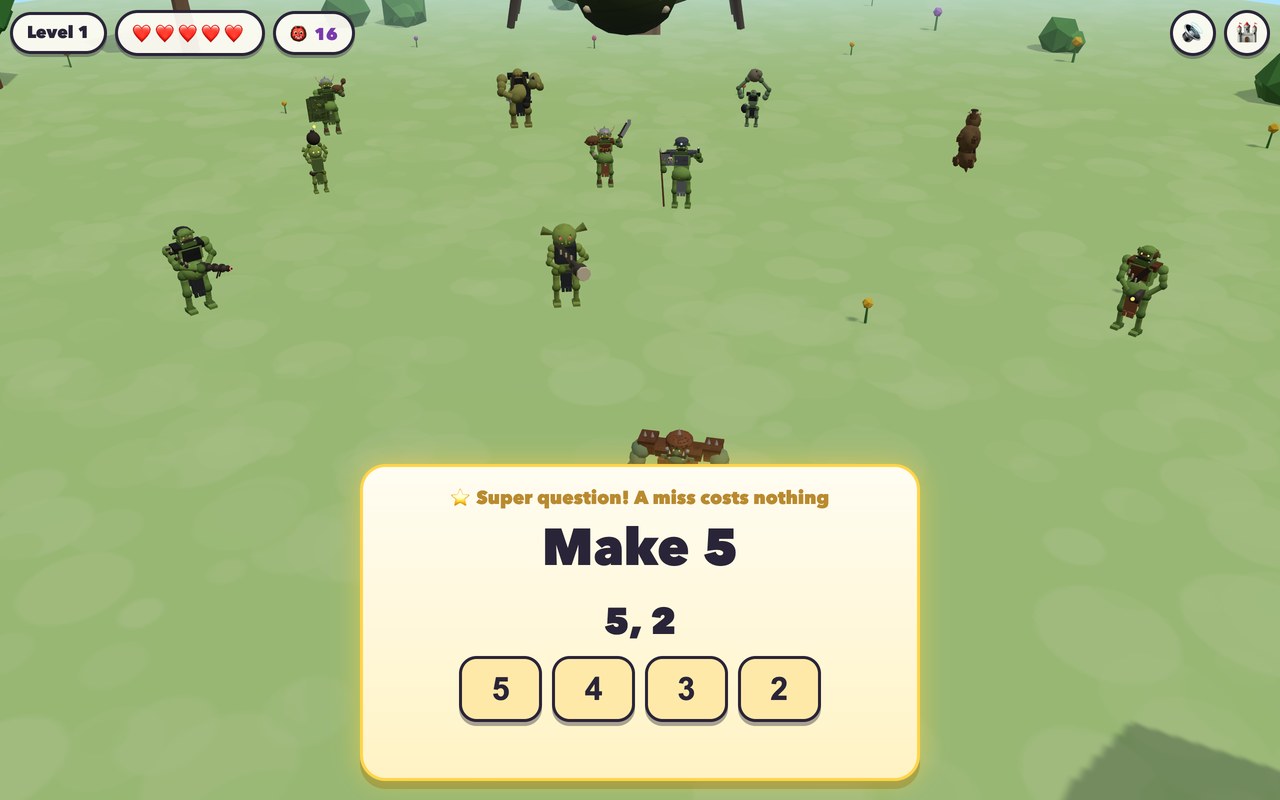 Math Games for 1st Graders — Free Sword of Sums 6+
Math games for 1st graders: a knight walks ten 3D worlds and every monster …
-
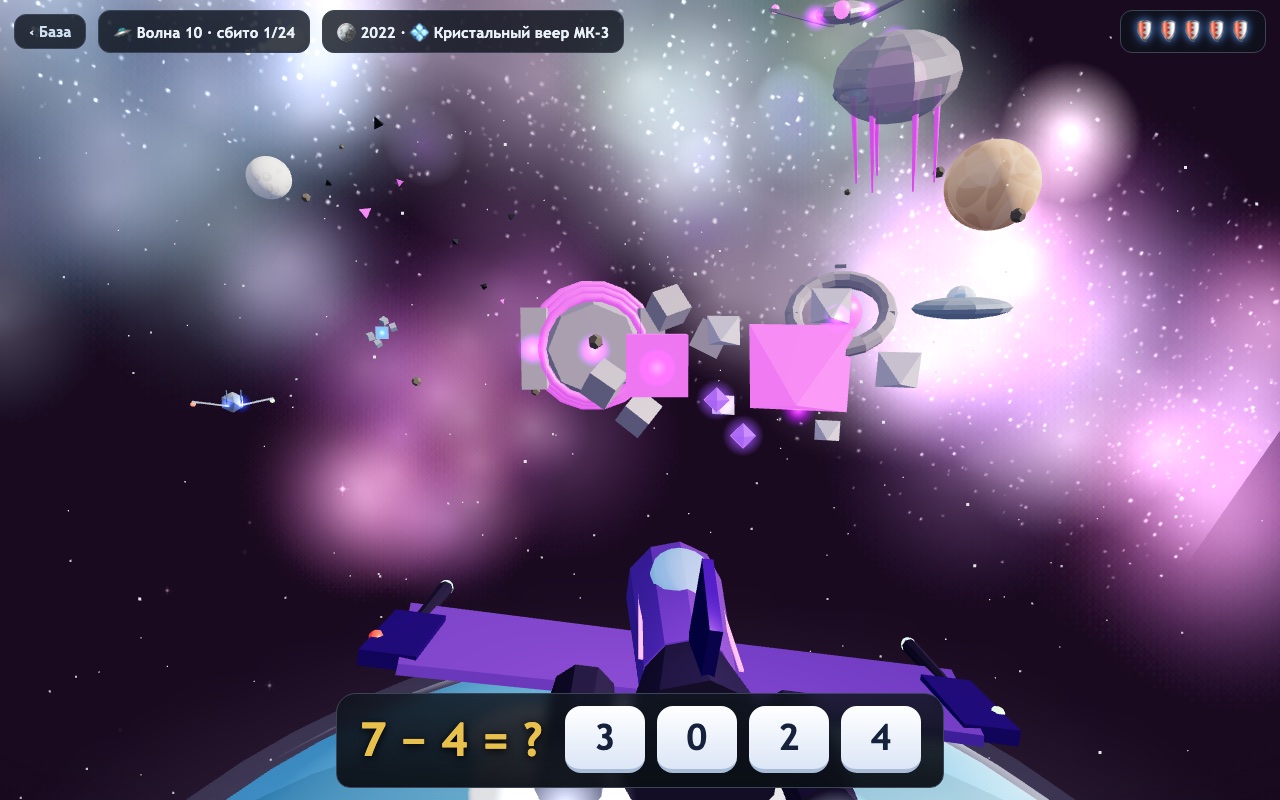 Math Facts Games for Kids — Free Online 6+
Math facts games for kids in Earth orbit: solve addition, subtraction and times tables …
-
 Reading Games — Free Online Reading Practice for Kids 5+
Reading games where reading is the controls: your child reads the word on screen …
-
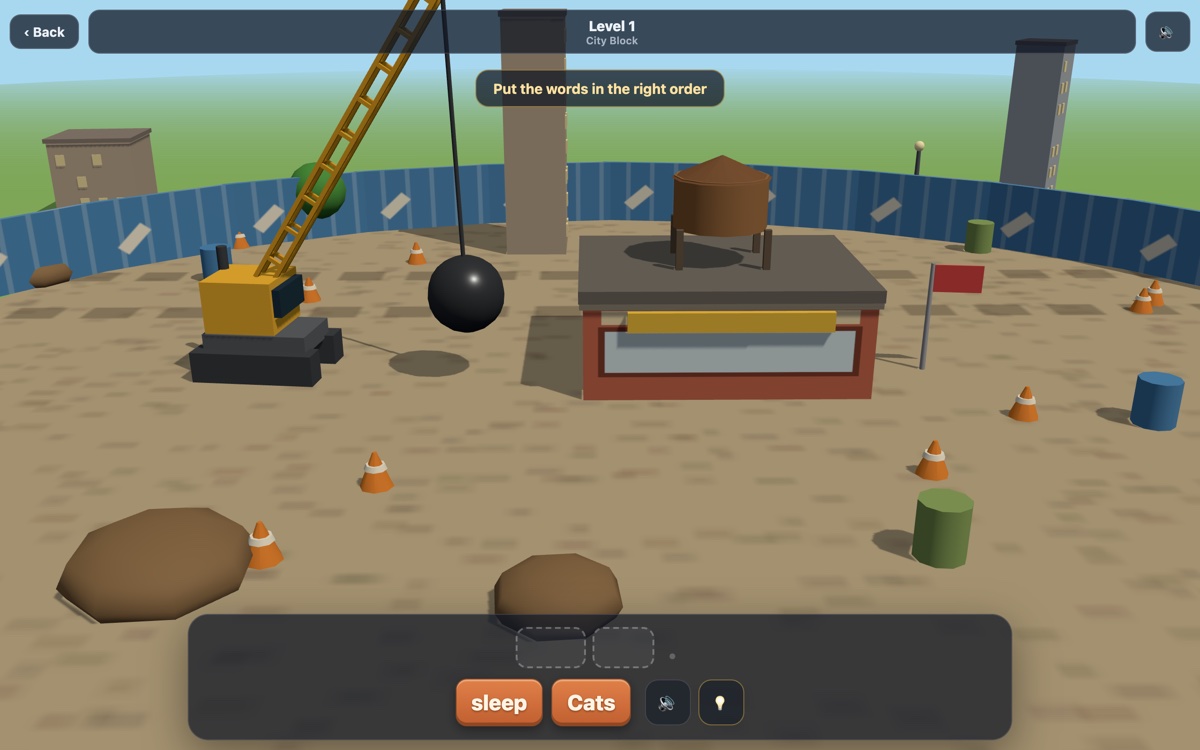 Simple Sentences — Free Word Order Game for Kids 6+
Building simple sentences: drag the scrambled words into the right order and the wrecking …
-
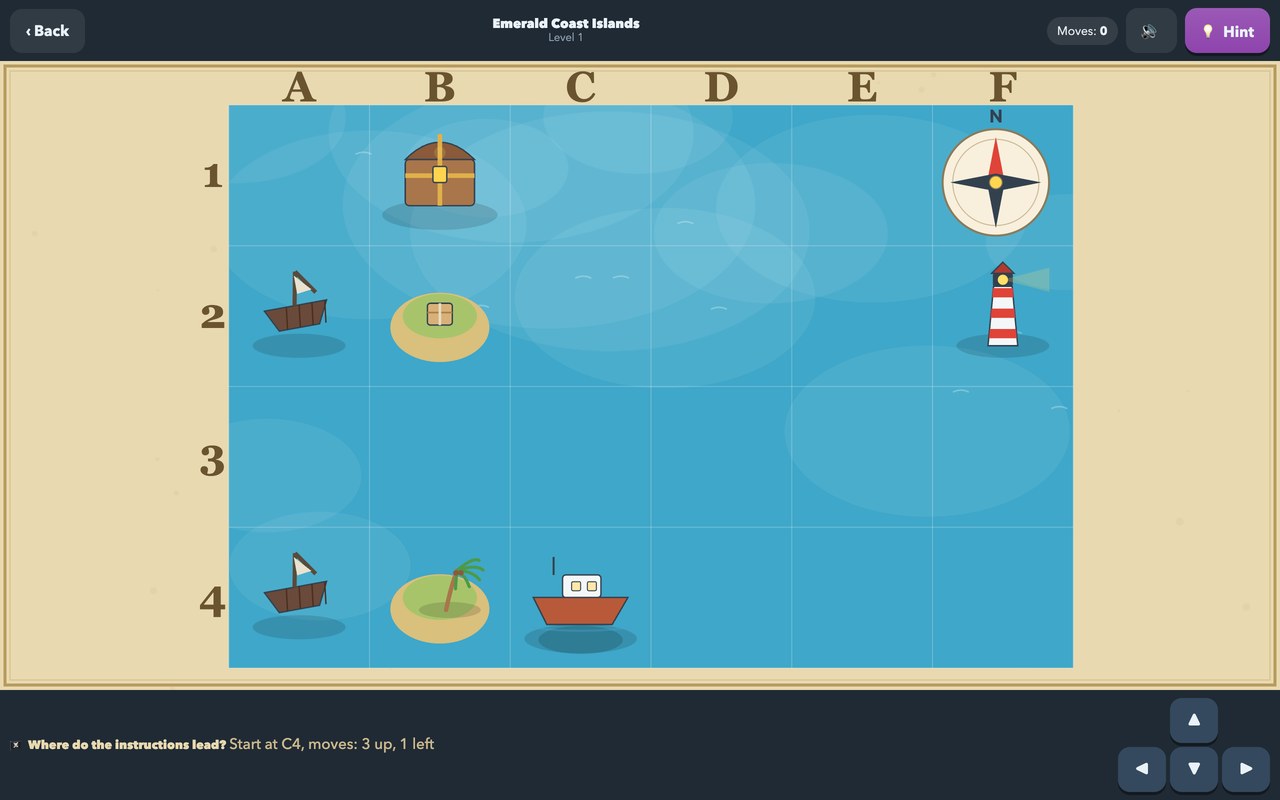 Cardinal Directions — Free Treasure Map Game for Kids 6+
Cardinal directions on a treasure map: north, south, east and west, then grid squares, …
-
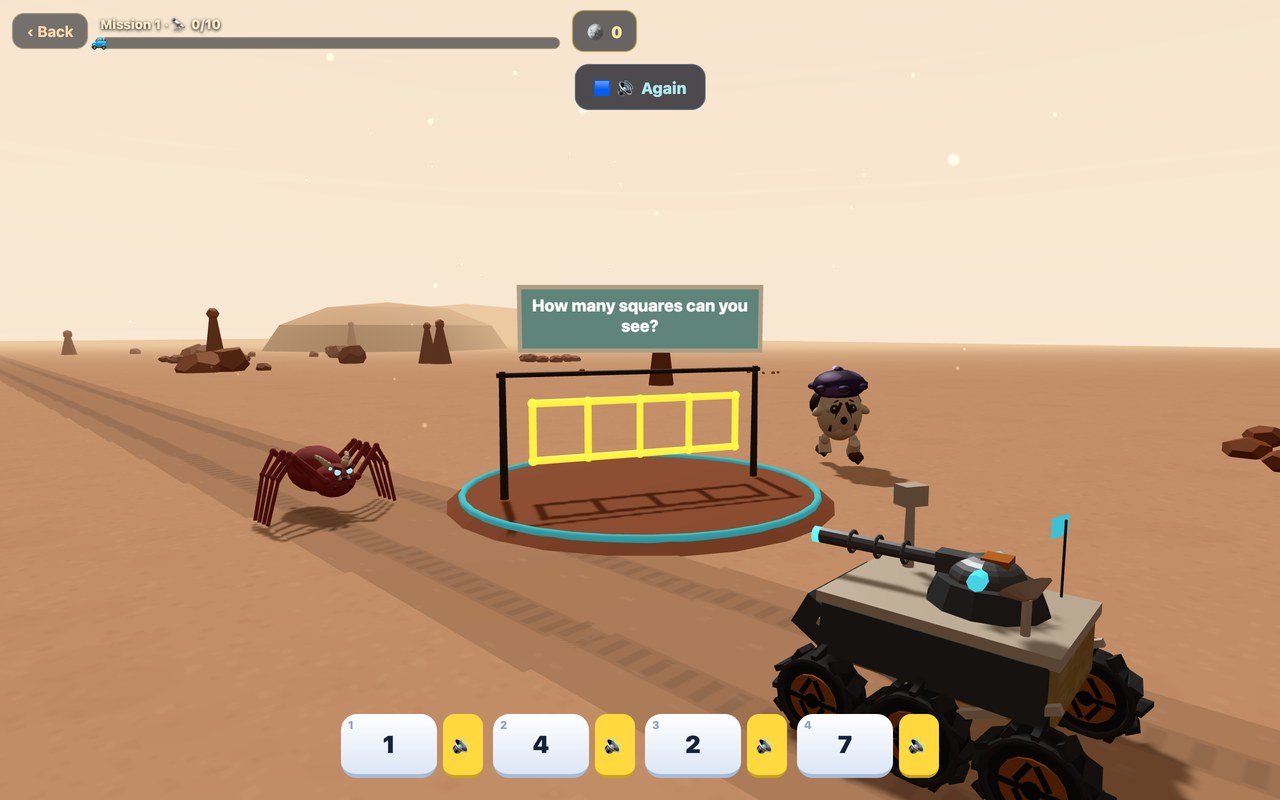 Geometry Games for Kids — Free Mars Rover 6+
Geometry for kids inside a Mars adventure: neon figures, cube builds and giant gears …
-
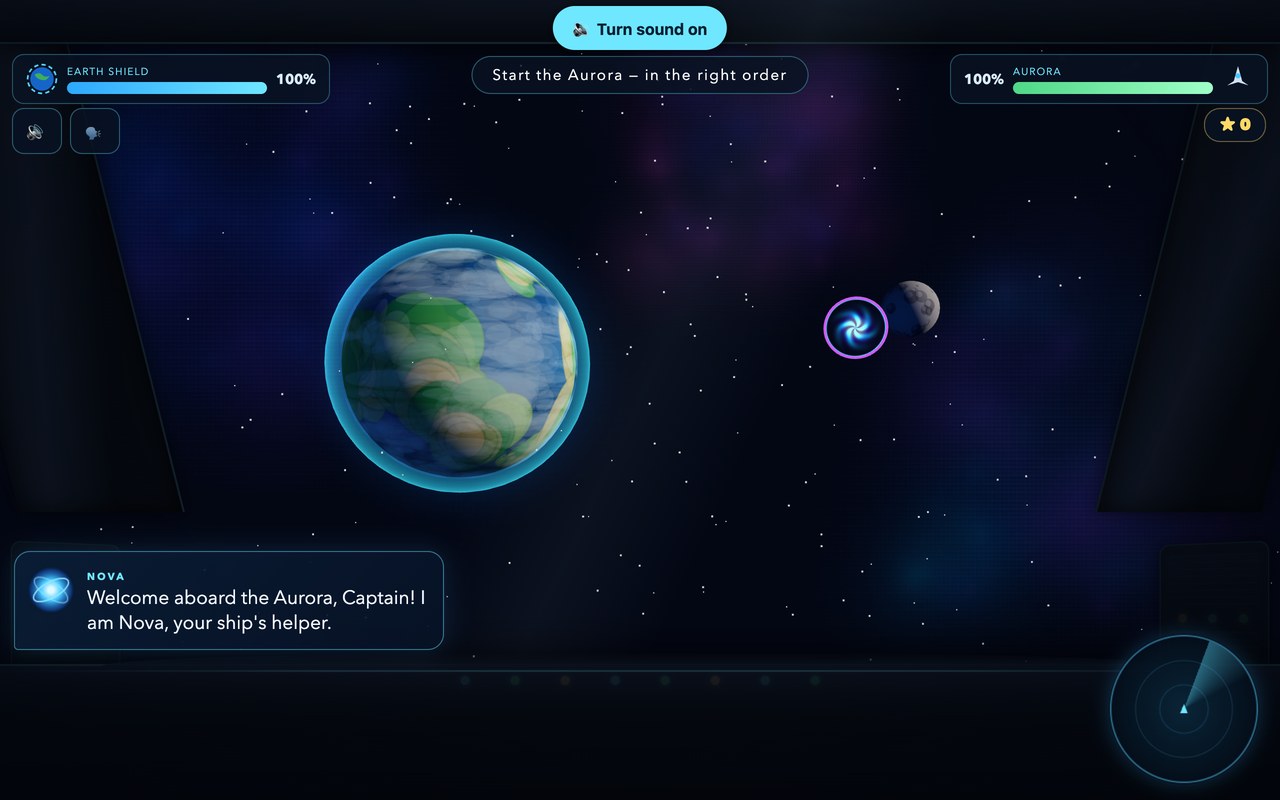 Logic Game for Kids: Space Commander — Free 6+
Thinking games for kids: command a starship by reading each situation and thinking a …
-
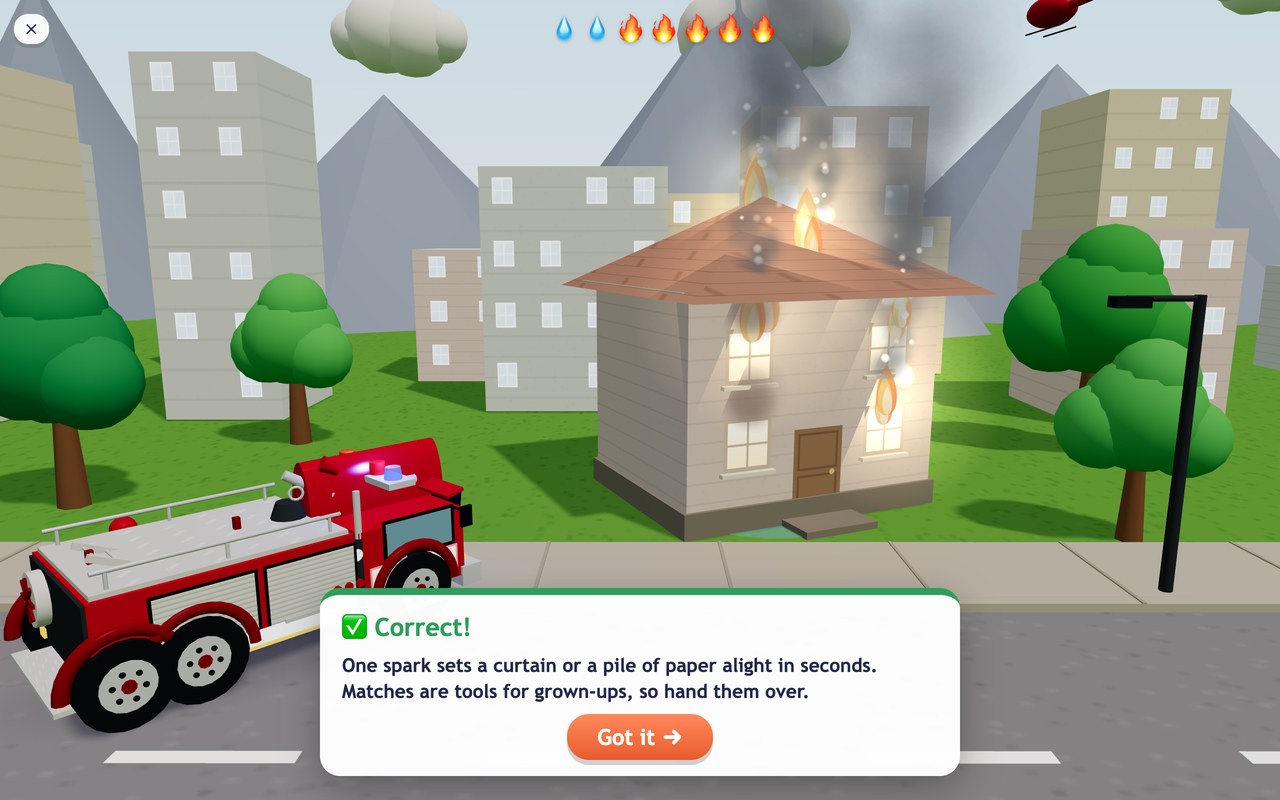 Fire Truck Game for Kids — Free Fire Brigade 6+
Fire truck game for kids: the engine drives to the call, parks by the …
-
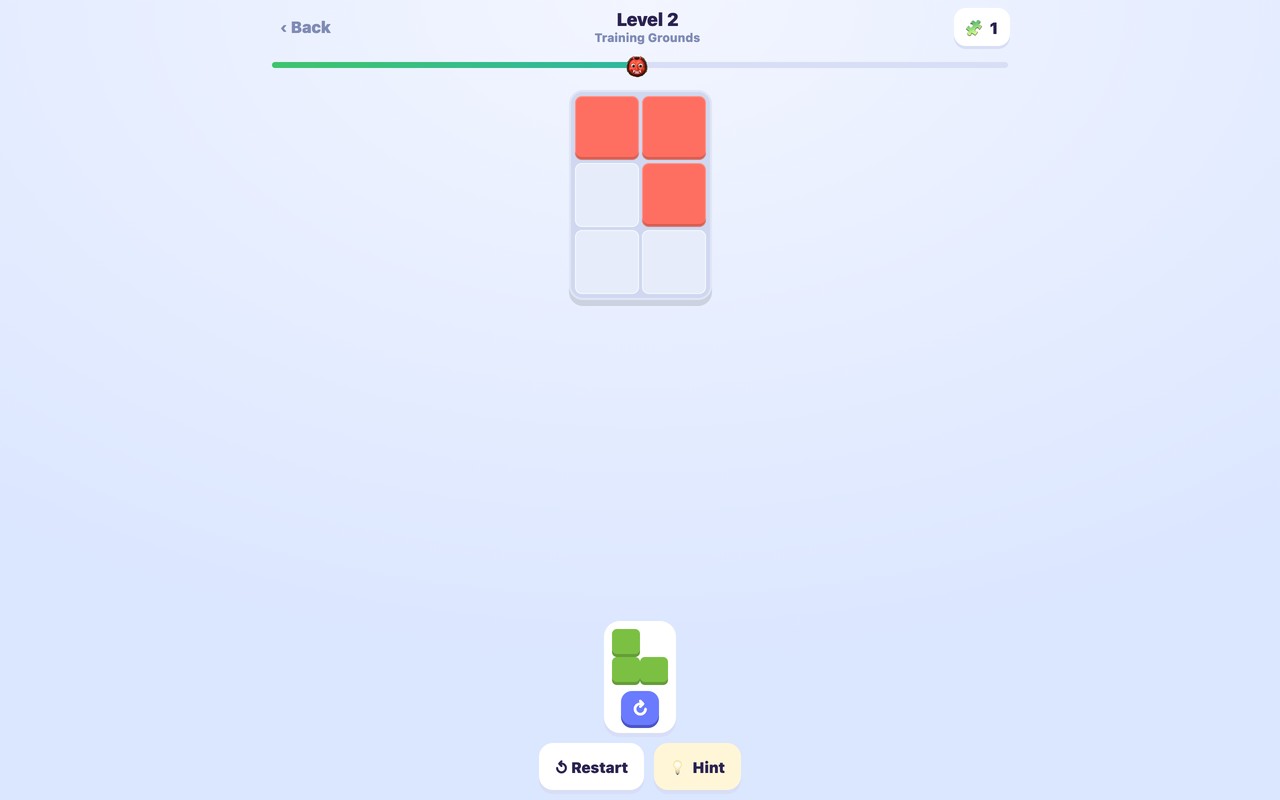 Pentomino Puzzles for Kids — Free Castle Keep 6+
Pentomino puzzle for kids, 500 levels: drag, rotate and fit the shapes to fill …
-
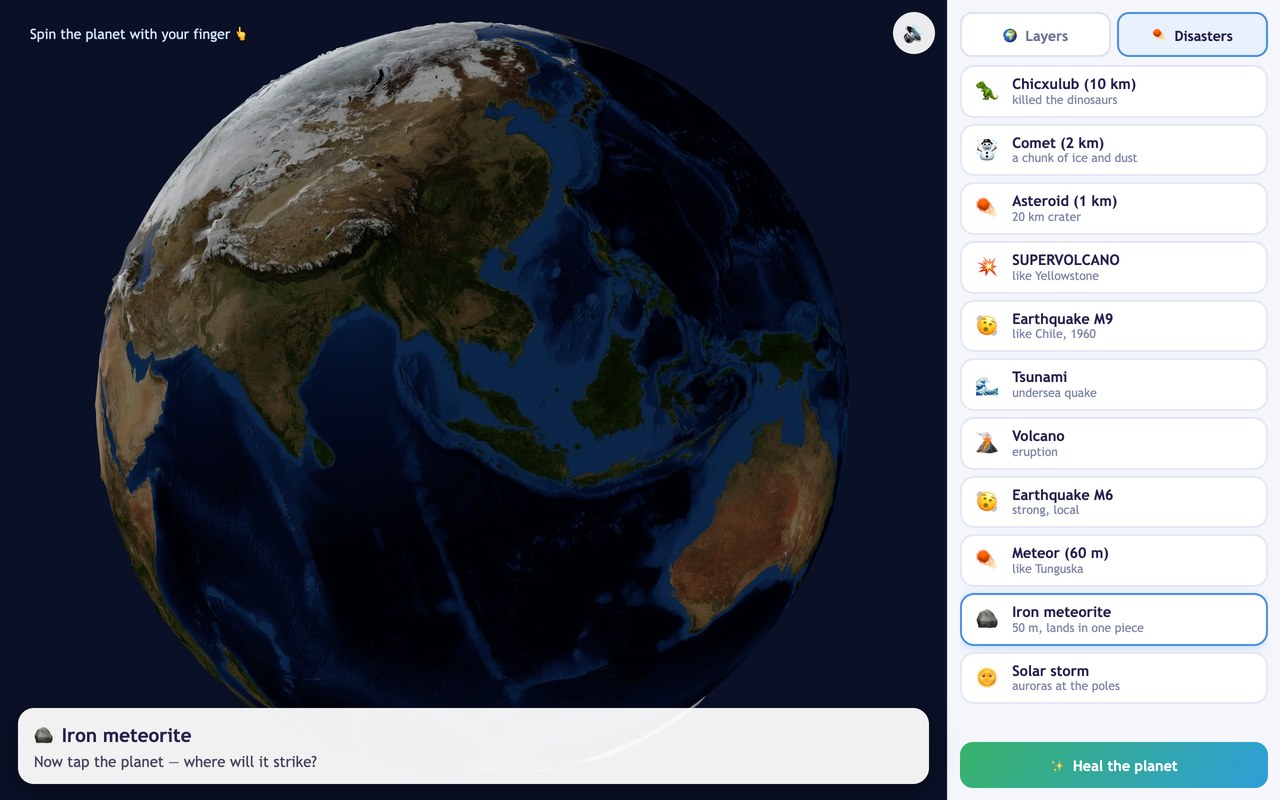 Layers of the Earth — Free Interactive 3D Model 6+
Layers of the earth peeled apart: satellites, atmosphere, clouds, oceans, crust, mantle, outer and …
-
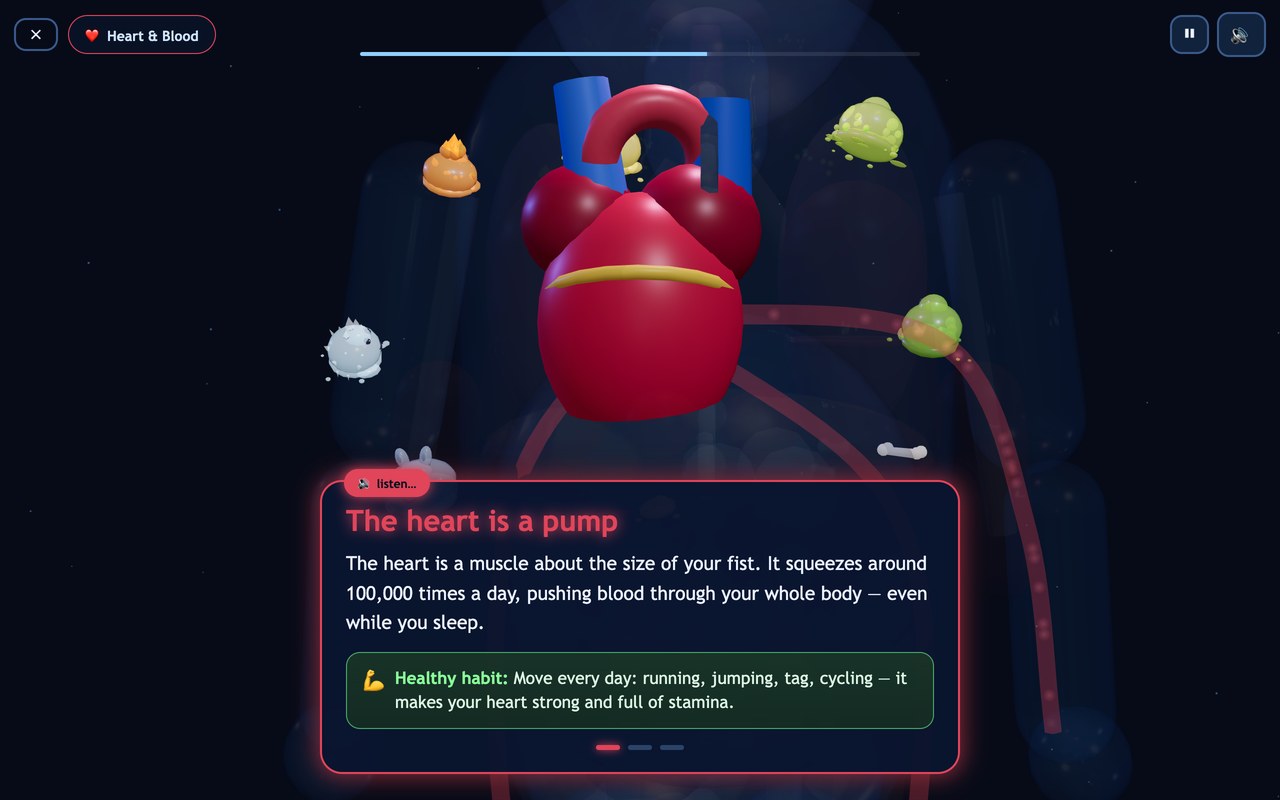 Human Body Systems — Free 3D Tour With Questions 6+
Human body systems in 3D: heart and blood, lungs, digestion, muscles and bones — …
-
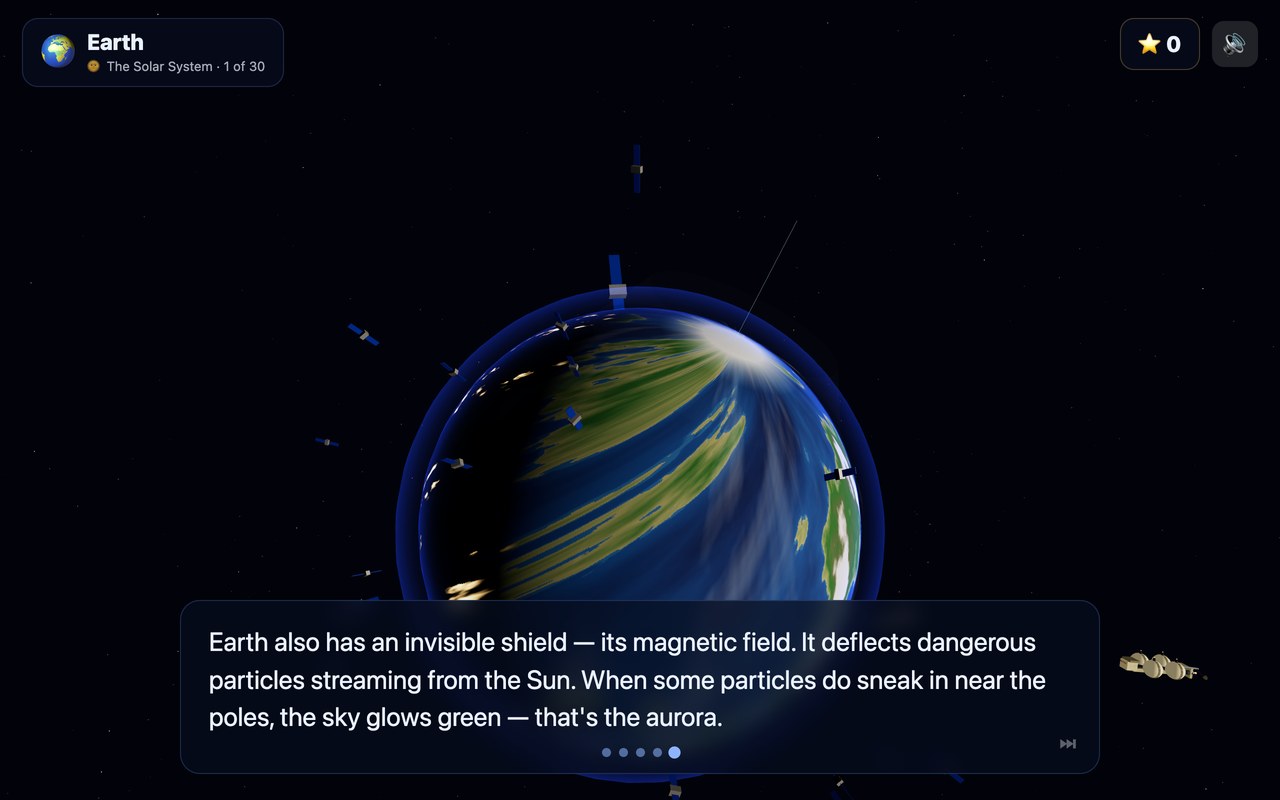 Space Explorer — Free Astronomy Game for Kids 6+
Space games for kids with real astronomy: fly from Earth to the Moon, Mars, …
-
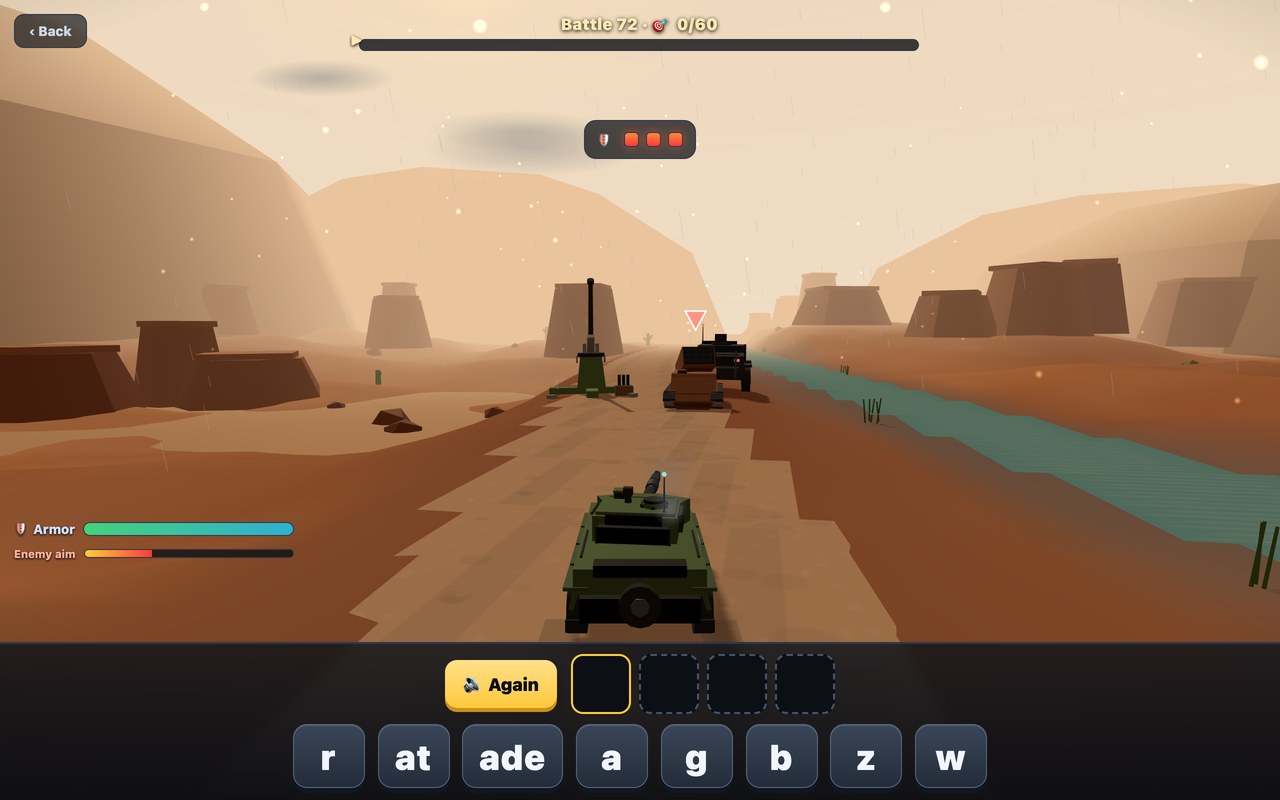
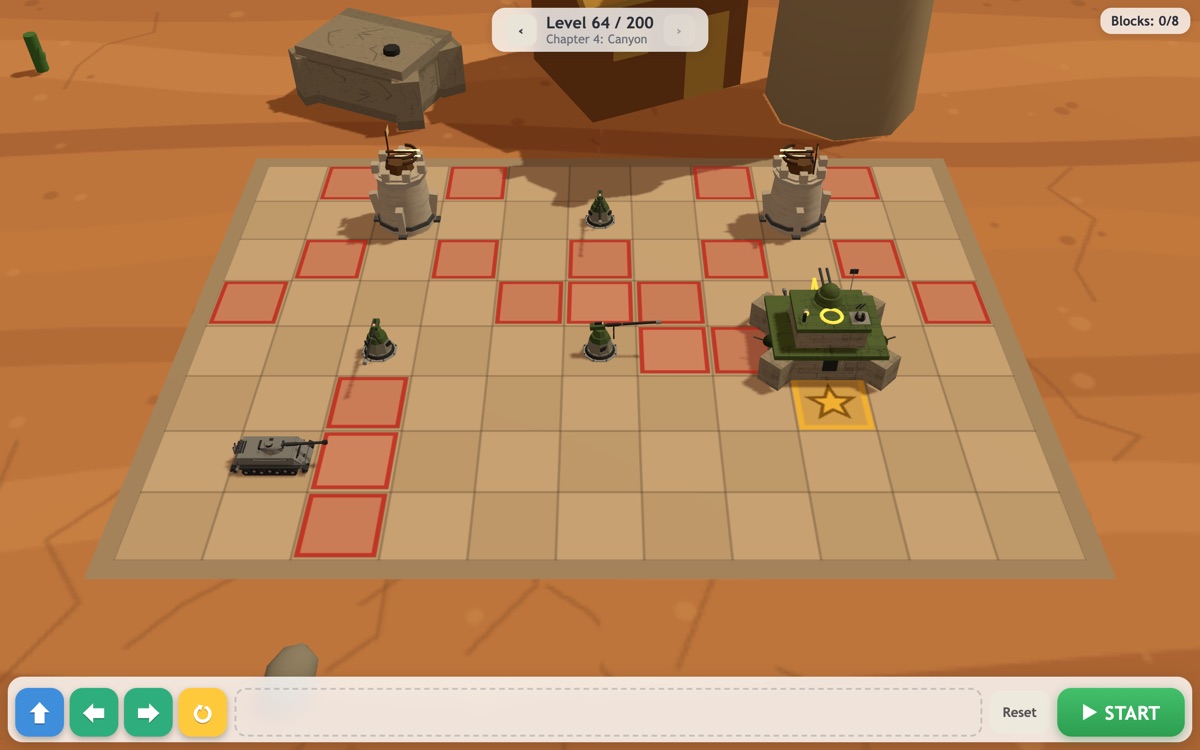 Coding Game “Tank Raid” — Free in Your Browser 5+
Coding games for kids in the browser: work out a safe route past the …
Six-year-olds cross two lines in the same year. In reading, they stop decoding word by word and start reading a sentence — which means they finally get meaning, not just noise. In maths, they leave the safety of ten: 8+5 cannot be done on the fingers of one hand, so they need a strategy.
The strategy that matters most this year is "make ten". To add 8+5, take 2 from the 5 to fill the 8 up to 10, then add the 3 that is left: 13. Children who are taught this stop counting on their fingers within a few weeks. Children who are not, keep counting until Year 4. Several games here drill it directly, with the ten-frame shown on screen while the child answers.
Beyond arithmetic. Six is a good age for direction and space: north/south/east/west, left and right from the character's point of view rather than your own, and reading a simple map. It is also the earliest age where real science content lands — the layers under our feet, the planets in order, a food chain — provided the child never has to read a paragraph to get it.
Tip for the grown-up. Ask "how did you know?" after a correct answer, not after a wrong one. Wrong answers make children defensive; right answers make them explain their method, and explaining the method is what fixes it in place.
Related pages: games for 7 year olds, the curriculum view on games for 1st graders, number work under addition games for kids, and reading practice under reading games for kids.