
Games for 7 Year Olds: Times Tables, Clocks and Coins
Games
-
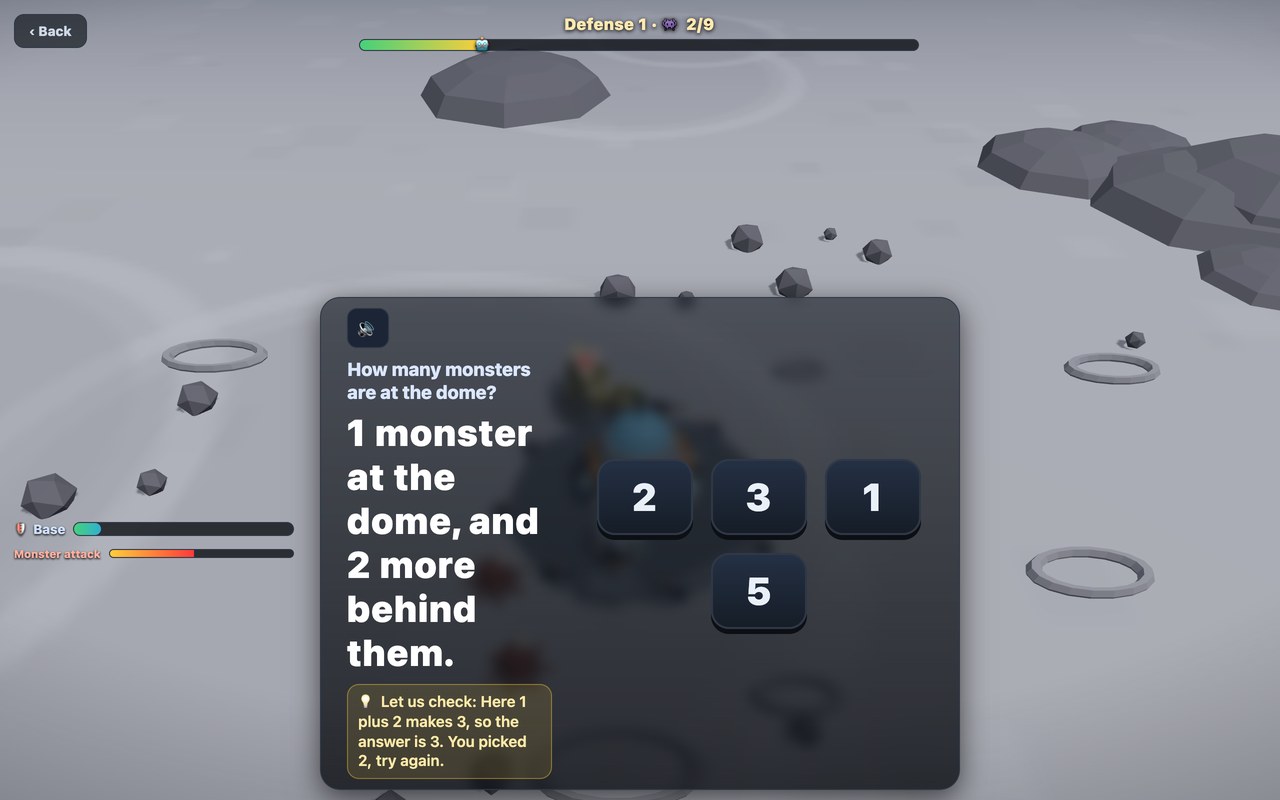 Math Games for 2nd Graders — Free Moon Base Defence 7+
Math games for 2nd graders: monsters rush the moon base and only a correct …
-
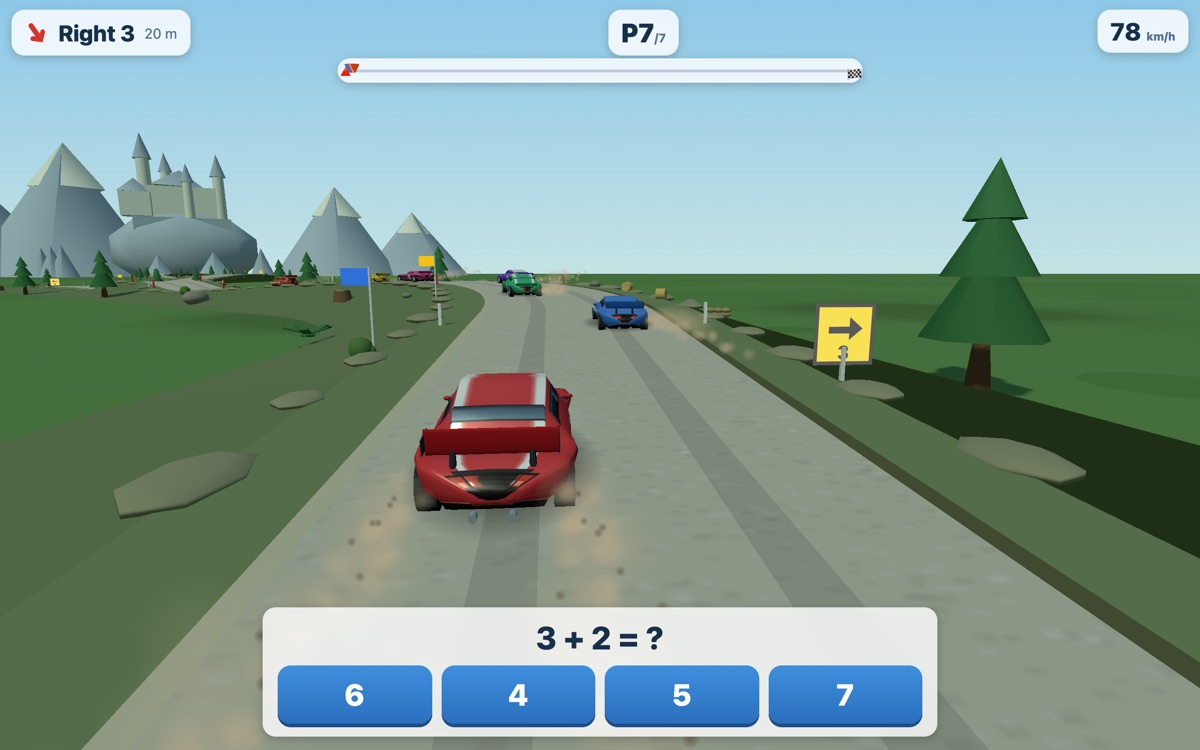 Number Games for Kids: Answer Right and the Car Pulls Away 7+
Number games for kids where solving is the accelerator: answer and your rally car …
-
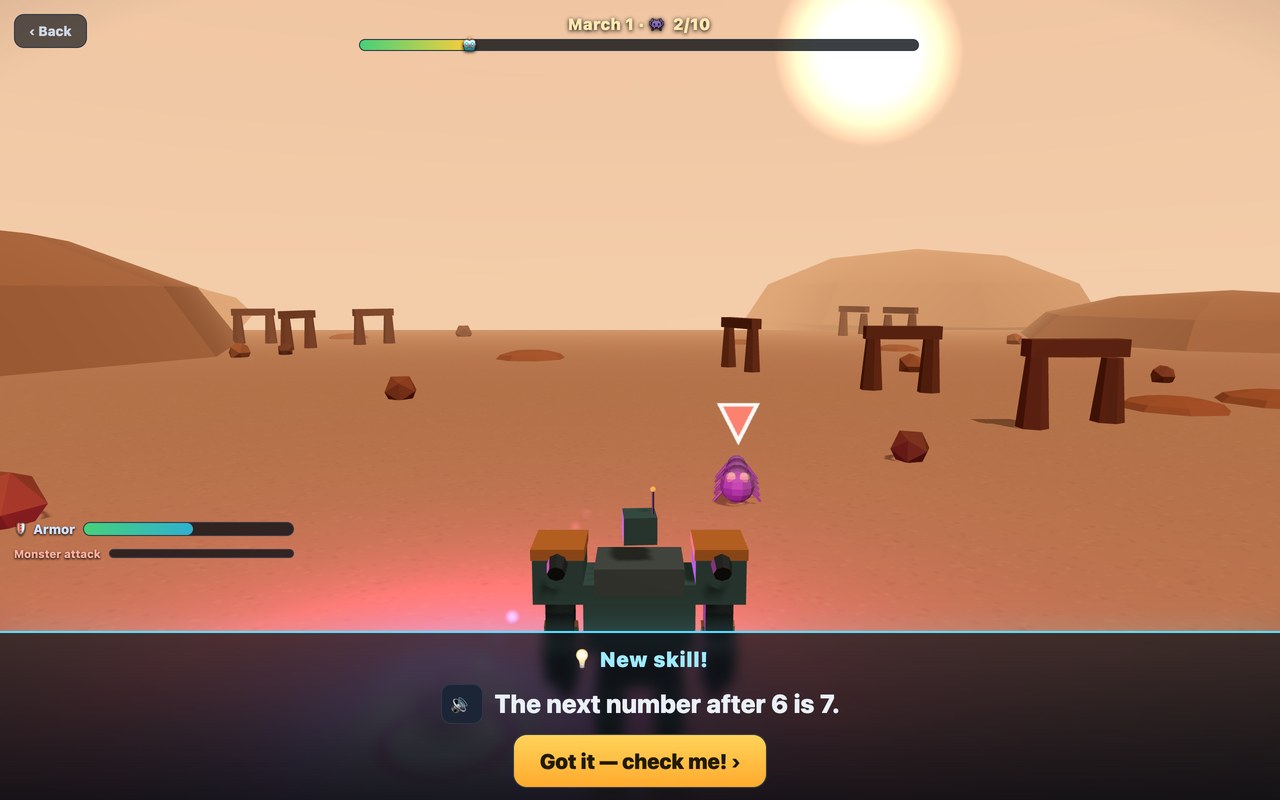 Math Facts Games — Free Star Mech Fluency Drill 7+
Math facts games with a real mastery rule: five right in a row retires …
-
 Rocket Games: Build and Launch Real Rockets 7+
Free rocket games for kids: build 24 real rockets — from the V-2 to …
-
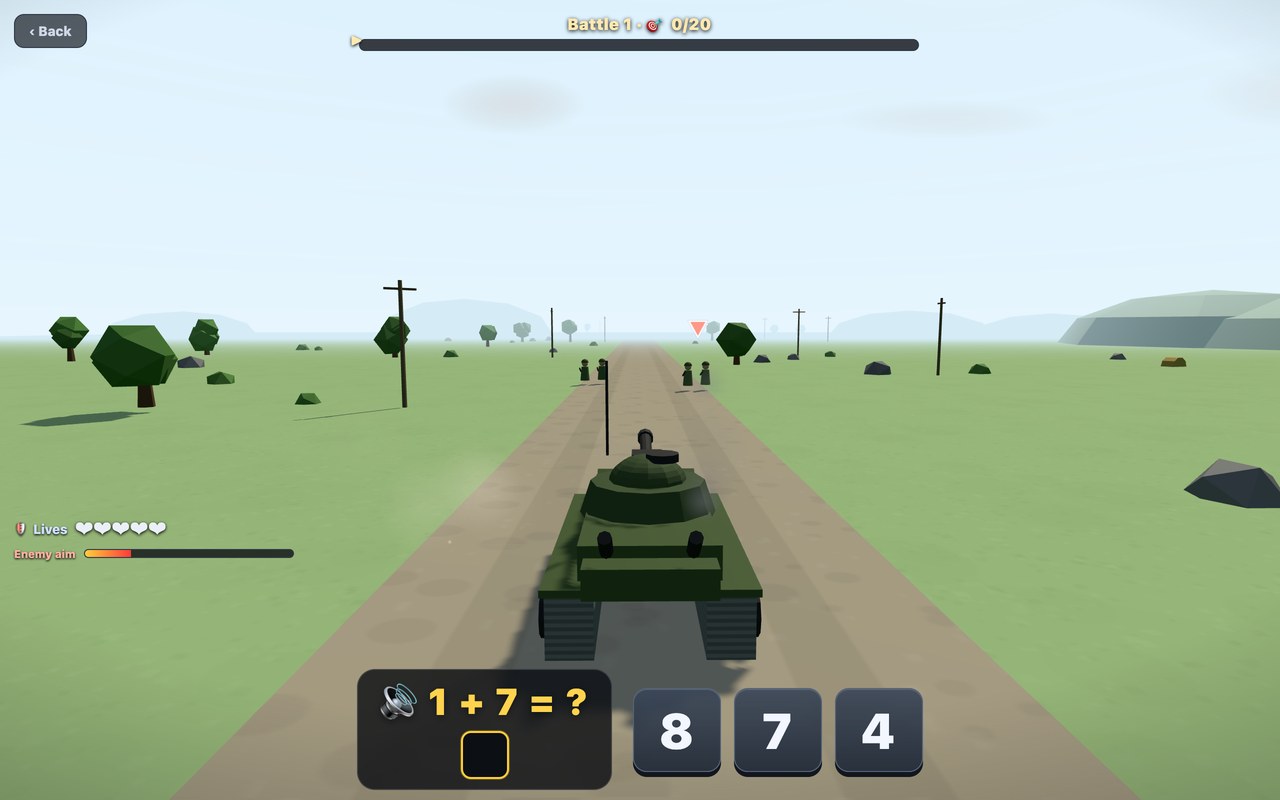 Mental Math Games for Kids — Free Math Tanks 7+
Mental math games in a 3D tank campaign: solve the problem, build the answer …
-
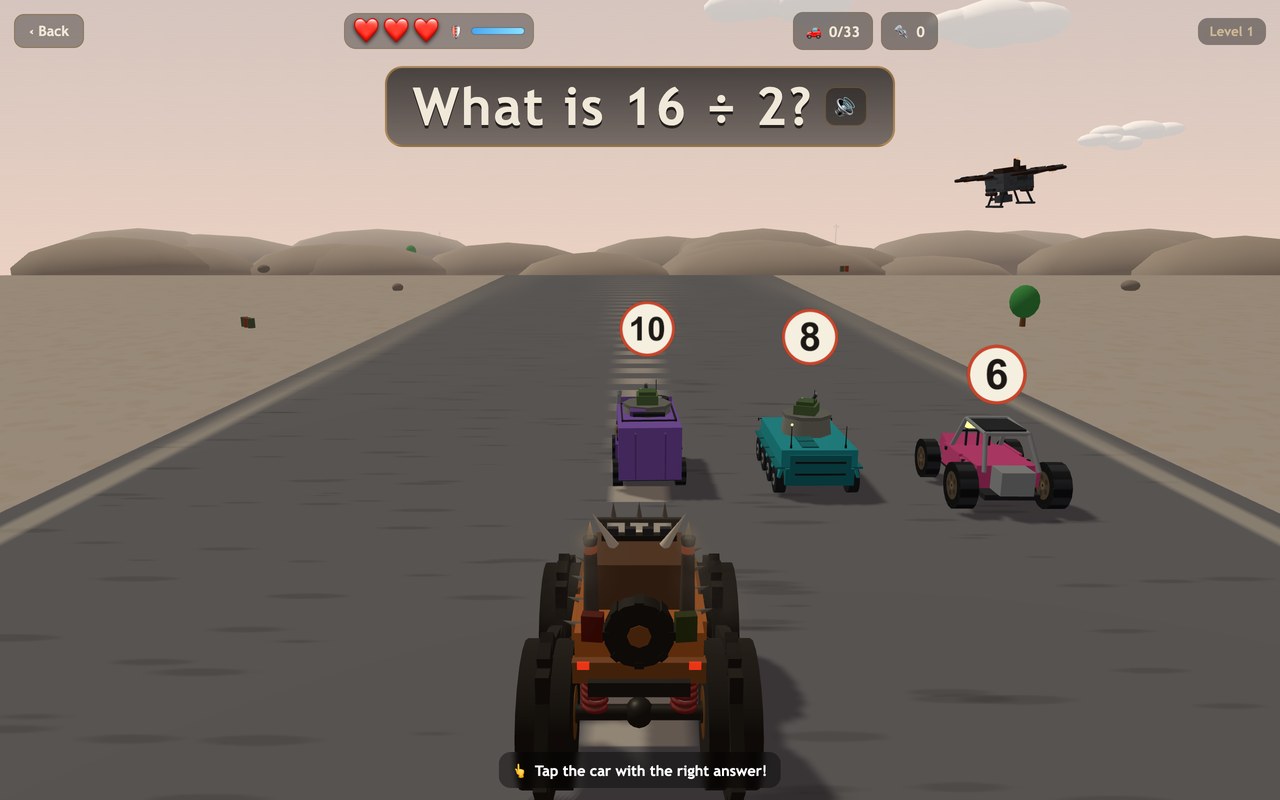 Times Tables Game for Kids — Free Bigfoot Arena 7+
Times tables practice in a demolition derby: crush the car carrying the right answer …
-
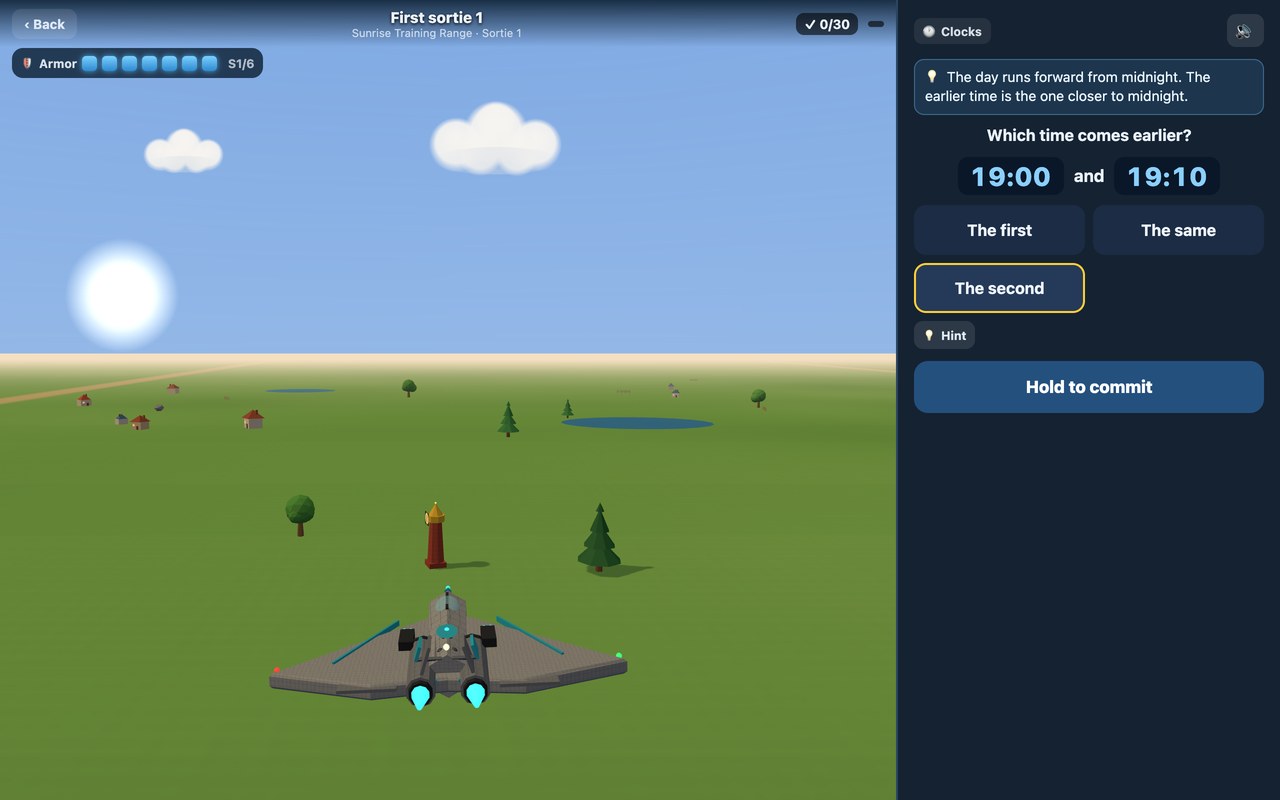 Telling Time — Free Chrono Wing Game for Kids 7+
Telling time from the clock face on: count the minutes, measure how long something …
-
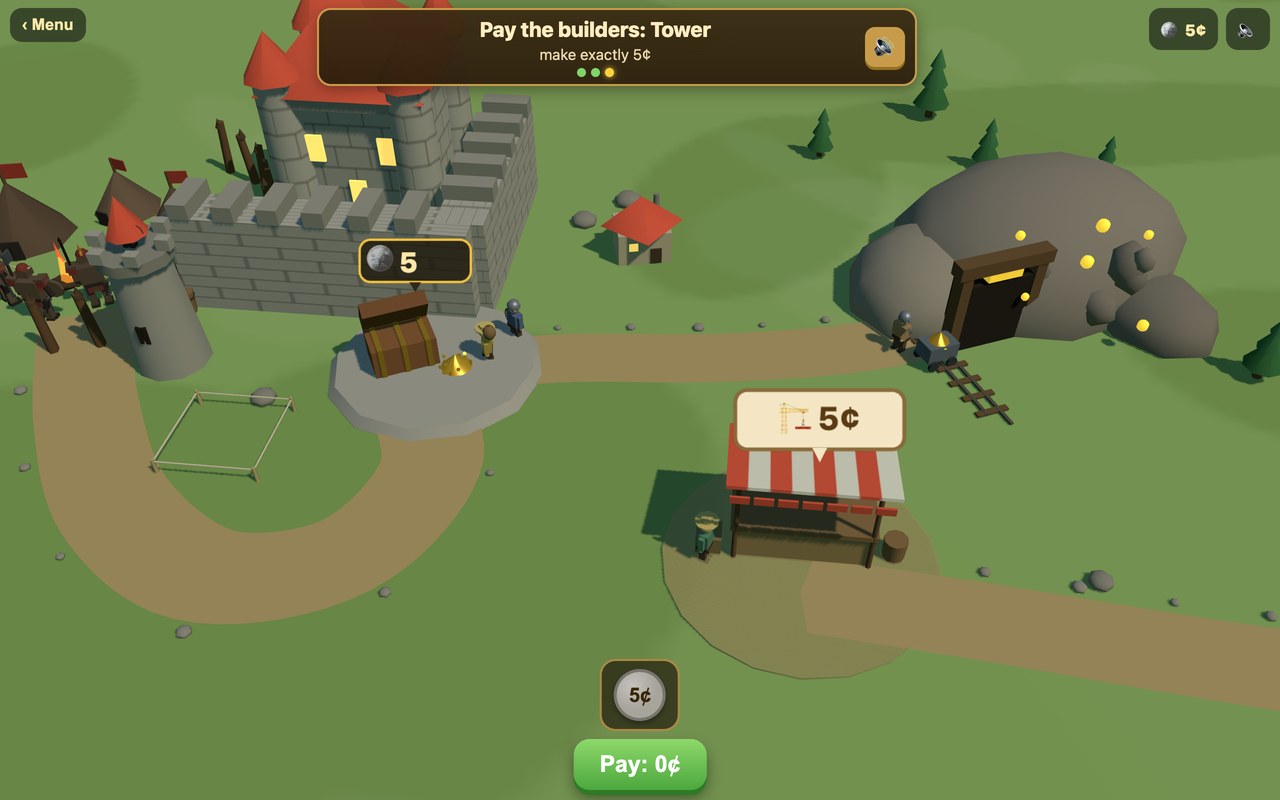 Counting Money — Free Treasury Keep Game for Kids 7+
Counting money in a treasury: add up the coins, compare two prices, make an …
-
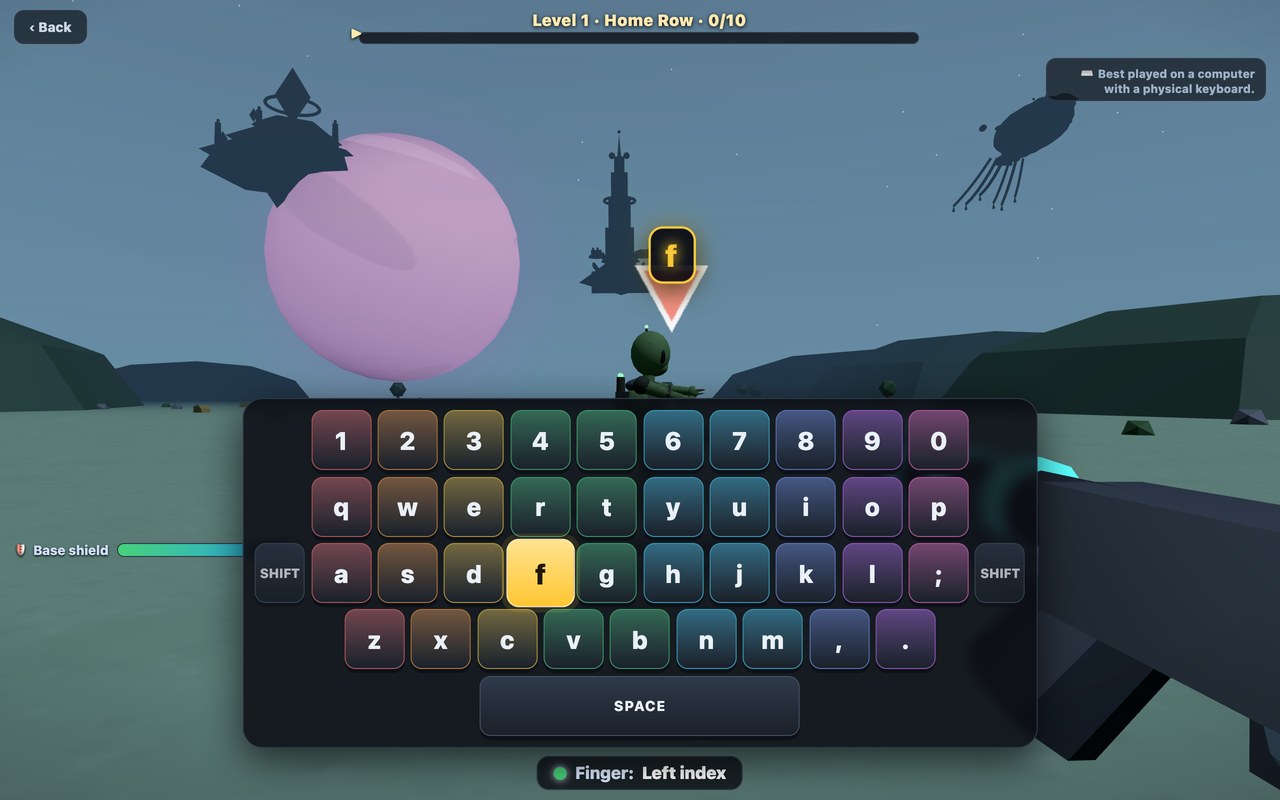 Learn to Type — Free Typing Game for Kids 7+
Learn to type the proper way: home row first, one finger pair at a …
-
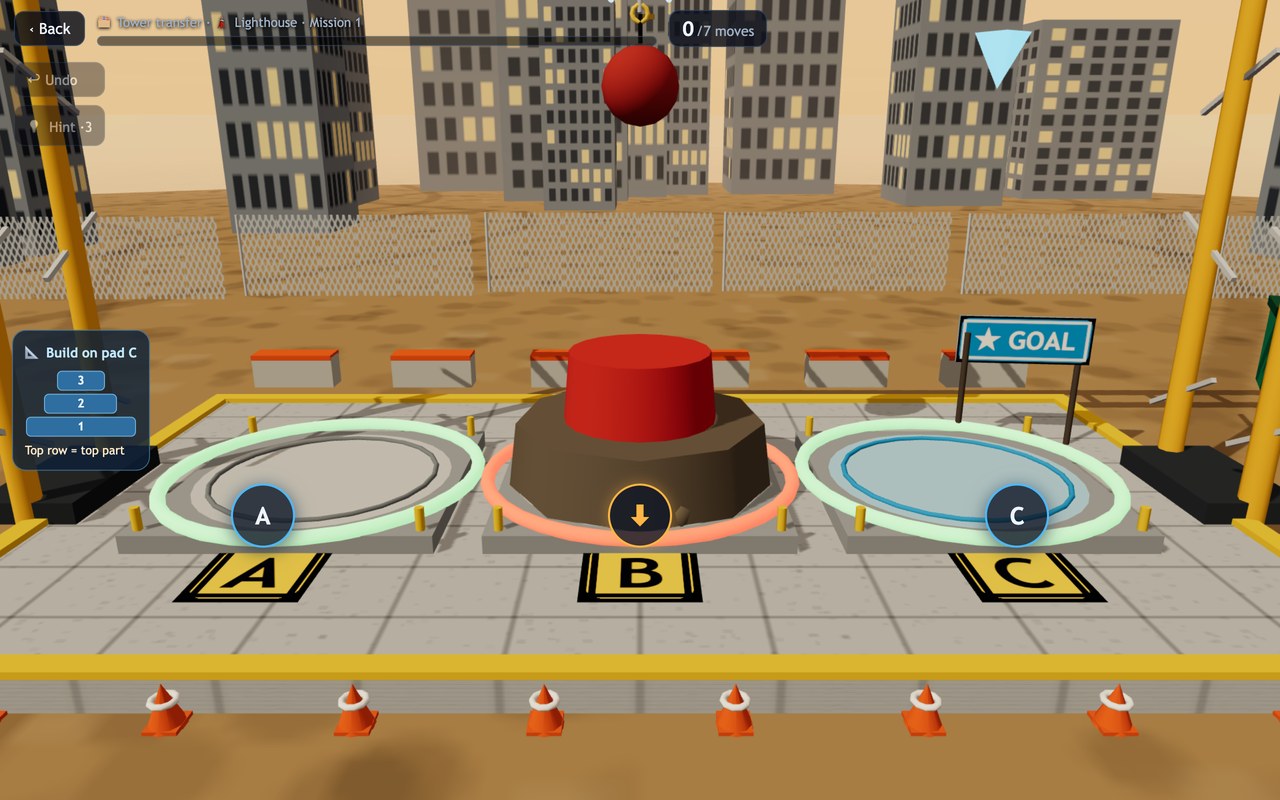 Tower of Hanoi Game for Kids — Free Sky Engineer Puzzle 7+
Tower of Hanoi game in 3D: move skyscraper modules with sky-cranes, one at a …
-
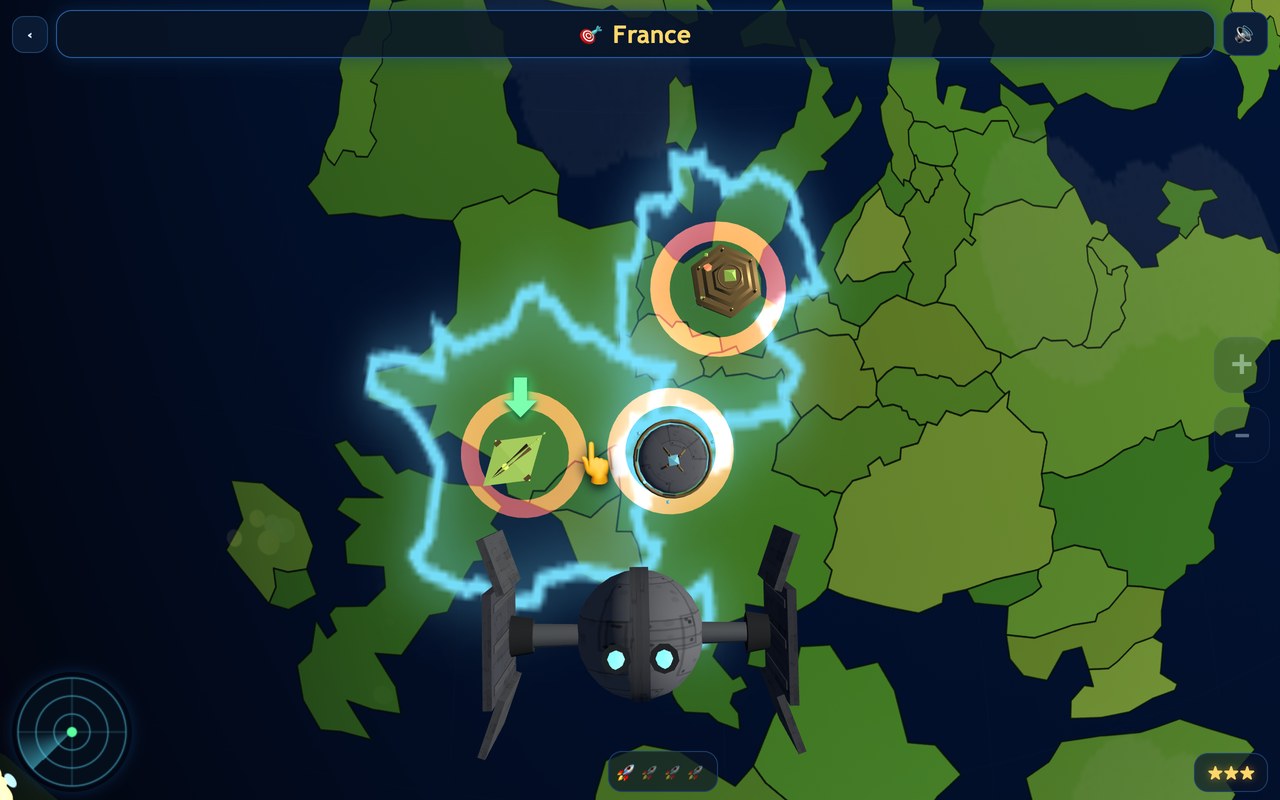 Capitals of the World — Free Globe Game for Kids 7+
Capitals of the world on a real 3D globe: it turns to the region, …
-
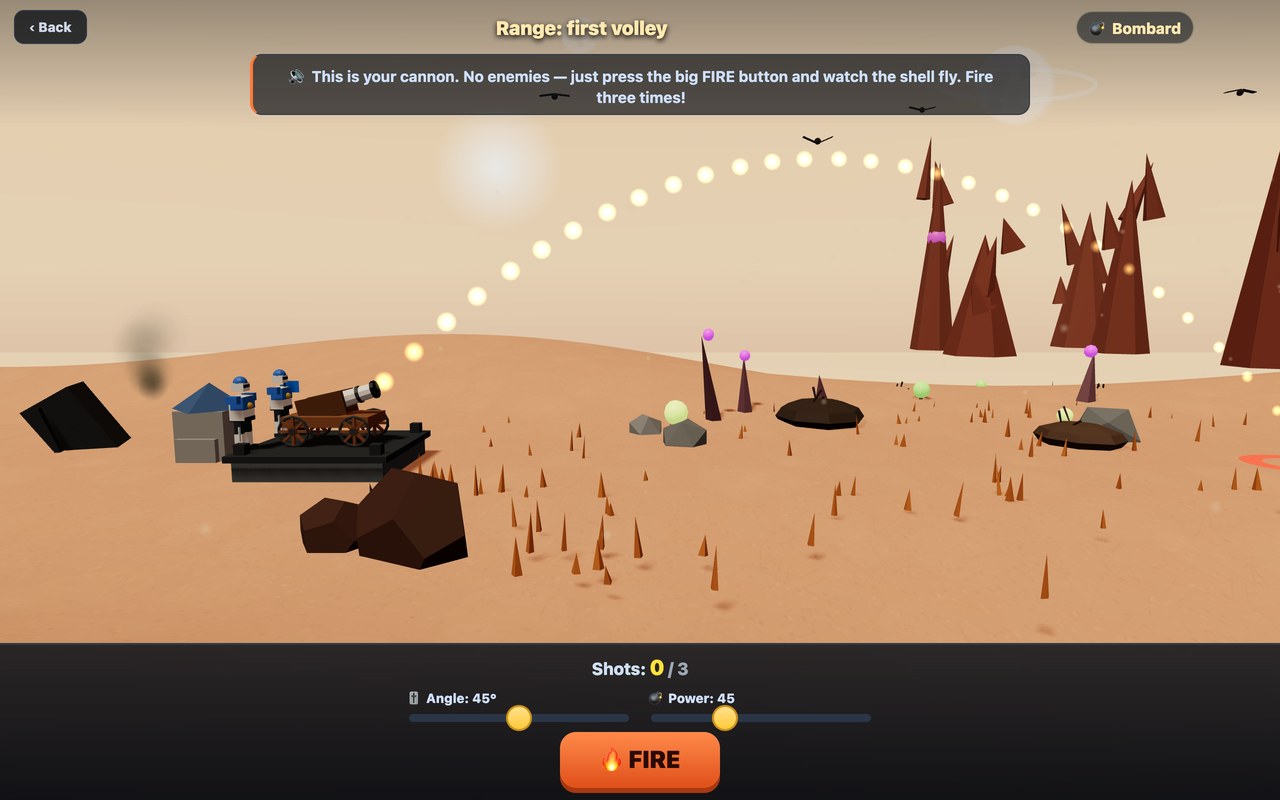 Physics Games for Kids — Free The Siege Line 7+
A physics puzzle game where a young engineer repels giant insect hordes with real …
-
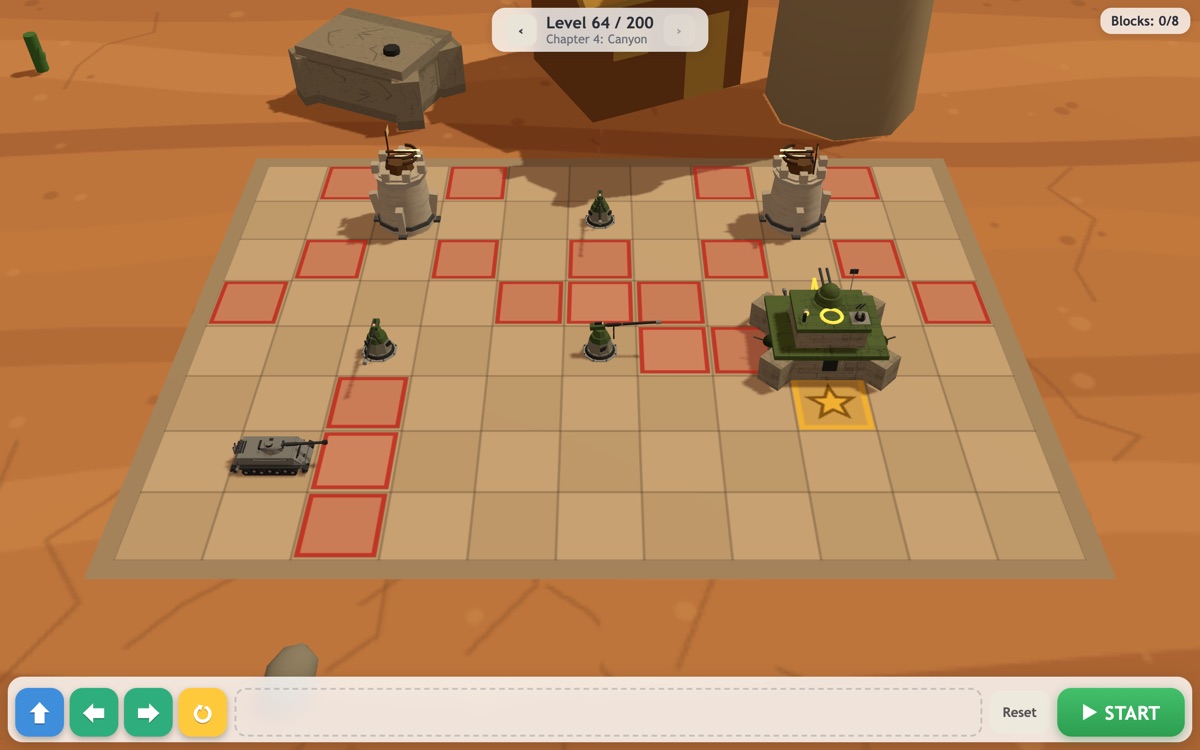 Coding Game “Tank Raid” — Free in Your Browser 5+
Coding games for kids in the browser: work out a safe route past the …
Seven is the year arithmetic gets a second digit and time gets a second hand. Both are harder than they look, and both fail for the same reason: the child has not automated the small facts underneath, so the new procedure uses up all their attention.
Regrouping. 47 + 38 requires the child to hold "7+8 is 15, write 5, carry 1" while still remembering there is a tens column waiting. If 7+8 takes them three seconds of counting, the carry falls out of memory. So the fluency games come first on this page, not last.
Times tables. Start with 2, 5 and 10 — they are patterns, not facts. Then 3 and 4 as repeated addition, then squares (3×3, 4×4, 6×6), which children remember unusually well and which act as anchors for their neighbours: if 6×6=36, then 6×7 is just 36+6.
Clocks and money. Telling time to five minutes is the first thing a child must count in fives on a circle, which is why it collapses without skip counting. Money is the first place where two different units live in one answer — $1.35 is not "one point thirty-five".
Typing. Seven is the earliest age where home-row typing sticks, and the earliest age it is worth doing: after about nine, children have already built a two-finger habit that is painful to undo.
Tip for the grown-up. Fluency is built in five-minute bursts, daily. Twenty-five minutes on Sunday does nothing.
See also: games for 8 year olds, the school view on games for 2nd graders, times tables games, reading a clock and typing games for kids.