
Tangram & Block Puzzles for Kids — Free Online
Games
-
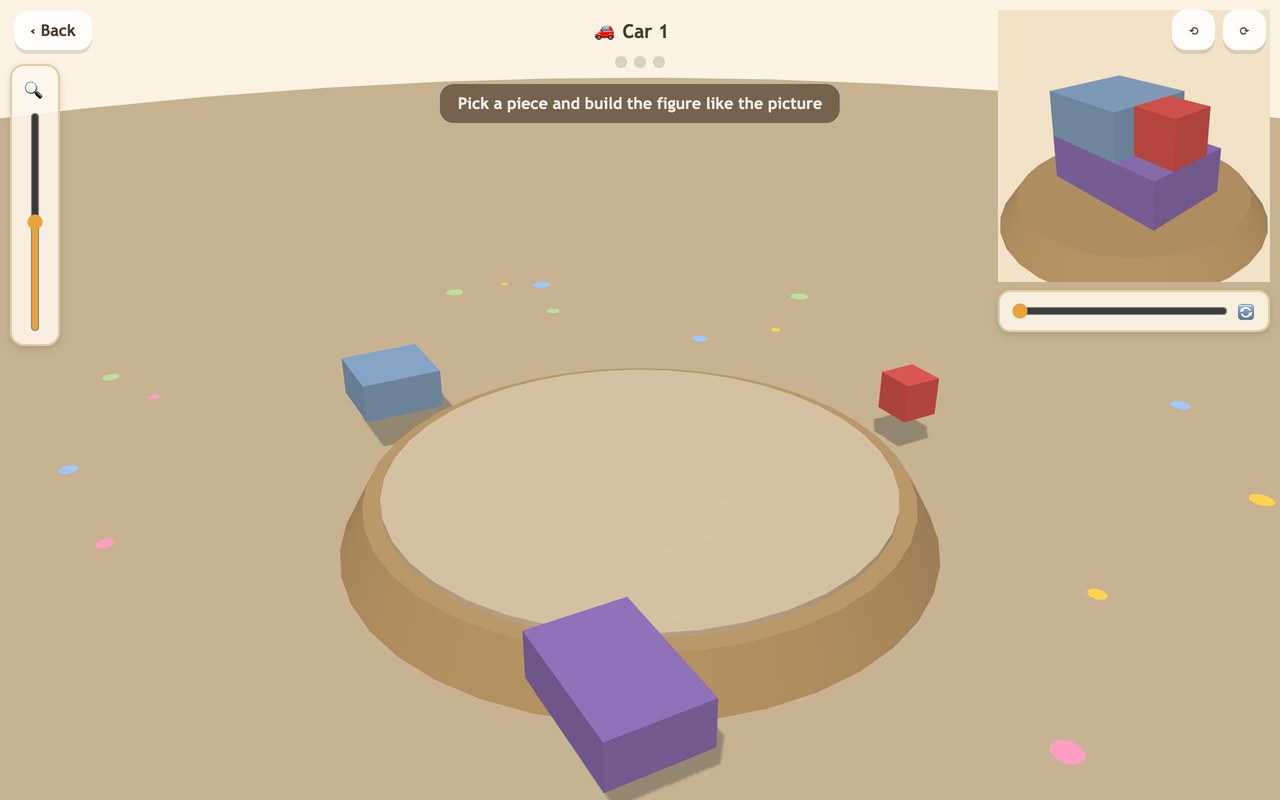 Tangram Online — Free 3D Tangram Puzzles 5+
Free tangram game online: 500+ 3D tangram puzzles for kids. Build rockets, castles and …
-
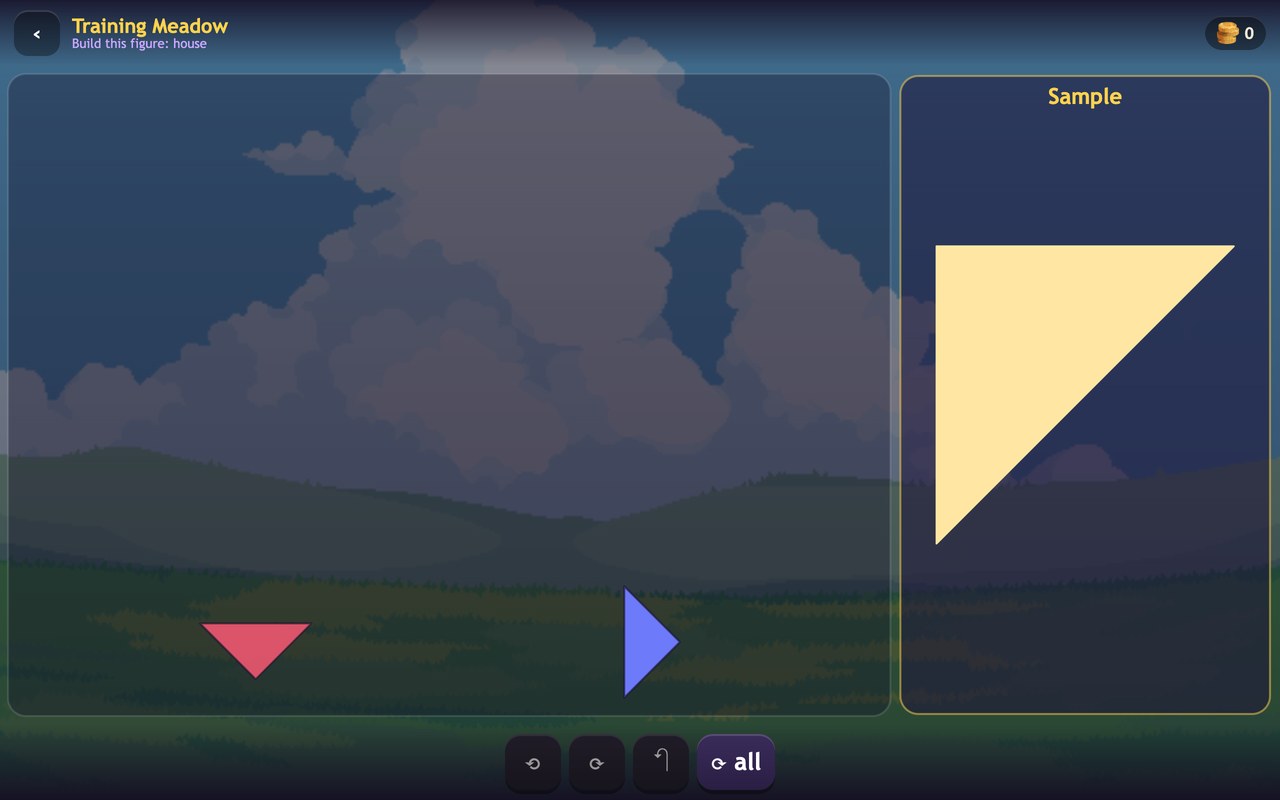 Tangram Puzzles for Kids — Free Castle Tangram 5+
Tangram puzzles for kids inside a castle-defense adventure: build the silhouette from the 7 …
-
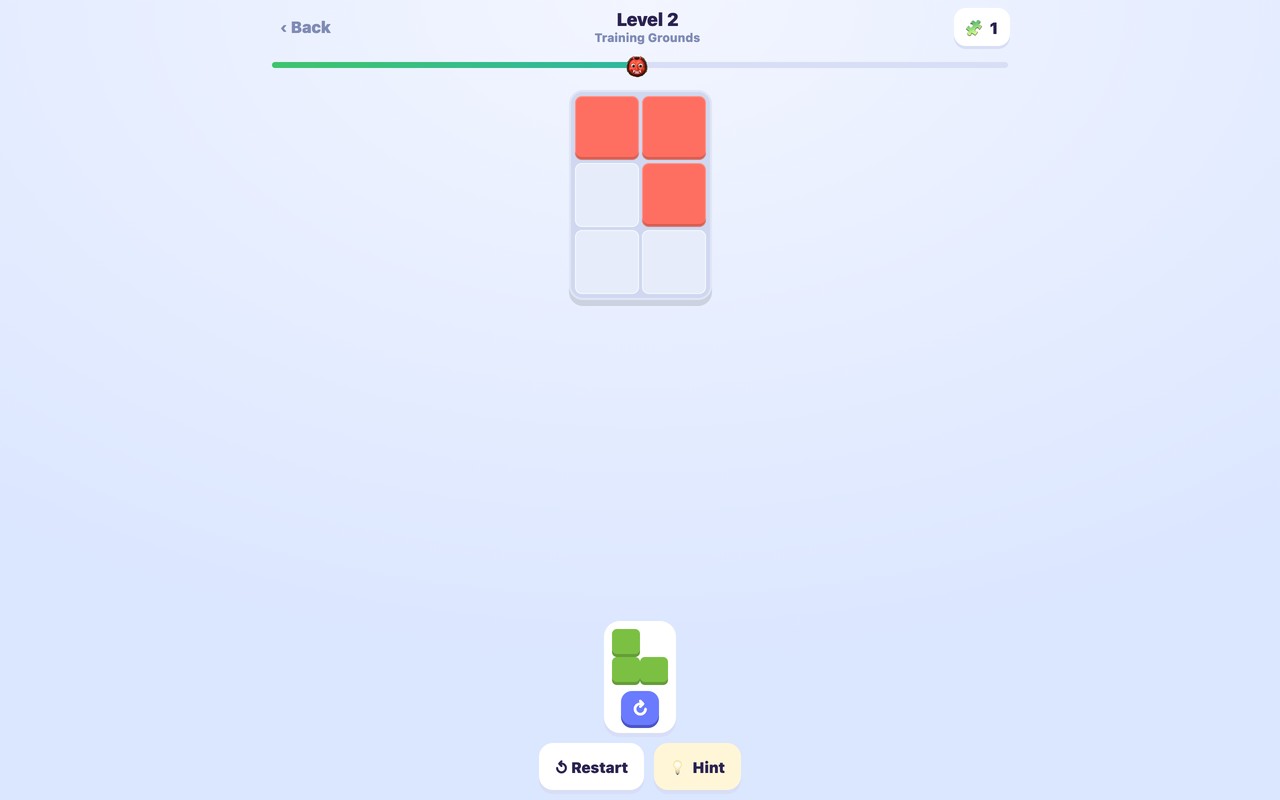 Pentomino Puzzles for Kids — Free Castle Keep 6+
Pentomino puzzle for kids, 500 levels: drag, rotate and fit the shapes to fill …
-
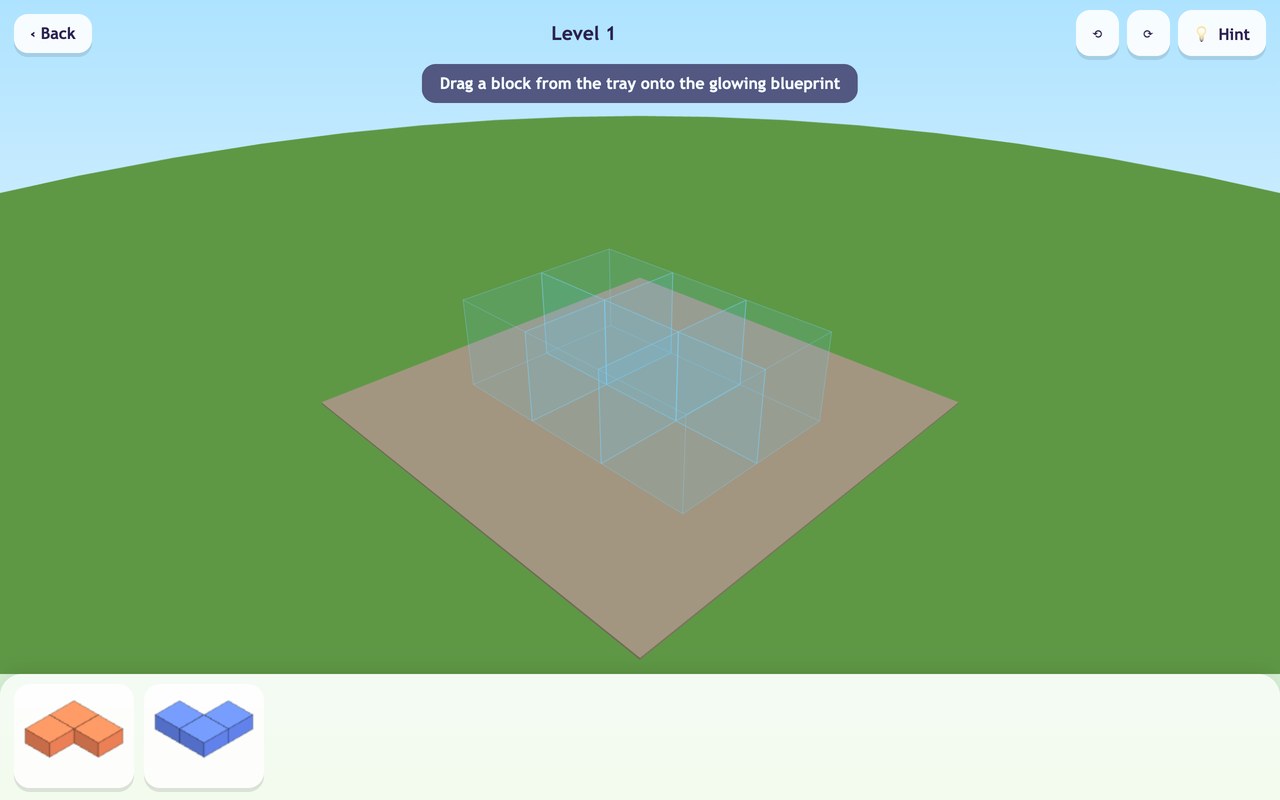 3D Block Puzzles for Kids — Free Castle Keep 3D 6+
3D block puzzles for kids aged 6+: rotate polycube blocks in your mind, fill …
-
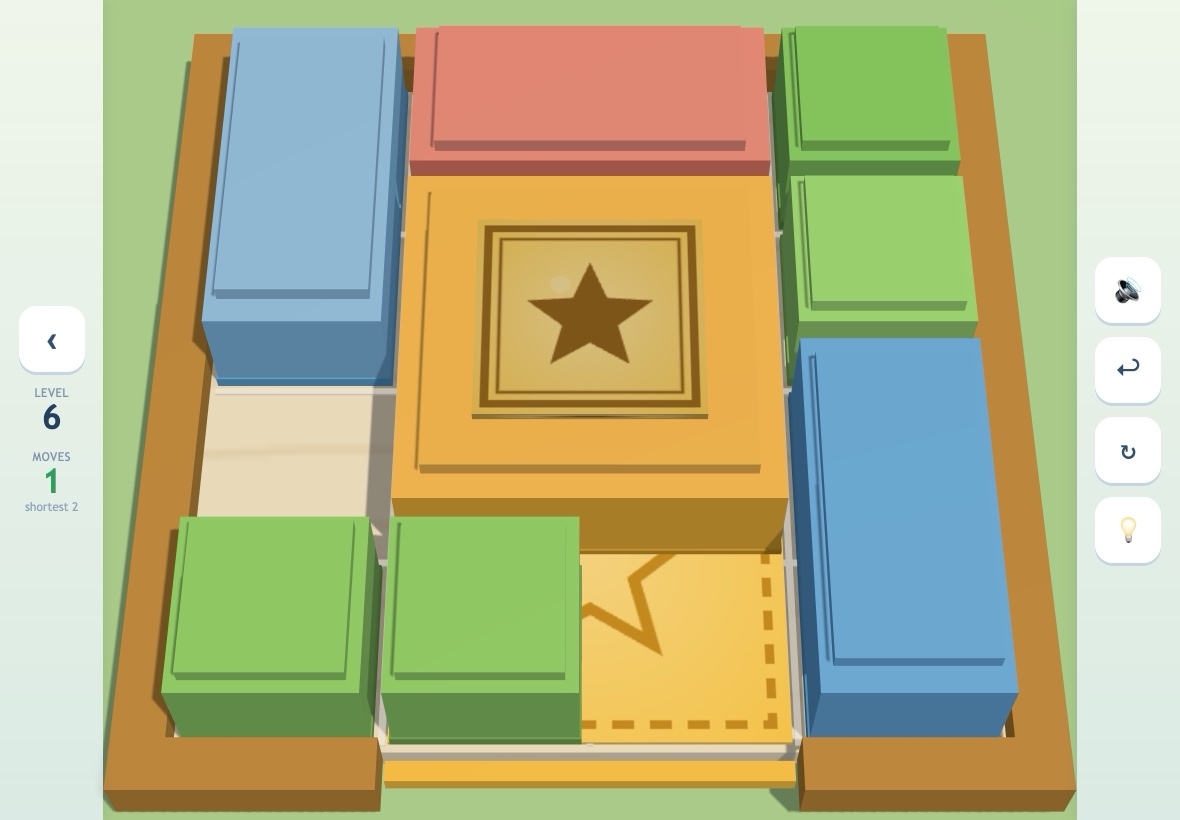 Sliding Puzzle Online — Klotski Blocks for Kids 5+
Play the classic sliding puzzle online free: slide wooden blocks to free the big …
-
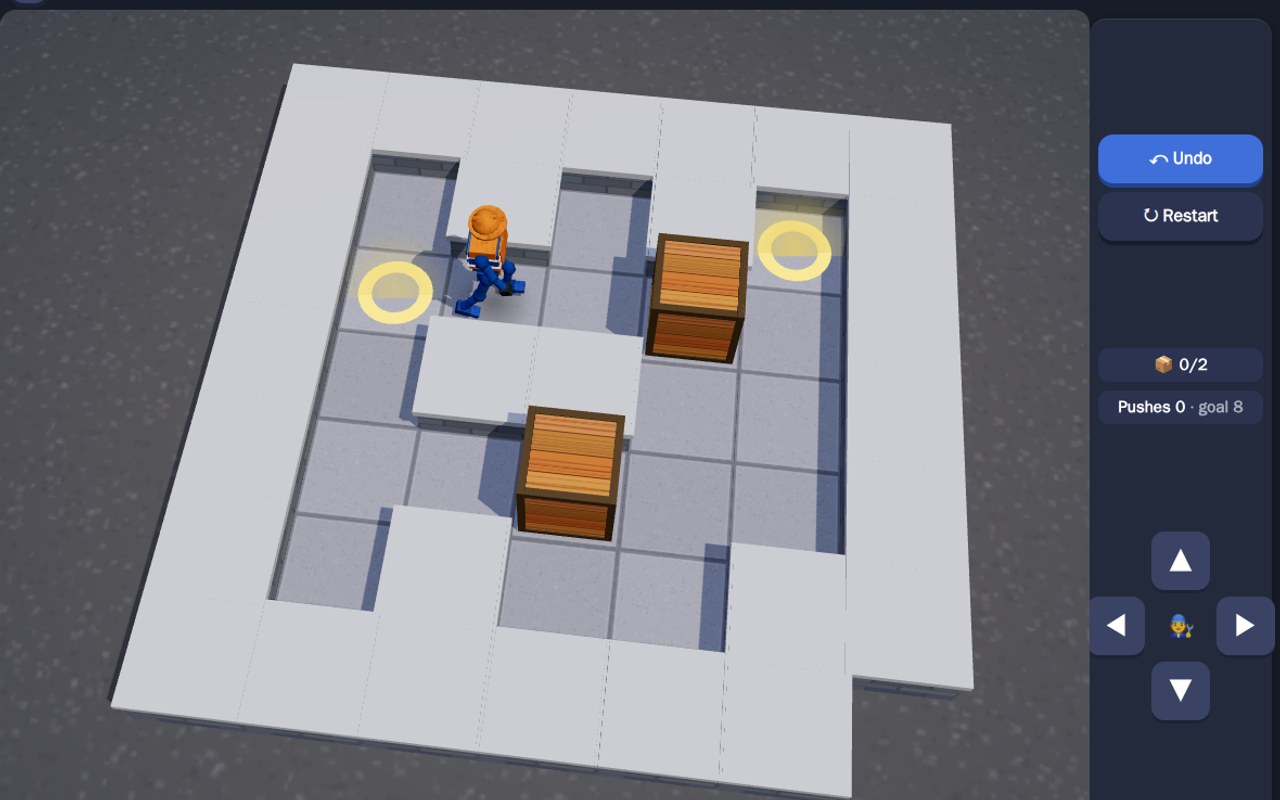 Sokoban Game Online — 3D Warehouse Puzzles 6+
Play the sokoban game online free: push every crate onto its glowing target in …
-
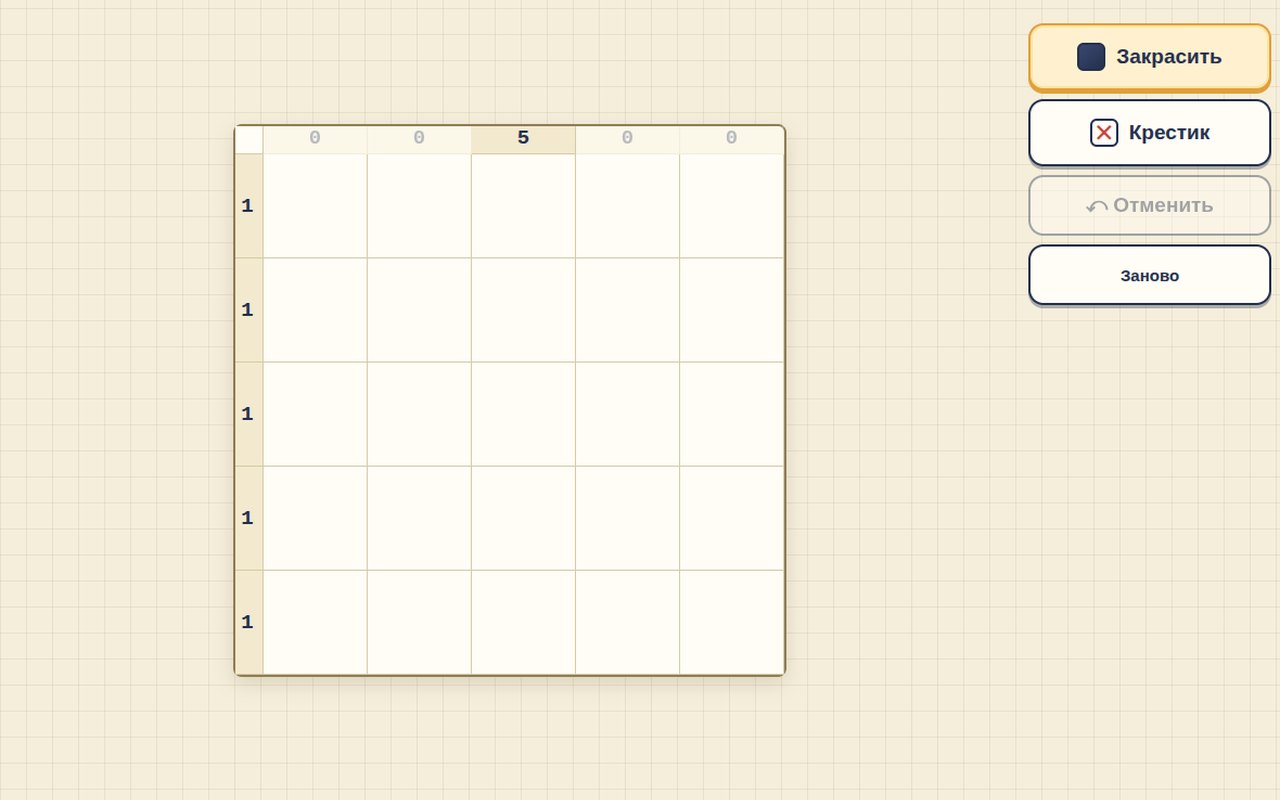 Picross Puzzles Online — Pixel Nonograms for Kids 6+
Play picross puzzles (nonograms) online free: use the numbers beside each row and column …
-
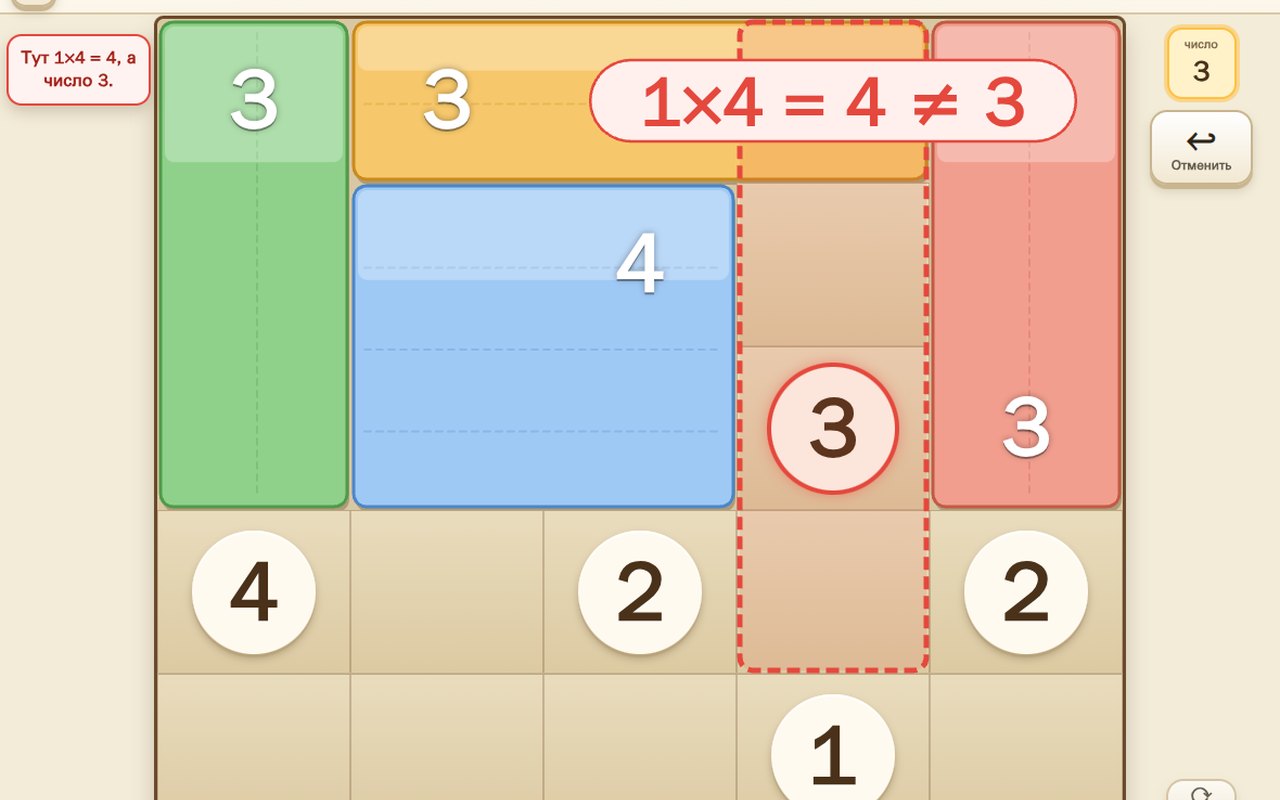 Shikaku Puzzles Online — Rectangle Fields 7+
Play shikaku online free: cut the field into rectangles so each holds exactly one …
-
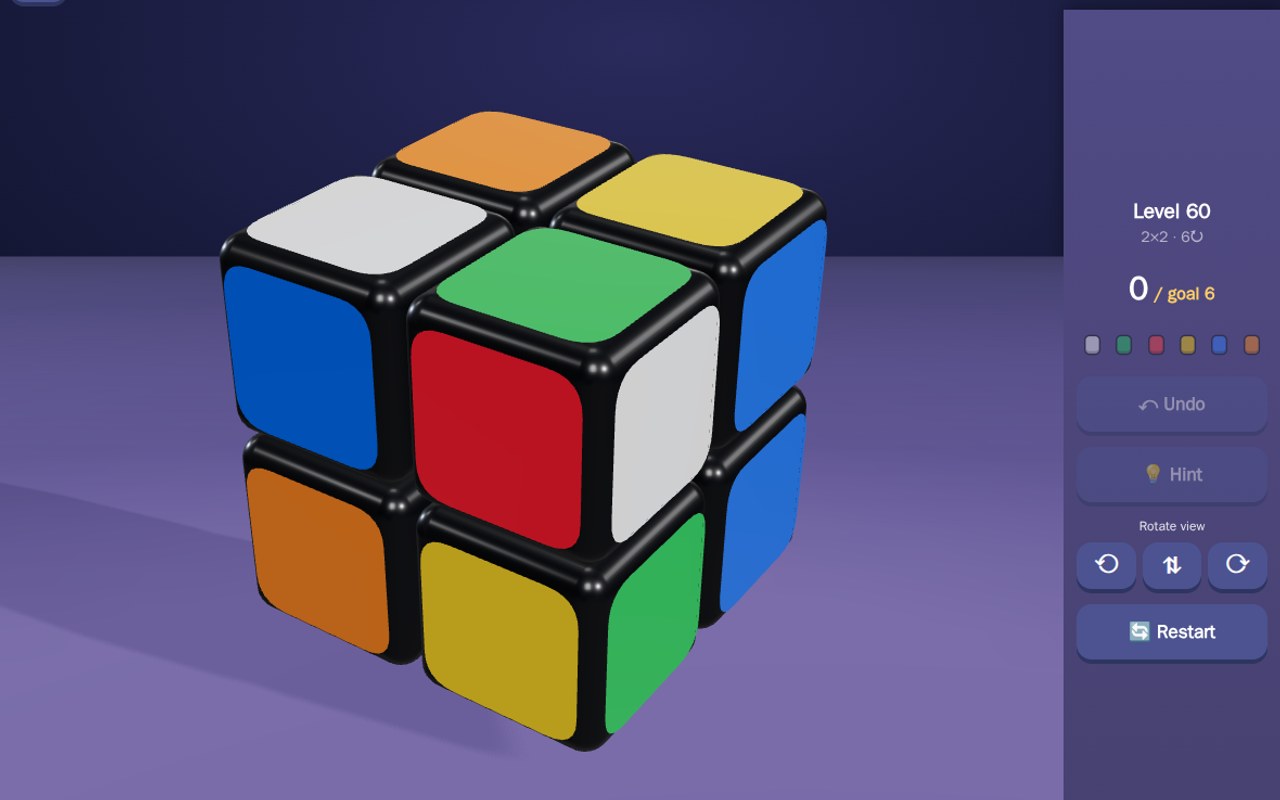 Rubik's Cube Online 3D — Cube 3D for Kids 6+
Play a Rubik's cube online free in 3D: a glossy 2×2 or 3×3 cube …
-
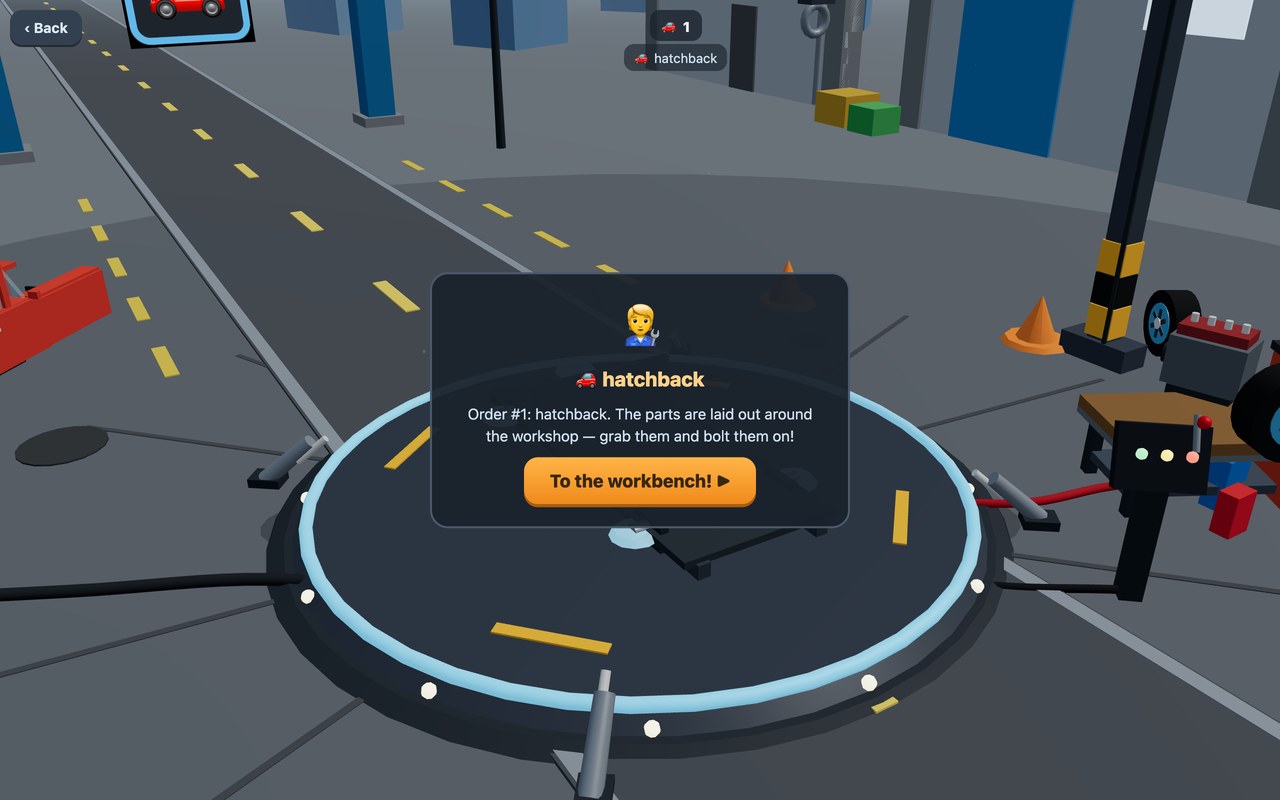 Car Building Games for Kids — Free Auto Factory 3D 5+
Car building games for kids: assemble 500 cars, trucks, planes and tanks part by …
-
 Rocket Games: Build and Launch Real Rockets 7+
Free rocket games for kids: build 24 real rockets — from the V-2 to …
Tangram puzzles have taught children to see shapes for over two centuries — and for good reason. Fitting seven simple pieces into a fox, a boat or a rocket trains the mind to rotate, flip and combine shapes, and research links exactly this kind of early puzzle play to stronger math and STEM outcomes later in school. Spatial reasoning is one of the best predictors of success in science and engineering — and unlike vocabulary or counting, it rarely gets practised in a typical school day.
From flat tangram to real 3D
We take the classic tangram for kids and push it further. In Tangram 3D, figures are volumetric: spheres, cones and blocks become a snowman or a rocket, and every piece must be turned around three axes before it fits — the kind of mental rotation flat puzzles simply can't train. In Castle Keep, a genuine pentomino puzzle in the Katamino style, your child covers a board with shapes exactly — no holes, no overlaps, no hints doing the thinking for them. And Castle Keep 3D turns block puzzle games into real construction: Soma-style building games for kids where 3D blocks fill a glowing blueprint, tower by tower.
Why these 3D puzzle games matter
Spatial reasoning games ask a child to picture an object, turn it in the mind and predict how it fits — the same thinking behind geometry, maps, engineering diagrams and even handwriting. Puzzle play in kindergarten and the early grades builds it naturally.
Free, ad-free, made for K–2 and up
Every puzzle here is free, ad-free and playable right in the browser — easiest on a tablet, where small hands can drag and rotate pieces directly.
Fitting shapes is mathematics
Rotating a piece in your head before you move it is called mental rotation, and it is one of the few early skills with a strong, repeatedly measured link to later achievement in mathematics. It also happens to be trainable, which is not true of everything that correlates. That is the case for this page in one sentence: shape puzzles are not a break from math, they are a component of it.
The classic seven pieces, and their relatives
A tangram gives you seven pieces and a silhouette to fill, with no gaps and no overlaps. Pentominoes do the same job with twelve awkward shapes; sliding-block puzzles add the constraint that pieces cannot be lifted; nonograms hide the picture behind numbers. Different constraints, same underlying question: what goes where, and how do I know.
Flat and solid
Working in three dimensions is a genuinely different skill from working in two, and children are often much better at one than the other. The 3D building and cube games here exist so that a child who finds flat silhouettes frustrating has another door in — and so that one who breezes through tangrams meets something that resists.
Let the hands do it
Younger children solve these by moving pieces and looking; older ones increasingly solve them by looking first and moving once. Both are fine, and the transition happens on its own. What does not help is an adult saying "try turning it" — the turning is the exercise.
Ages and difficulty
Simple silhouettes work from about five, pentominoes and sliding blocks from six, and the deduction grids from seven. If a child stalls, reduce the number of pieces rather than changing the puzzle: the same shape with four pieces is a different problem, not an easier version of the same one. See also logic games, geometry games.
The science behind the games
Every Dad4Kids game is built on one simple truth: children want to play, not study — so we turn learning into a game worth replaying. The method draws on peer-reviewed research in game-based learning, motivation, and how memory works.
- Tokac et al. (2019). Effects of game-based learning on students' mathematics achievement: A meta-analysis. Journal of Computer Assisted Learning.
- Alotaibi (2024). Game-based learning in early childhood education: a systematic review and meta-analysis. Frontiers in Psychology.
- Lampropoulos & Sidiropoulos (2024). Impact of gamification on students' learning outcomes and academic performance: a meta-analysis. Education Sciences.
- Taylor & Boyer (2019). Play-based learning: evidence-based research to improve children's learning experiences. Early Childhood Education Journal.
- Gottfried (1990). Academic intrinsic motivation in young elementary school children. Journal of Educational Psychology.
- Yang et al. (2018). Enhancing learning and retrieval of new information: a review of the forward testing effect. npj Science of Learning.
FAQ
What is a tangram?
A classic Chinese puzzle of seven flat pieces — five triangles, a square and a parallelogram — that combine into hundreds of figures. It's one of the oldest and best-loved shape puzzles for children.
What do tangram and block puzzles teach kids?
Spatial reasoning: recognizing shapes, rotating them mentally, seeing part-whole relationships and planning ahead. Early spatial skills are a strong predictor of later success in math and STEM.
What age are these puzzles for?
From about age 5 for Tangram 3D, and 6+ for the pentomino and 3D block puzzles. Early levels are simple and teach the controls; difficulty grows gradually.
What's the difference between pentomino and tangram?
A tangram builds a picture from seven fixed pieces; a pentomino puzzle covers a board exactly with 5-square shapes, more like a spatial jigsaw. Both train mental rotation — we have both.
Are the games free?
Yes — free, no ads, no download. They play in the browser and work best on a tablet.
By Evgeny Arsentiev, PhD · Last updated: September 2026