100 Easy Spanish Words for Kids (with a Free Game)
Which words, and in what order
Not the alphabet, and not colours-then-numbers-then-animals because that is how the textbook is arranged. The words worth having first are the ones a child would use today: food, family, the body, school things, and a handful of verbs — quiero, tengo, voy, puedo. Sixty words of that kind produce more real sentences than three hundred nouns from unrelated categories.
Picture in, not English in
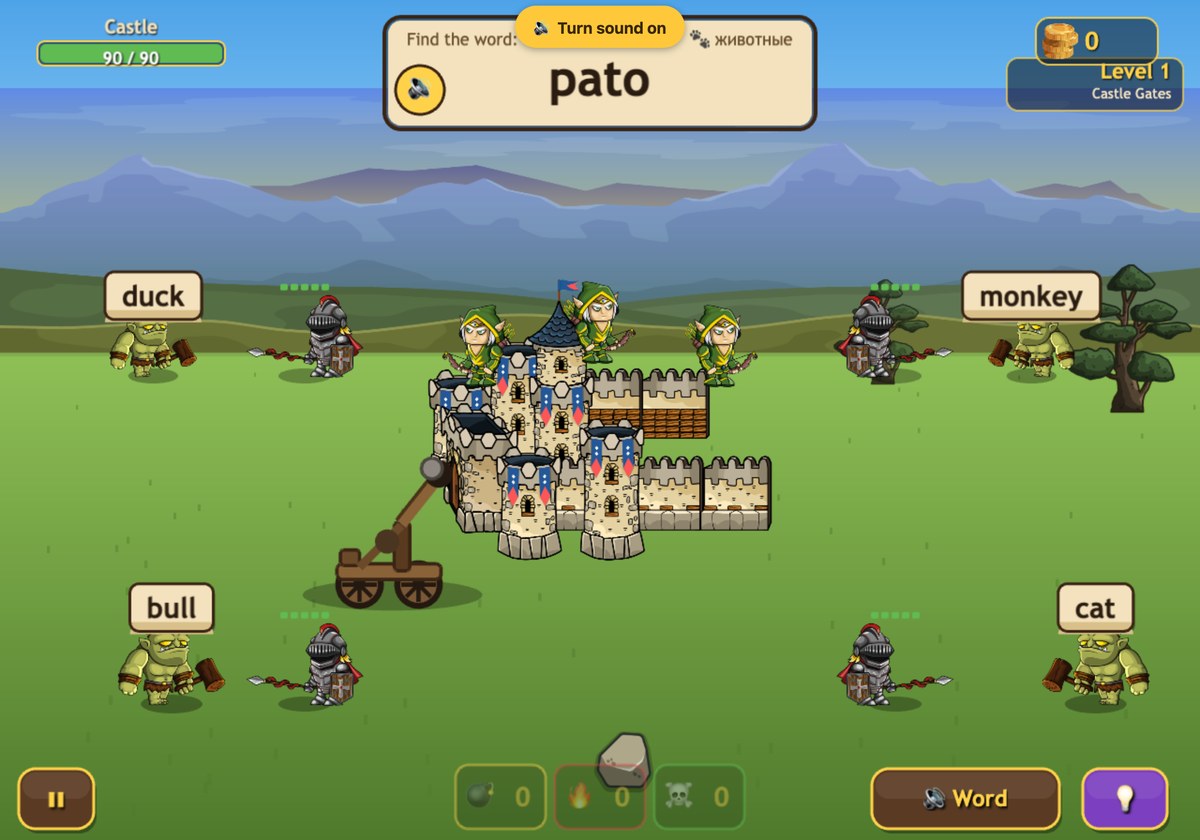
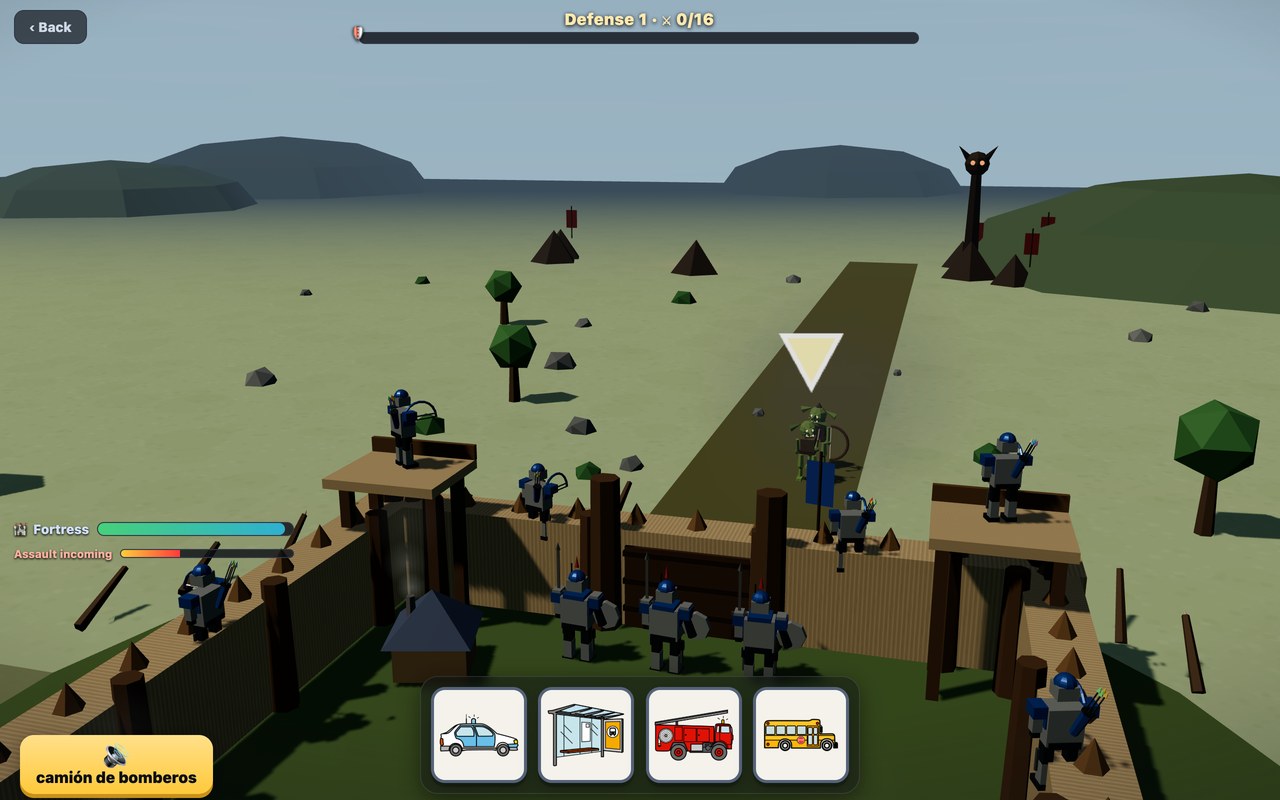
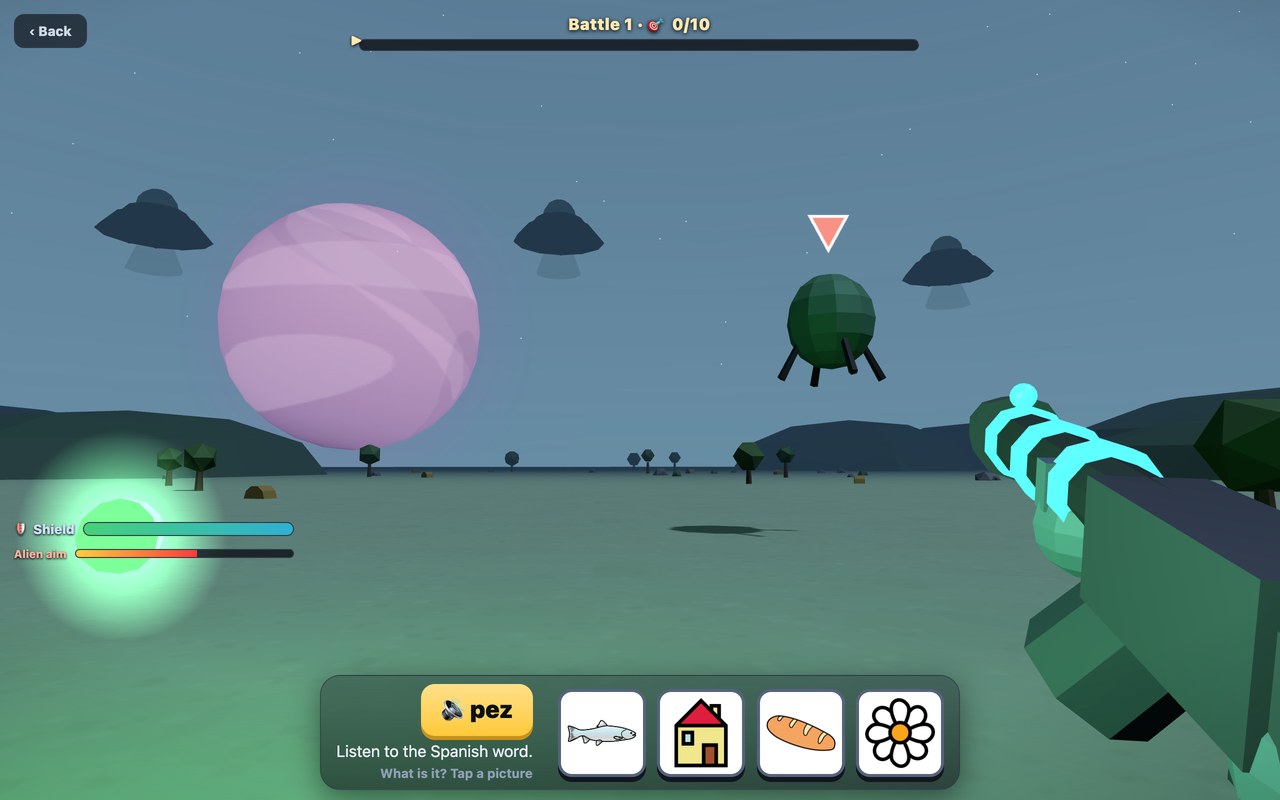
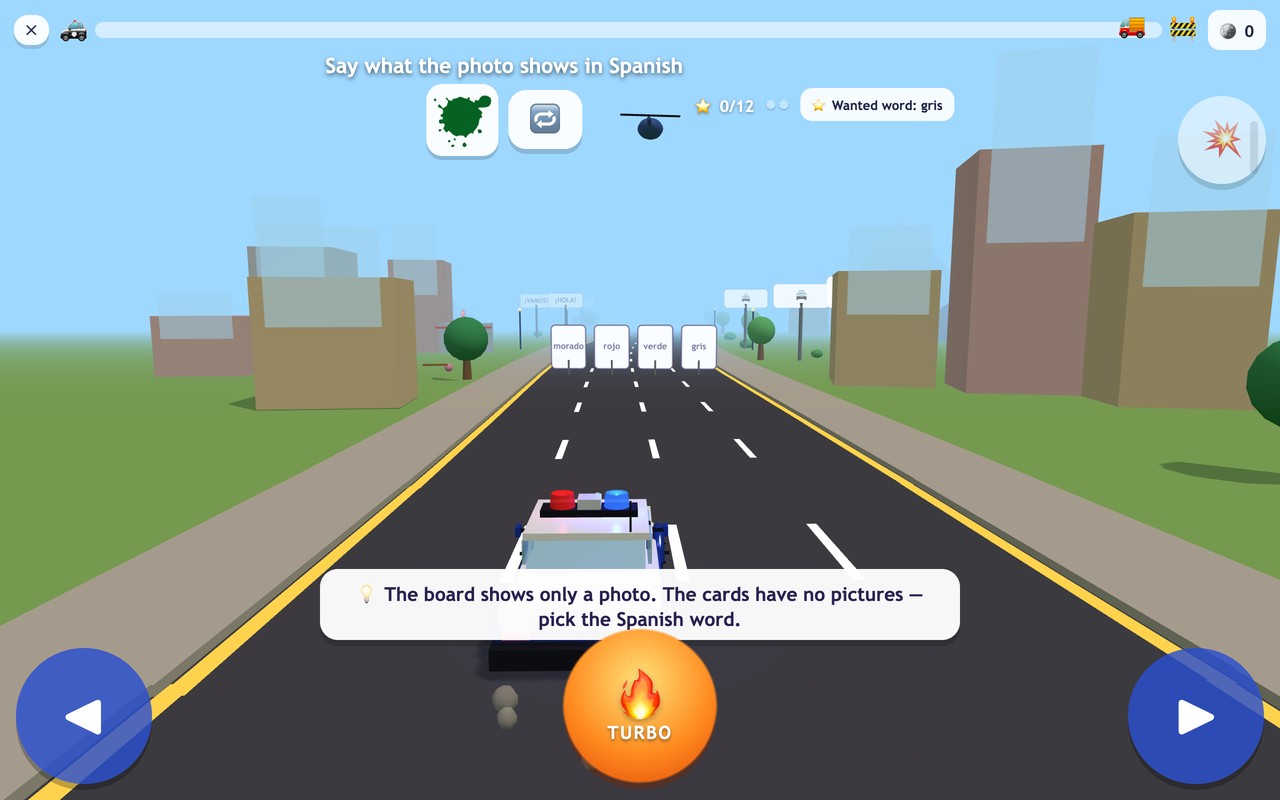
Every word in these games is shown as an image and heard as a sound before it is ever paired with its English equivalent. The reason is practical: a child who stores perro = "dog" has to make two hops to use it and will hesitate; a child who stores perro = the animal itself does not. Translation is a useful check, but it is a poor way in.
Spacing does the work
A word met once is gone by the weekend. A word met today, tomorrow, in four days and in two weeks is usually permanent. The games handle this quietly by bringing recent words back at widening intervals, which is why short frequent sessions beat long rare ones by a wide margin here.
Gender, and how much to worry about it
El and la confuse adults far more than children, provided the article is learned as part of the word rather than as a rule applied afterwards. Say la casa, never casa on its own, and the problem mostly disappears on its own.
Saying it out loud
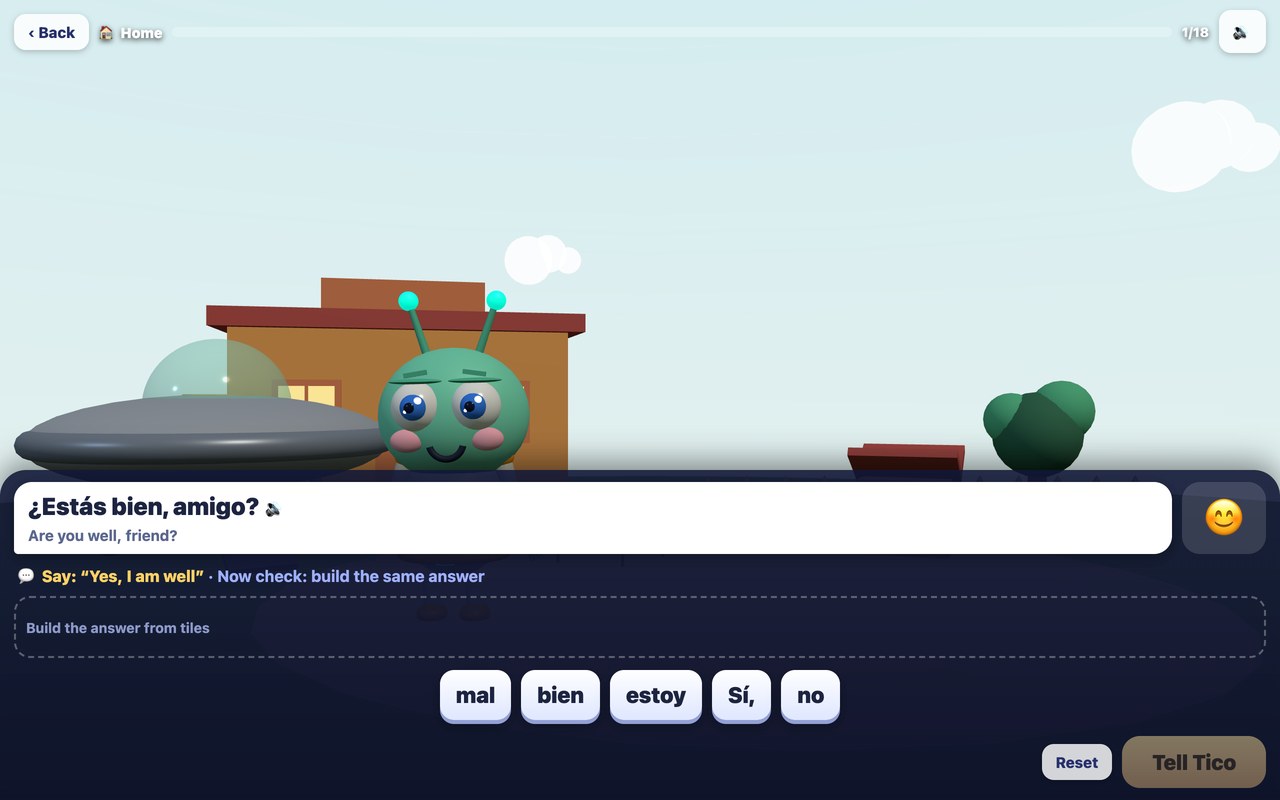
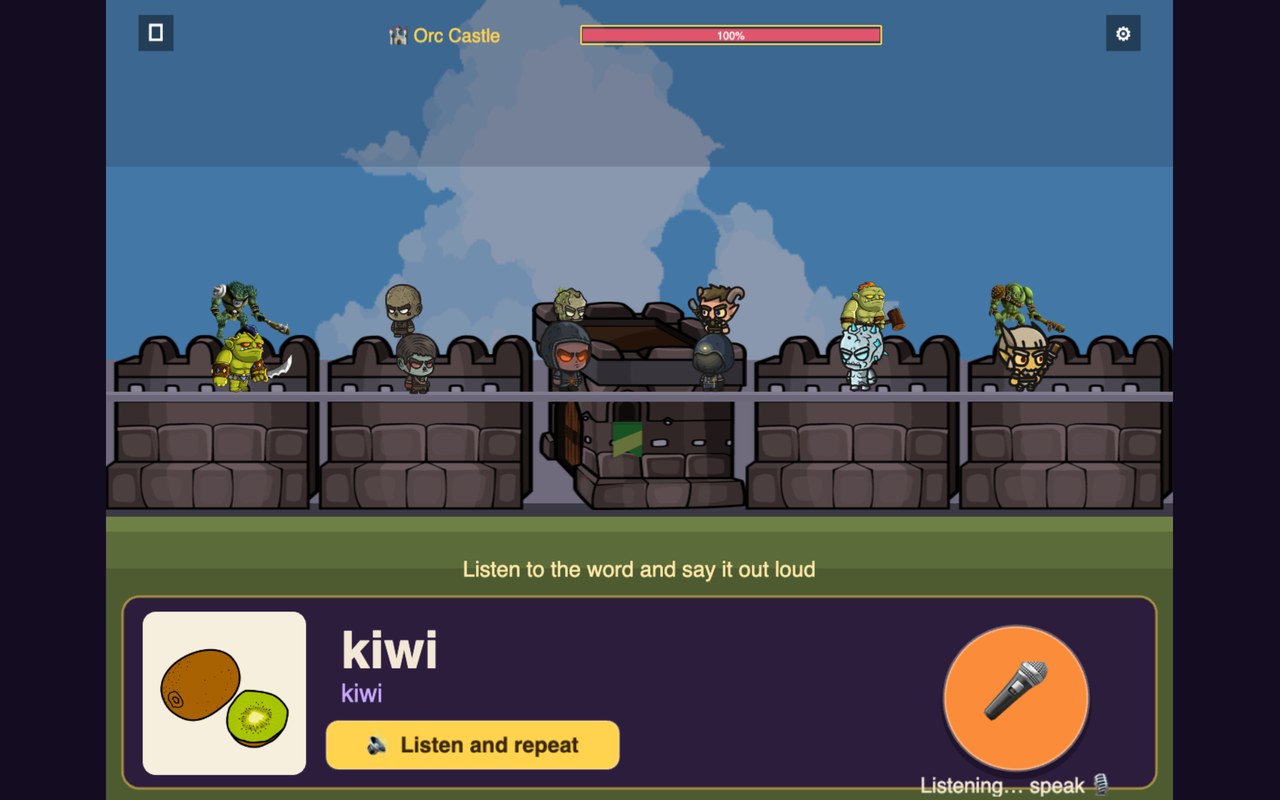
Vocabulary that is only ever clicked stays passive. Ask your child to say the word back before they answer — even alone in the room, even badly. That single habit turns a recognition game into a speaking one. Next: Spanish for kids, learn to read Spanish, games for 5 year olds.