Phonics Games for Kids — Free Learn-to-Read
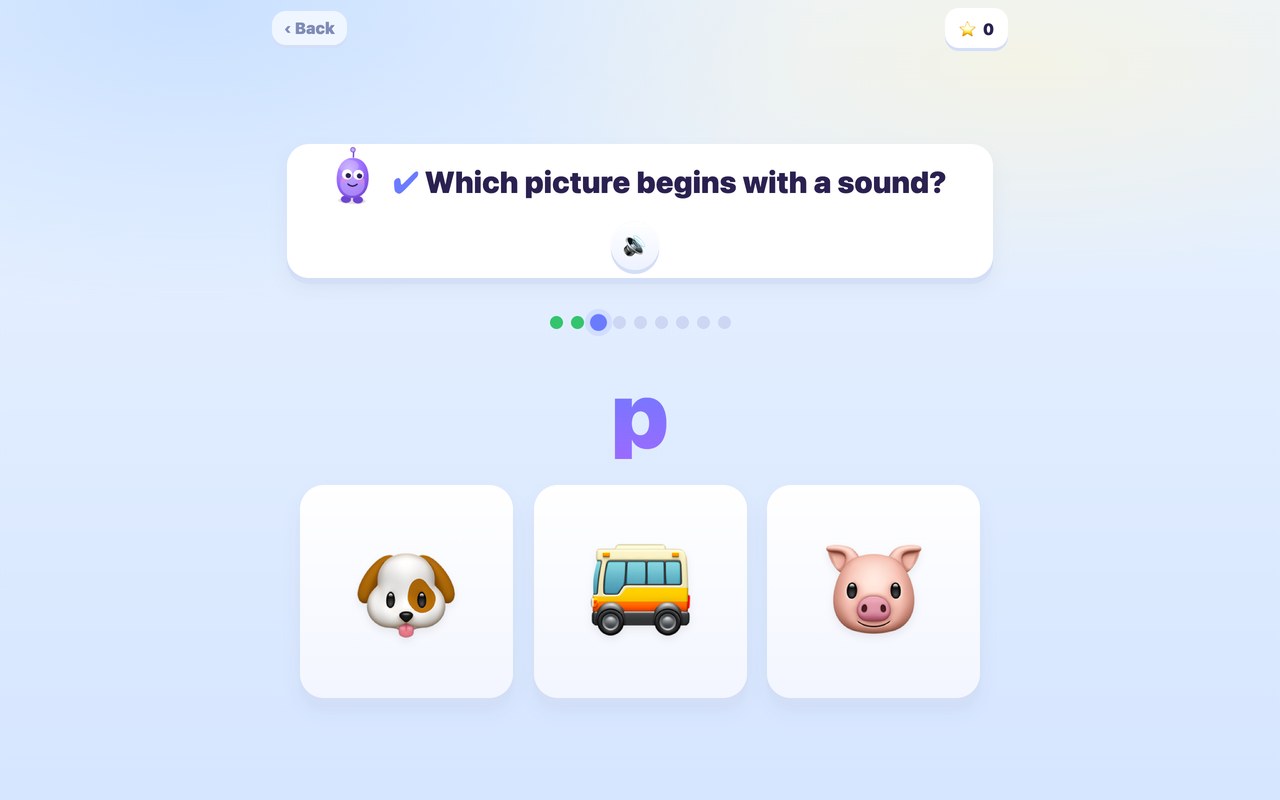
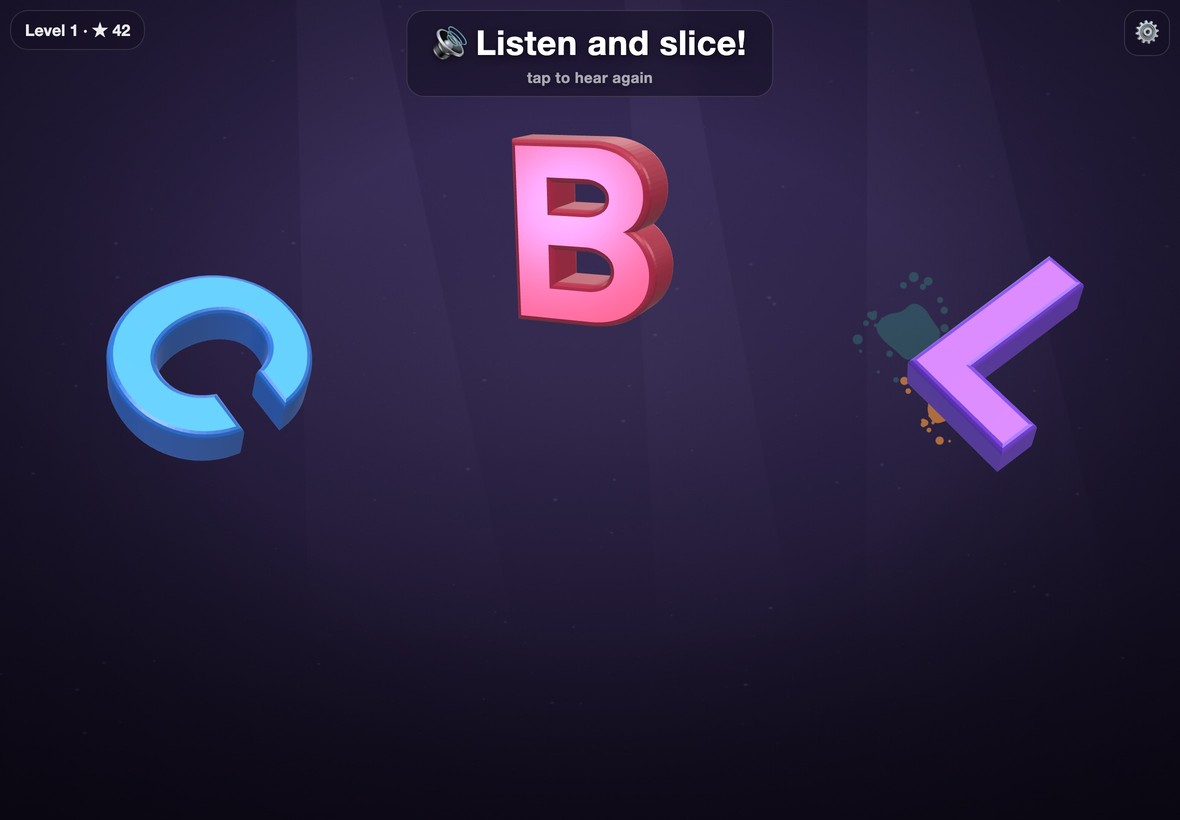
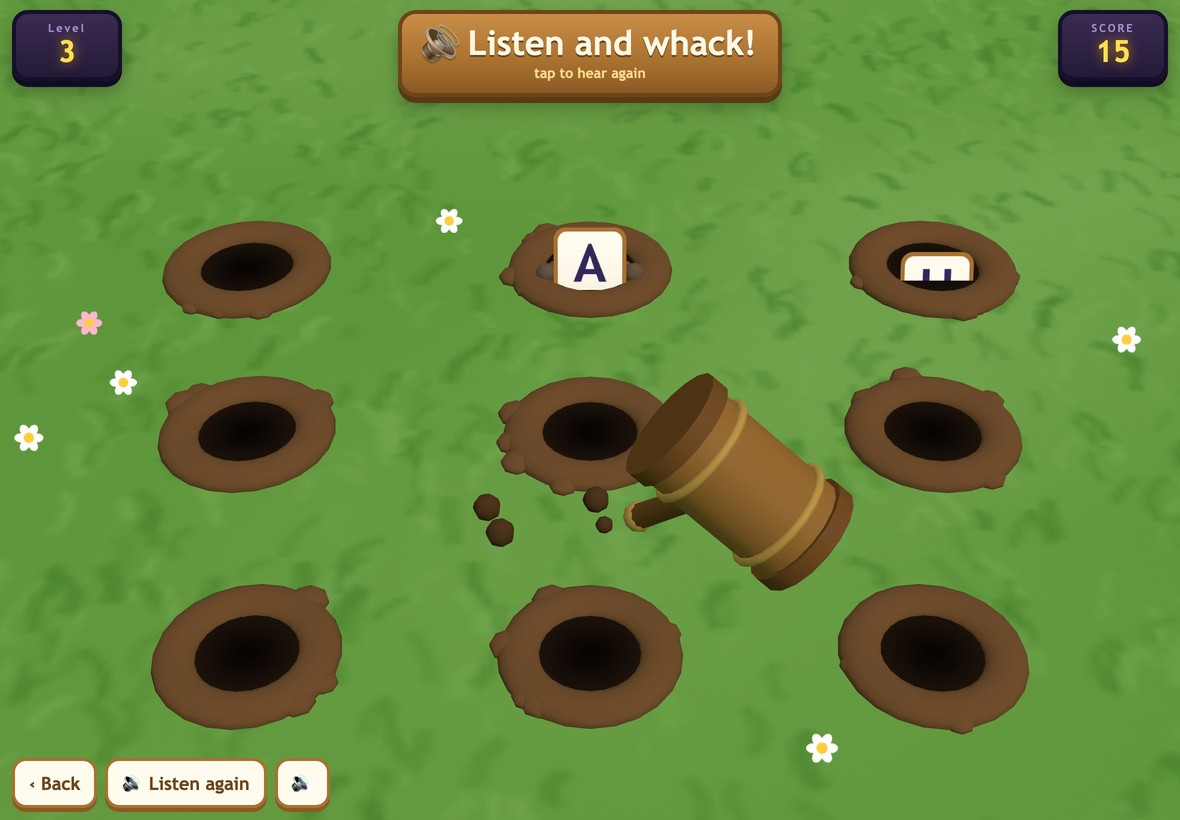
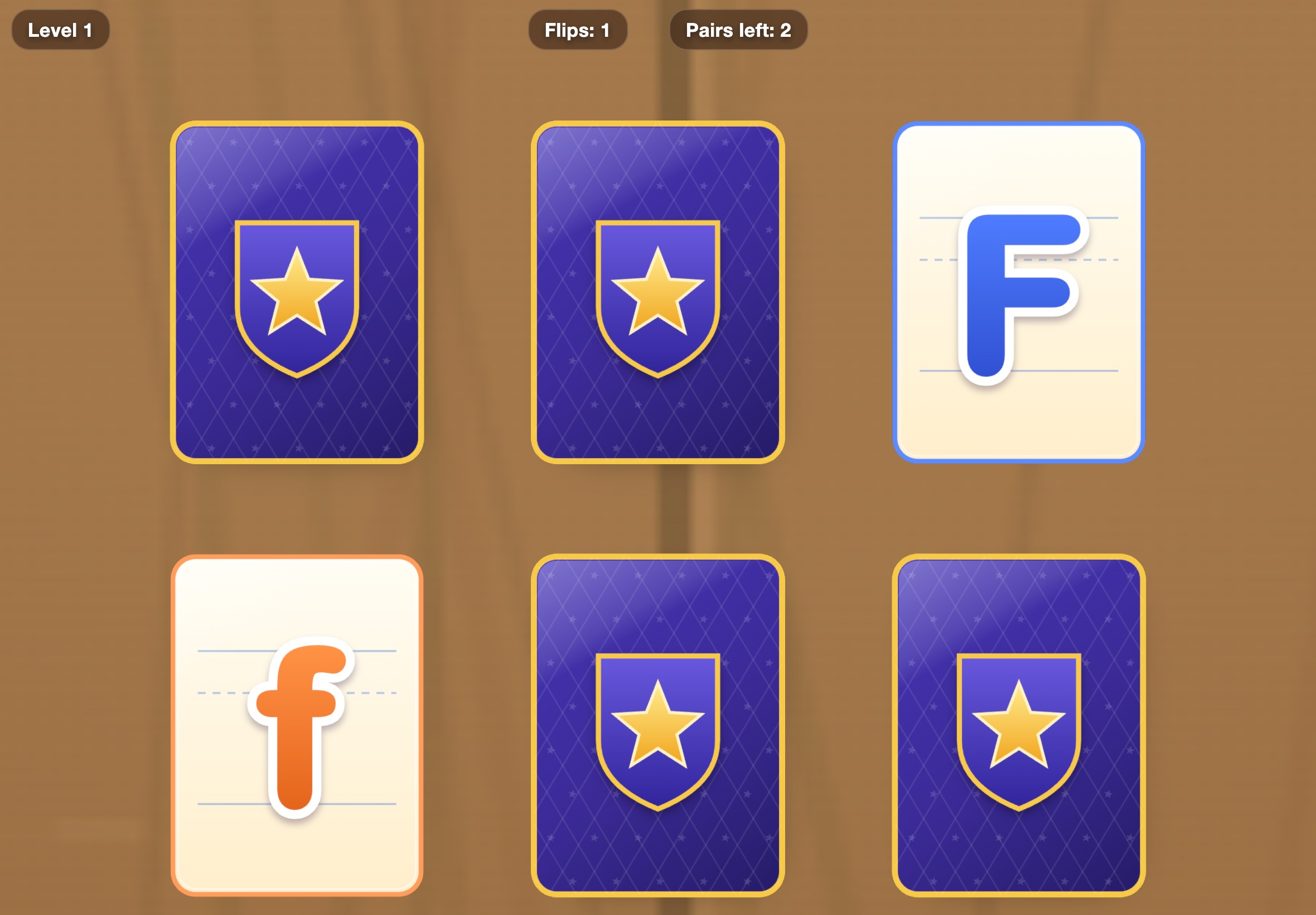
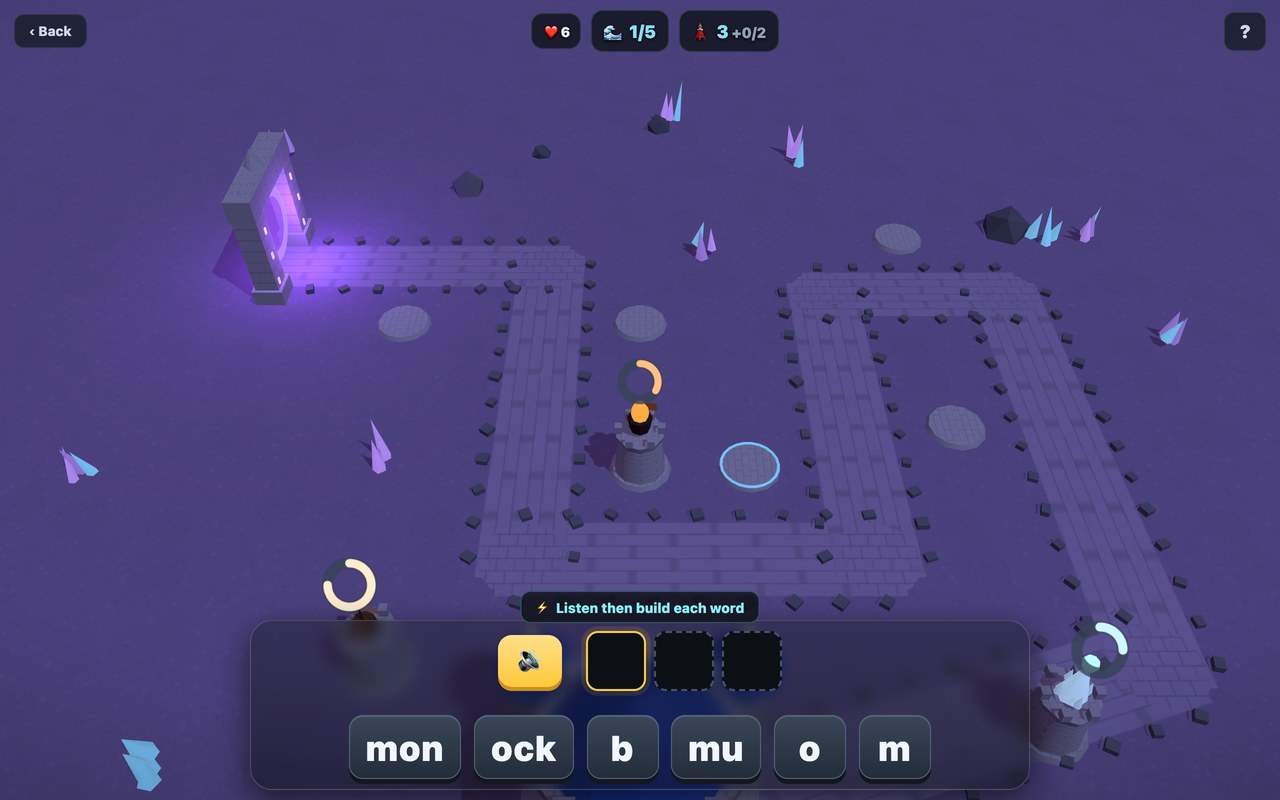
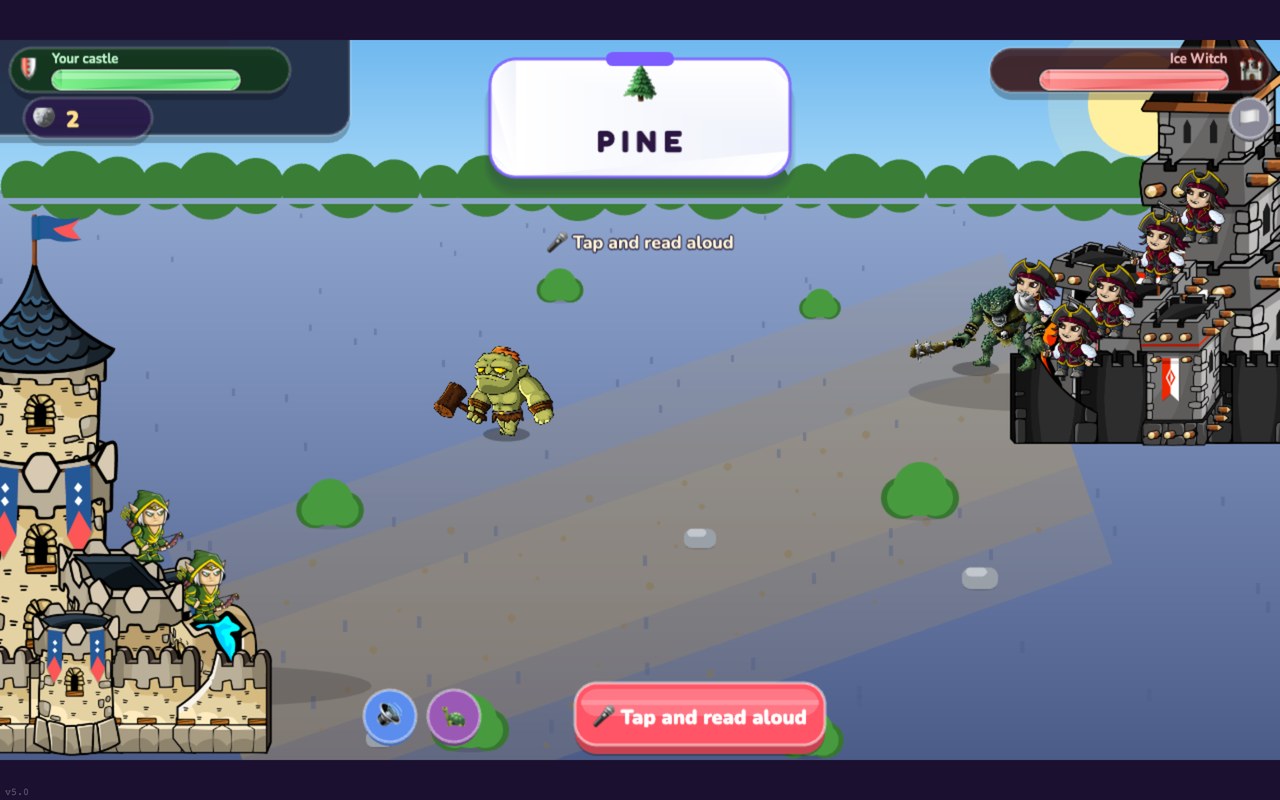
Phonics games turn the hardest part of learning to read — connecting letters to sounds and blending them into words — into something a child actually asks to do. Instead of flashcards and worksheets, our learn to read games make every sound a small win: match the letter, build the word, open the chest.
Real phonics, the way schools teach it
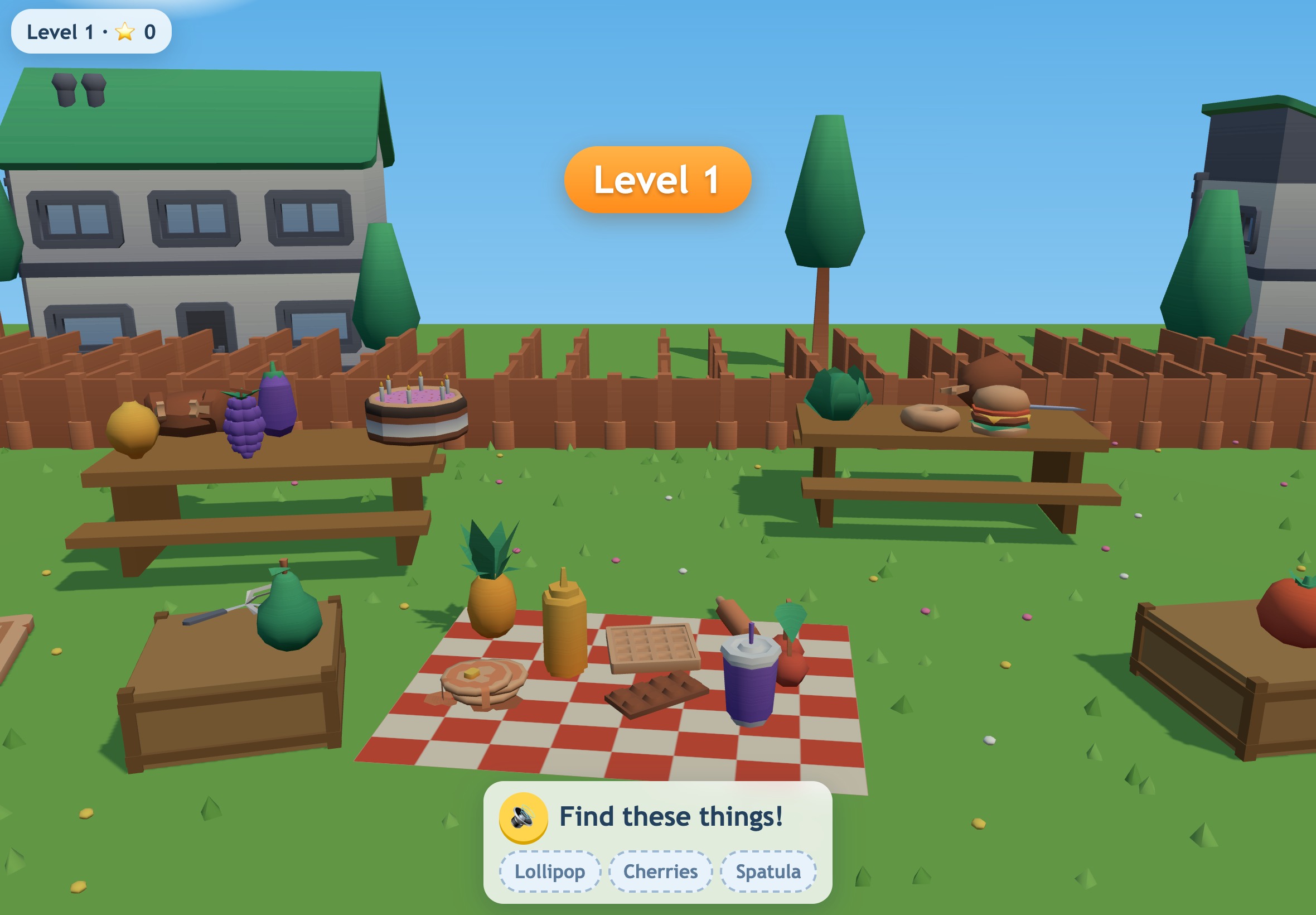
Our flagship reading game, Reading Buddy, follows systematic synthetic phonics — the same evidence-based approach used in kindergarten and early grade-school classrooms across the US. Letters are introduced in the standard teaching order (s, a, t, p, i, n…), then your child blends sounds into words, sounds words out, and learns the tricky non-decodable words by sight. Sight words games are built right into the adventure: tricky words live in treasure chests your child collects along the way.
An adventure, not a drill
Your child creates a little critter and teaches it to read, travelling across islands and villages. Every sound and word is spoken aloud, and whatever your child finds hard comes back gently until it sticks. Coins unlock fun outfits, so the motivation to read one more word never runs out.
Made for ages 4–7
These phonics games for kids suit pre-K through 1st grade: complete beginners start with single letter sounds, while developing readers work on blending, spelling and reading short sentences for meaning. Free, ad-free, right in the browser.
Sounds, not letter names
A child who has been taught "see-ay-tee" cannot get to cat, because the names of the letters are not in the word. The first thing every game here does is give the letter its sound — /k/, /a/, /t/ — and keep the names out of the way until much later. If your child says the names, this is the single highest-value correction you can make this month.
The order sounds should arrive in
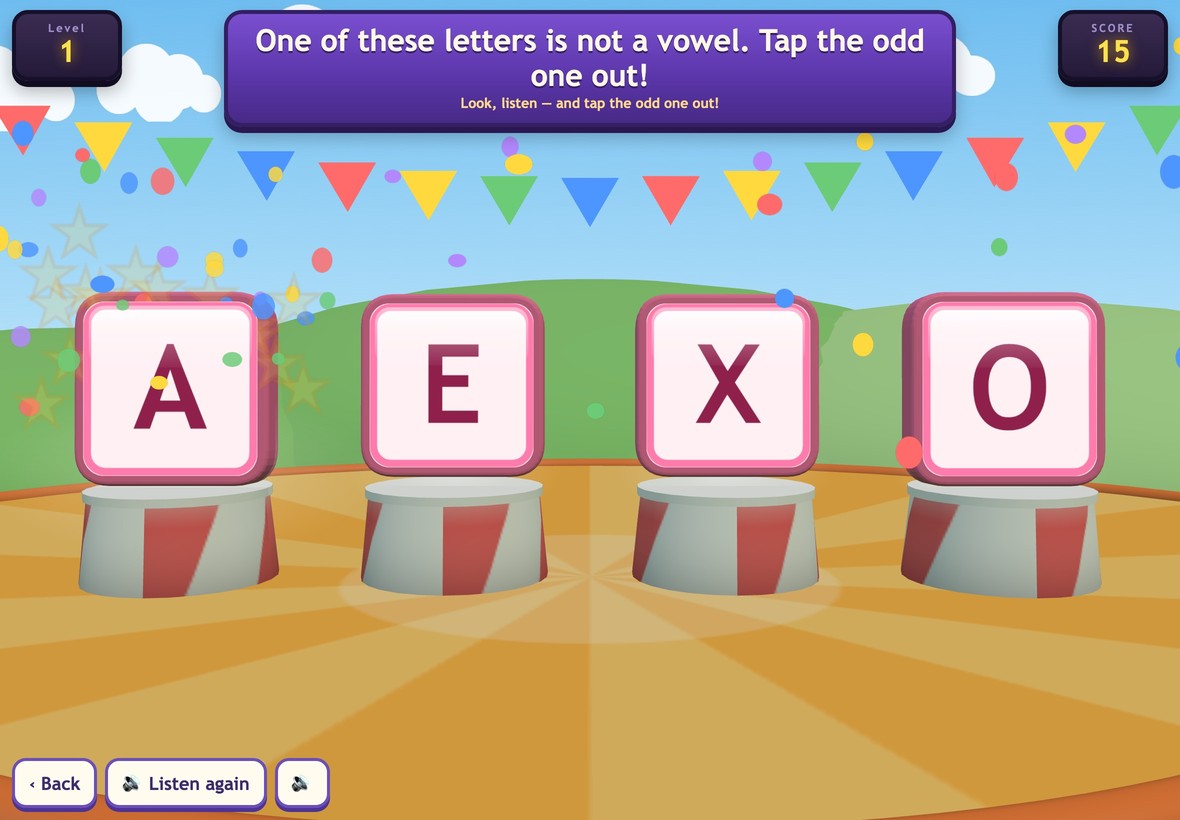
Not alphabetical. The useful first set is s, a, t, p, i, n, because those six letters already spell dozens of real words, and a child who can build sat, tap, pin and nip on day three has proof that the system works. Vowels come early for the same reason: without one, no word can be made at all.
Blending is a separate skill
Knowing /k/, /a/ and /t/ does not automatically produce cat. Holding three sounds in order and pushing them together is its own trick, and some children need weeks on it. The way to help is to stretch rather than chop — "caaaat", not "c-a-t" with pauses, because the pauses are what the child then cannot close.
Which words are honest
Early practice should use words a child can actually decode with the sounds they have. Throwing in the, was or said at this stage teaches the child that sounding out does not really work, which is the opposite of the lesson. Those words are handled separately on the sight words page.
Ten minutes, and stop
Phonics is fatiguing in a way that quiet reading is not — the child is doing effortful conversion the whole time. Short sessions, ending before the frustration, keep the association with letters positive, and at four or five that association is most of the battle. Continue with blending words or the full reading games section.