Sight Words Games for Kids — Free Practice
Sight words — the high-frequency words like the, said, come — make up over half of everything a young reader meets. Recognizing them instantly is what turns slow sounding-out into real reading. Sight words games get kids there without worksheets.
How our reading game practices sight words
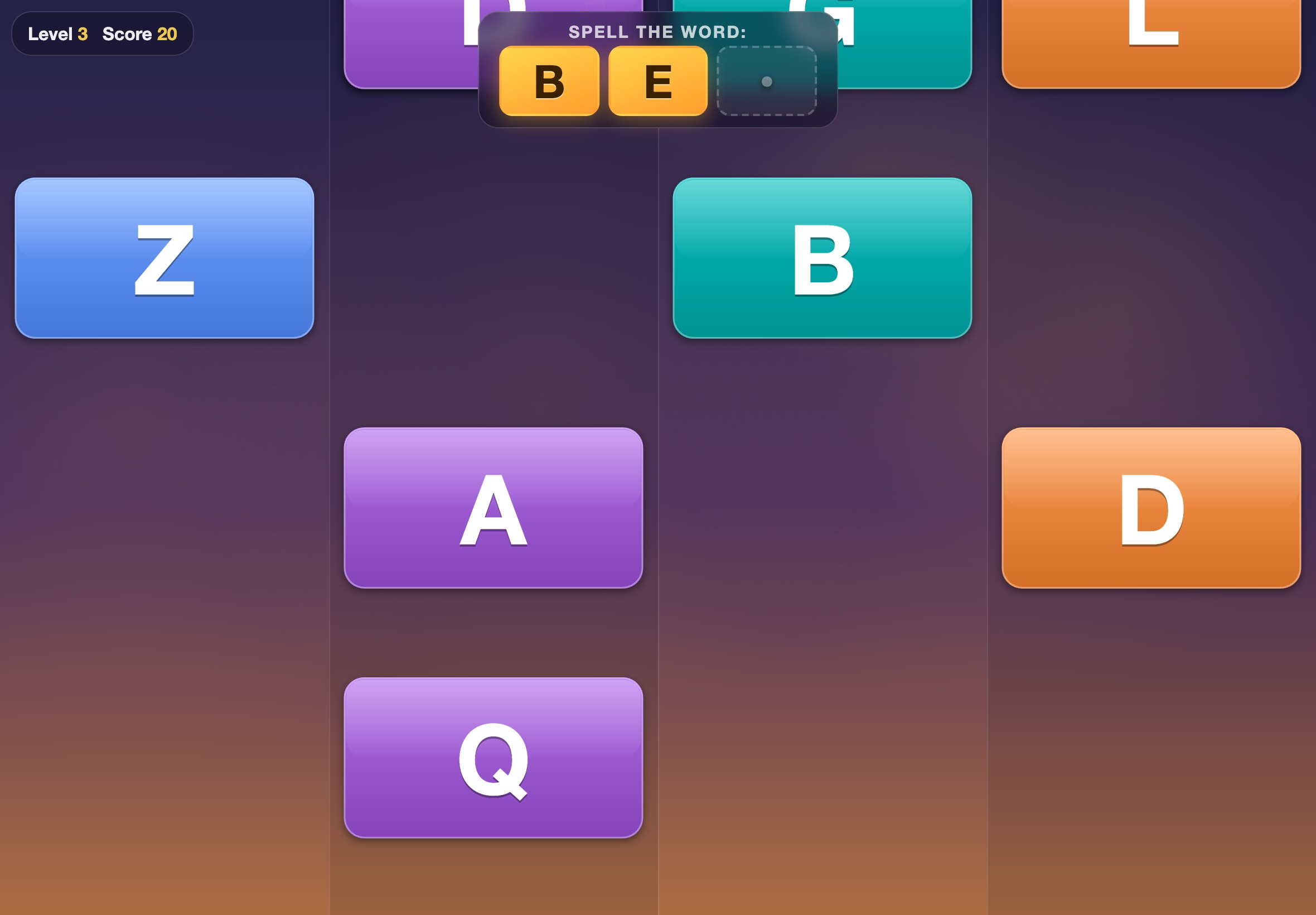
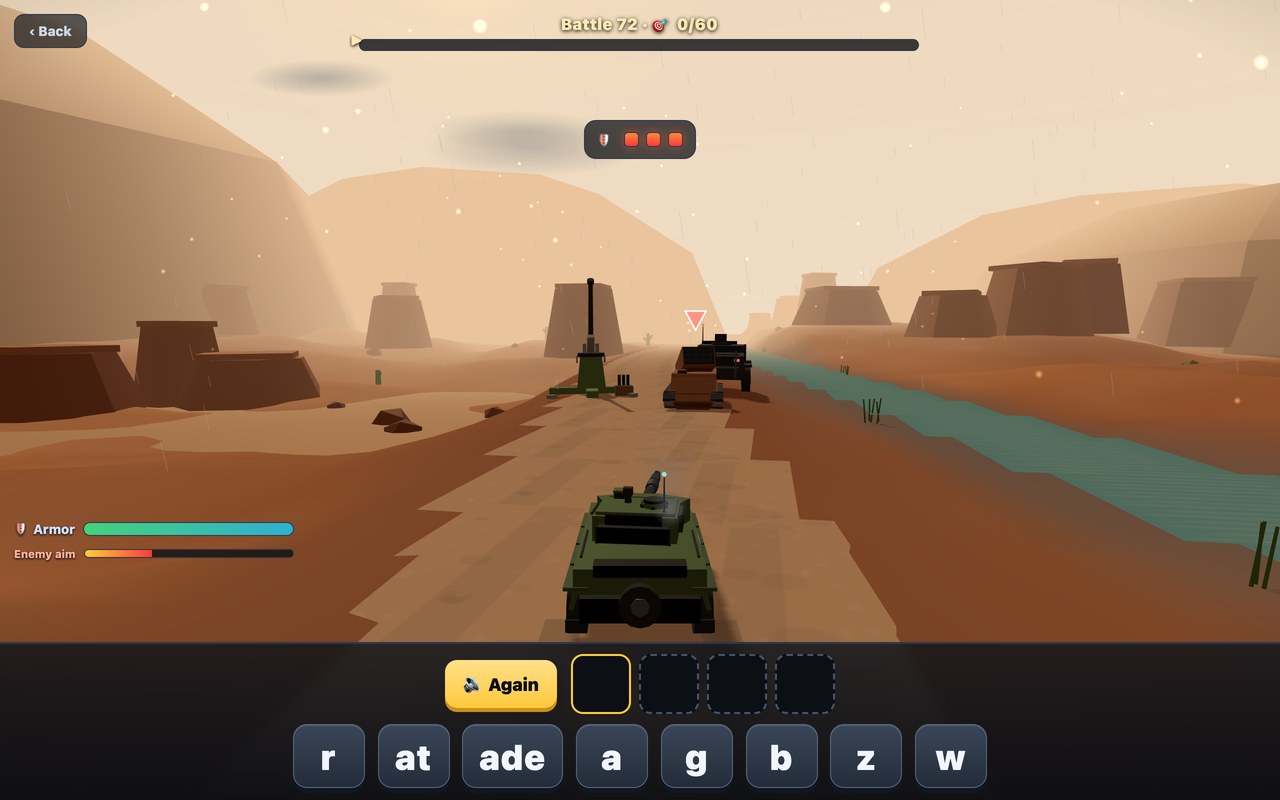
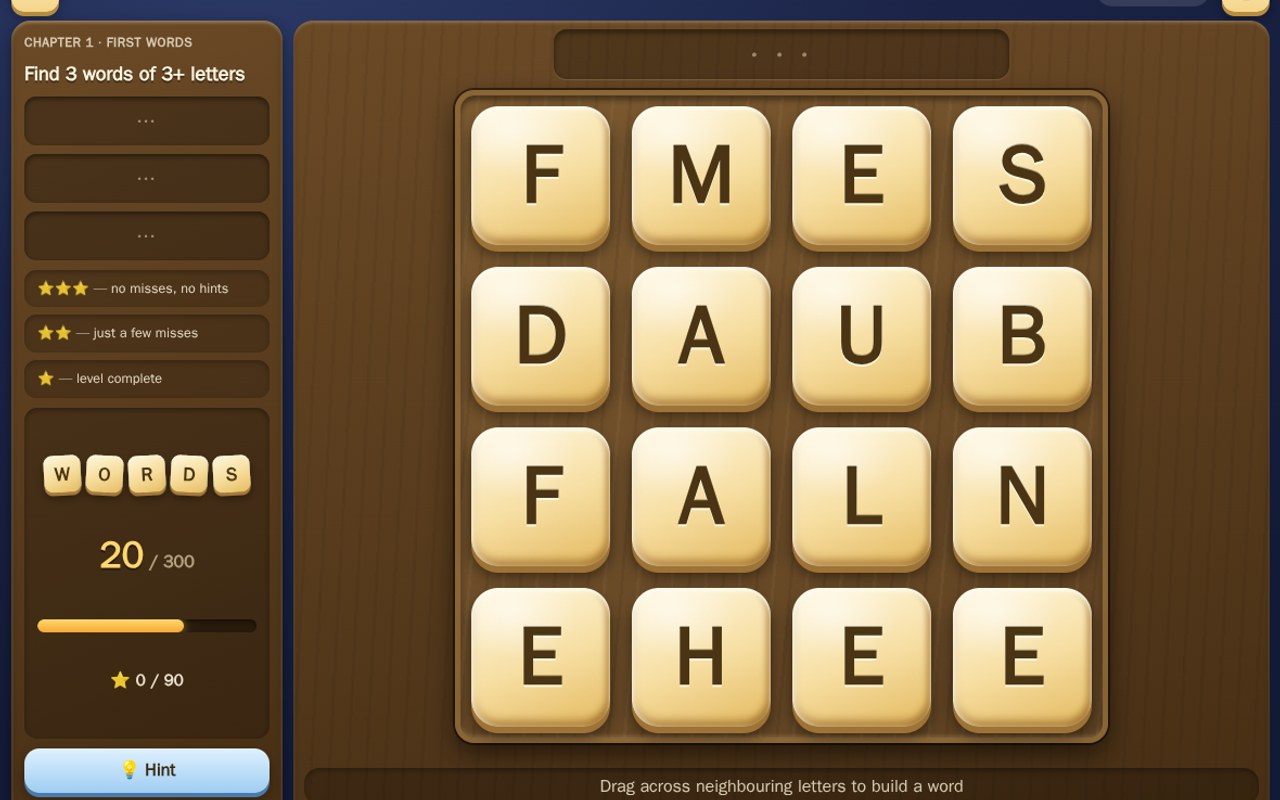
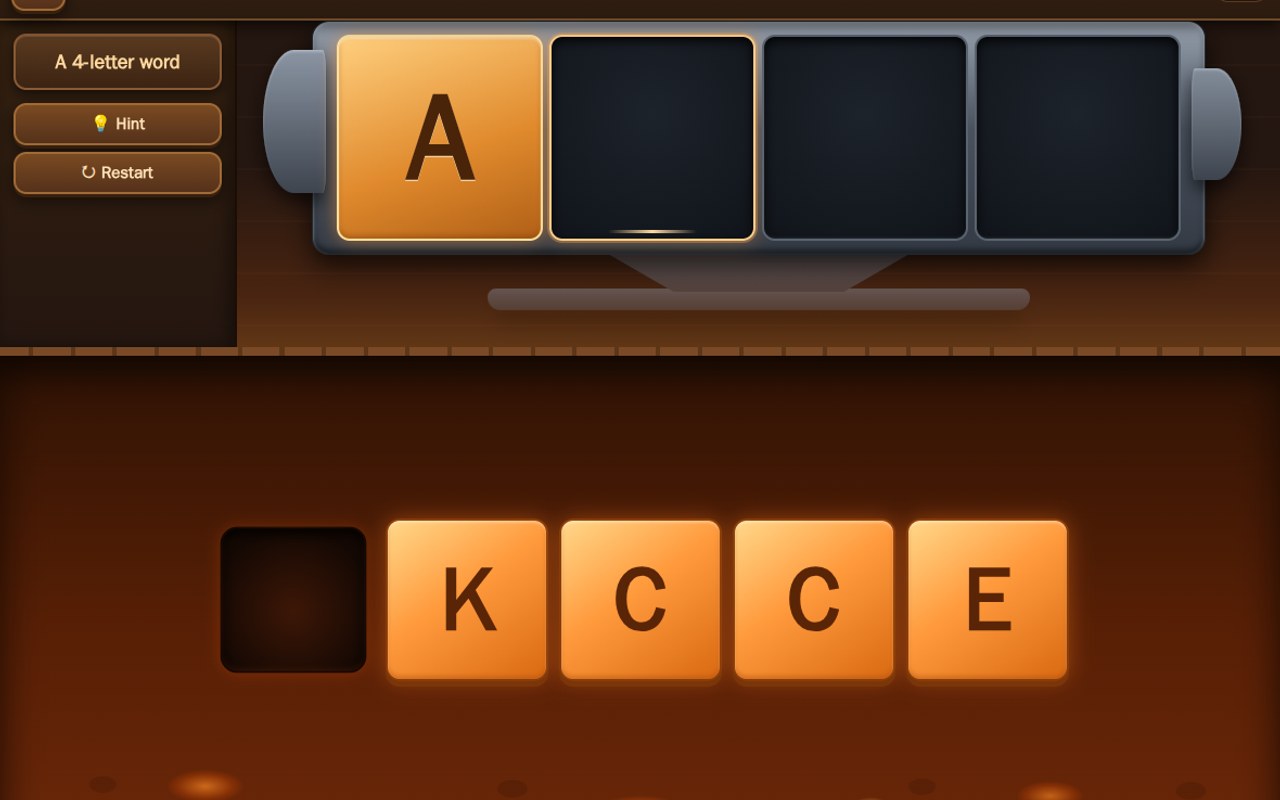
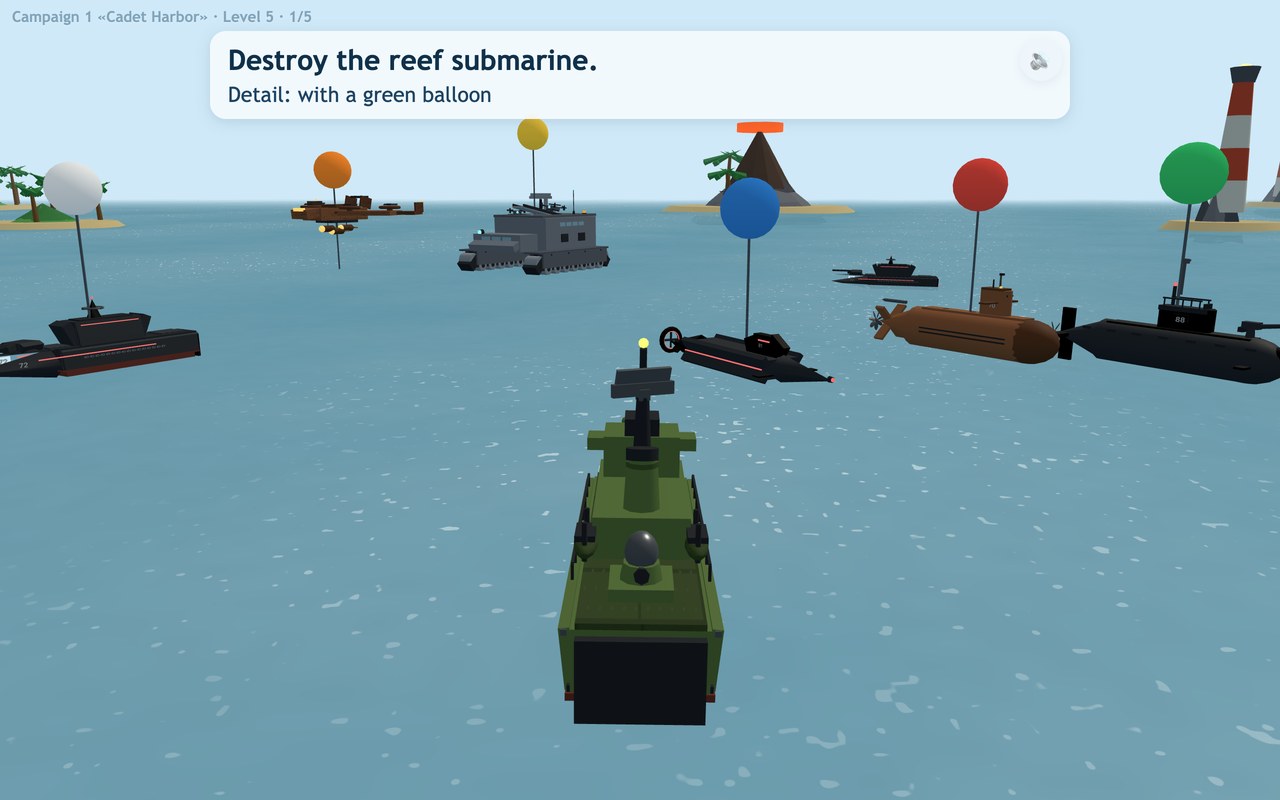
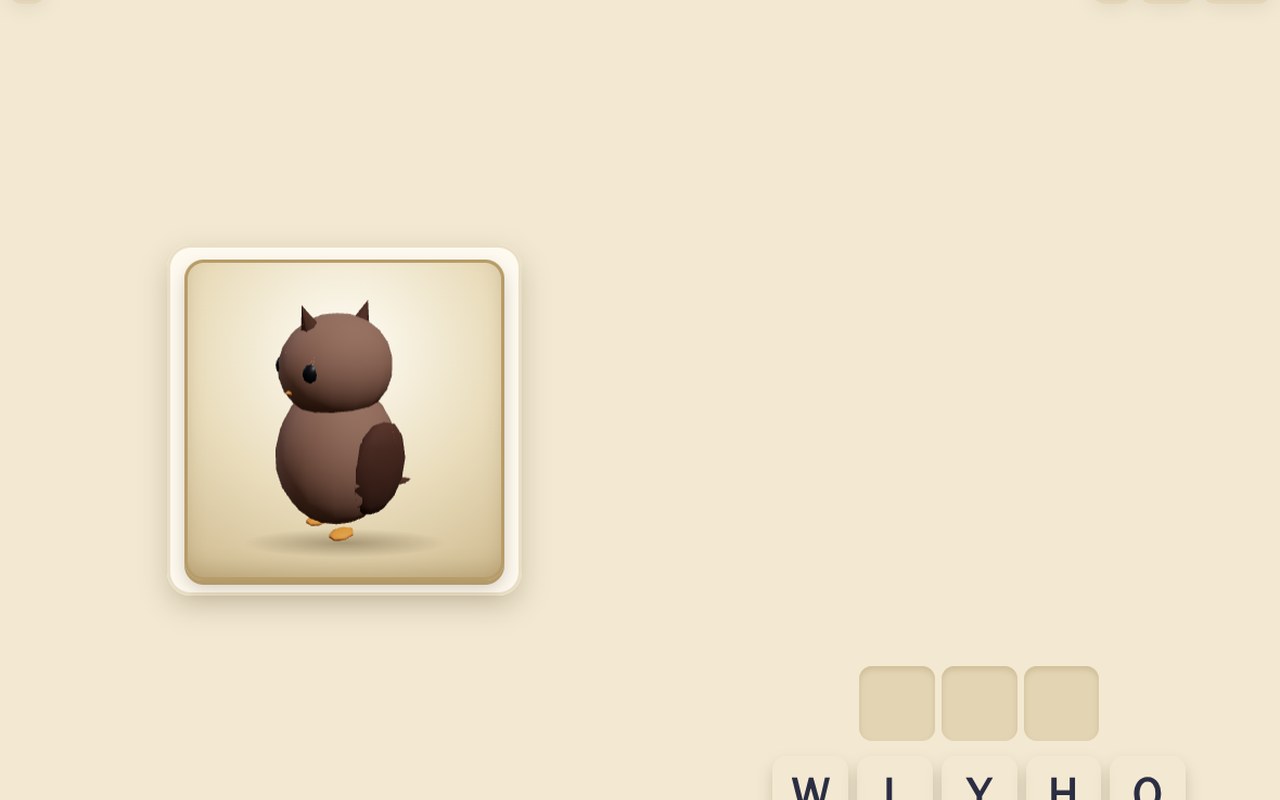
In our learn-to-read game, a child builds words letter by letter and meets high-frequency words again and again in battle rounds — spaced repetition disguised as play. Phonics first, sight recognition second: exactly the order kindergarten and 1st grade programs in the US teach.
Tips for parents
Keep sessions to ten minutes, celebrate speed (“you read that one instantly!”), and let the child replay easy rounds — fluency comes from fast wins, not hard drills.
Why some words cannot be sounded out
English keeps a small set of very common words whose spelling predates the sounds they now have — said, come, one, who. They cannot be decoded reliably, and they appear so often that a reader who stops for each one never gets a run at a sentence. Roughly a hundred words make up about half of everything a child reads, which is why this short list repays memorisation more than any other.
Recognition, not spelling
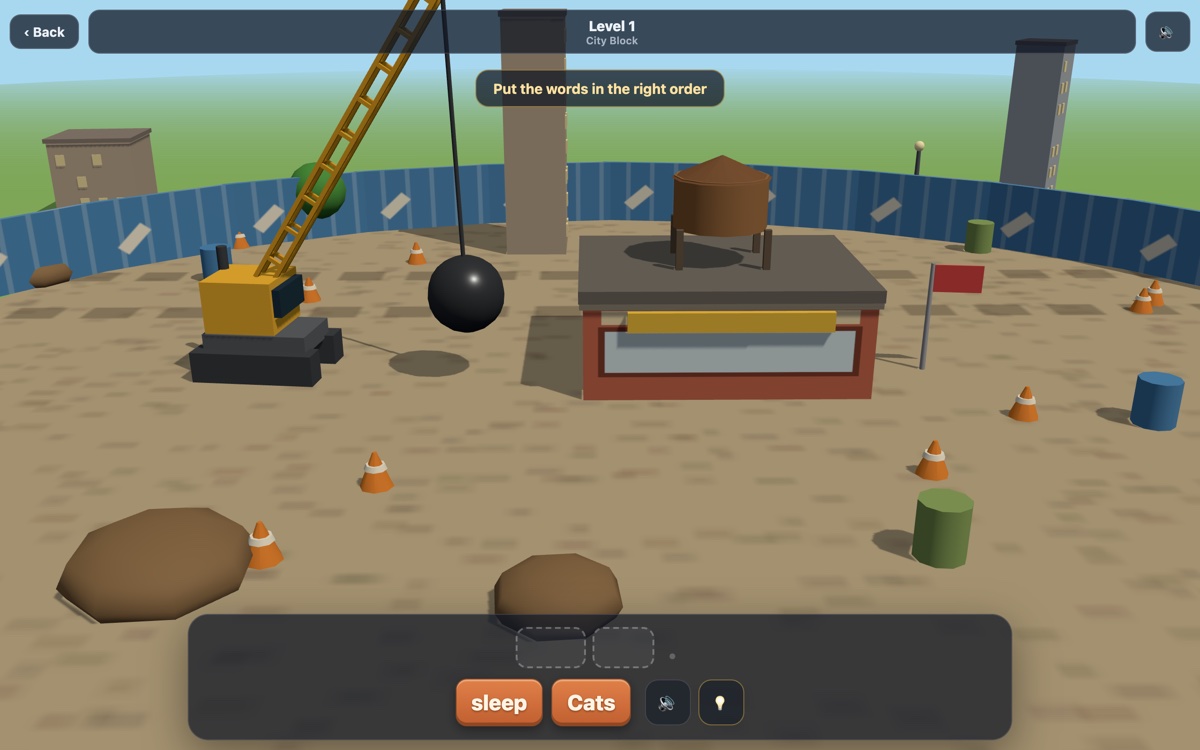
The goal is instant recognition of the whole shape, in under a second, mixed in with other words. That is a different exercise from writing them out, and it is why the games here always show the word in company — in a sentence, in a grid, under time pressure — rather than alone on a card.
Do not start with a list of a hundred
Five at a time, until they are automatic in a sentence, then five more. A child who has "learned" forty words on flashcards and cannot read them in a book has not learned forty words; they have learned forty cards. Everything on this page presents the words inside real text for exactly that reason.
Sight words are a bridge, not a method
They exist to keep a beginner moving while their phonics catches up. If a child is memorising every word by shape, including regular ones, that is a warning sign rather than progress — go back to phonics and rebuild the decoding, because whole-word memory does not scale past a few hundred items.
What comes after
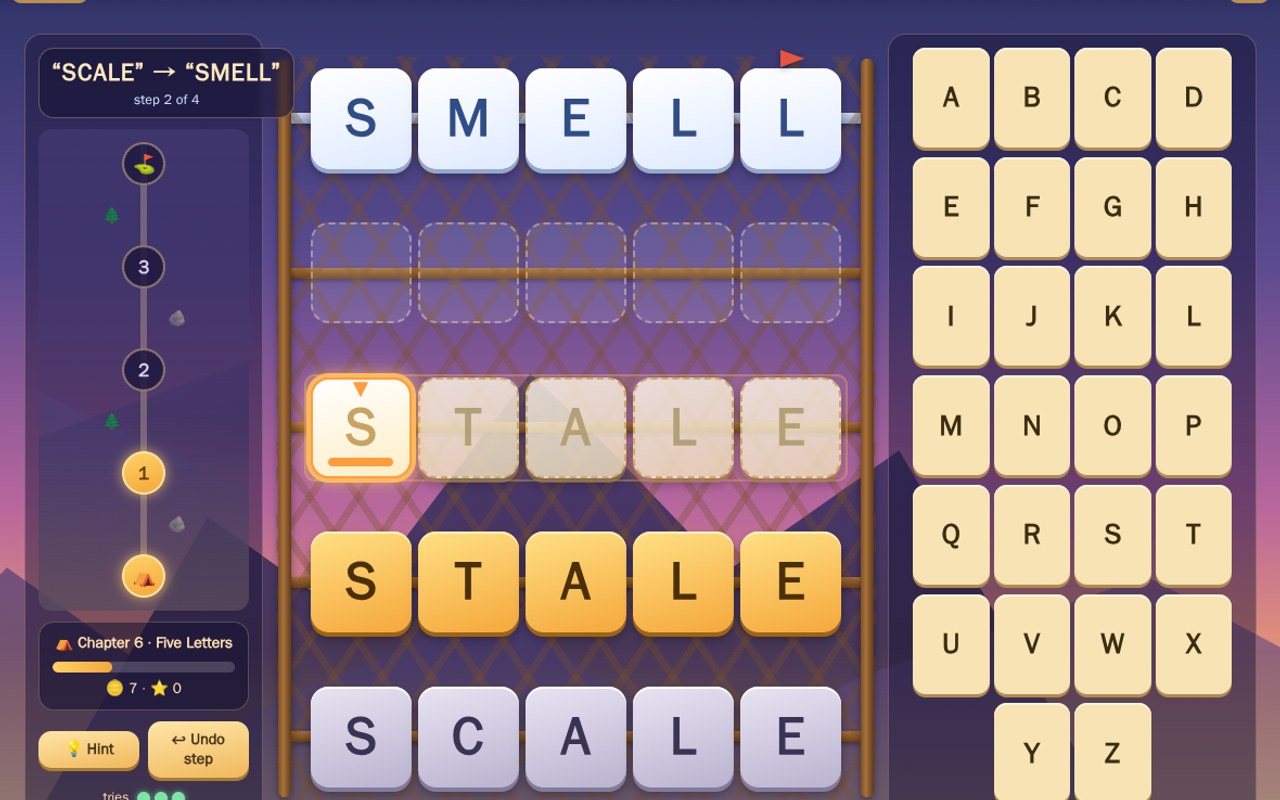
Once common words are free, attention is released for meaning — which is where the comprehension and word-play games on this page come in. Anagrams, word ladders and grid puzzles keep a fluent reader looking closely at spelling, which is the thing that stops sloppy reading from setting in. See also word families and games for 7 year olds.