
Spelling Games for Kids — Free Word Wings 4–8
 New from Dad4Kids
Clean YouTube for kids
For families with traditional values, hand-picked by parents.
Open →
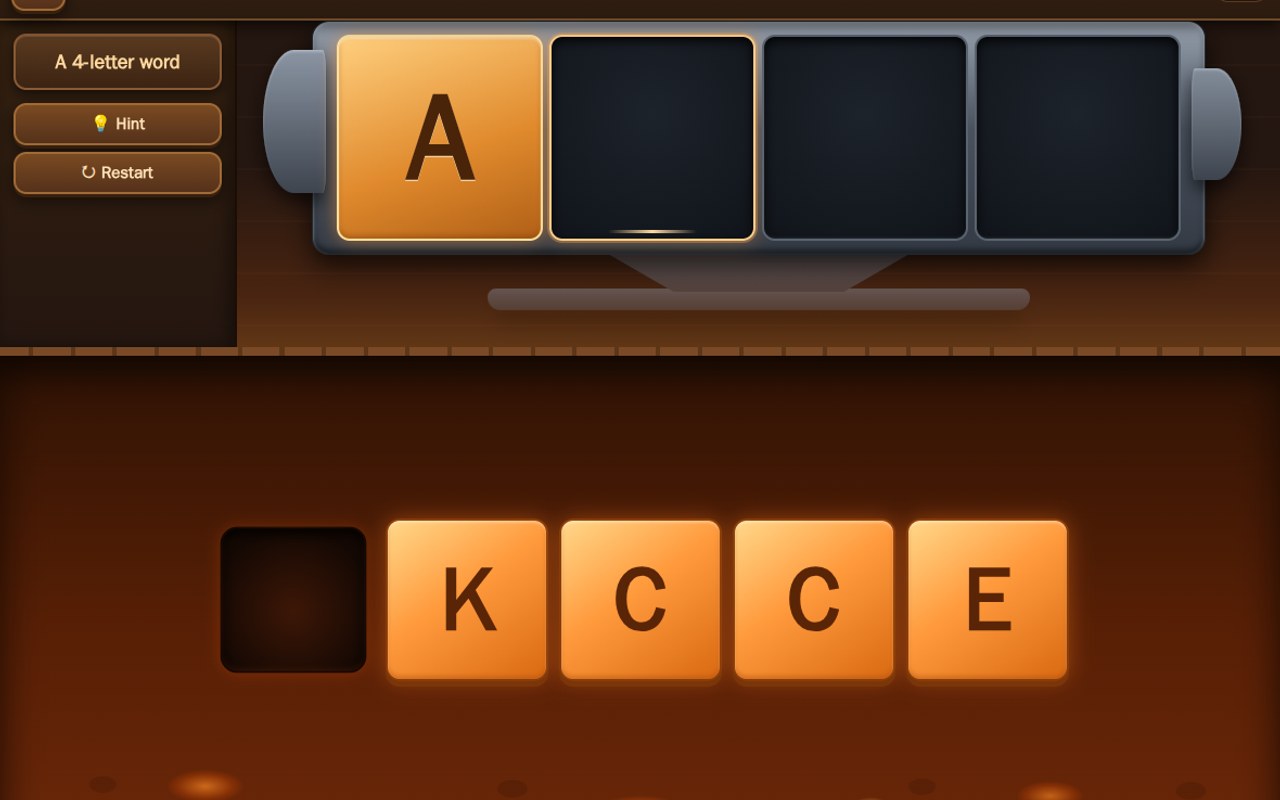
Most spelling games hand a child a list to memorise. Word Wings starts from the sound instead: your child hears the word, sees the picture, and then has to build it — letter tile by letter tile — or drop in the one letter that has gone missing.
24 topics your child already has words for
Pets, wild animals, colours, fruit, food, family, numbers, parts of the body and more — ten words in each set, all of them picture-backed, so spelling is attached to a thing rather than to a rule.
Four ways at the same word
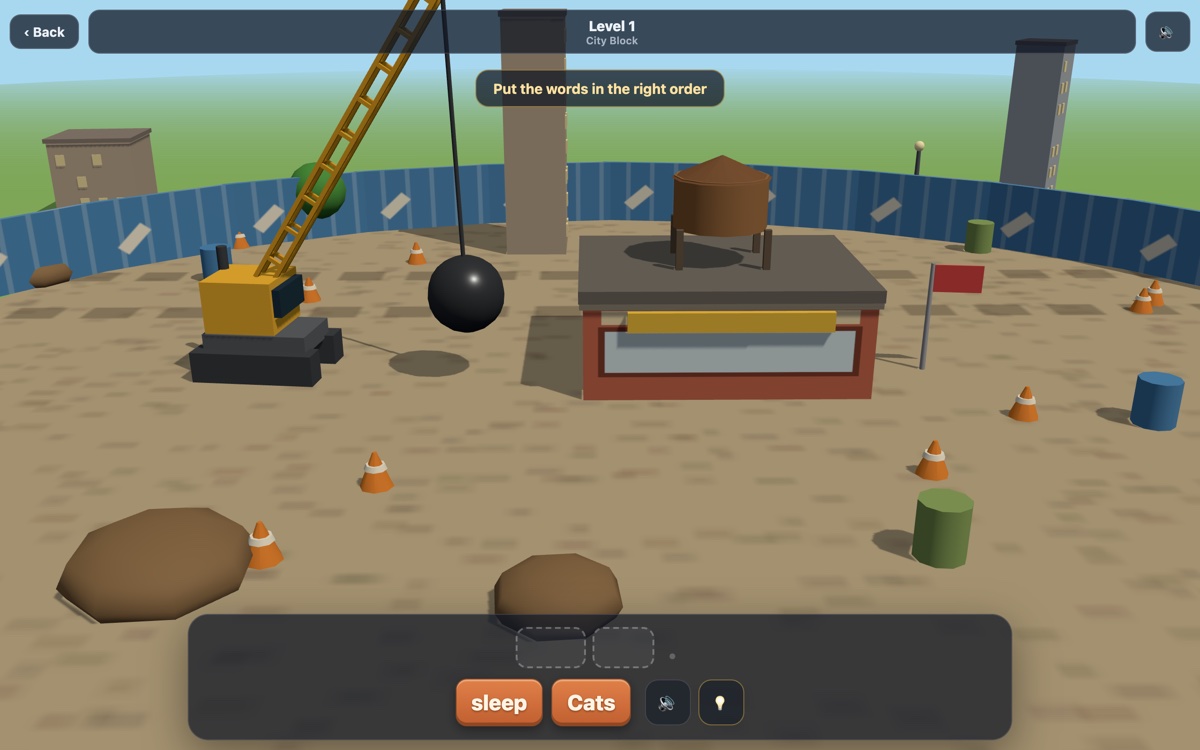
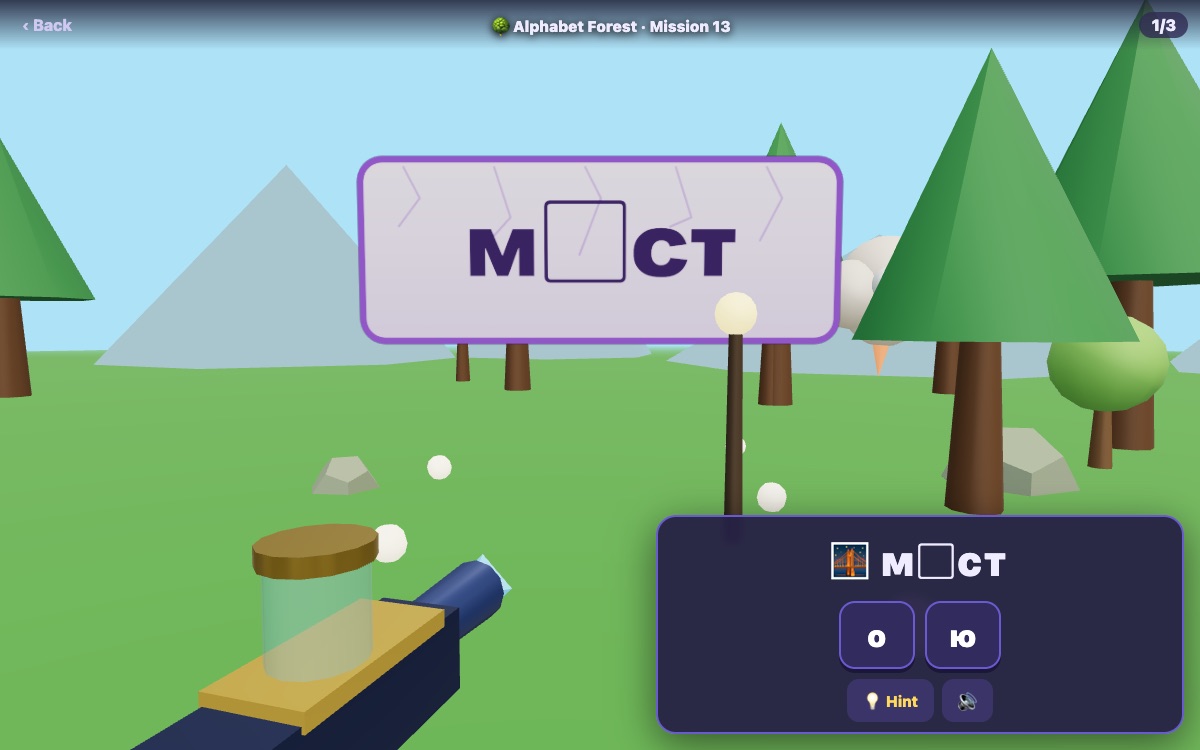
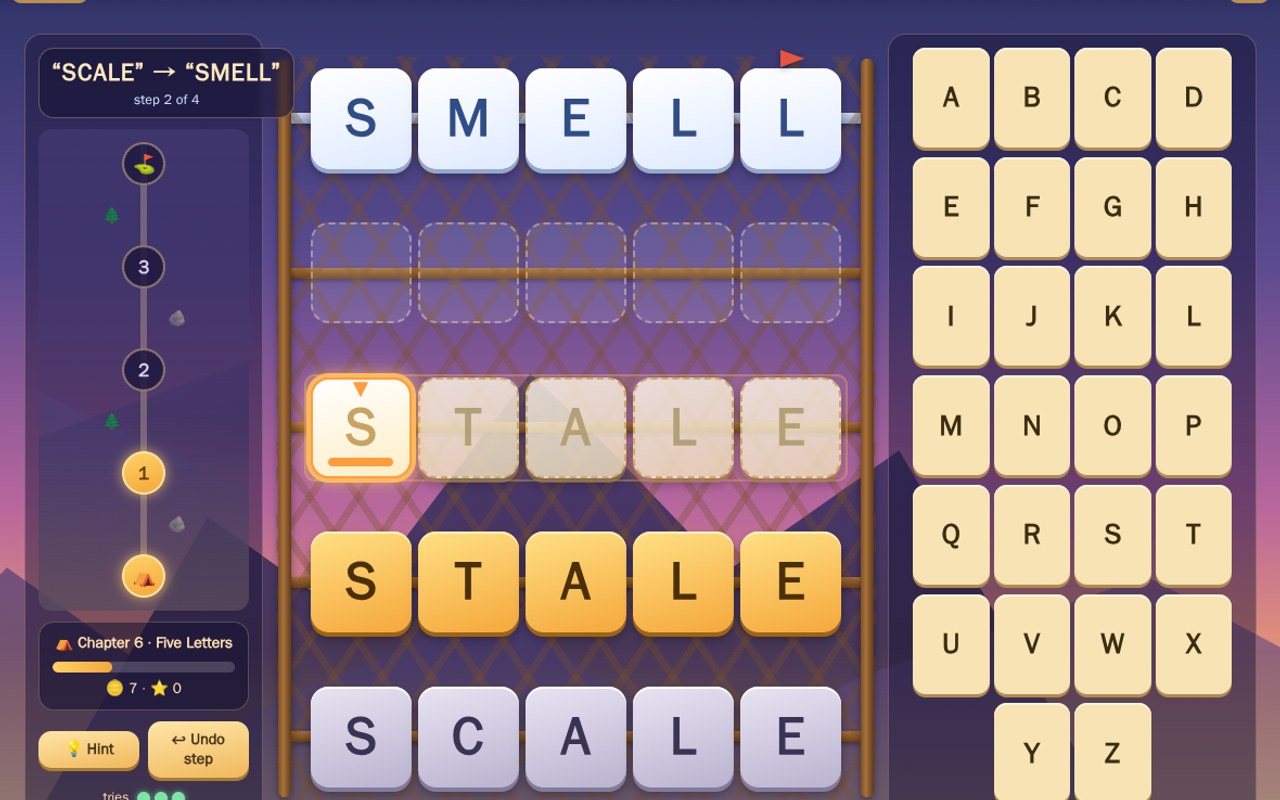
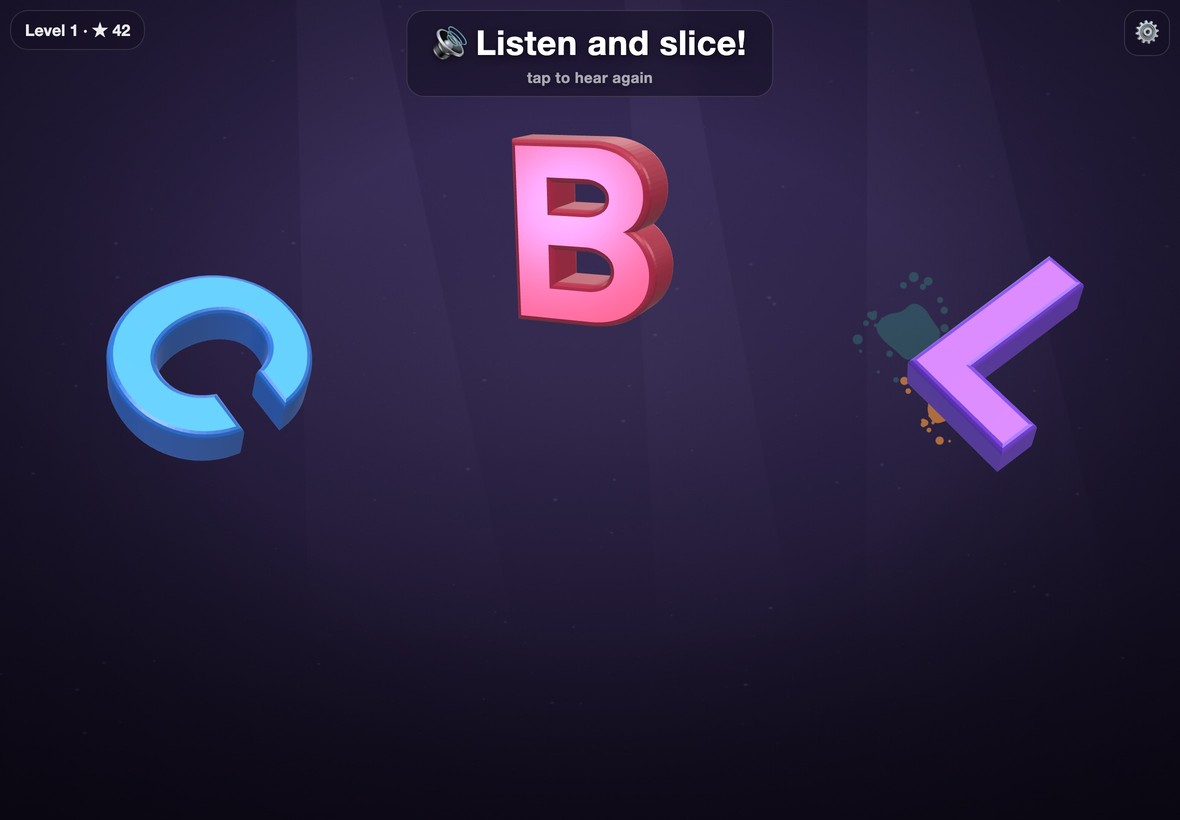
Hear it and pick the picture; match the picture to the word; build the word from scrambled letters; fill in the missing letter. The same word comes back in a different task, which is what makes a spelling stick.
Free, in the browser
No download, no account, no ads. Every question is read aloud, and progress is saved on the device.
More free reading and word games
- reading games — read whole words and phrases to drive a tank campaign
- reading games for kids — build words from syllable tiles and fire the catapult
- letter sounds games — tap letter tiles in sound order to charge the towers
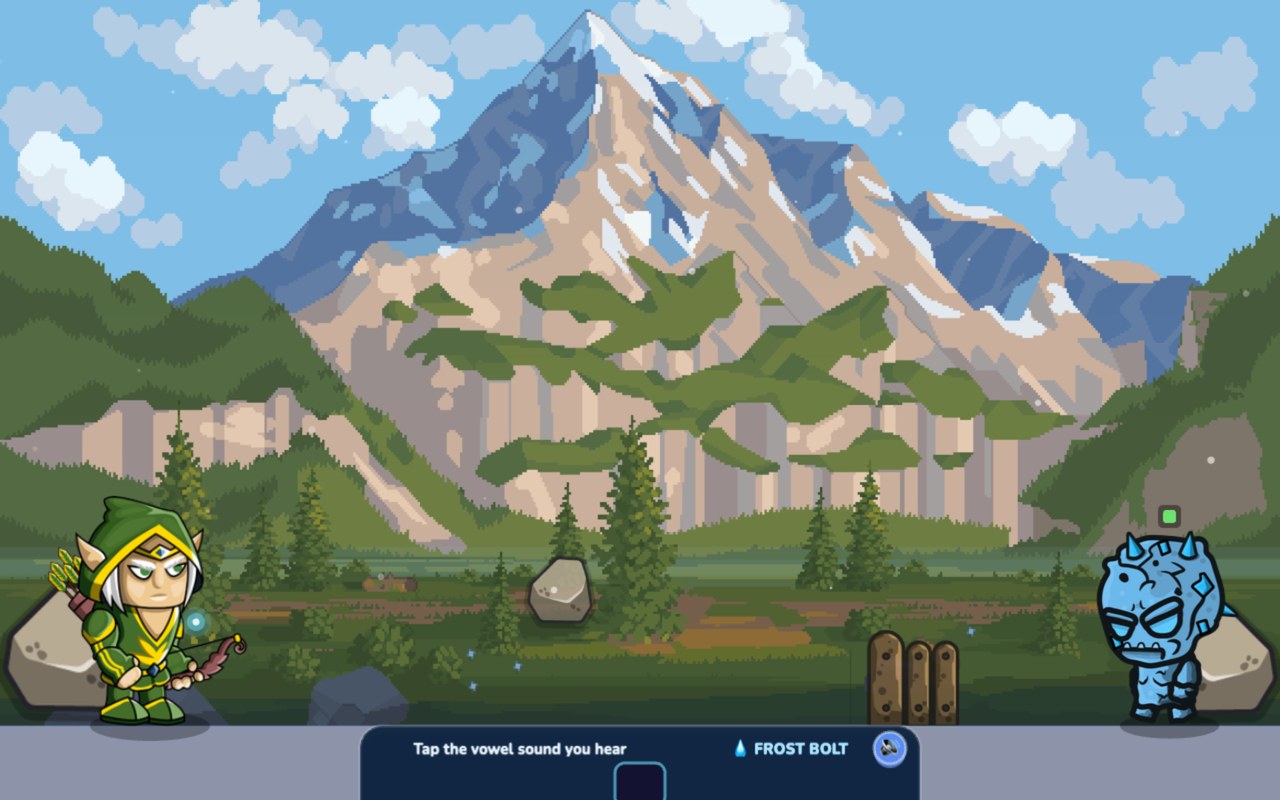
- phonics games online free — blend the sounds and the spell fires
How to play
First learn 10 words on the picture cards (listen to the narration!). Then, in flight: listen for the word at the top of the screen and steer the plane with the arrow keys ← → ↑ ↓ (or a finger) to fly straight through the card with the matching picture. The plane flies forward on its own. Collect all 10 words and finish the flight with a victory loop!
What your child learns
Builds first vocabulary by topic: matching a spoken word to its picture, and locking it in through repeated, playful practice in flight. Each flight firmly teaches 10 words; the game has 24 topics in total — a great warm-up for reading readiness.
The science behind the games
Every Dad4Kids game is built on one simple truth: children want to play, not study — so we turn learning into a game worth replaying. The method draws on peer-reviewed research in game-based learning, motivation, and how memory works.
- Ehri et al. (2001). Systematic phonics instruction helps students learn to read: evidence from the National Reading Panel's meta-analysis. Review of Educational Research.
- Ehri (2020). The science of learning to read words: a case for systematic phonics instruction. Reading Research Quarterly.
- Tokac et al. (2019). Effects of game-based learning on students' mathematics achievement: A meta-analysis. Journal of Computer Assisted Learning.
- Alotaibi (2024). Game-based learning in early childhood education: a systematic review and meta-analysis. Frontiers in Psychology.
- Lampropoulos & Sidiropoulos (2024). Impact of gamification on students' learning outcomes and academic performance: a meta-analysis. Education Sciences.
- Taylor & Boyer (2019). Play-based learning: evidence-based research to improve children's learning experiences. Early Childhood Education Journal.
FAQ
What age is this game for?
From about age 4 and up. Pictures and narration mean a child can play before they can read; topics move from simple, everyday words to trickier ones.
How many words are in the game?
24 topics of 10 words each — 240 words in total, each with a picture and clear narration, every topic flying through its own sky.
How do you steer the plane?
With the four arrow keys on a keyboard (← → ↑ ↓) or a finger on a tablet or phone. The plane flies forward by itself — you just aim for the right card.
Is it free?
Yes — completely free, no ads and no purchases, right in the browser on a tablet, phone or computer.
More free games for kids
By Evgeny Arsentiev, PhD · Last updated: September 2026