Kindergarten Math Games — Free Online
Kindergarten math is about three big ideas: knowing the numbers, counting things one by one, and seeing which group has more. These math games for kindergarten practice exactly that — counting to 10, recognizing numerals, comparing amounts and spotting shapes — in short, cheerful rounds a 5-year-old can play on their own.
How our games adapt to kindergarteners
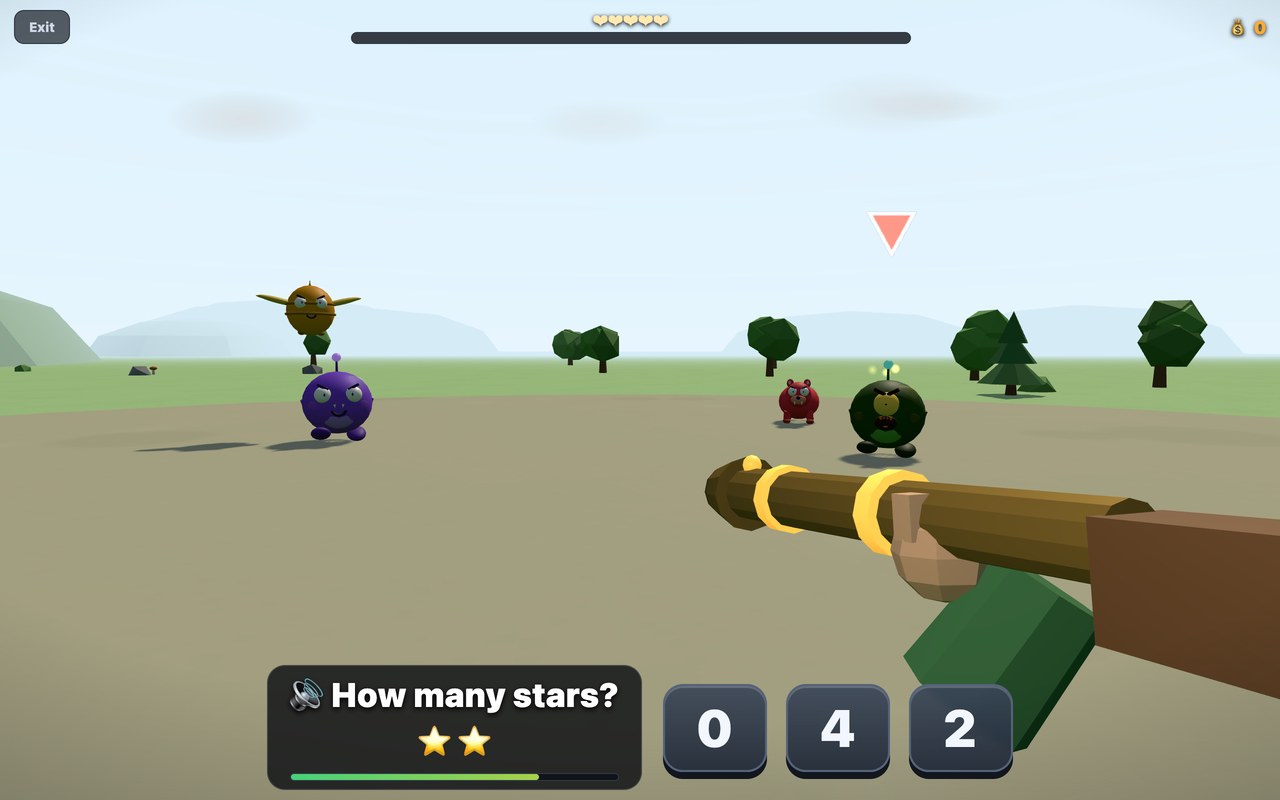
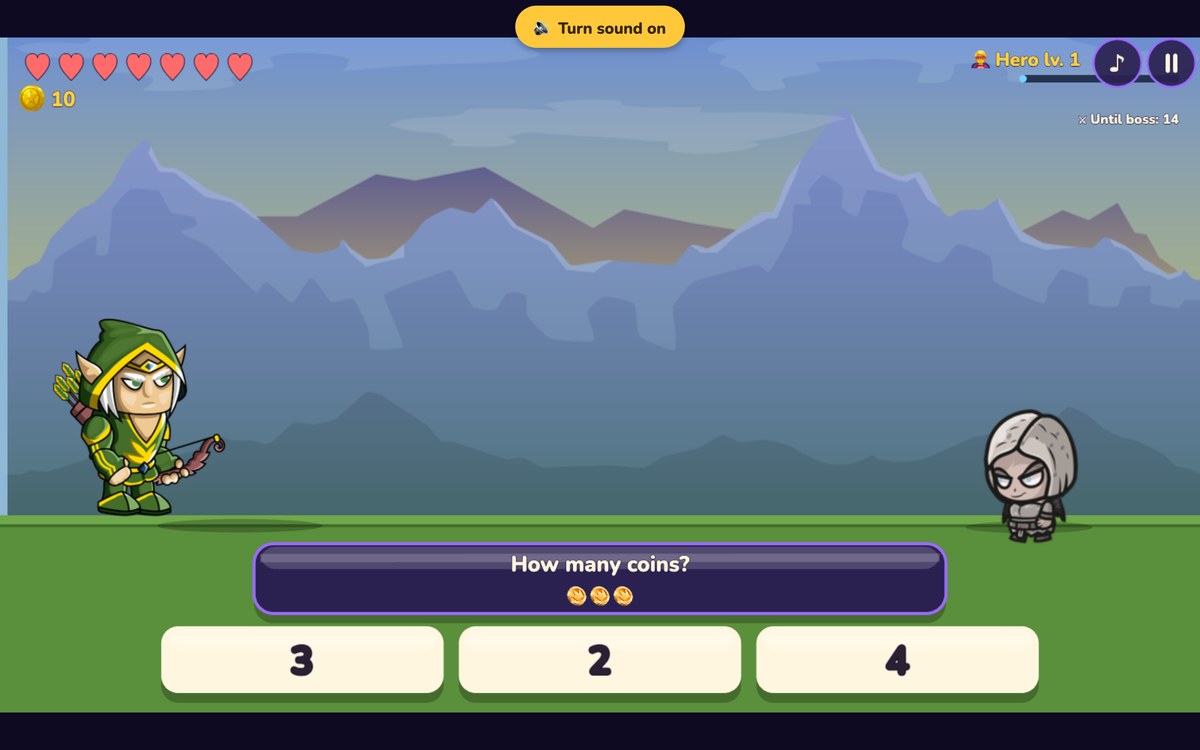
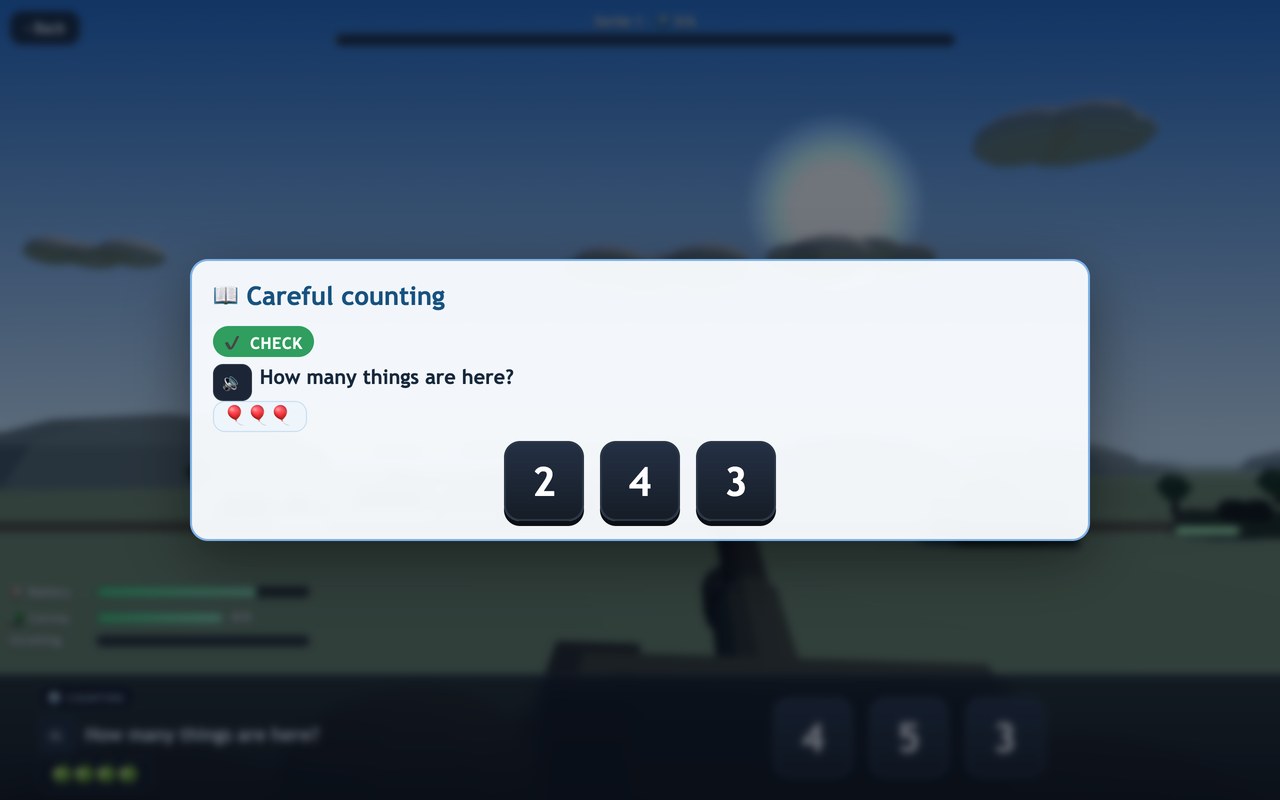
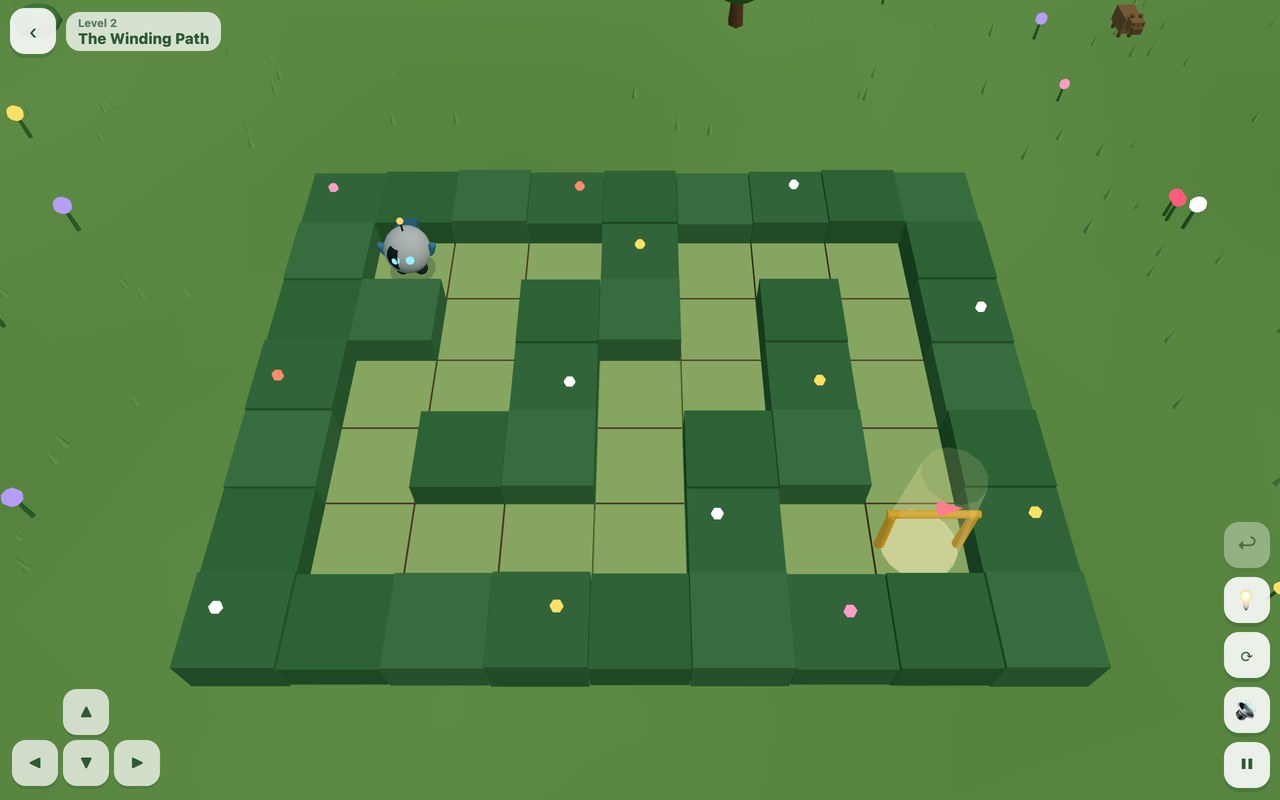
Our math games use one adaptive ladder from age 4 to 11, and for kindergarten they stay right at the bottom rungs: count the objects, find the number, pick the bigger group. A correct answer fires the hero's arrow or the tank's cannon, so practice feels like winning a game — not doing a worksheet before school even starts. If your child races ahead, the games quietly step up to addition within 10; if they need more time, the counting rounds simply continue.
What kindergarteners practice here
Number recognition 0–10, counting objects, one-more and one-less, comparing groups, first addition stories and shape recognition — the skills kindergarten teachers in the US build all year, and a friendly head start for kids beginning school next fall.
Short sessions work best
Five minutes a day beats a long weekend session. All kindergarten games here are free and ad-free, and play right in the browser on a tablet — the easiest device for small hands. Ready for the next step? Move up to our 1st grade math games.
Counting out loud is not counting
Plenty of five-year-olds can chant to twenty and still cannot tell you how many bears are on the table. The chant is a song; counting is one-to-one matching, and the two arrive separately. The gentlest games here always show objects that can be pointed at, so the number word lands on a thing rather than floating.
Recognising small amounts without counting
Being able to see "four" at a glance — the way you see the pips on a die — is a stronger predictor of later arithmetic than knowing digits. It is also trainable, which is why several games flash small groups and ask for a quick answer rather than a careful one. If your child counts every time, they are not behind; they simply have not been given enough quick looks yet.
Shape, space and sorting count as math
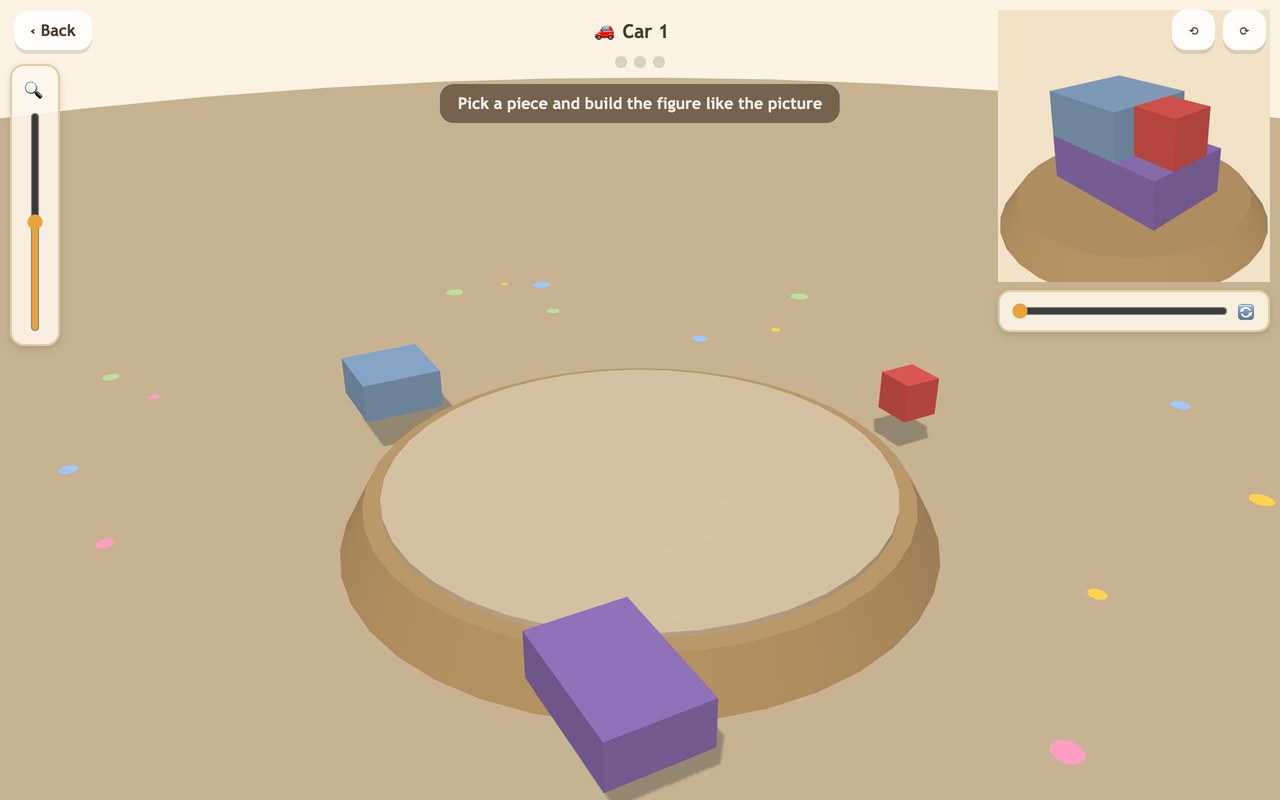
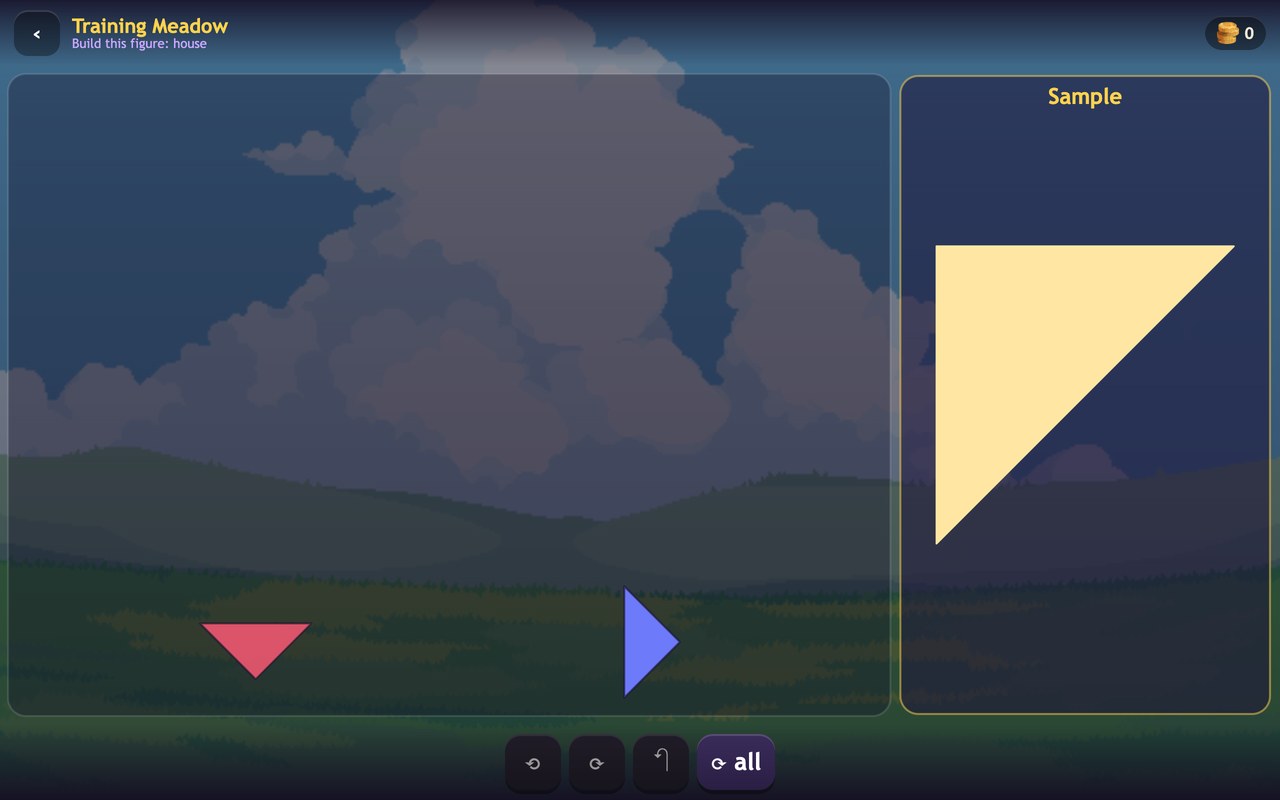
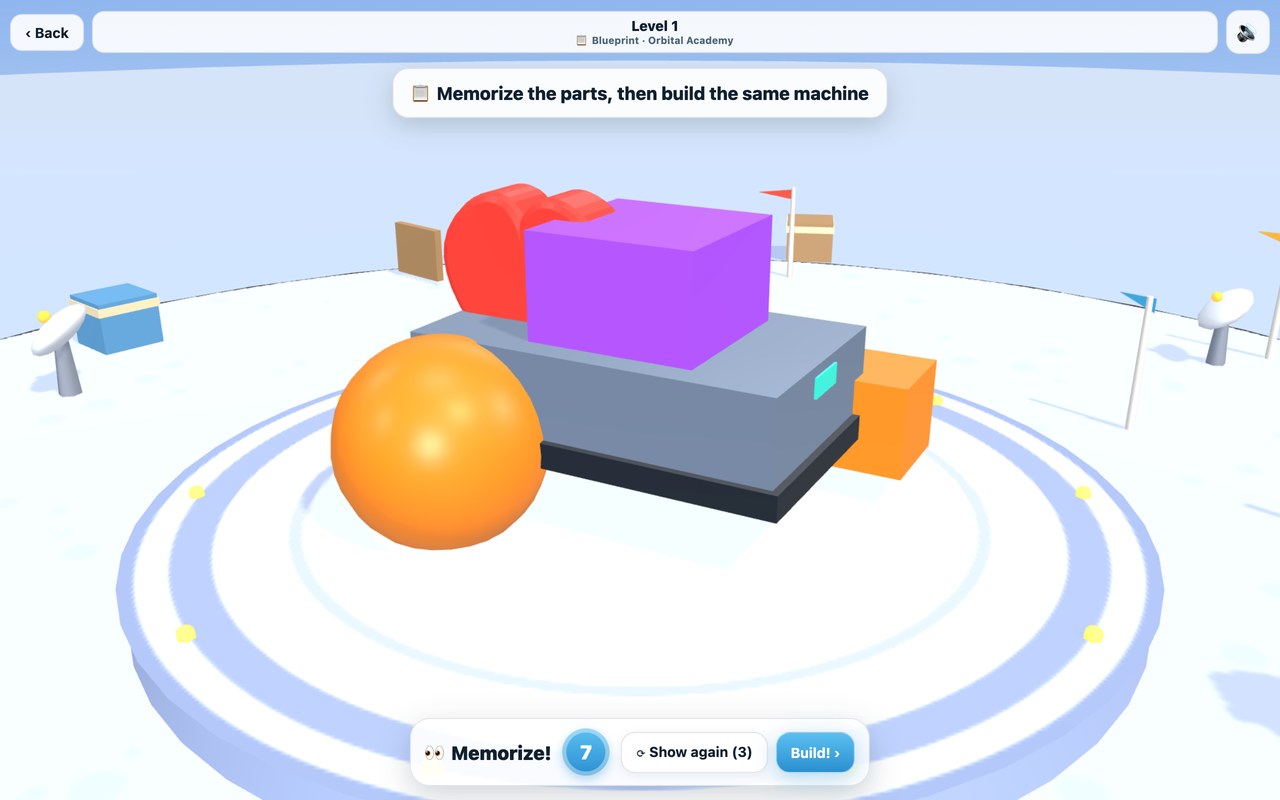
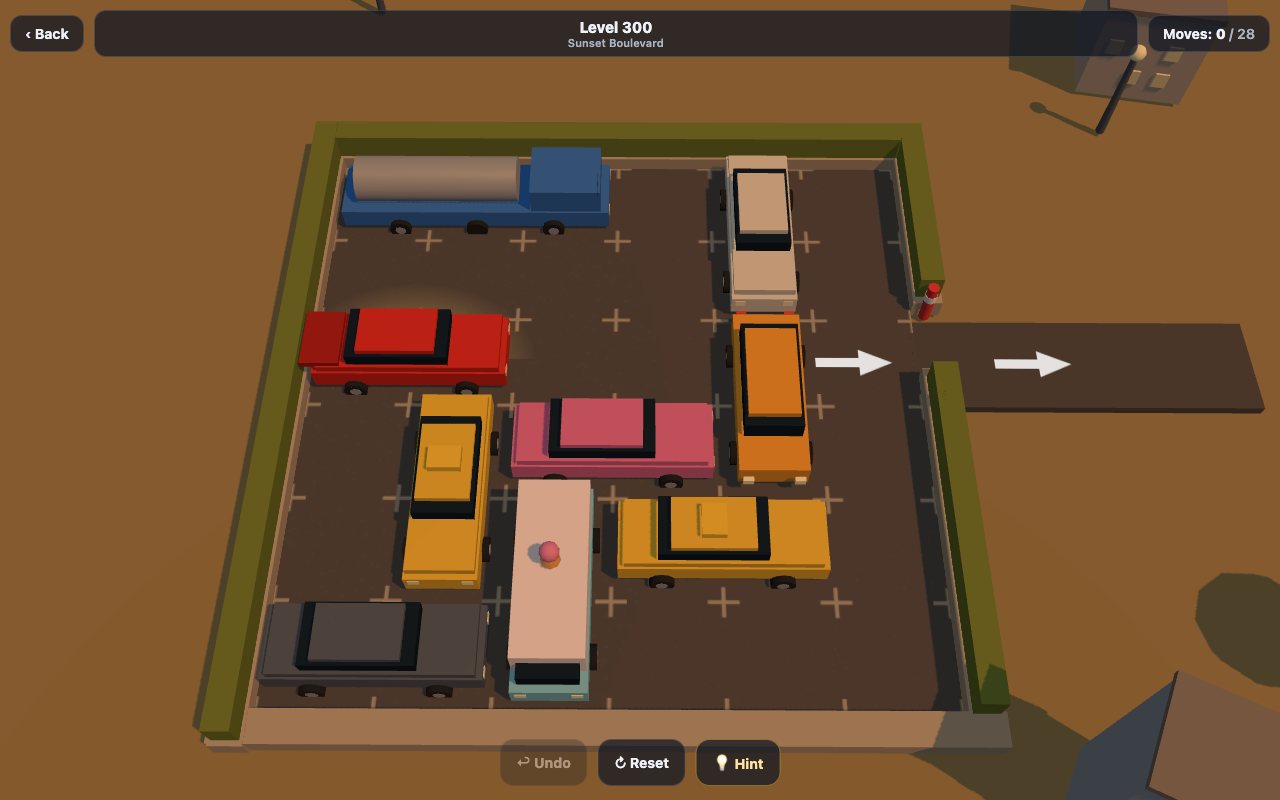
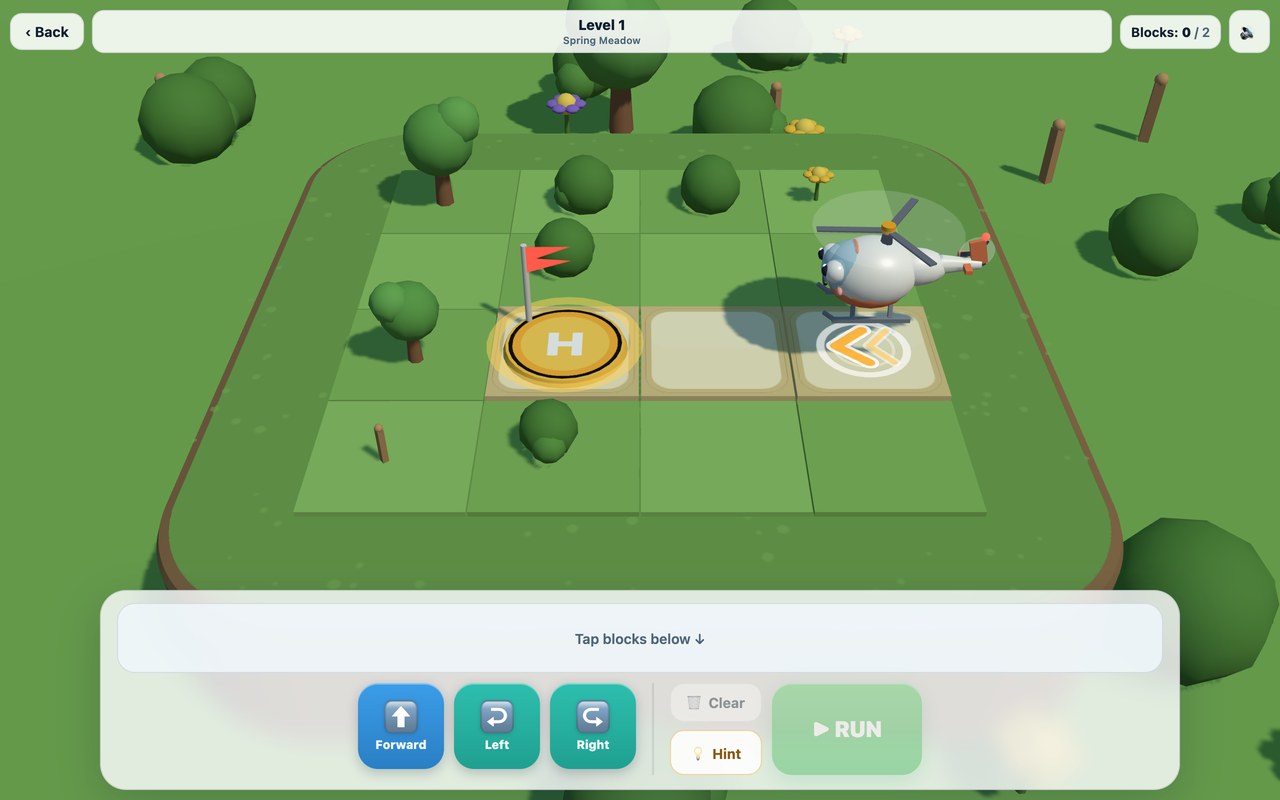
At this age, fitting a shape into a hole, mirroring a pattern or working out which piece will not go is doing the same mental work as early number: holding an image, transforming it, checking it. The tangram and traffic-puzzle games on this page are here for that reason, not as a break from the math.
How long, and how to sit
Ten minutes is a full session for a five-year-old, and the last two minutes are usually worthless — stop while it is still fun. Sit next to them for the first few rounds. Not to help: to narrate. "You put three there and then two more" gives the child the words for what their hands just did, and those words are what makes the idea portable to a worksheet later.
No reading required
Every game on this page can be played by a child who cannot yet read, because instructions are spoken and the interface is picture-based. That matters at five, when a reading requirement quietly turns a math game into a reading test.
Next steps: games for kindergarteners, 1st grade math games, games for 5 year olds.