4th Grade Math Games — Free Online
Fourth grade stretches math into bigger numbers and multi-step thinking: multi-digit multiplication, long division, angles and the coordinate grid. These 4th grade math games keep the practice fast and hands-on, so a 9–10-year-old builds real fluency instead of dreading the harder work.
What 4th graders practice here
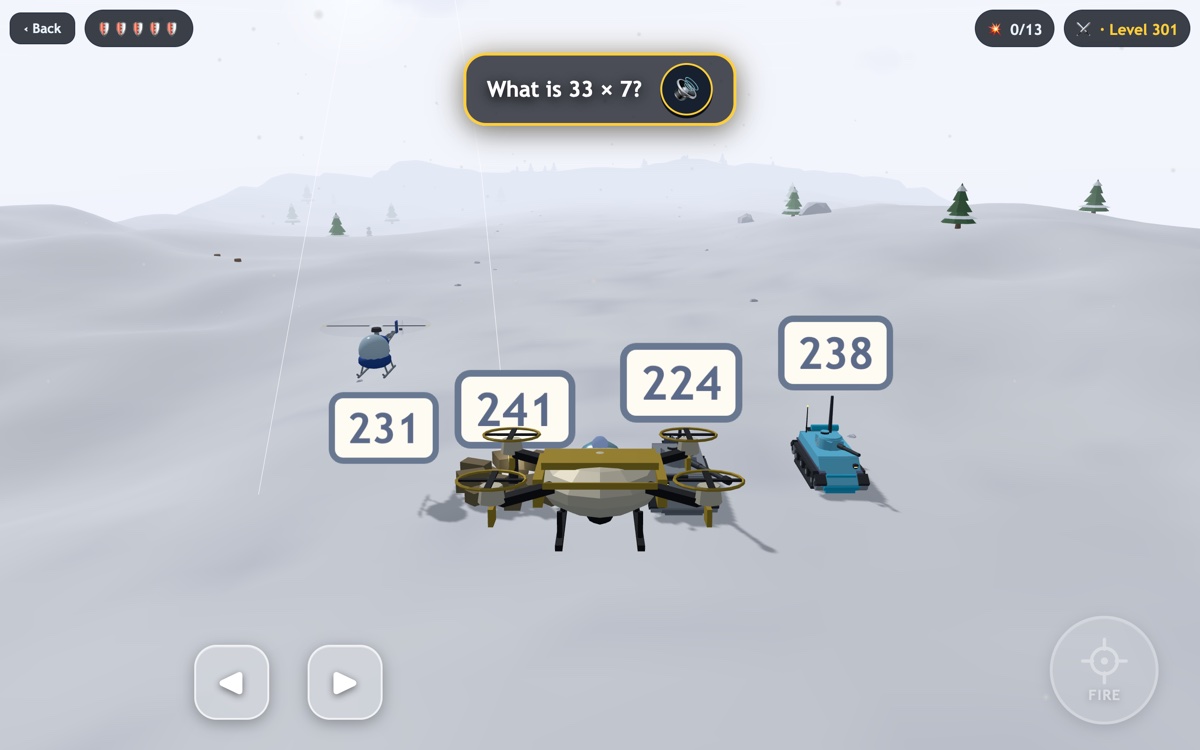
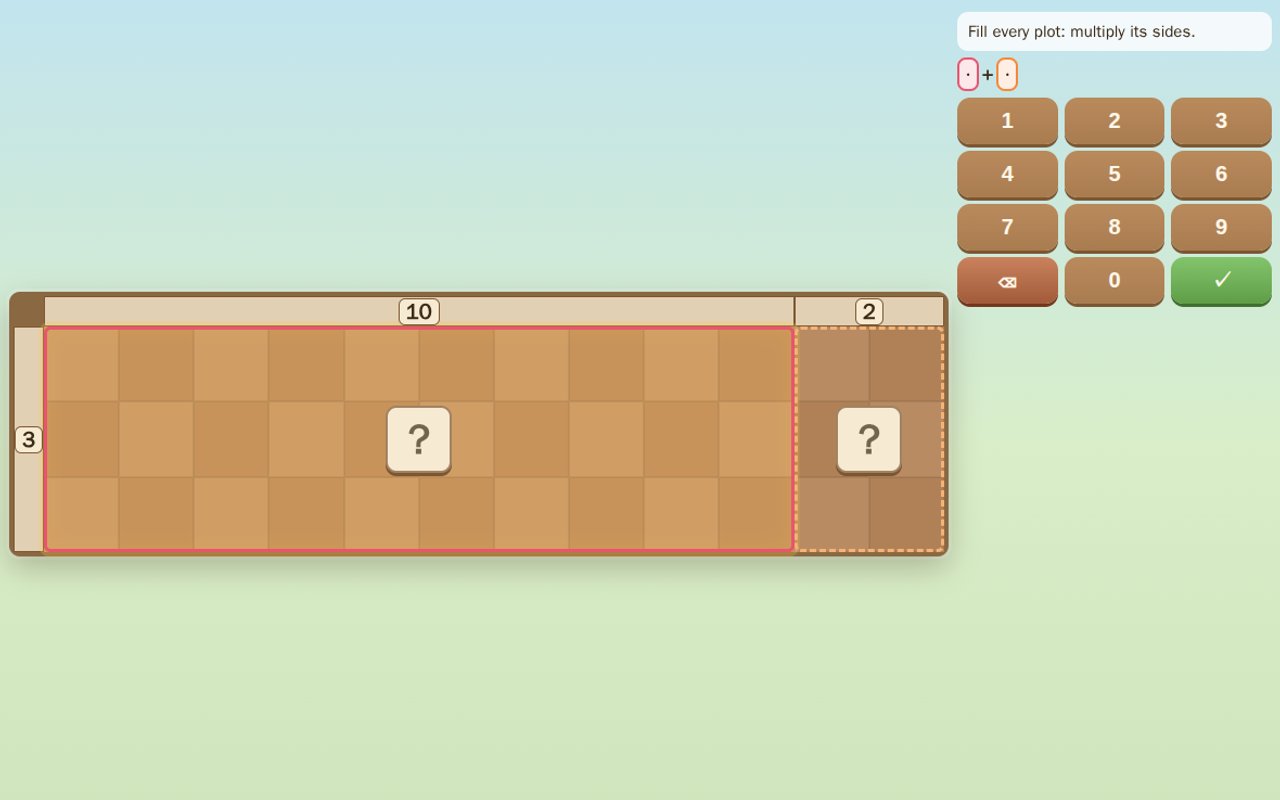
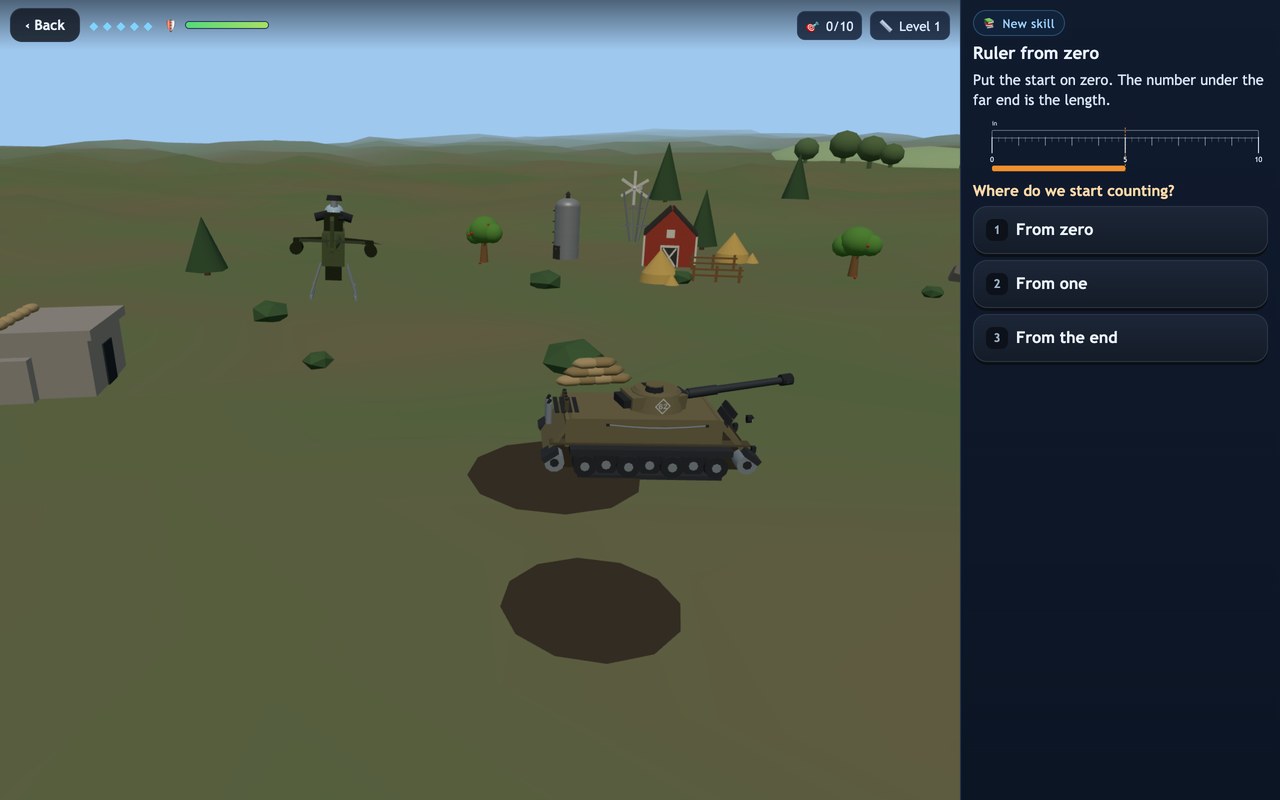
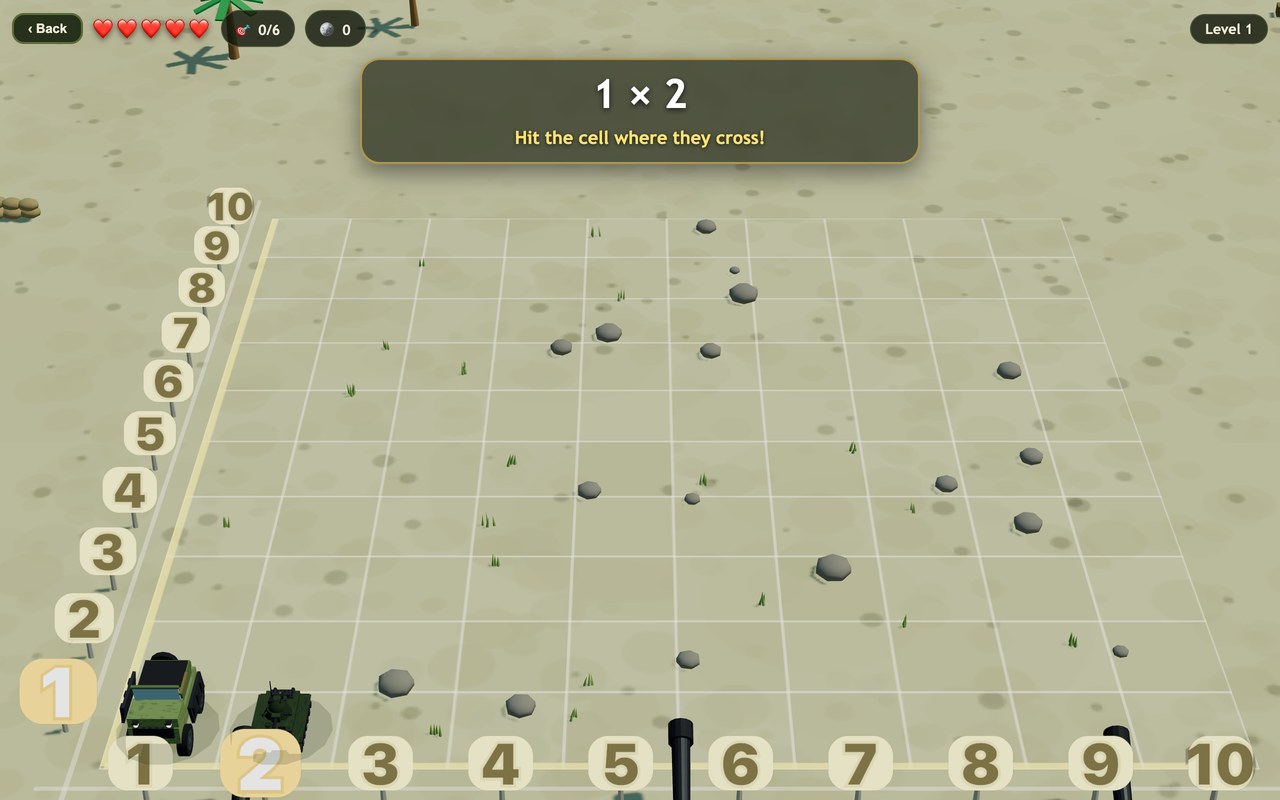
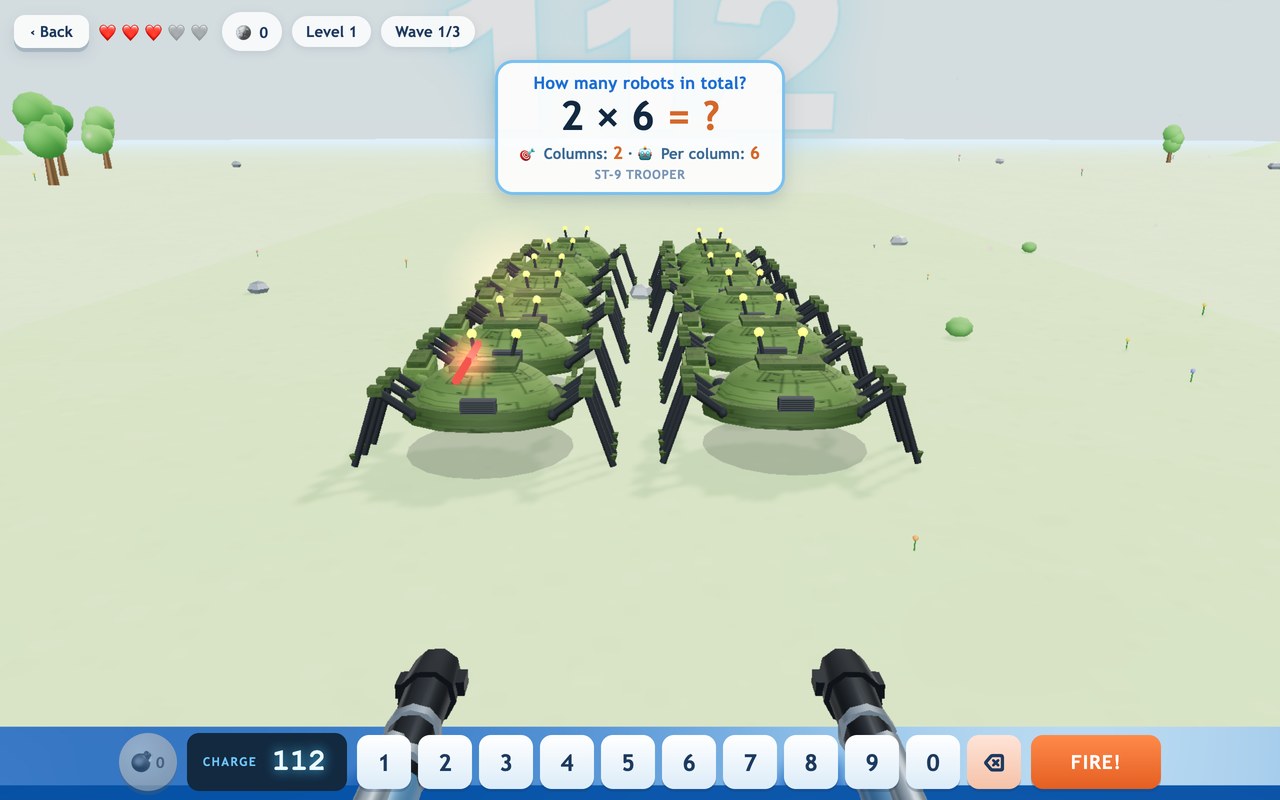
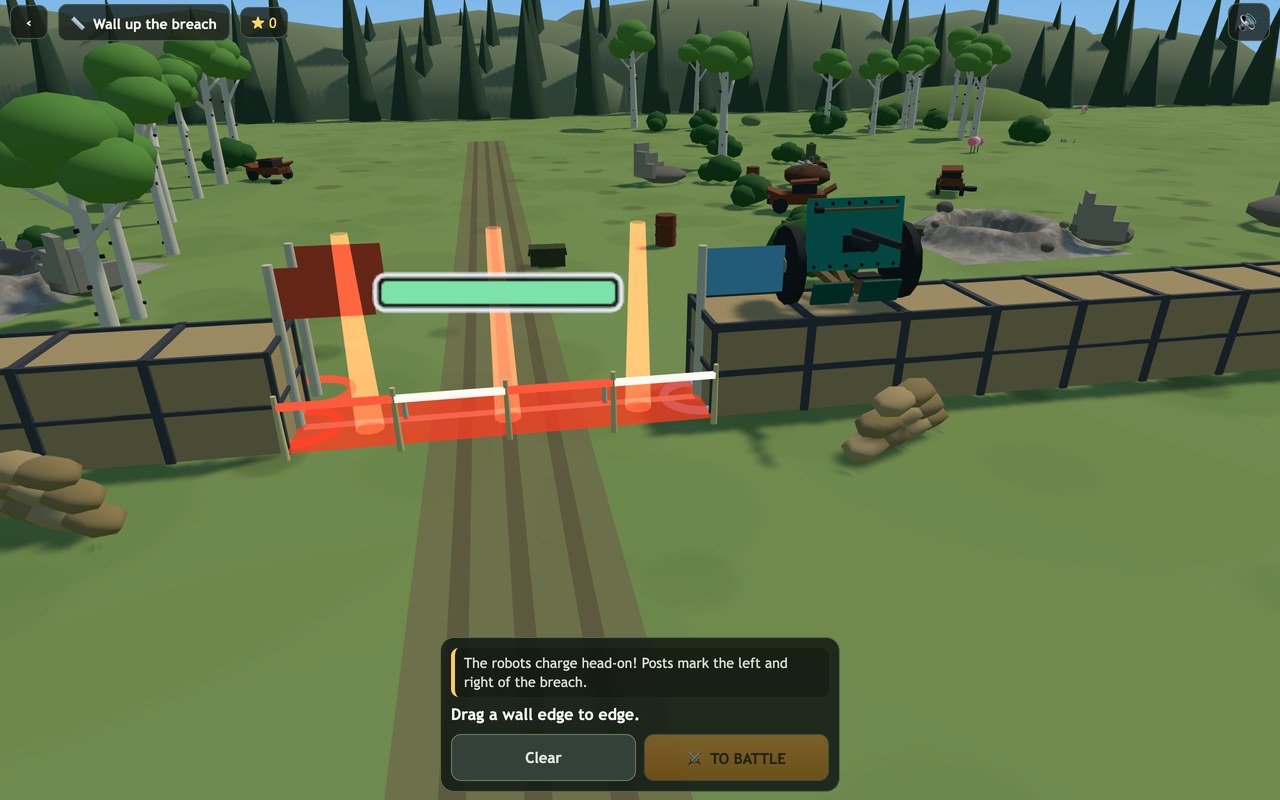
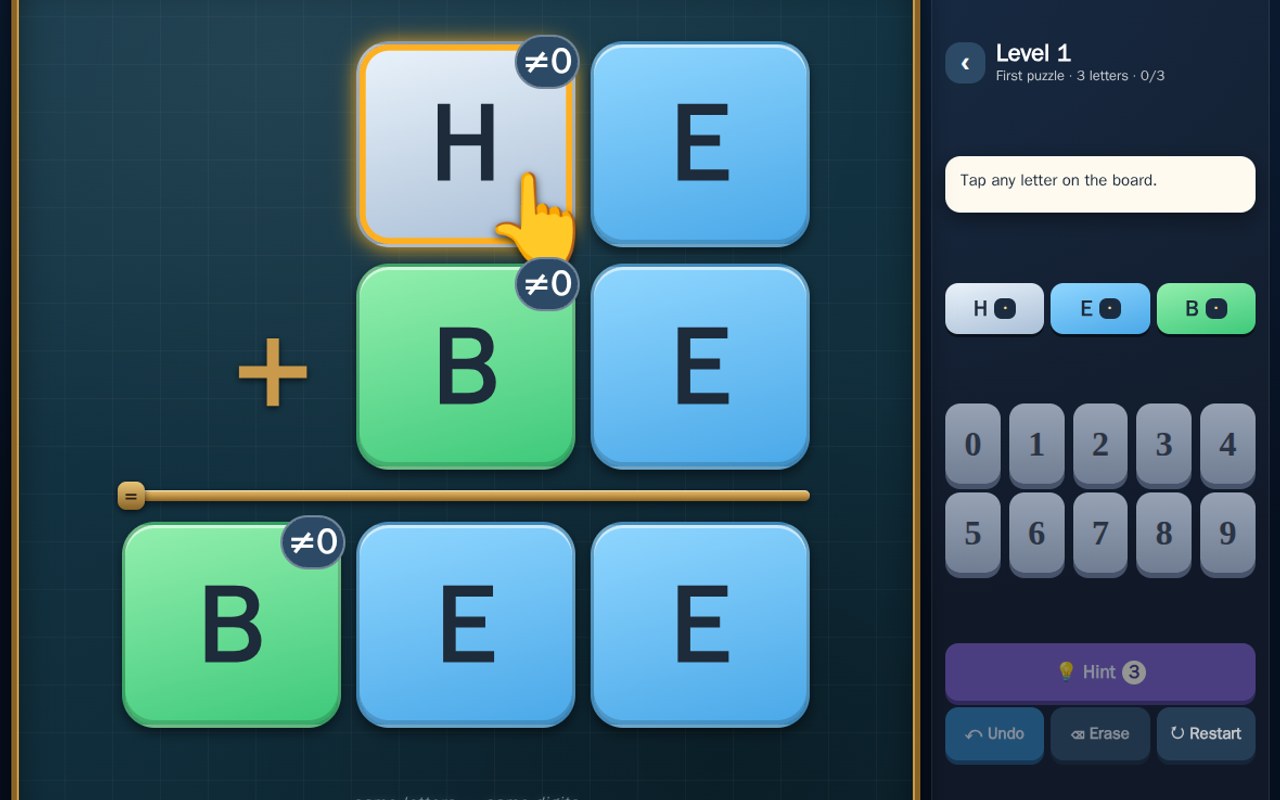
Fourth graders push the times tables into multi-digit multiplication, then take on long division and the column method in Column Mech. Geometry gets serious — measure and estimate angles in Angle Assault — and the coordinate plane arrives, where children read and plot (x, y) points. Multi-step word problems tie it all together.
Bigger numbers, same low pressure
Long division and multi-digit work reward a clear method over guessing, so our games make each step visible and never punish a slow, careful answer. Everything adapts to your child's level and plays free in the browser. Building up from third grade? Revisit our 3rd grade math games to lock in the facts first — solid times tables make every fourth-grade skill easier.
Big numbers, and the first real algorithms
Fourth grade asks for multi-digit multiplication and long division — the first procedures long enough that a child can be doing every step correctly and still get lost. The cure is not more repetitions of the whole procedure. It is making each step cheap: known facts, a solid grasp of place value, and a picture (the area model) that lets the child check whether their answer is even plausible.
Fractions stop being pizza
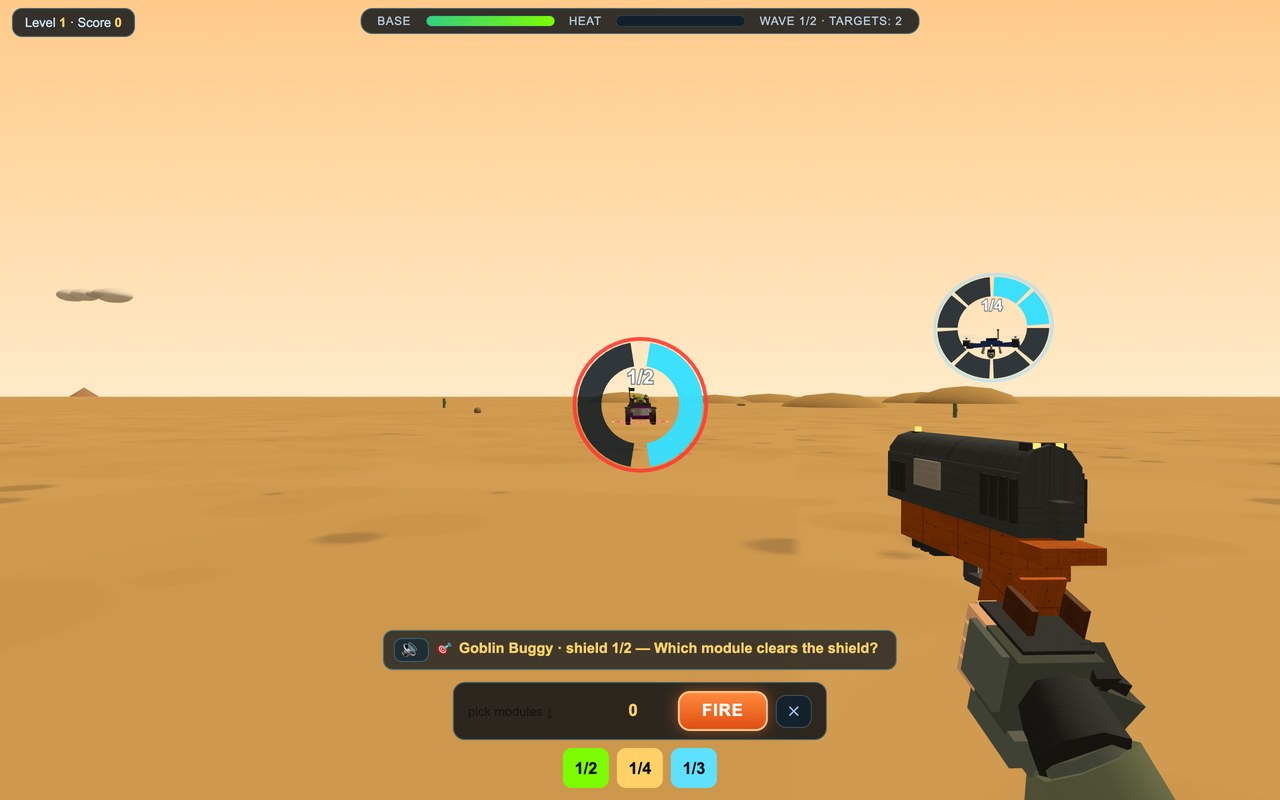
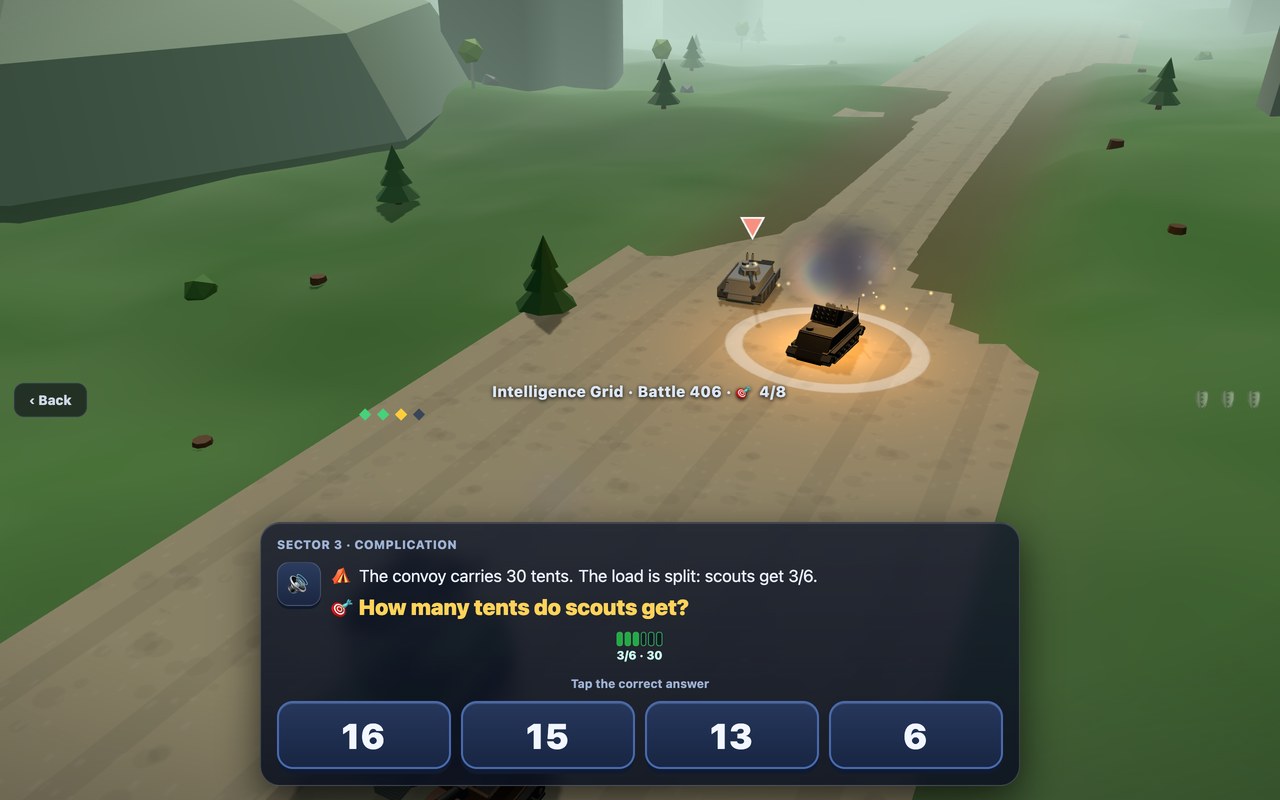
Up to now a fraction has been a slice. This year it becomes a number with a position on a line, and that shift is where most fourth graders wobble. Comparing 3/5 and 5/8 by imagining pizzas fails; placing both on a number line does not. Games that use a scale, a gauge or a distance are doing that work deliberately.
Estimation is a skill, not a cop-out
A child who can say "that should be about 2,400" before computing has a safety net for the rest of their schooling. It is also the fastest way to catch a misplaced digit. Several games here reward the plausible answer first and the exact one second, which feels odd for a page of math but reflects how the skill is actually used.
Angles, and the first taste of geometry with numbers in it
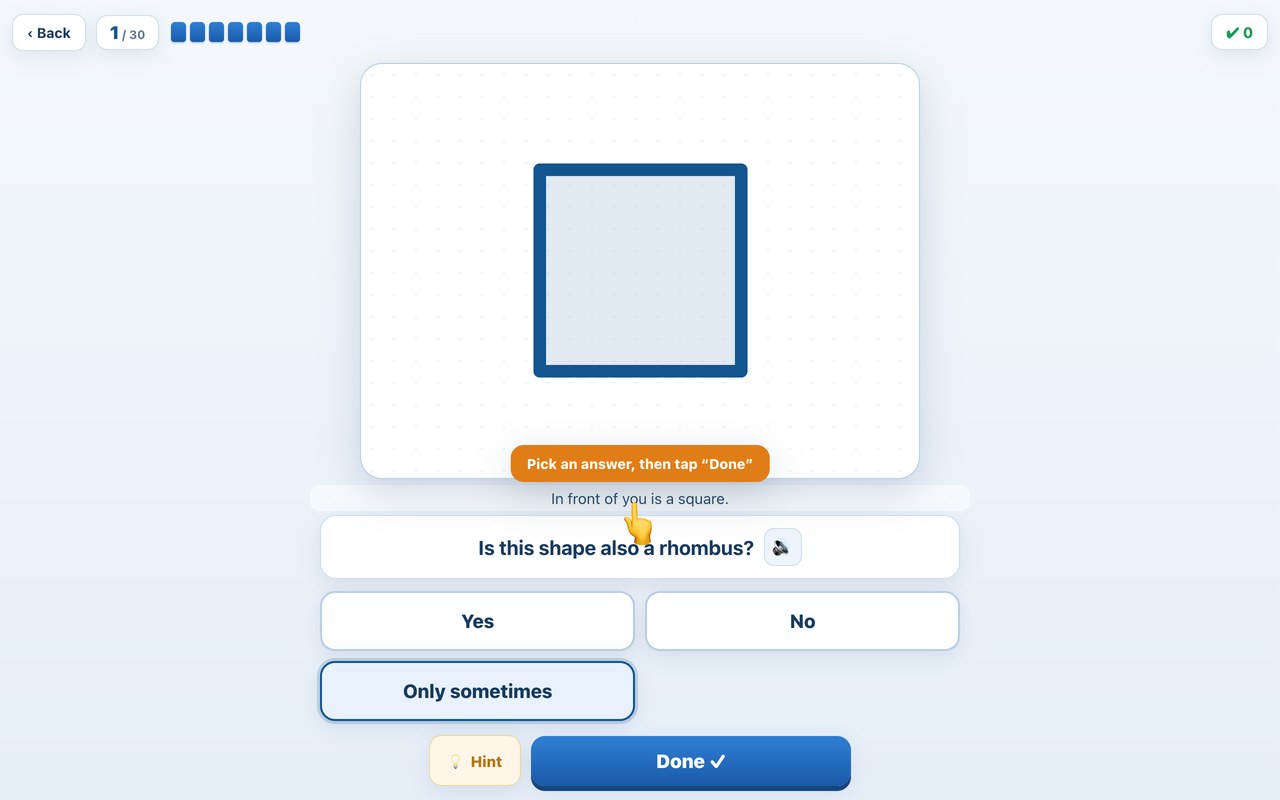
Measuring and classifying angles is the point where geometry stops being shape names and starts being measurement. It is also unusually satisfying for children who find arithmetic a grind.
Nine is a good age for this
Most children in fourth grade are eight turning nine, and the games are pitched accordingly — longer tasks, less hand-holding, an expectation that a wrong answer is information rather than a failure. See also division games, games for 9 year olds and 5th grade math games.