3rd Grade Math Games — Free Online
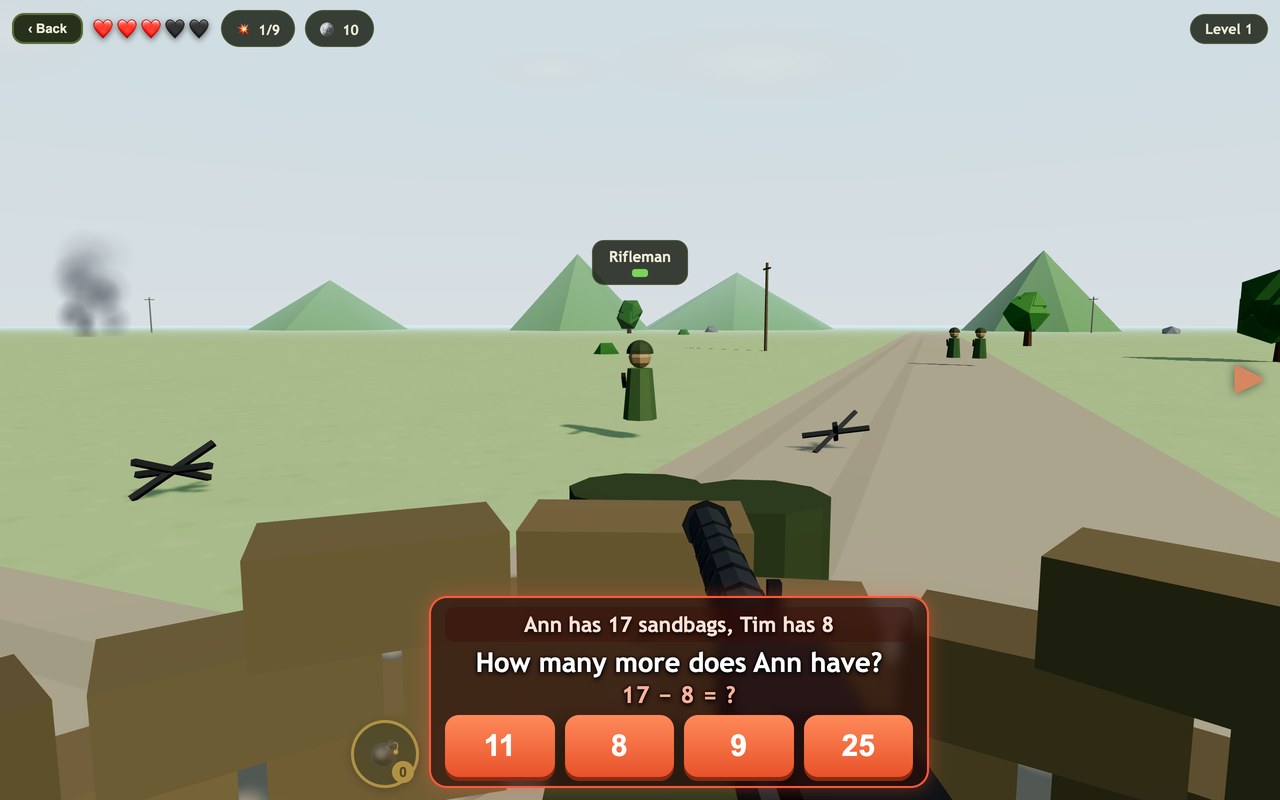
Third grade is all about multiplication and division — the year math facts have to become automatic. These 3rd grade math games drill the times tables and their division partners through fast, playful rounds, then branch into the geometry and word problems a 8–9-year-old meets in a typical US classroom.
What 3rd graders practice here
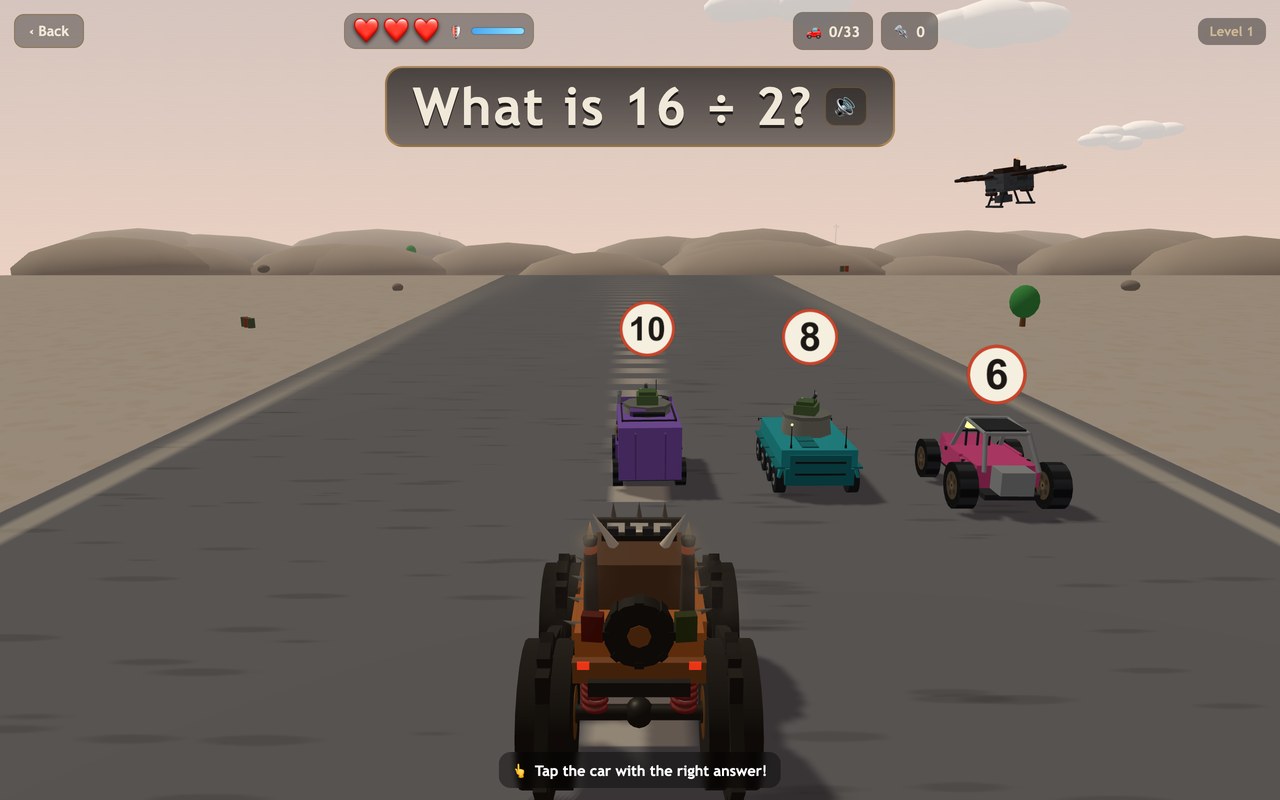
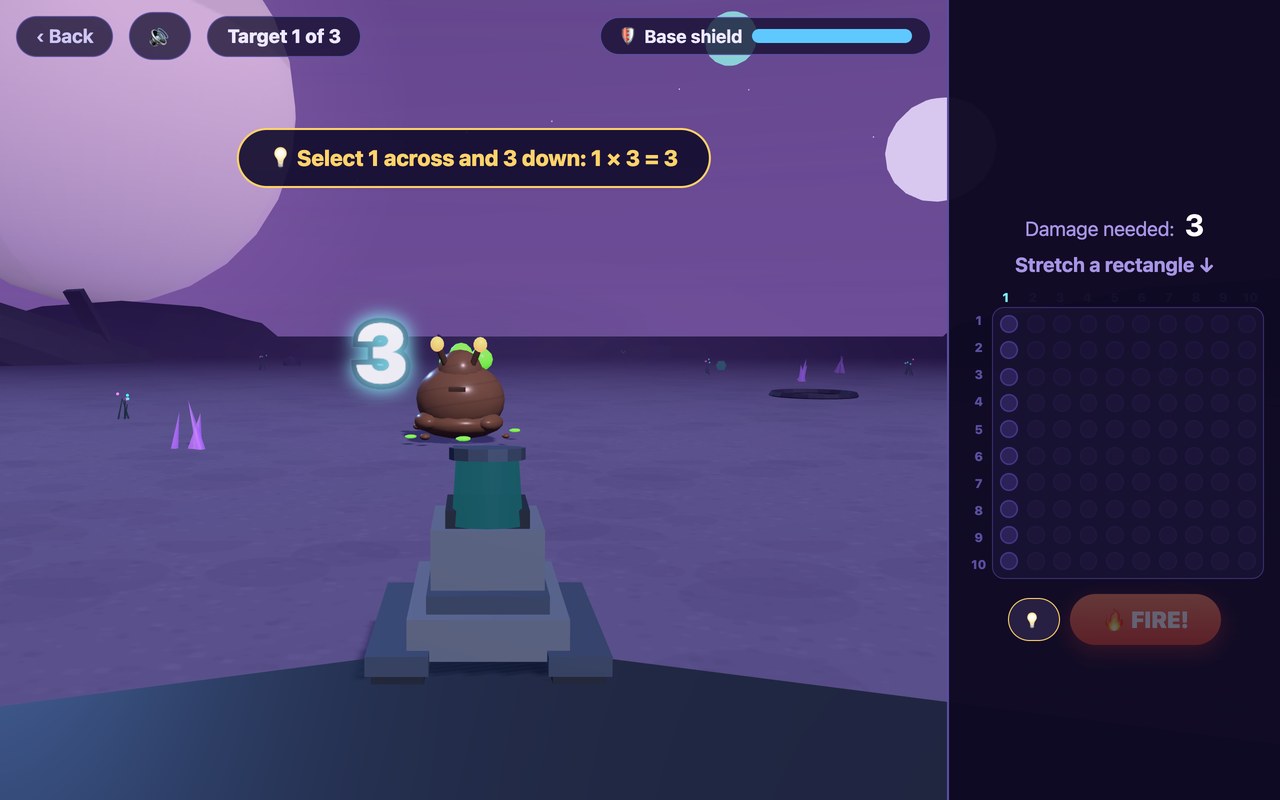
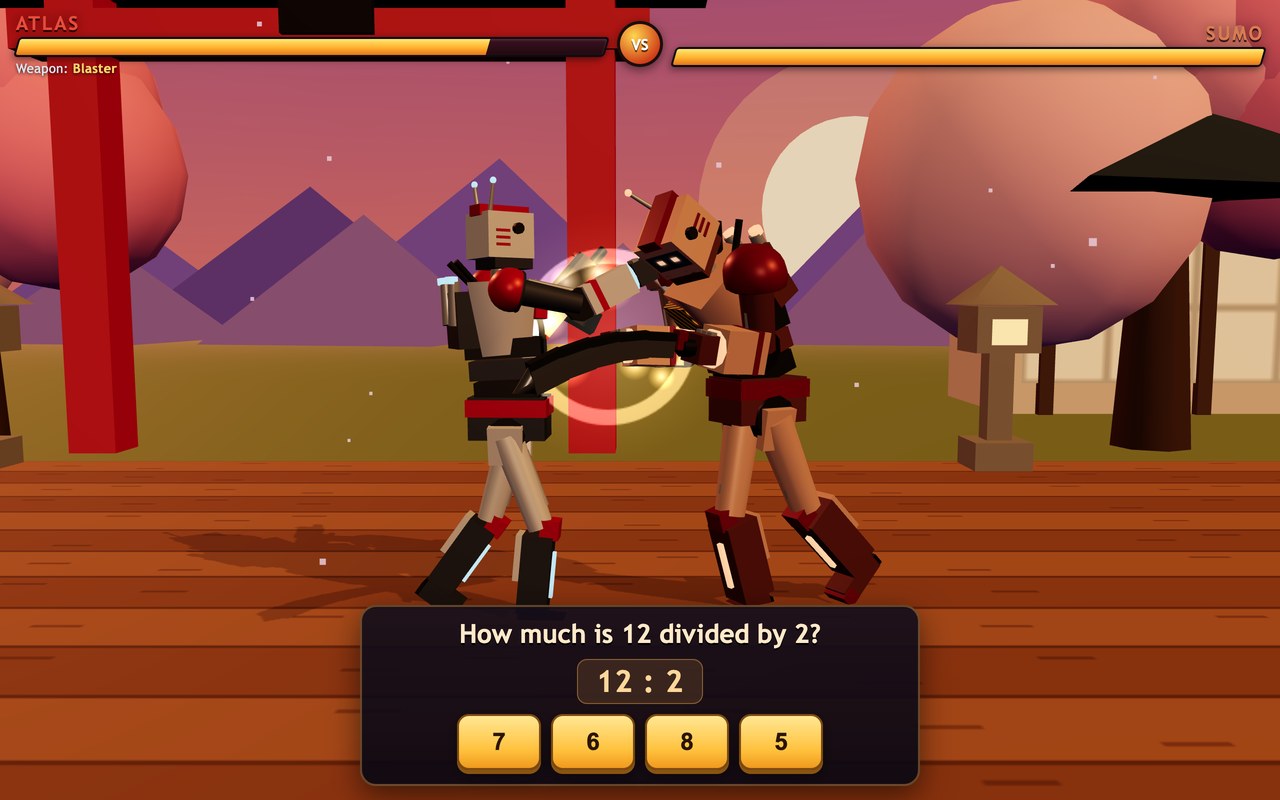
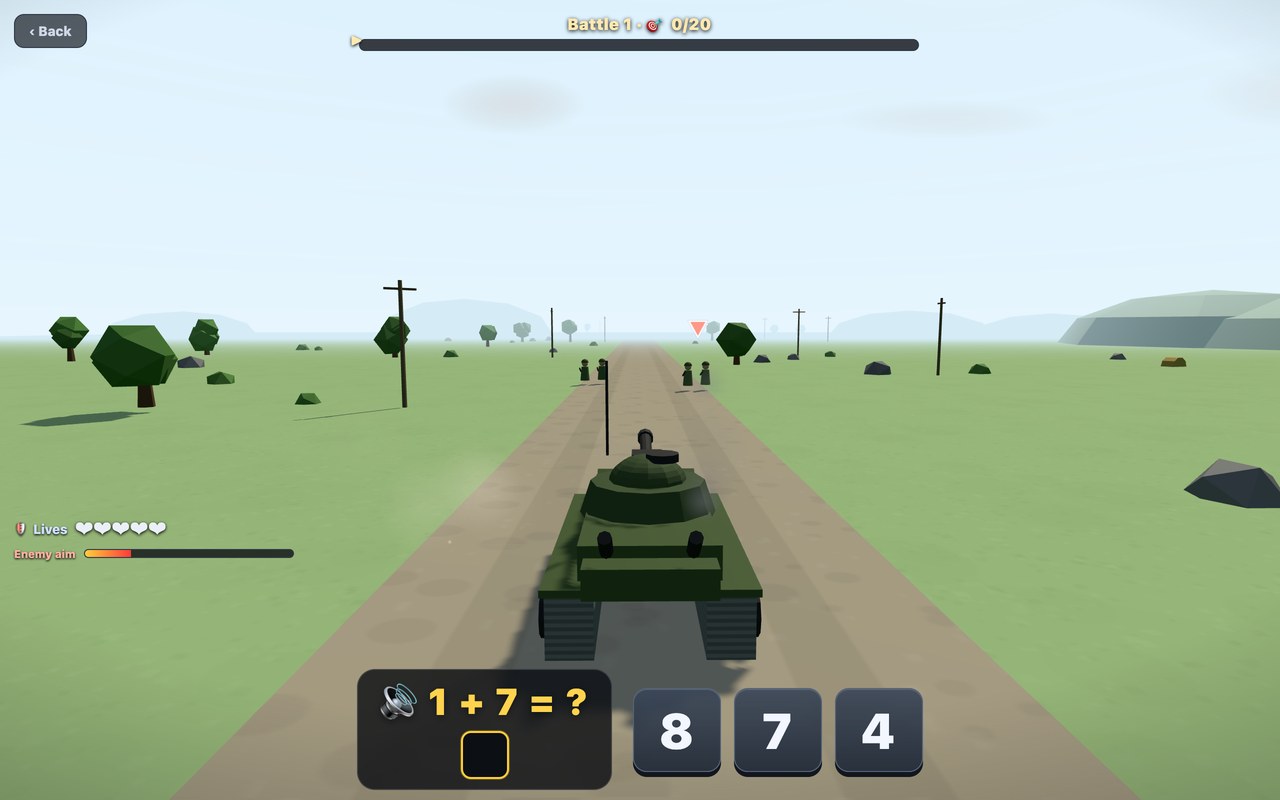
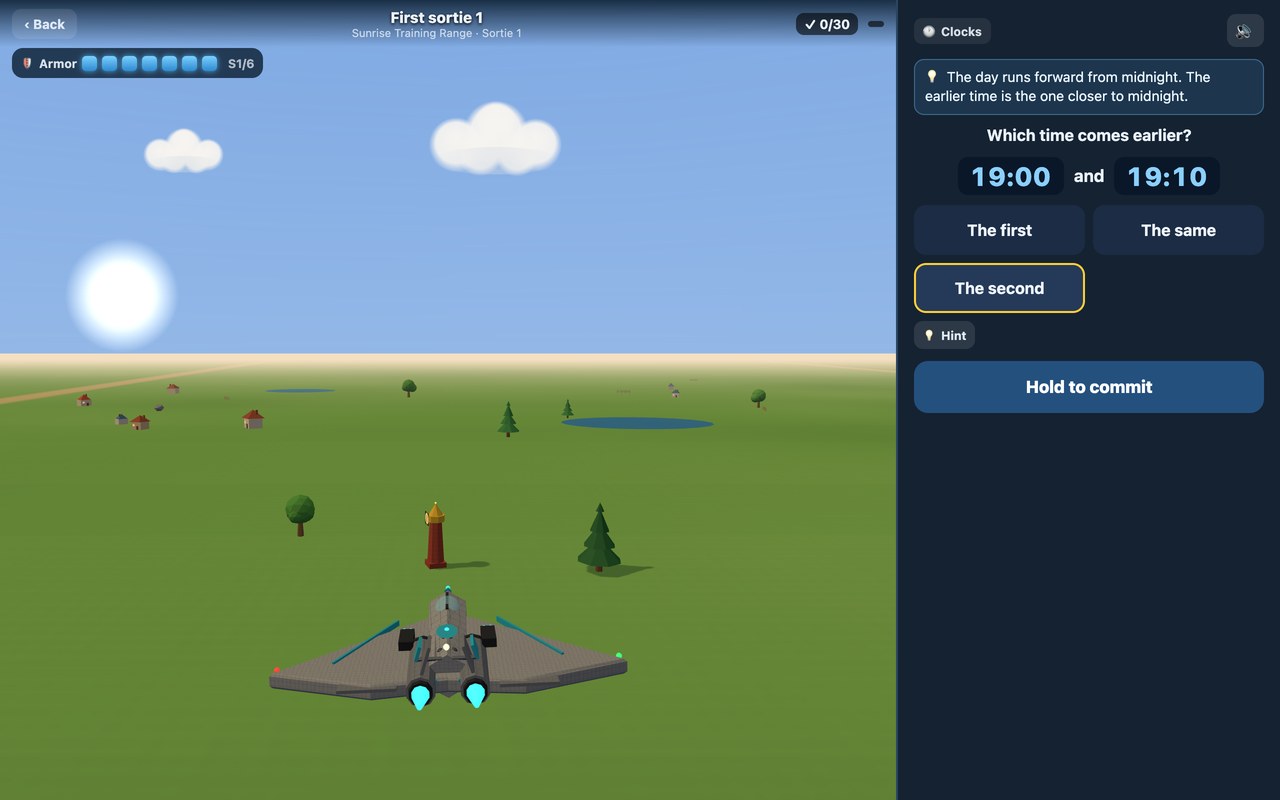
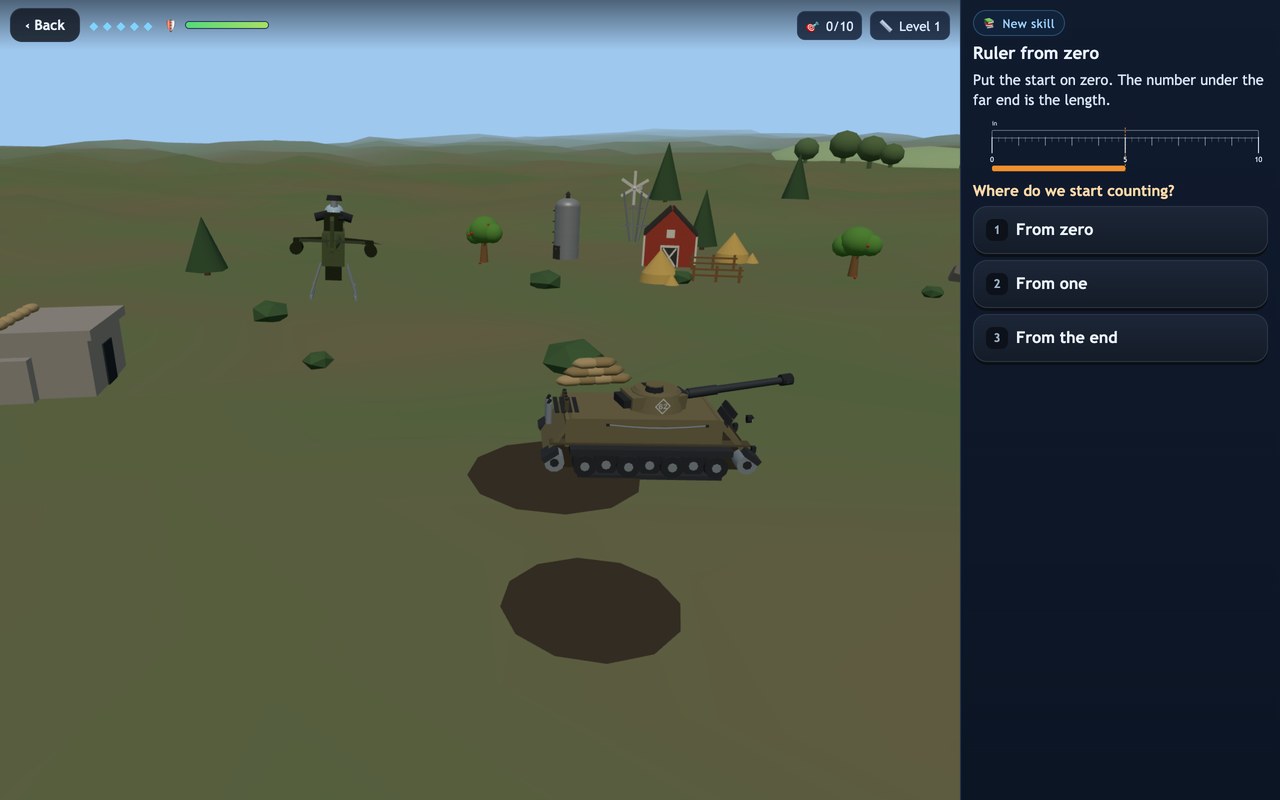
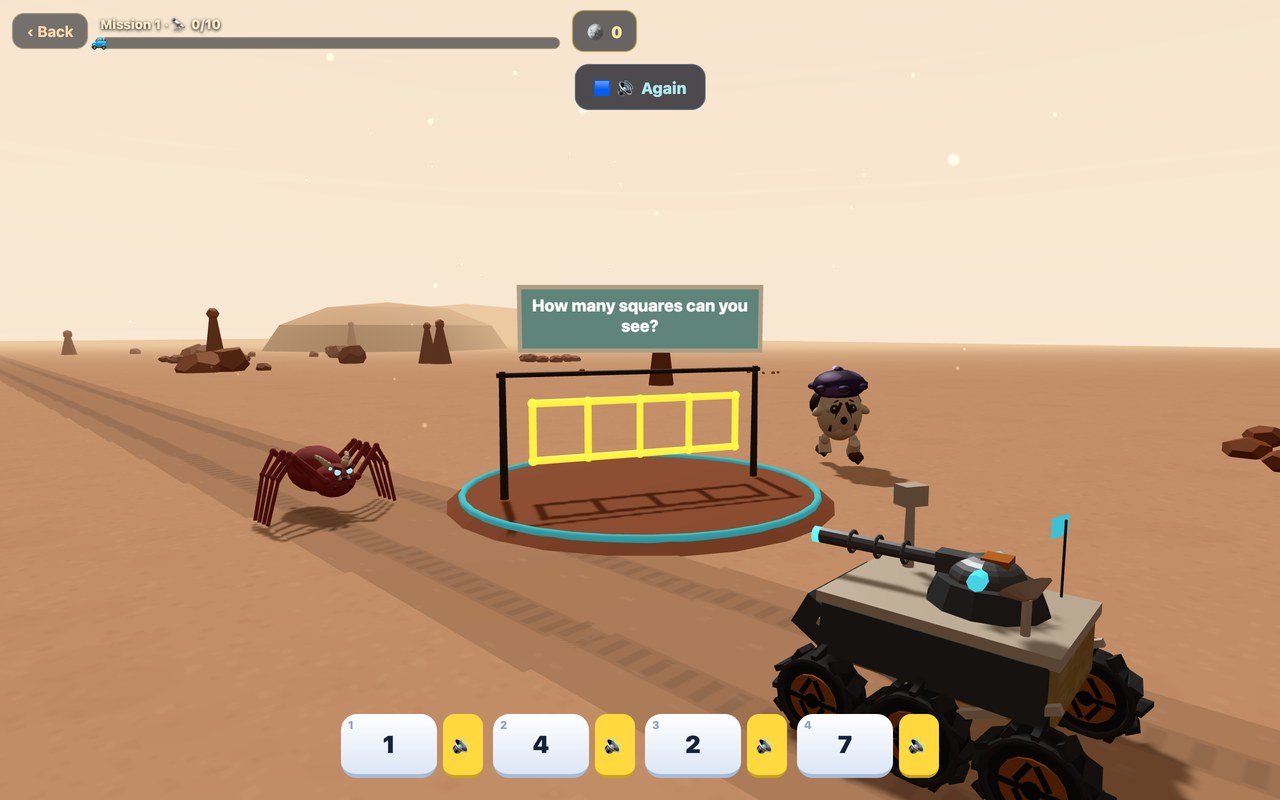
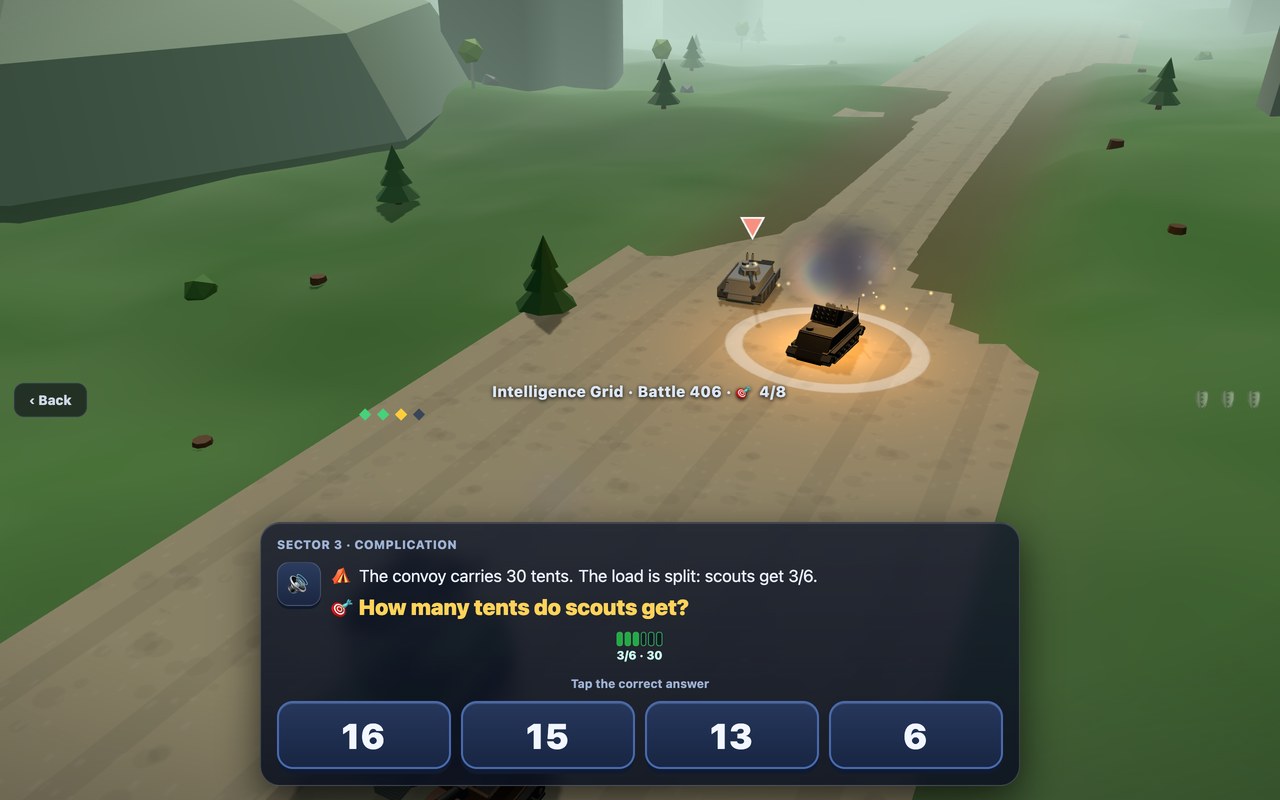
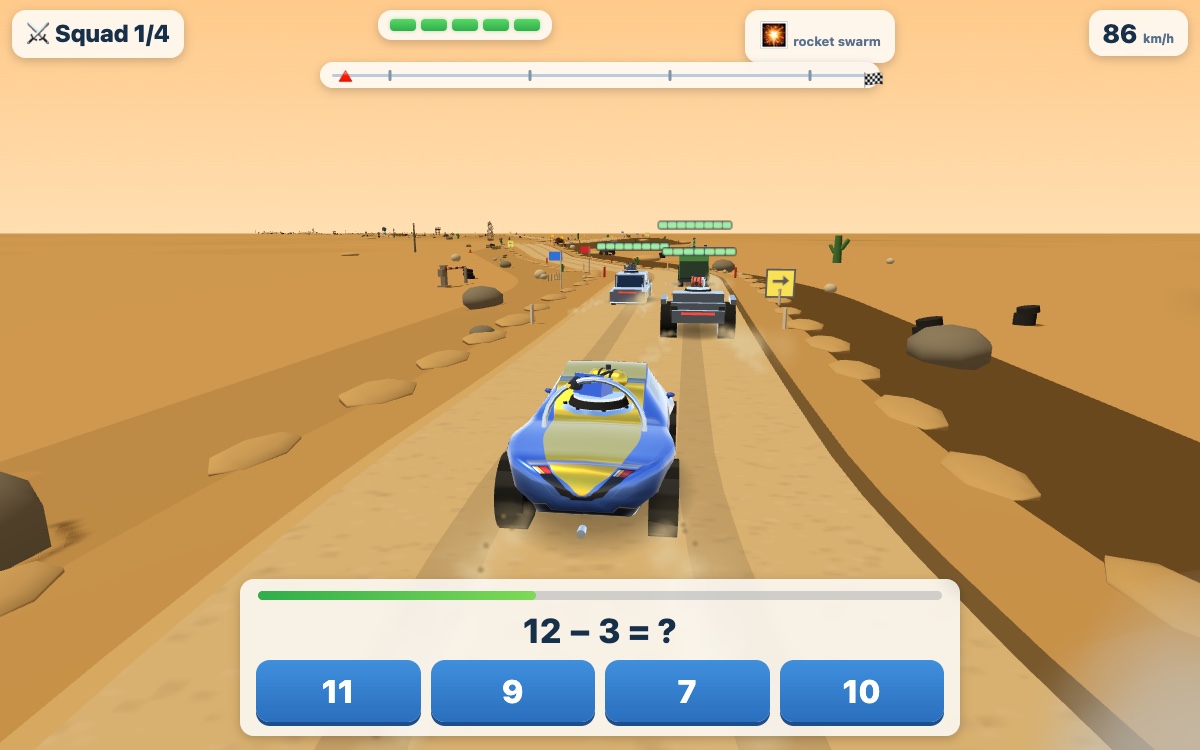
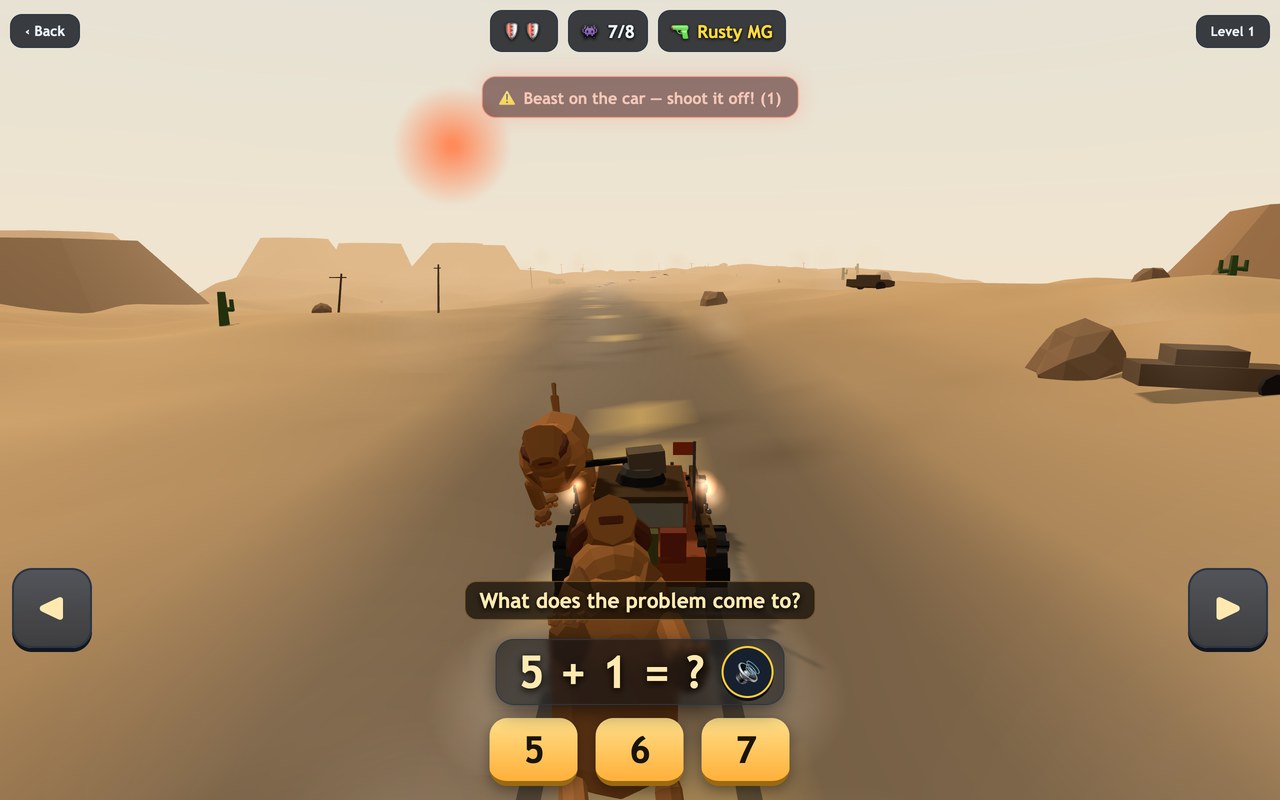
The heart of third grade is the times tables: master them in Bigfoot Arena, which links each multiplication fact to its division partner, then meet division head-on in Divide & Conquer. From there third graders take on area, perimeter and shapes, keep sharpening clocks and elapsed time in Chrono Wing, and start turning stories into math with our word-problem games.
Fluency through play, not pressure
A solved problem is how you win the round, and wrong answers cost nothing but the fact staying on screen — so careful thinking is always safe while speed is gently rewarded. Every game adapts up and down to keep the challenge just right. New to multiplication? Start with our 2nd grade math games; flying ahead? Move on to 4th grade math games.
The year arithmetic becomes reasoning
Third grade is where a child stops being asked only "what is the answer" and starts being asked "which operation is this". Multiplication and division arrive properly, area shows up as a picture of multiplication, and word problems get a second sentence. Children who sailed through second grade sometimes stumble here, and it is almost never about calculation — it is about choosing.
Tables, but with a use attached
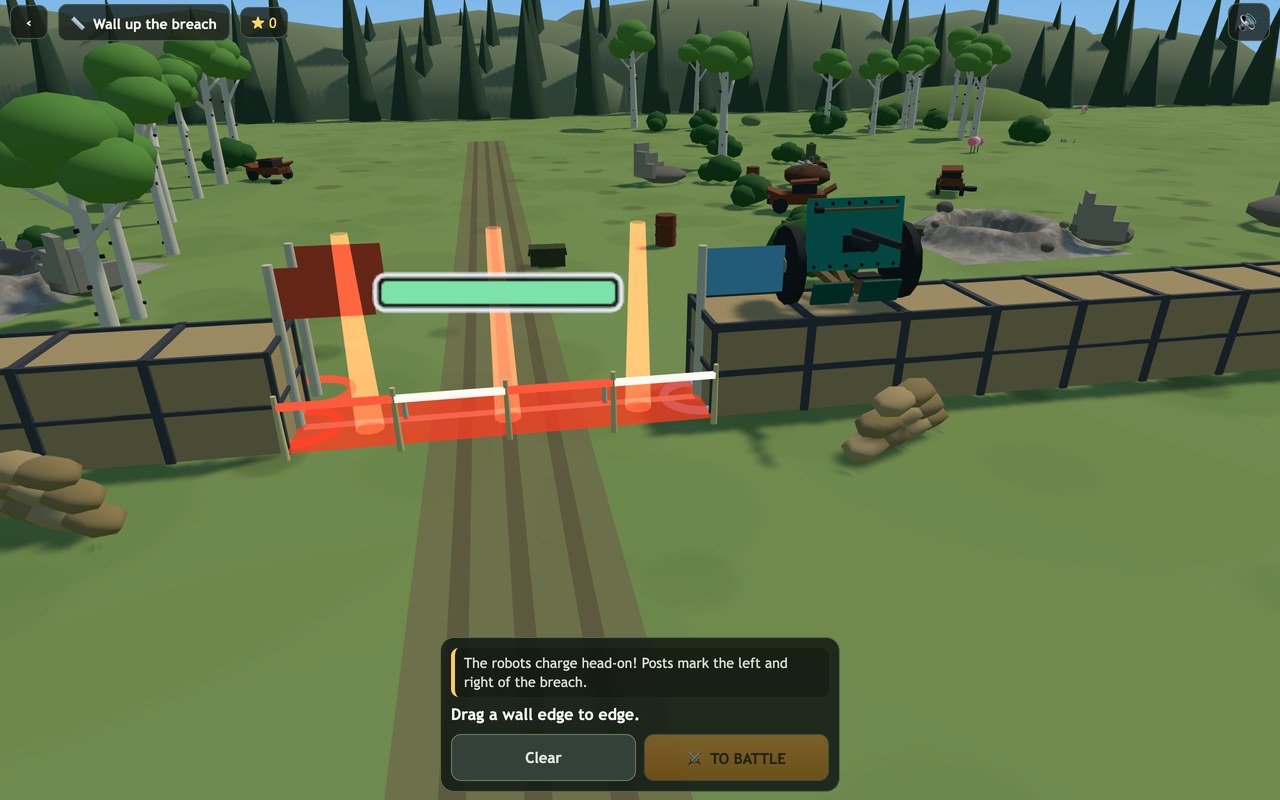
Learning tables in the abstract is a slog. Learning them because the shot will not fire, the bridge will not hold or the convoy will not get through is a different experience for the same drill. The multiplication games on this page put the fact inside a decision, so the child is practising retrieval under mild pressure — which is exactly the condition they will need it in.
Area and perimeter, kept apart
These two get confused for years, and the confusion starts when they are taught in the same week as two formulas. Here they arrive as two different questions — how much fence, how much paint — and the child computes them on shapes they can see and change.
Two-step problems
The jump from one step to two is the real difficulty of the year. A child who can do both steps separately will still stall, because they have to hold the intermediate answer while deciding what to do with it. Games help here in a way worksheets do not: the intermediate result stays on screen, so the working memory cost drops and the reasoning becomes visible.
Speed is not the goal yet
At eight, accuracy with a strategy beats speed without one. If your child is getting there slowly but correctly and can explain the route, they are in good shape — the speed follows on its own once the facts settle. Related: multiplication, measurement, games for 3rd graders.