2nd Grade Math Games — Free Online
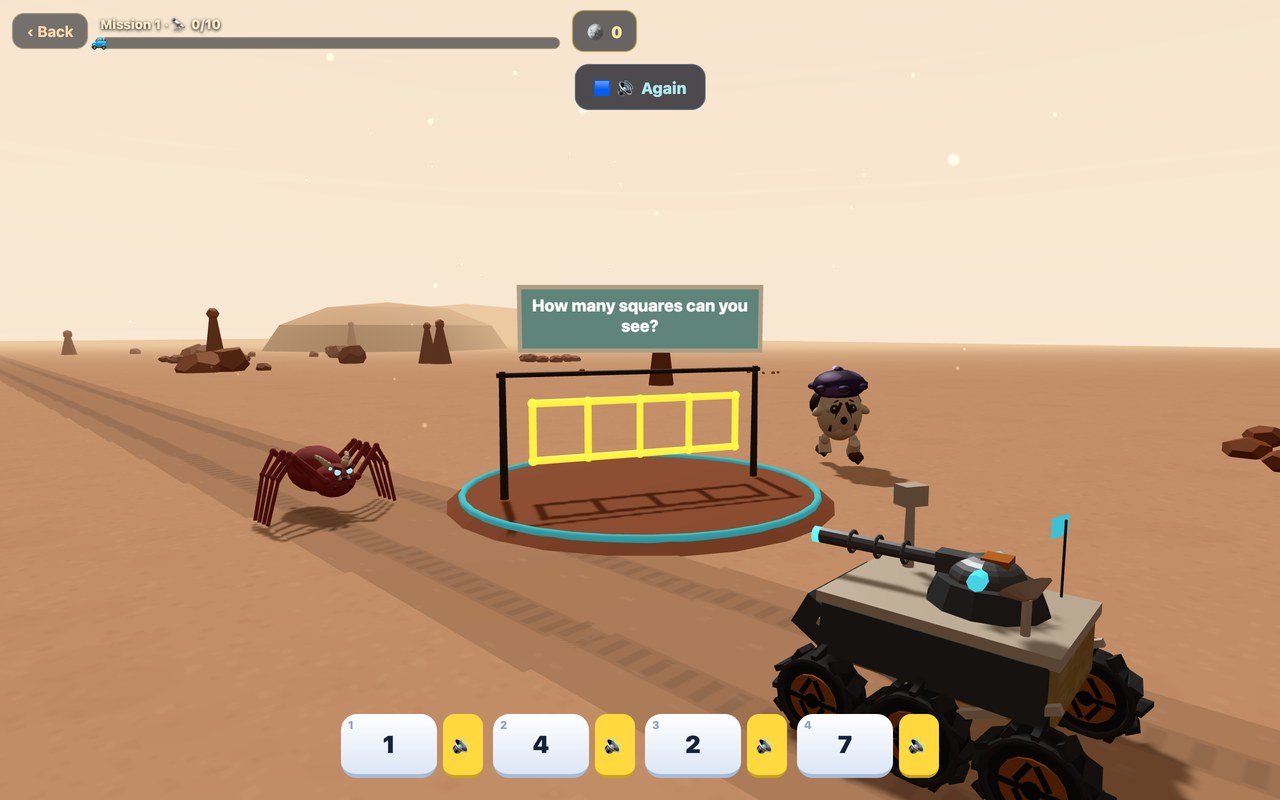
Second grade is the year the numbers get bigger: adding and subtracting within 100, real place value, and the first practical math — clocks and coins. These 2nd grade math games turn that practice into quick battles and missions, so the skills a 7–8-year-old needs become automatic without the worksheet grind.
What 2nd graders practice here
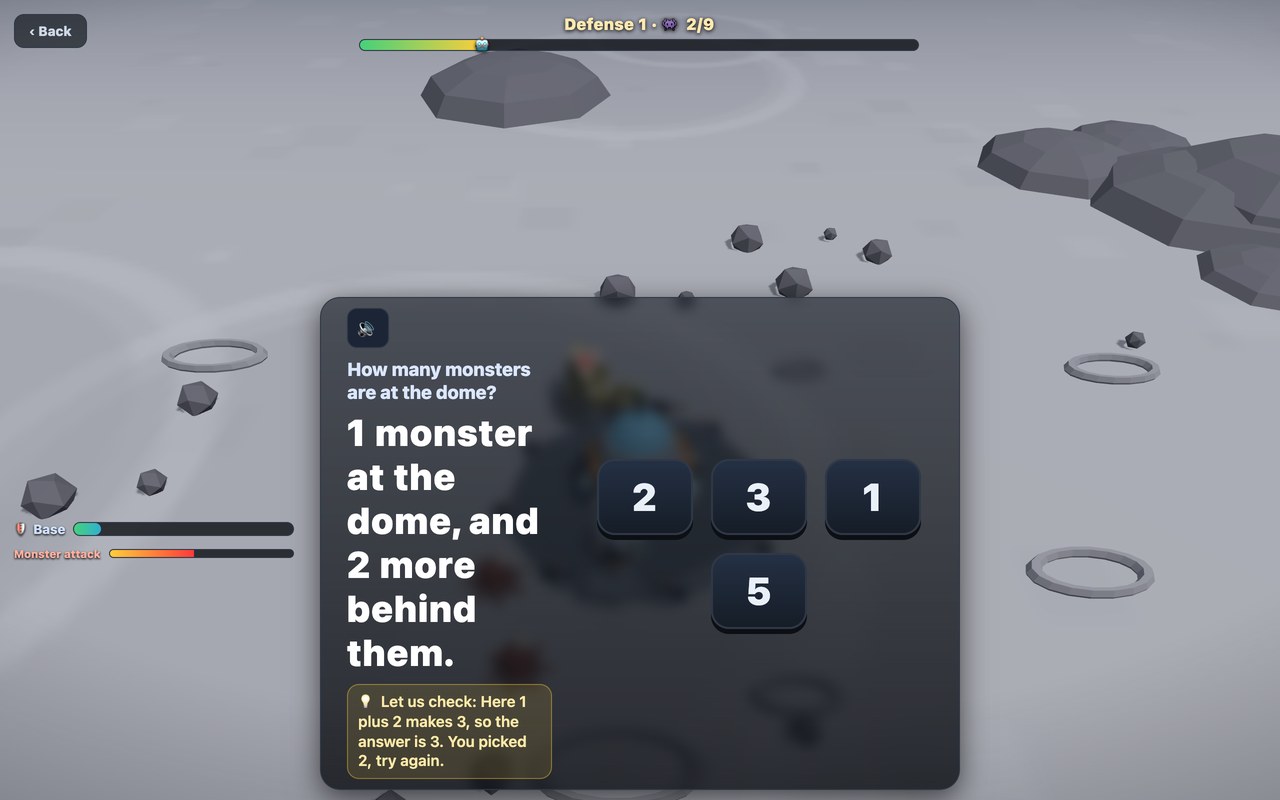
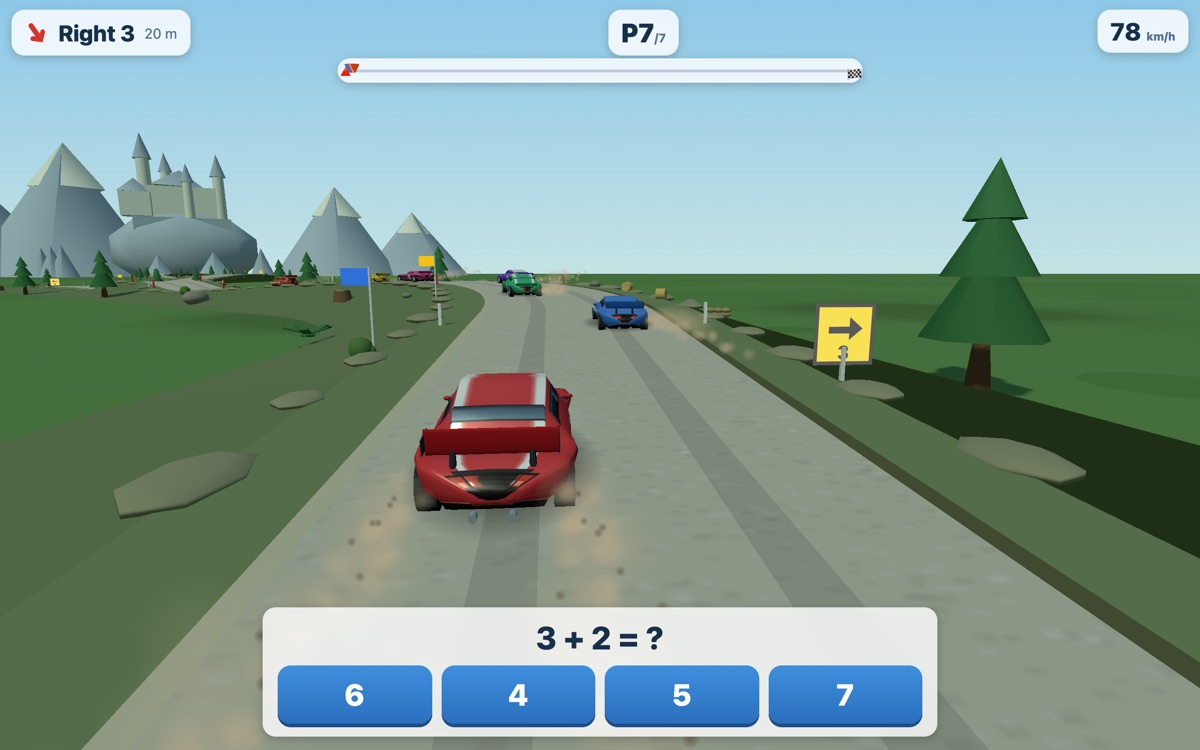
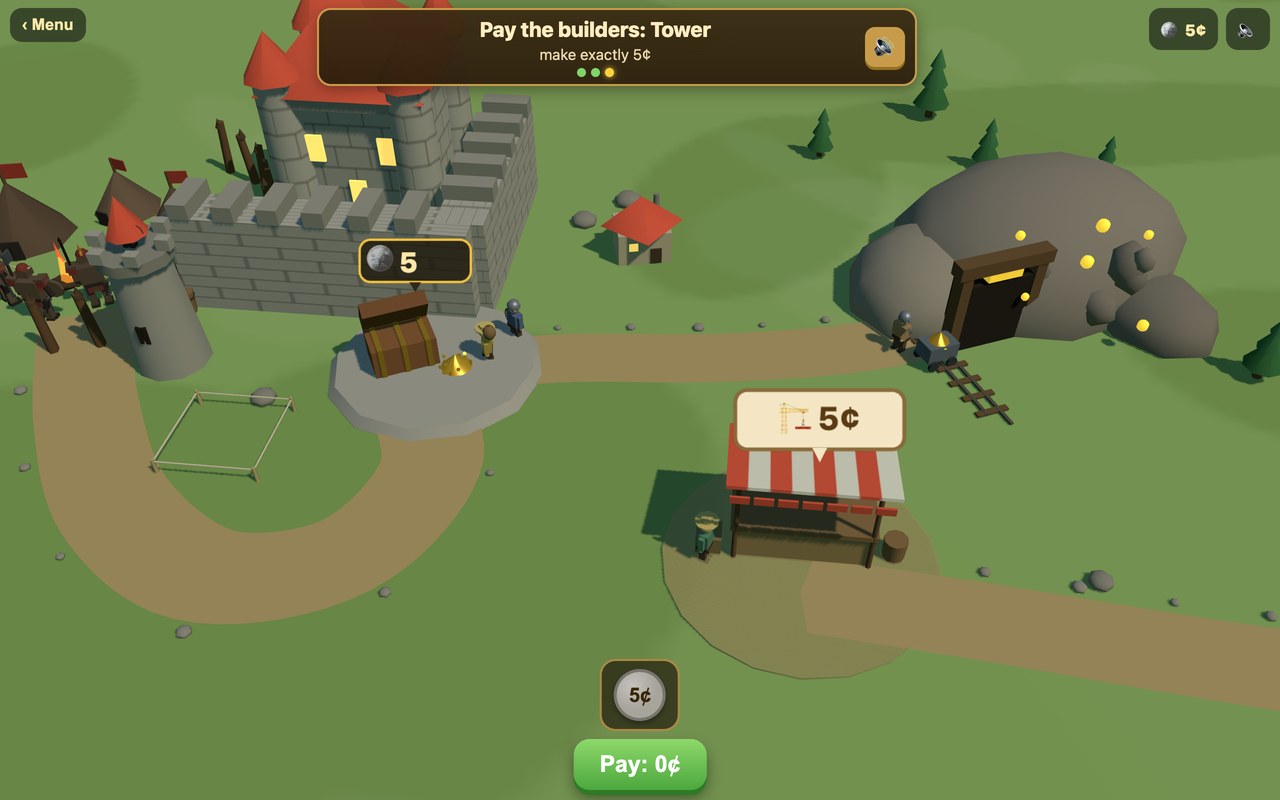
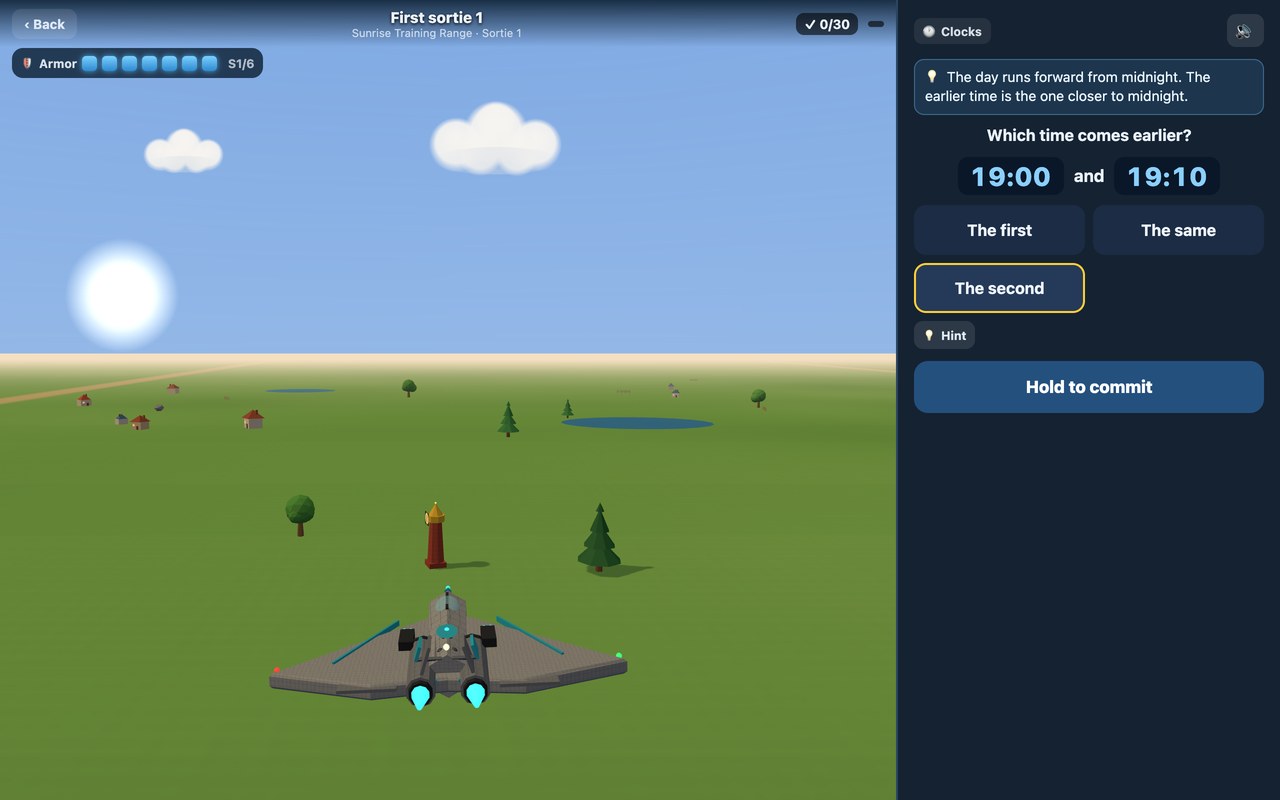
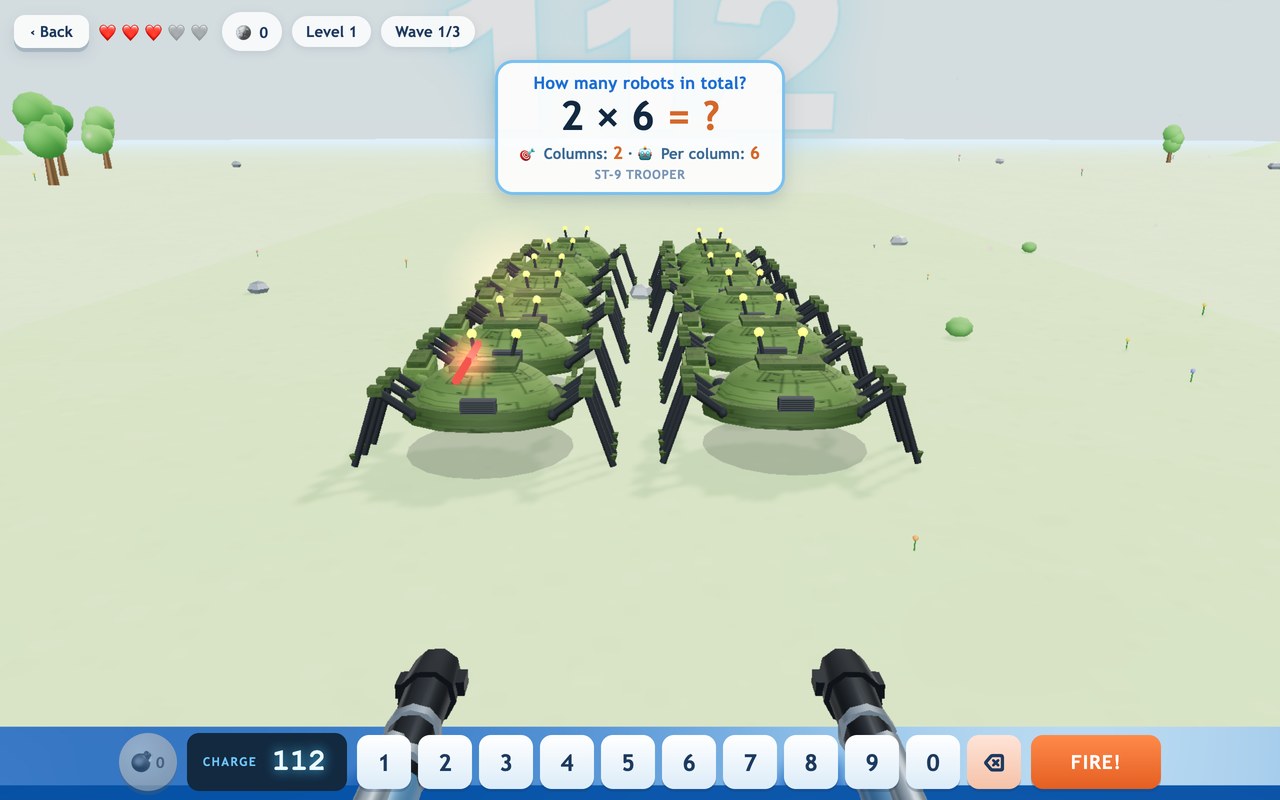
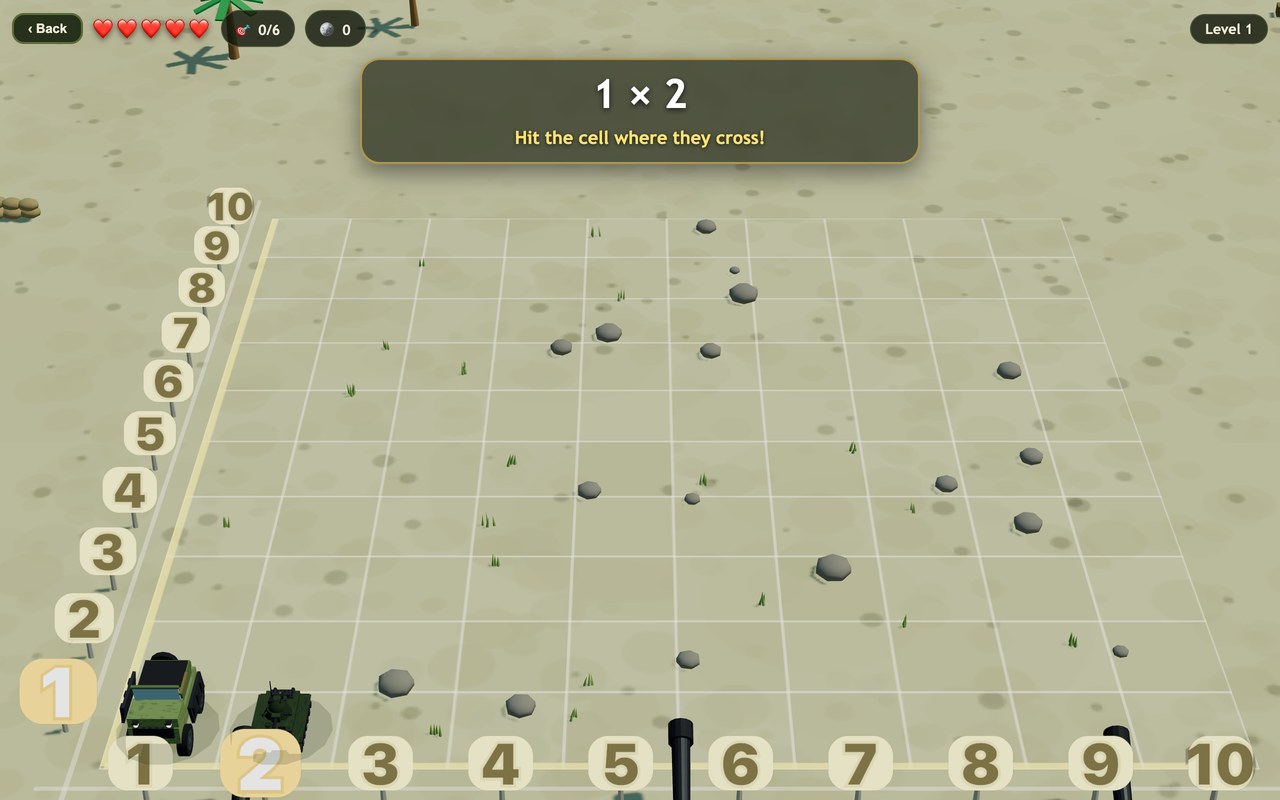
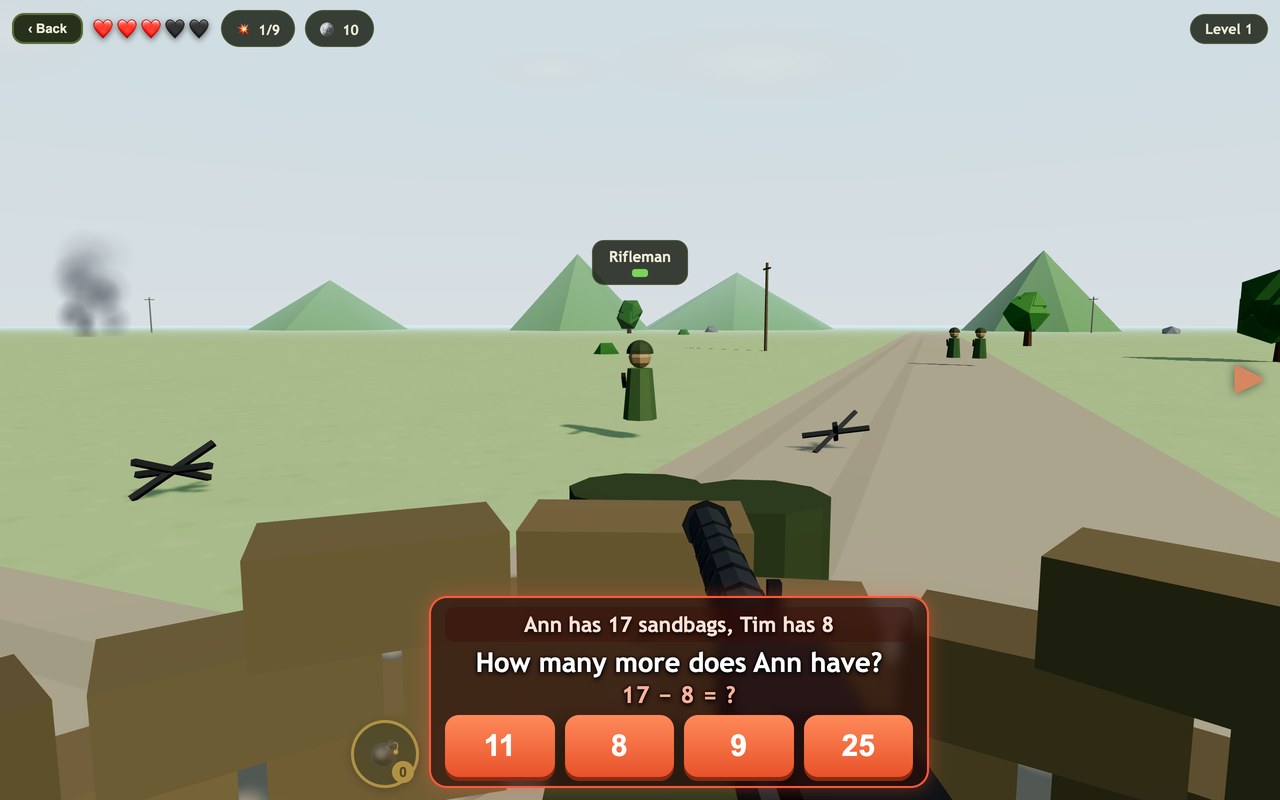
Two-digit addition and subtraction with regrouping, place value to the hundreds, and mental-math fluency — solve a problem and you fire the cannon in our addition & subtraction games. Second grade is also where clocks and money arrive: children read analog and digital time in Chrono Wing and count coins and make change in Treasury Keep. Many US programs start the times tables late in the year too — warm up with our times tables games whenever your child is ready.
The right level, always
Every game adapts in real time, so problems stay pitched just right — and damage only comes from wrong answers, never from thinking slowly. Coming up from first grade? Revisit our 1st grade math games. Racing ahead? Step up to 3rd grade math games when two-digit sums feel easy. Five focused minutes a day builds the recall that makes 3rd grade feel simple.
Two digits change everything
The arithmetic of second grade is not harder in idea, it is harder in bookkeeping. To do 47 + 38 a child has to add seven and eight, write one digit, carry another, and still remember there is a tens column waiting. If the sum 7 + 8 is not automatic, the carry falls out of memory before it can be used — and the child looks like they cannot regroup when the real problem is fluency underneath.
Clocks: the first time counting in fives has to happen on a circle
Telling time to the nearest five minutes is a surprisingly stacked task. It needs skip counting, it needs two hands read in different units, and it needs the child to accept that the small hand between two numbers means the earlier one. Analogue clock games are on this page for that reason; digital time teaches almost none of it.
Money is the first two-unit answer
$1.35 is not "one point thirty five", and children who read it that way are not being careless — nobody has shown them that the dot separates two different things being counted. Making change also gives subtraction a purpose that a worksheet cannot, because the answer is checkable in the real world.
Measuring with a purpose
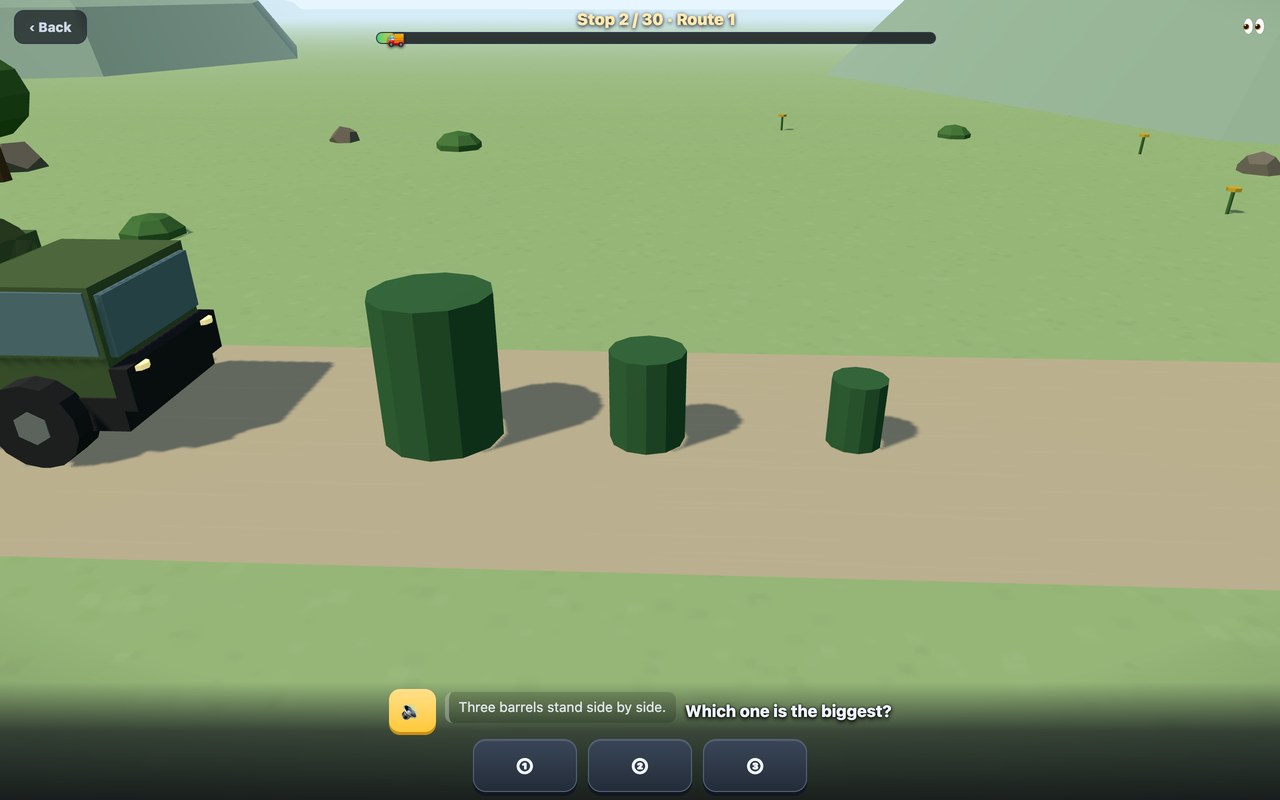
Second graders measure to compare, not to be precise. Which is longer, by how much, is it worth carrying — questions with a stake attached produce far more careful ruler work than "measure this line" ever does.
Reading the difficulty right
If your child is strong on facts but slow on the page, the fix is not more sums — it is fewer steps per problem for a while. If they are quick on the page but shaky on facts, do the opposite. The games separate the two so you can see which it is. See also telling time games, money math and games for 2nd graders.